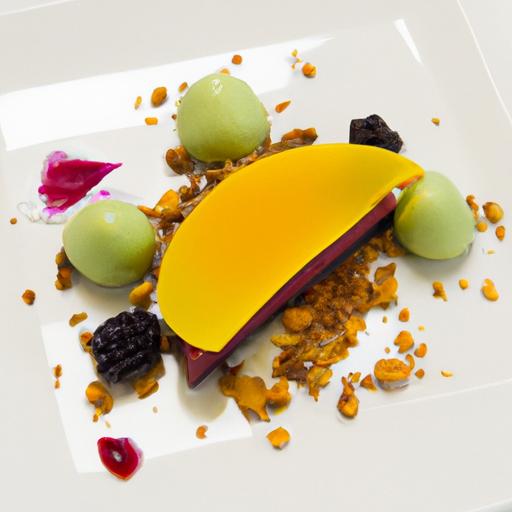

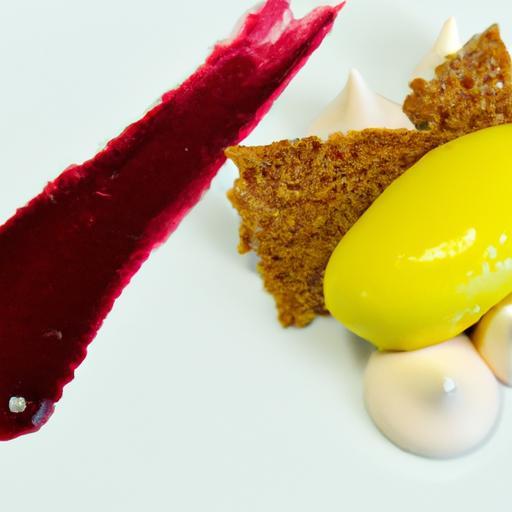
Beneath the surface of modern gastronomy lies a hidden world where texture and taste converge in surprising harmony. Among these culinary treasures, white chocolate soil garnish stands out as an ingenious creation-an edible landscape that transforms familiar sweetness into an earthy, textural delight. “Unearthing Flavor: The Art of White Chocolate Soil Garnish” invites you to explore the delicate craftsmanship behind this innovative technique, revealing how chefs turn humble ingredients into a sophisticated finishing touch that elevates dessert plating from mere presentation to an immersive sensory experience. Join us as we dig deep into the process, flavor profiles, and artistic potential of white chocolate soil, uncovering the secrets that make it a favorite in contemporary kitchens worldwide.
White Chocolate Soil: Techniques, Pairings, and Presentation Mastery
White chocolate soil captivates chefs and dessert lovers alike with its earthy texture and sweet, buttery nuance. This innovative garnish brings depth and contrast to plated desserts, transporting a simple treat into a multisensory experience. Rooted in modern culinary artistry, white chocolate soil draws inspiration from traditional “soil” elements, crafted by transforming white chocolate into a crumbly, sandy texture that mimics natural earth. It not only adds texture complexity but also elegantly amplifies flavor interplay.
Prep and Cook Time
Prep Time: 15 minutes
Cook Time: 20 minutes
Total Time: 35 minutes
Yield
Makes approximately 1 ½ cups of white chocolate soil, enough to garnish about 6-8 desserts.
Difficulty Level
Medium – Requires attention to melting and baking steps but straightforward with practice.
Ingredients
- 150g high-quality white chocolate (preferably 30-35% cocoa butter content)
- 1/4 cup all-purpose flour, sifted
- 2 tbsp almond meal (for nutty undertones and added texture)
- 2 tbsp powdered sugar (for gentle sweetness without graininess)
- 30g cold unsalted butter, cubed
- pinch of fine sea salt
- 1 tsp vanilla bean paste (optional, to boost aromatic depth)
instructions
- Preheat your oven to 150°C (300°F). Line a baking sheet with parchment paper for easy cleanup.
- Finely chop the white chocolate and place it in a heatproof bowl.
- Melt the white chocolate gently using a double boiler or microwave in 20-second bursts, stirring frequently. Avoid overheating to keep it smooth.
- Once melted, add vanilla bean paste if using, and stir to combine evenly.
- In a separate bowl, combine sifted flour, almond meal, powdered sugar, and sea salt. stir until homogenous.
- Incorporate the cold butter cubes into the dry mix using a pastry cutter or your fingertips until the mixture resembles coarse crumbs.
- pour the melted white chocolate into the crumb mixture and gently fold together. The mixture should hold clumps yet remain crumbly-adjust by adding a teaspoon of flour if too wet,or a small splash of milk if too dry.
- Spread the mixture evenly on the prepared baking sheet. Bake for 15-20 minutes, tossing gently halfway through to encourage even browning.
- remove from oven when the soil is golden and dry.Let it cool on the tray; it will crisp up further.
- Break up into irregular small clumps or fine crumbs depending on your presentation needs. Store in an airtight container at room temperature until ready to use.
Tips for Success
- Choosing white chocolate: Opt for high-quality chocolate with no added flavorings or fillers for the purest soil flavor.
- temperature control: Keep the oven at a low heat to dry the mixture without melting or burning the butter and chocolate combined.
- Texture variations: For a crunchier soil, increase almond meal to 3 tbsp; for a finer dust-like effect, pulse the cooled soil lightly in a food processor.
- Make-ahead: white chocolate soil can be made up to 3 days in advance and kept in an airtight container, preserving its texture and flavor.
- Gluten-free adaptation: Substitute all-purpose flour with almond flour or gluten-free flour blends to accommodate dietary needs.
Pairing white Chocolate Soil with Complementary Flavors
White chocolate soil thrives when paired with bright, acidic elements that cut through its richness. Fresh berries like raspberries, blackberries, or passion fruit create vivid contrasts.Citrus segments or a tangy lemon curd add a zesty brightness, elevating the soil’s creamy notes. Herbaceous accents such as basil or mint can introduce unexpected freshness.For a deeper flavor profile, consider sprinkling a pinch of flaky sea salt or pairing with velvety caramel or espresso gels.
Presentation Tips to Elevate Your Garnish
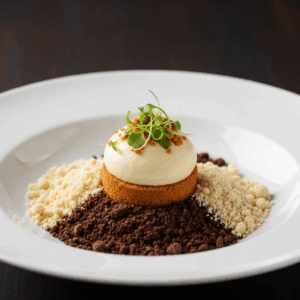
Use the white chocolate soil as a foundation layer, mimicking natural terrain beneath plated desserts. Scatter irregularly with a spoon or fingertips for organic appeal. Place quenelles of mousse or panna cotta atop for visual height, and sprinkle micro herbs or edible flowers for color bursts. use contrasting plates-matte black or deep slate-to make the pale soil stand out. Incorporate height by delicately stacking cookie shards or spun sugar elements. When photographing, ensure side lighting to highlight the granular texture, enhancing the mouthwatering appeal.
Serving Suggestions
- Sprinkle over vanilla or coconut panna cotta, adding a dusting of fresh raspberries.
- Create a deconstructed lemon tart with white chocolate soil, lemon curd dollops, and candied zest.
- Use beneath a scoop of passion fruit sorbet alongside toasted coconut flakes and fresh mint.
- Complement with spiced poached pears or caramelized fig halves for autumnal desserts.
| Nutrient | Per 1/4 cup Serving |
|---|---|
| Calories | 150 kcal |
| Protein | 2g |
| Carbohydrates | 15g |
| Fat | 9g |

For more insights on elegant garnishes, see our article on Crunchy Chocolate Crumble Topping. Additionally, explore expert techniques on chocolate tempering and texture at The Culinary Institute of America.
Q&A
Q&A: Unearthing Flavor - The Art of White Chocolate Soil Garnish
Q1: What exactly is white chocolate soil, and why is it called “soil”?
A1: White chocolate soil is a delicate, crumbly garnish crafted to resemble earthly soil, made primarily from white chocolate blended with ingredients like crushed nuts, cookie crumbs, and sometimes powdered freeze-dried fruits. The “soil” moniker comes from its rustic, granular texture and natural appearance, evoking the essence of freshly turned earth on a plate-an edible terrain that adds both crunch and visual intrigue.
Q2: How does white chocolate soil enhance a dish beyond its flavor?
A2: Beyond its subtle sweetness and creamy white chocolate undertones, white chocolate soil introduces a multi-sensory experience. It provides a contrast of textures-lightly crisp and crumbly-against smooth mousses, silky creams, or juicy fruits. Visually, its earthy look grounds plated desserts in a narrative of nature and discovery, turning every bite into an unearthing of layered flavors and textures.
Q3: What’s the creative process behind making white chocolate soil?
A3: Crafting white chocolate soil begins with melting quality white chocolate, which is then combined with dry, coarse ingredients like toasted nuts or finely crushed biscuits to build body and texture.The mixture is carefully dried and broken into crumb-like pieces, measuring a balance between fine powder and crunchy bits.It’s both an art and a science-aiming for a soil that falls apart delicately yet holds enough structure to evoke that authentic earthen feel.
Q4: Can white chocolate soil be customized to pair with different desserts?
A4: Absolutely! White chocolate soil is a versatile canvas. For fruity desserts, adding freeze-dried raspberries or passion fruit powder can introduce tartness and color. Incorporating toasted coconut or almond meal can lend a nutty warmth ideal for tropical or bakery-inspired creations. Spice lovers might mix in hints of cinnamon or cardamom for an exotic twist. The soil’s adaptability invites endless innovation, making it a playground for culinary creativity.
Q5: How should chefs incorporate white chocolate soil into their plating?
A5: Think of white chocolate soil as edible terrain that frames or anchors the star components of a dessert.It can be sprinkled beneath a mousse dome, scattered around poached fruit, or even piled artfully beside quenelles of ice cream. The key is to use it sparingly but deliberately-too much can overwhelm, but just the right dusting invites diners to “dig in” and discover hidden bursts of flavor beneath the surface.
Q6: What sensory contrasts make white chocolate soil particularly appealing?
A6: The magic lies in contrast: the soil’s crumbly texture juxtaposed with creamy bases creates a delightful mouthfeel. Its sweet, milky notes offset sharper flavors like citrus or tart berries, while its rustic appearance contrasts elegant dessert shapes. This balance of taste, texture, and visual storytelling elevates a simple dish into a layered sensory adventure.
Q7: Is white chocolate soil exclusive to desserts, or can it be used in savory contexts?
A7: While traditionally a dessert garnish, adventurous chefs have begun experimenting with white chocolate soil in savory applications-using its subtle sweetness to complement earthy beets or creamy cheese plates.By adjusting flavor elements-perhaps reducing sugar or introducing herbs-white chocolate soil can blur the line between sweet and savory, offering new dimensions to creative cuisine.
Unearthing flavor through white chocolate soil is about more than taste-it’s a playful excavation of texture,aroma,and visual delight.This garnish invites chefs and diners alike to rediscover the joy hidden beneath a seemingly simple crumble, proving that sometimes, the richest stories lie just beneath the surface.
Future Outlook
as the final grains of white chocolate soil settle on your plate, it becomes clear that this garnish is much more than a mere decorative touch. unearthing flavor through this textured, creamy crumble invites chefs and diners alike to rethink the boundaries between sweet and savory, art and science.
The delicate balance of bitterness, sweetness, and crunch encapsulated in every sprinkle transforms dishes into immersive experiences-proof that sometimes, the most unusual tastes come from the simplest elements beneath the surface. In embracing the art of white chocolate soil, we rediscover that true flavor lies not just in what we eat, but in how we layer and uncover it-one delightful crumb at a time.