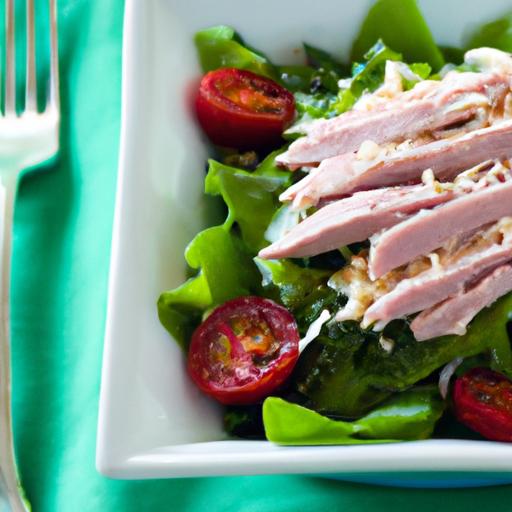

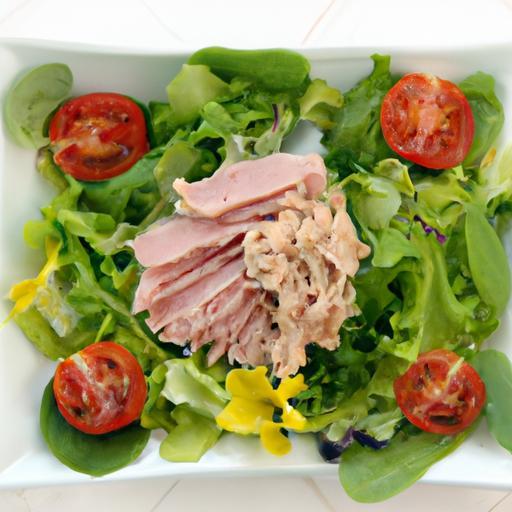
When it comes to speedy, satisfying meals that don’t compromise on nutrition, tuna salad stands out as a timeless favorite. More than just a convenient option, this classic dish is a powerhouse of health benefits, blending lean protein, essential omega-3 fatty acids, and a variety of vitamins and minerals into one colorful bowl. Whether you’re fueling up for a busy day or seeking a refreshing lunch, understanding the nutritional nuances of tuna salad can transform your perception of this humble meal. dive into the world of tuna salad nutrition and discover why it’s truly a healthy catch for your plate.
Tuna salad nutrition offers a vibrant and wholesome way to nourish both your heart and brain, combining lean protein with omega-3 fatty acids for a truly healthful meal. This classic dish brings together the delicate flavor of tuna with fresh, nutrient-packed ingredients, making it a perfect choice for anyone looking to fuel their day with smart, balanced nutrition.
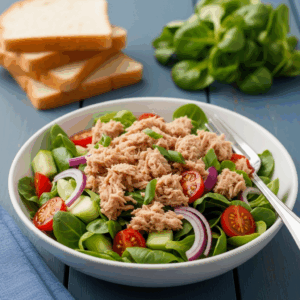
Prep and Cook Time
Prep Time: 15 minutes
Cook Time: 0 minutes (using canned tuna)
Yield
Serves 4 as a light meal or side dish
Difficulty Level
Easy – No cooking required if canned tuna is used
Ingredients
- 2 cans (5 oz each) of tuna in water, drained
- 1/4 cup plain Greek yogurt (for a creamy, light base)
- 1 tbsp extra virgin olive oil (rich in heart-healthy fats)
- 1 tbsp fresh lemon juice (brightens flavor and aids digestion)
- 2 tbsp finely chopped celery (adds crunch and fiber)
- 2 tbsp chopped red onion (for a mild kick)
- 1 tbsp capers (optional for a briny depth)
- 2 tbsp chopped fresh parsley (fresh herbaceous note)
- salt and freshly ground black pepper, to taste
- 1 tsp Dijon mustard (adds subtle zest)
Instructions
- Prepare the tuna: Drain the tuna and flake it gently with a fork into a medium bowl, ensuring no large chunks remain for an even mix.
- Mix the dressing: In a small bowl, combine the Greek yogurt, olive oil, lemon juice, and Dijon mustard. Whisk until smooth and emulsified, balancing tang and creaminess.
- Combine ingredients: Add the finely chopped celery, red onion, capers, and parsley to the flaked tuna. Pour the dressing over and fold gently to combine, preserving the texture of the fresh veggies.
- Season to taste: Add salt and pepper gradually, tasting as you go to avoid overpowering the natural flavors.
- Chill before serving: For best results, refrigerate the salad for at least 30 minutes to let the flavors meld beautifully.
Chef’s Notes: Tips for Success
- For an even healthier twist, swap Greek yogurt with mashed avocado for a creamy texture and extra brain-boosting monounsaturated fats.
- To keep tuna salad light, avoid heavy mayonnaise and focus on yogurt and olive oil – this enhances flavor without excess saturated fat.
- Use freshly squeezed lemon juice rather of bottled for a brighter, fresher taste.
- Make ahead up to 24 hours and store in an airtight container; avoid overmixing to keep the salad visually appealing and fresh in texture.
- If using fresh tuna steak rather of canned, lightly sear or poach for a more luxurious, protein-dense option with a similar nutrient profile.
Serving Suggestions
Serve your tuna salad nutrition-packed creation on a bed of crisp mixed greens or inside whole-grain lettuce wraps for a gluten-free option. For a satisfying crunch, toast whole wheat bread to make a classic tuna salad sandwich. Garnish with a sprinkle of paprika or fresh dill and a wedge of lemon to visually brighten the plate. Pair with sliced avocado or cherry tomatoes for added color and nutrition.
| Nutrient | Amount per Serving |
|---|---|
| Calories | 210 kcal |
| Protein | 30 g |
| Carbohydrates | 4 g |
| Fat | 8 g (mostly healthy fats) |

If you want to dive deeper into similar heart-healthy recipes, check out our guide on Omega-3 Rich Dishes to improve Wellness. For trusted information on the benefits of omega-3s and their role in brain function, the American Heart Association provides excellent insights.
Q&A
Q&A: Tuna Salad Nutrition – A Healthy catch for Your Plate
Q1: Why is tuna salad considered a healthy meal option?
A: Tuna salad reels in a bounty of nutrients! Packed with lean protein, omega-3 fatty acids, and essential vitamins like B12 and D, it supports muscle repair, brain health, and heart wellness. Toss in fresh veggies, and you’ve got fiber, antioxidants, and an array of minerals, making it a balanced and nourishing dish.
Q2: What makes tuna a nutritional superstar?
A: Tuna is low in fat but high in protein, making it a great choice for weight management and muscle building. It’s rich in omega-3 fatty acids-those healthy fats that can lower inflammation and improve cardiovascular health. Plus, tuna offers selenium and niacin, which boost immune function and energy metabolism.
Q3: Are all tuna salad ingredients equally healthy?
A: Not quiet! While tuna and fresh vegetables score high on health, it’s the extras like mayonnaise or creamy dressings that can tip the scales. Opt for Greek yogurt or avocado as dressing alternatives for creaminess without excessive calories or saturated fats. Whole grain bread or leafy greens maximize the nutritional punch.
Q4: How dose tuna salad support weight management?
A: Tuna’s high protein content keeps you feeling full longer, which helps curb overeating. Combining it with fibrous veggies slows digestion, stabilizes blood sugar, and wields control over cravings. It’s a satisfying, nutrient-dense way to stay on track with your health goals.
Q5: Are there any considerations regarding mercury in tuna?
A: Good catch! Tuna does contain trace amounts of mercury, which can accumulate in the body if consumed excessively. To stay safe, aim for 2-3 servings per week, choose light tuna over albacore (which has higher mercury), and balance your diet with other low-mercury seafood options.
Q6: Can tuna salad be tailored for different dietary needs?
A: Absolutely! For a low-carb lifestyle, ditch the bread and pile tuna salad over greens. Vegans can create a tuna-like salad using mashed chickpeas or jackfruit and similar seasonings. Gluten-free eaters will find plenty of compliant ingredient swaps, and those watching sodium can use low-sodium canned tuna and fresh herbs for flavor.
Q7: What’s a creative way to boost the nutrition of your tuna salad?
A: Hook nutrients by adding superfood-packed mix-ins like chopped kale, diced sweet potato, sunflower seeds, or a sprinkle of chia seeds. A squeeze of lemon juice amps up vitamin C and brightens the flavor, making each bite both healthy and delicious.
Whether you’re fishing for flavor or nutrition, tuna salad is a versatile, healthful catch that can be customized to suit your lifestyle. Dive in and enjoy!
Concluding Remarks
As the final bite of your tuna salad lingers, it’s clear this dish is more than a lunch staple. Packed with lean protein, heart-healthy fats, and essential vitamins, tuna salad nourishes your body while satisfying cravings. Whether on fresh greens, whole-grain bread, or straight from the bowl, this healthy catch delivers unbeatable flavor and nutrition.