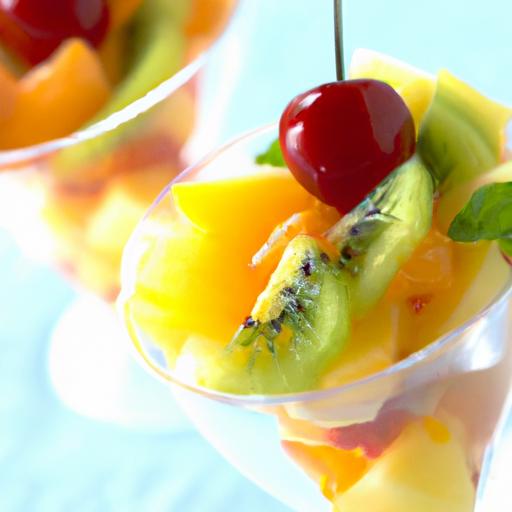

Experience a vibrant burst of sunshine in every bite with tropical fruit cups—a colorful medley of juicy mangoes, pineapples, berries, and zesty citrus. These simple, wholesome delights are perfect for a refreshing snack or healthy treat, effortlessly bringing the luscious flavors of the tropics to your day. Enjoy the nourishing and extraordinary pleasure of this easy homemade recipe.
Choosing the Perfect Tropical Fruits for Vibrant Flavor and Texture
Tropical fruit cups burst with flavor and color, offering a refreshing experience that dances on the palate. Creating the perfect blend begins with selecting ripe, fresh fruits that harmonize vibrant sweetness with contrasting textures. Start with classics like pineapple, whose juicy tang anchors the cup, and mango, meltingly sweet with a lush, buttery texture. For an exotic touch and a pop of tartness, kiwi is unmatched, its emerald hue brightening your dish visually. Papaya adds a subtle floral sweetness and soft bite, while dragon fruit or passion fruit inject a whimsical flair both in looks and flavor complexity.
When choosing fruits, prioritize those with firm skins and no bruises-this usually means fresh peak ripeness and optimal taste. Visit farmers’ markets or the tropical section of your local grocer early in the day. Smell the pineapples for a sweet fragrance, test mangoes gently for give without mushiness, and look for luminous green kiwis with slight softness. Combining crunchy, creamy, juicy, and zesty fruits creates a multidimensional texture well-suited for homemade fruit cups that captivate every bite.
Mastering the Art of Preparation and Presentation for Homemade Fruit Cups
Preparing tropical fruit cups is an art that invites you to focus on precision and care, transforming simple ingredients into a feast for both eyes and taste buds. Start by peeling and slicing fruits into uniform bite-sized pieces, which not only ensures even flavor distribution but also makes the cup easy to enjoy. Remove seeds and membranes-especially for passion fruit and dragon fruit-for a clean and uninterrupted mouthfeel.
Use a sharp, serrated knife for delicate fruits like mango and kiwi to avoid bruising. For pineapple, first cut off the top and bottom, then slice off tough skin and “eyes” before cubing. Present your fruits in clear glass bowls or mason jars to highlight their vibrant colors. Adding layers or color blocks enhances visual appeal and invites curiosity. Briefly chill fruit cups before serving to amplify refreshing juiciness.
Creative twists and Toppings to Elevate Your Tropical Fruit Experience
Elevate your tropical fruit cups with creative toppings and flavor twists that add unexpected complexity without overshadowing natural freshness. Sprinkle toasted coconut flakes or crushed macadamia nuts for a nutty, crunchy crunch that contrasts beautifully with juicy softness. A drizzle of raw honey or agave syrup can gently heighten sweetness, while a squeeze of fresh lime juice introduces a zesty bite that enlivens every mouthful.
For an exciting twist, toss in fresh herbs like chopped mint or basil-they release aromatic oils that brighten the entire cup. Add chia seeds or a dollop of creamy Greek yogurt for texture and nutritional boost. For a festive touch, garnish with edible flowers such as nasturtiums or pansies, turning your tropical fruit cups into a stunning centerpiece. These enhancements celebrate the vibrant flavor and texture at the heart of your creation.
Storing and Serving Tips to Keep Your Fruit Cups Fresh and Delicious
To maintain freshness and vibrant texture, store your tropical fruit cups in airtight containers immediately after preparation. Refrigerate and consume within 24 to 36 hours to prevent fruit from releasing too much juice and losing structural integrity. For extended freshness, store fruit and toppings separately and combine just before serving.
Serve chilled on ice or alongside a sprig of fresh mint for a visually appealing, cooling treat. If transporting, pack in insulated containers with a small ice pack to protect delicate fruits from heat. Avoid adding heavy dressings or sugary syrups ahead of time; instead, offer them as optional accompaniments on the side to preserve natural brightness and texture.
Prep and Cook Time
- Preparation: 20 minutes
- Cook Time: N/A (fresh fruit cups)
- chilling Time: 15-30 minutes (optional)
Yield
Serves 4 generous portions.
Difficulty Level
Easy – suitable for cooks of all levels.
Ingredients
- 1 cup fresh pineapple, peeled and diced
- 1 cup ripe mango, peeled and cubed
- 1 kiwi, peeled and sliced
- 1 cup papaya, peeled, seeded, and chopped
- ½ cup dragon fruit, diced (optional)
- 2 tablespoons passion fruit pulp (optional)
- 1 tablespoon fresh lime juice
- 1 tablespoon raw honey or agave syrup
- 2 tablespoons toasted coconut flakes
- Fresh mint leaves for garnish
- Optional toppings: crushed macadamia nuts, chia seeds, Greek yogurt, edible flowers
Instructions
- Prepare all fruit: Peel, pit, and dice fruits into uniform bite-sized pieces to ensure balanced flavor and texture.
- Combine: In a large mixing bowl, gently toss the pineapple, mango, kiwi, papaya, and dragon fruit (if using).
- Add passion fruit pulp: Drizzle evenly over fruit and fold gently to combine without mashing delicate pieces.
- Sweeten and brighten: Stir in fresh lime juice and honey or agave syrup, adjusting sweetness to your liking.
- Chill: Refrigerate for 15-30 minutes to let flavors meld and enhance juiciness.
- Serve: Divide fruit cups into clear serving glasses or bowls. Sprinkle toasted coconut flakes and optional toppings over the top.
- Garnish: Add fresh mint leaves or edible flowers for a striking presentation.
Chef’s Notes & Tips for Success
- Fruit swaps: Substitute papaya or dragon fruit with ripe peaches or nectarines for seasonal variety.
- Make-ahead: Prepare fruit and store separately from toppings to avoid sogginess; combine right before serving.
- Handling delicate fruits: Use a light hand when mixing-overmixing can crush soft fruits.
- Balancing sweetness: Adjust honey or lime juice depending on the natural sweetness of your fruit selection.
- Texture harmony: Adding crunchy nuts or seeds is key to varying mouthfeel and keeps the experience exciting.
- Presentation: Clear glass jars or petite bowls highlight color contrasts and elevate homemade fruit cups beyond ordinary.
Serving Suggestions
Pair your tropical fruit cups with crisp coconut water or a lightly sparkling white wine for adult gatherings. They make a perfect refreshing breakfast topped with creamy yogurt and granola or a light dessert enhanced with a spoonful of passion fruit coulis. For parties, provide mini spoons and garnish with edible flowers to transform simple homemade fruit cups into tropical showstoppers.
| Nutrient | Per Serving (approx.) |
|---|---|
| Calories | 120 kcal |
| Protein | 1.2 g |
| Carbohydrates | 30 g |
| Fat | 1.5 g |

For more fruity inspiration, check out our Fresh Fruit salsa. To discover the health benefits of tropical fruits, visit Harvard Health.
Q&A
Q&A: Tropical Fruit Cups – Simple, Fresh, and Homemade Delights
Q1: What exactly is a tropical fruit cup?
A tropical fruit cup is a refreshing, vibrant blend of various tropical fruits-think juicy pineapple, sweet mango, tangy kiwi, and luscious papaya-served together in a simple, colorful medley. It’s a fresh, easy-to-make snack or dessert that captures the essence of sunny, tropical climates in every bite.
Q2: Why are tropical fruit cups considered a healthy treat?
they’re packed with vitamins, fiber, and natural antioxidants, all without added sugars or preservatives when homemade. They provide a natural burst of energy and hydration, making them perfect for hot days or anytime you crave a light, nutritious snack.
Q3: Can I customize my tropical fruit cup?
Absolutely! One of the joys of tropical fruit cups is their versatility. You can mix and match fruits based on what’s ripe and available-mango, pineapple, banana, passion fruit, starfruit, or even a sprinkle of shredded coconut or mint leaves for extra flair.
Q4: How do I keep my tropical fruit cups fresh longer?
To keep your fruit cups vibrant and fresh, store them in an airtight container in the fridge. Adding a squeeze of fresh lime or lemon juice not only brightens the flavors but also slows down browning, especially for fruits like banana and mango.
Q5: What simple twists can elevate a basic tropical fruit cup?
Try drizzling a little honey or a splash of coconut water for natural sweetness and moisture. For a creamy contrast, add a dollop of Greek yogurt or sprinkle chopped nuts for a delightful crunch. A dash of chili powder or a pinch of sea salt can also add an unexpected pop of flavor!
Q6: Are tropical fruit cups suitable for all diets?
Yes! They’re naturally gluten-free, vegan, and dairy-free, making them accessible to a wide range of dietary preferences. Just be mindful of any added toppings if you have specific allergies or sensitivities.
Q7: What occasions are perfect for serving tropical fruit cups?
These colorful delights are ideal for summer picnics, brunches, pool parties, or as a light finish to a meal. They bring a touch of tropical paradise to any gathering, making your guests feel like they’re sipping cocktails on a beach, even if you’re just in your backyard.
Q8: Can kids enjoy tropical fruit cups?
Definitely! Kids love the sweet, juicy flavors and the fun mix of colors. Plus, it’s a great way to introduce them to new fruits. Just cut the fruits into bite-sized pieces to make it easy and safe for little hands.
Q9: What’s the easiest way to prepare a tropical fruit cup at home?
Start by peeling and chopping your chosen fruits into uniform, bite-friendly pieces. Toss them gently in a bowl, add a splash of citrus juice, and if desired, a hint of honey or fresh herbs. chill for a short while, then serve chilled or at room temperature for maximum flavor.
Q10: Where can I find the best tropical fruits for my fruit cups?
Local farmers’ markets are treasure troves for fresh, seasonal tropical fruits. Alternatively, many grocery stores stock frozen tropical fruit blends that work perfectly when fresh options are limited. Whenever possible, choose ripe, fragrant fruits to ensure your cup bursts with natural sweetness.
Tropical fruit cups aren’t just food-they’re a celebration of sunshine and freshness, a little homemade getaway for your taste buds. Simple to craft, delightful to eat, and endlessly customizable, they’re a delicious invitation to enjoy the tropics from your own kitchen.
Final Thoughts
as the sun sets on our journey through the vibrant world of tropical fruit cups, it’s clear that these simple, fresh, and homemade delights are more than just a treat-they’re a celebration of nature’s sweetest gifts. Whether you’re craving a quick snack, a refreshing dessert, or a colorful addition to your next gathering, tropical fruit cups bring sunshine to any table with ease and elegance. So, grab your favorite fruits, let your creativity soar, and savor the juicy taste of paradise in every bite. After all, sometimes the simplest pleasures truly are the most delicious.