
In the sun-drenched kitchens of spain, were tradition meets the vibrant pulse of Mediterranean life, a humble bowl of gazpacho tells a story of refreshment, heritage, and flavor. More than just a soup, this chilled tomato elixir embodies the essence of summer-cool, invigorating, and brimming with garden-fresh bounty. “Gazpacho Unveiled: Spain’s Refreshing Tomato elixir” takes you on a journey beyond the bowl, exploring the origins, ingredients, and cultural significance of this iconic dish. Join us as we uncover the secrets behind gazpacho’s enduring appeal and discover why it remains Spain’s quintessential answer to the heat.
Gazpacho, a beloved staple from the sun-drenched terraces of Andalusia, embodies the very essence of Spanish summer-refreshing, vibrant, and deeply rooted in tradition. this chilled tomato elixir delights the senses with its harmonious blend of garden-fresh vegetables and bold, rustic flavors. Having crafted countless bowls of gazpacho, I can attest to its transformative power: a humble soup that effortlessly balances simplicity and sophistication, cooling even the hottest Spanish afternoons while telling a rich cultural story with every sip.

Origins and Evolution of Gazpacho in Andalusian Culture
Tracing gazpacho’s journey reveals a fascinating tale that dates back to Roman and Moorish influences, where early cold soups often combined stale bread with garlic and olive oil. It wasn’t until the arrival of the tomato in the 16th century from the New World that gazpacho truly evolved into the vibrant, tomato-forward elixir we cherish today.Andalusia’s climate and agrarian lifestyle shaped gazpacho into a refreshing daily ritual-a nourishing means to stay hydrated and energized during scorching summers. Over centuries, families have lovingly passed down regional variations, each adding subtle nuances that celebrate local ingredients and personal flair.
Key Ingredients and Their Role in Gazpacho’s Distinctive Flavor
- Ripe Tomatoes (1 kg): The soul of gazpacho, delivering sweetness and vibrant color.
- Cucumber (1 medium): Adds cooling freshness and subtle crunch.
- green Bell pepper (1 small): Provides mild bitterness that balances the sweetness.
- Stale White Bread (2 slices): Acts as a thickener and adds a velvety texture.
- Garlic (1 clove): Imparts a pungent depth to anchor the flavors.
- Extra-Virgin Olive Oil (1/4 cup): Enriches the body with fruity, peppery notes.
- Sherry Vinegar (2 tbsp): Brings brightness and tang, brightening the palate.
- Cold Water (1/2 cup): Balances consistency, keeping the soup light and slurpable.
- Salt (to taste): Enhances all flavors and ties the elements together.
Prep and Cook Time
- Readiness: 15 minutes
- Resting Time: 1 hour (to allow flavors to meld)
- Total Time: 1 hour 15 minutes
Yield
Serves 4 generous portions of chilled gazpacho, perfect for sharing on a warm afternoon.
Difficulty Level
Easy – ideal for cooks of all levels looking to embrace Spanish culinary simplicity.
Step-by-Step Guide to Crafting the Perfect Traditional Gazpacho
- prepare the Vegetables: Wash and roughly chop the tomatoes, cucumber, and green bell pepper. Peel and crush the garlic clove.
- Soak the Bread: Tear the stale white bread into pieces and soak in a small bowl with cold water for about 5 minutes until soft. Squeeze out excess water but keep the bread moist.
- Blend the Base: In a high-speed blender, combine the chopped tomatoes, cucumber, bell pepper, garlic, and soaked bread. Blend until completely smooth.
- incorporate Liquid Ingredients: Add the extra-virgin olive oil, sherry vinegar, cold water, and a pinch of salt. Blend again just until fully emulsified, creating a silky texture.
- Strain for Refinement: Push the gazpacho through a fine mesh sieve or chinois, discarding pulp to achieve a velvety finish.
- Chill Thoroughly: Transfer to a covered bowl or pitcher and refrigerate for at least 1 hour. Cold temperature enhances the flavors and refreshing quality.
- Final Taste and Season: Before serving, stir the gazpacho and adjust salt or vinegar to preference.
Chef’s Notes & Tips for Success
- Use the ripest tomatoes you can find – their natural sweetness is key to traditional gazpacho’s bright flavor.
- If you prefer a chunkier texture, reserve some diced cucumber and bell pepper to stir in as garnish.
- For a gluten-free version, omit the bread or substitute with gluten-free bread crumbs.
- Gazpacho benefits from resting time; make it several hours ahead for the best melding of flavors.
- Store leftovers covered in the refrigerator and consume within 2 days for peak freshness.
Creative Twists and Serving Suggestions to Elevate Your Gazpacho Experience
While traditional gazpacho is an icon of simplicity, there’s room to experiment and personalize. Consider blending in fresh herbs like basil or cilantro for herbal brightness, or add a touch of smoked paprika for depth and warmth. Incorporating fruits such as watermelon or strawberries introduces natural sweetness and color shimmer.
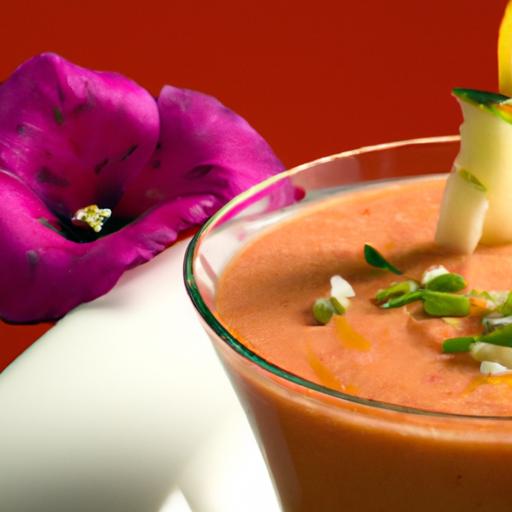
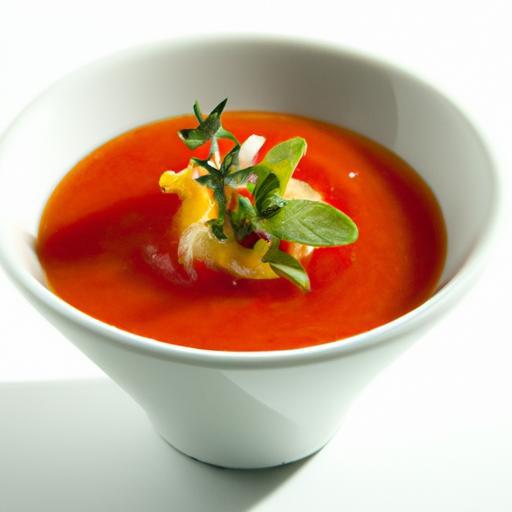
Serve chilled in chilled bowls or rustic terracotta cups for authentic charm. Garnish with finely diced cucumber, bell pepper, croutons, or a drizzle of extra-virgin olive oil. For a tapas-style presentation, accompany gazpacho with classic tapas recipes like Manchego cheese or Marcona almonds.
To impress guests, transform gazpacho into a shooter by blending it with a splash of gin or sherry, garnished with a skewer of olives or cherry tomatoes. this versatile dish invites creativity without losing its timeless soul.
| Nutrient | Per Serving (1 cup) |
|---|---|
| Calories | 90 |
| Protein | 2g |
| Carbohydrates | 12g |
| Fat | 5g |

For an authoritative deep dive into Andalusian cuisine and its history, visit Spain.info.
Q&A
Q&A: Gazpacho Unveiled – Spain’s Refreshing Tomato Elixir
Q1: What exactly is gazpacho?
A: Gazpacho is a chilled Spanish soup that’s as vibrant in flavor as it is indeed in color. At its heart lies ripe tomatoes blended with fresh vegetables like cucumbers, bell peppers, garlic, and onions, all accentuated with olive oil, vinegar, and a hint of salt. It’s a cool, tangy elixir designed to refresh and invigorate, especially during Spain’s sun-soaked summers.
Q2: Where does gazpacho originate from?
A: gazpacho hails from Andalusia,the sun-drenched southern region of Spain. Its roots reach back centuries, evolving from a humble Roman-era bread-and-garlic dish to the tomato-rich recipe that graces tables worldwide today. This elixir is deeply intertwined with Andalusian culture and cuisine, embodying the area’s rustic, vibrant spirit.
Q3: Why is gazpacho considered a “tomato elixir”?
A: gazpacho earns its title as a tomato elixir because it’s more than just a soup-it’s a potion of vitality. Tomatoes, the star ingredient, burst with antioxidants like lycopene, vitamins, and refreshing juiciness. Paired with vegetables and a splash of vinegar, gazpacho awakens the palate and cools the body, making it a natural antidote to heat and fatigue.
Q4: are there many variations of gazpacho?
A: Absolutely! While the classic red gazpacho is iconic, Spain boasts several delightful variations. Some areas prefer a green gazpacho, made primarily with green tomatoes, cucumbers, and herbs. There’s also Salmorejo, a thicker cousin richer in bread and olive oil. Modern chefs experiment boldly, adding fruits like watermelon or garnishing with seafood, turning gazpacho into an endless canvas of innovation.
Q5: How is gazpacho traditionally served?
A: tradition meets simplicity when gazpacho is served cold in bowls or tall glasses, often garnished with diced vegetables, hard-boiled eggs, or croutons for texture contrast. It pairs beautifully with crusty bread, Spanish ham, or a chilled glass of crisp white wine. It’s a dish meant to be savored leisurely, ideally on a warm afternoon under the Spanish sun.
Q6: Can gazpacho be made year-round, or is it just a summer dish?
A: While gazpacho shines brightest as a summer staple-cooling down those hot days-it’s versatile enough to enjoy year-round. With modern ingredients and refrigeration, anyone can summon its refreshing magic whenever they crave a burst of fresh, garden flavors.
Q7: What makes gazpacho so beloved worldwide?
A: Gazpacho’s global appeal lies in its perfect harmony of freshness, healthfulness, and ease. It’s vegan-amiable, nutrient-packed, and requires no cooking-just blending. In a world craving bright, simple tastes and wholesome ingredients, gazpacho stands out as an ancient recipe perfectly suited to modern palates and lifestyles.
Q8: Any tips for making the perfect gazpacho at home?
A: For a stellar gazpacho, choose the ripest, juiciest tomatoes you can find-flavor begins there. Don’t skimp on quality olive oil; it’s essential for richness. Balance acidity with a good vinegar-sherry vinegar is traditional. Blend to a smooth or slightly chunky texture based on preference, and chill the soup thoroughly. add garnishes fresh and crisp to awaken each bite.
Gazpacho isn’t just a dish-it’s a celebration of Spain’s sun, soil, and centuries of culinary artistry, bottled into a bowl of refreshing, ruby-red elixir.
to wrap It Up
As the sun-drenched fields of Spain continue to yield ripe, bursting tomatoes, gazpacho remains a timeless testament to the country’s culinary ingenuity-an elixir both simple and sublime. Weather savored as a cooling reprieve on a scorching afternoon or enjoyed as a vibrant introduction to a Mediterranean meal, this refreshing tomato soup invites us to taste not just a dish, but a slice of Spanish heritage. So next time you raise a chilled bowl of gazpacho, remember you’re sipping on centuries of tradition, sunshine, and a little bit of magic from the heart of Spain.