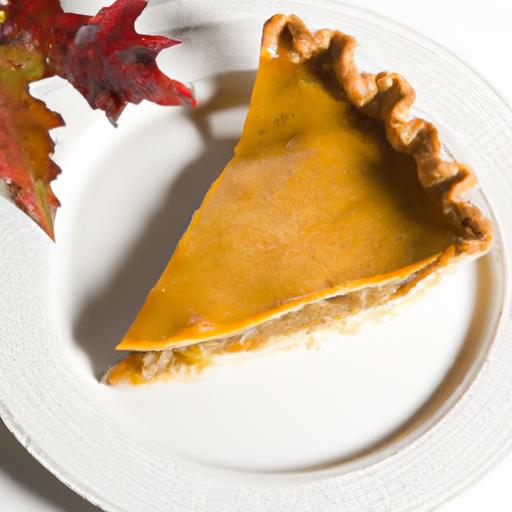

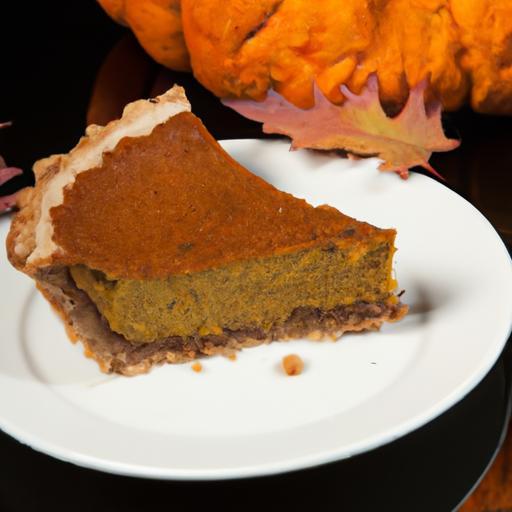
There’s something undeniably enchanting about a slice of pumpkin pie-a rich, spiced tapestry of flavors that evokes cozy autumn afternoons and festive family gatherings. But beyond its buttery crust and velvety filling lies a story as layered and warm as the pie itself. From humble beginnings in early American kitchens to its revered status as a holiday staple, pumpkin pie carries with it centuries of history and cultural meaning. In this article, we’ll journey through time and taste to uncover the timeless charm of pumpkin pie, exploring the origins, evolution, and the flavorful secrets that have made it an enduring symbol of comfort and festivity.
The Timeless Charm of Pumpkin Pie: History and Flavor Unveiled
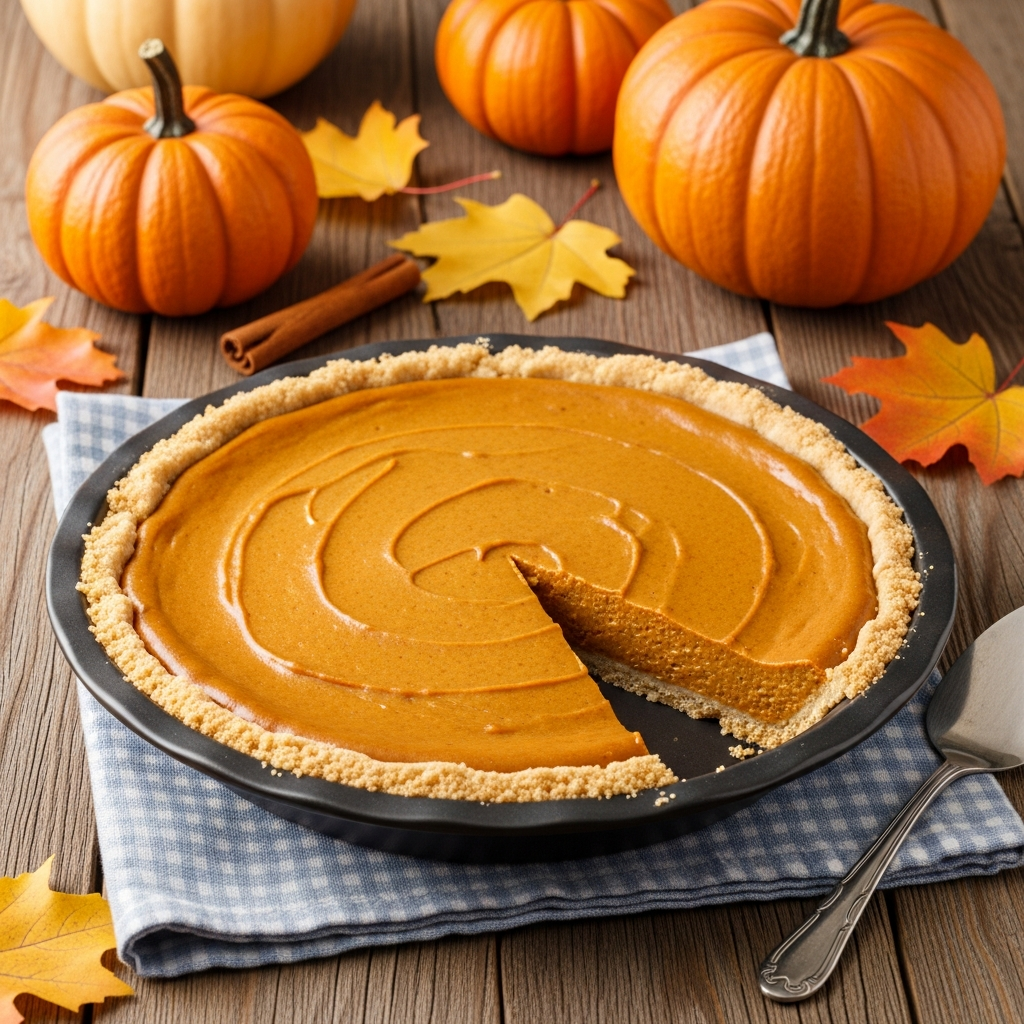
The timeless charm of pumpkin pie: history and flavor unveiled reveals a dish that’s as comforting as it is steeped in tradition. This quintessential dessert embodies the warmth of fall and the festive spirit of gatherings, serving a slice of Americana flavored with a richly aromatic blend of spices. From its humble origins rooted in Native American uses of pumpkin to evolving colonial tables, pumpkin pie draws us in with its velvety texture and perfectly balanced spices that tantalize every palate.
Prep and Cook Time
- Preparation: 20 minutes
- Cook Time: 55 minutes
- Total time: 1 hour 15 minutes
Yield
Serves 8 generous slices
Difficulty Level
medium – perfect for enthusiastic home bakers ready to master their pumpkin pie technique.
Ingredients
- 1 (15 oz) can pumpkin puree (not pumpkin pie filling)
- ¾ cup packed brown sugar
- ½ tsp salt
- 1 tsp ground cinnamon
- ½ tsp ground ginger
- ¼ tsp ground nutmeg
- ¼ tsp ground cloves
- 3 large eggs, beaten
- 1 (12 oz) can evaporated milk
- 1 unbaked 9-inch pie crust, chilled
Instructions
- Preheat your oven to 425°F (220°C). This high starting heat helps set the crust so it doesn’t become soggy during baking.
- Prepare the crust: Fit the chilled pie dough into a 9-inch pie plate, gently pressing it into place. Trim excess dough and crimp edges decoratively.Place it in the freezer while preparing the filling-this prevents shrinking.
- Mix dry spices and sugar: In a large bowl, combine the brown sugar, salt, cinnamon, ginger, nutmeg, and cloves. whisk these dry ingredients to ensure even spice distribution.
- Combine pumpkin and eggs: Add the pumpkin puree and beaten eggs to the spice mixture. Stir until smooth and fully incorporated.
- Slowly stir in evaporated milk: Add the evaporated milk gradually, folding gently to preserve the filling’s velvety consistency without creating bubbles.
- Pour the filling into the prepared crust. Wipe the edges clean to avoid burning.
- Bake at 425°F for 15 minutes. This initial burst of heat firms up the crust and starts setting the filling.
- Reduce oven temperature to 350°F (175°C), and continue baking for 40-50 minutes. Insert a thin knife near the center; when it comes out clean, the pie is done.
- Cool completely on a wire rack. pumpkin pie needs time to set before slicing, so resist the urge to cut it too soon.
- Serve with your favorite whipped cream or a light dusting of cinnamon.
Tips for Success
- Use pure pumpkin puree, not pumpkin pie filling, to control sweetness and spice levels.
- Chilling the pie crust before baking minimizes shrinkage and improves flakiness.
- If your crust browns too quickly, cover edges with foil halfway through baking.
- For a richer flavor, swap part of the evaporated milk for heavy cream.
- Make ahead: Bake the pie a day in advance and refrigerate overnight for flavors to deepen.
Exploring the Rich Blend of Spices That Define Its Signature Taste
The unique allure of pumpkin pie lies in its inviting aroma, a fragrant layering of cinnamon’s warmth, the subtle heat of ginger, the mellow sweetness of nutmeg, and hints of aromatic clove. These spices have evolved from Indigenous North American herbs and colonial imports, crafting a profile that is both nostalgic and versatile. adjust these spices gently to suit your taste or try adding a whisper of cardamom or allspice for a regional twist that’s sure to intrigue your guests.
Serving Suggestions
Present your homemade pumpkin pie with a swirl of lightly sweetened whipped cream and a sprinkle of freshly grated nutmeg or cinnamon. For a festive touch, garnish with toasted pecans or a drizzle of spiced caramel sauce. Pair slices with a scoop of vanilla bean ice cream or a dollop of mascarpone for creamy contrast. This pie shines best as the grand finale of a fall feast, evoking memories and inviting cozy conversation.
Pairing Pumpkin Pie with Drinks and Desserts for an unforgettable Feast
Complement pumpkin pie with robust drinks like hot spiced apple cider, pumpkin lattes, or a glass of late harvest Riesling whose honeyed acidity balances the pie’s richness. For adult guests, try serving with bourbon-spiked whipped cream or a cinnamon-infused Old Fashioned cocktail, highlighting the spice accent beautifully. As for desserts, simple vanilla panna cotta or gingerbread cookies make great companions without overshadowing the pie’s signature profile.
| Nutrient | Per Serving (1 slice) |
|---|---|
| Calories | 320 kcal |
| Protein | 5 g |
| Carbohydrates | 45 g |
| Fat | 12 g |
Discover more about American pies |
Learn about pumpkin pie history at History.com
Q&A
Q&A: The Timeless Charm of Pumpkin Pie – History and Flavor Unveiled
Q1: What makes pumpkin pie such a beloved classic in American cuisine?
A1: Pumpkin pie is more than just dessert; it’s a symbol of harvest, family, and tradition. Its warm spices and creamy filling evoke memories of cozy autumn gatherings, making it an enduring favorite. The combination of sweet pumpkin, fragrant cinnamon, nutmeg, and cloves creates a comforting flavor that resonates across generations.
Q2: Where did pumpkin pie originate, and how did it become a Thanksgiving staple?
A2: Pumpkin pie traces its roots to early American settlers who adapted indigenous recipes using local pumpkins and available spices. By the 17th century, it had become a popular dish in colonial America. Over time, especially by the 19th century, pumpkin pie became synonymous with Thanksgiving, symbolizing gratitude and the bounty of the harvest season.
Q3: How has the recipe for pumpkin pie evolved through history?
A3: Originally, pumpkin was cooked and mashed, then combined with honey and spices inside a pie crust. Early versions used straightforward ingredients, but as trade expanded, spices like cinnamon, ginger, and cloves enriched the pie’s complexity. The introduction of canned pumpkin in the 20th century simplified preparation,making the pie accessible year-round.
Q4: what is the secret behind the perfect pumpkin pie flavor?
A4: The secret lies in balance and quality. Using pure pumpkin (not pumpkin pie filling), fresh spices, and rich dairy ensures depth and creaminess. The crust’s flakiness offers a crisp contrast, while the spices bring warmth without overpowering the pumpkin’s natural sweetness. Low and slow baking helps achieve the ideal texture.
Q5: are there regional variations of pumpkin pie?
A5: Absolutely! Some regions favor a custard-like pumpkin pie with a silky texture, while others incorporate molasses or maple syrup for added richness. In the South, you might find pumpkin pies infused with bourbon or pecan toppings. These variations celebrate local tastes while honoring the pie’s classic essence.
Q6: Why does pumpkin pie hold such emotional significance in many households?
A6: Beyond flavor,pumpkin pie serves as a culinary anchor to memories-holiday dinners,laughter-filled kitchens,and the warmth of shared stories. its presence on the table signals tradition, comfort, and a connection to roots that transcend time.
Q7: Can pumpkin pie be enjoyed outside the fall season?
A7: Certainly! While pumpkin pie shines brightest during autumn, its rich, spiced flavor can warm any time of year. Whether as a nostalgic treat or a creative dessert twist, its charm is timeless, inviting indulgence whenever the craving strikes.
Q8: Any tips for first-time pumpkin pie bakers?
A8: Start with fresh or pure canned pumpkin, don’t skimp on freshly ground spices, and pre-bake your crust for a crisp base. Keep an eye on baking times-overcooking can lead to cracks, underbaking results in a soggy center. Most importantly, infuse your baking with a spirit of patience and love; that’s the ingredient that truly makes pumpkin pie magical.
In Summary
As the warm aroma of cinnamon and nutmeg lingers in the air,pumpkin pie stands as more than just a seasonal treat-it is a delicious thread weaving together centuries of tradition,culture,and comfort. From its humble beginnings in early American households to its cherished place at holiday tables around the world, this golden-hued dessert continues to captivate taste buds and hearts alike. Whether enjoyed in a flaky crust or as a creamy custard, pumpkin pie invites us to savor not just its rich flavors but the stories and memories baked within each slice.In celebrating pumpkin pie, we honor a timeless culinary treasure that reminds us how food can connect past and present, season and soul.