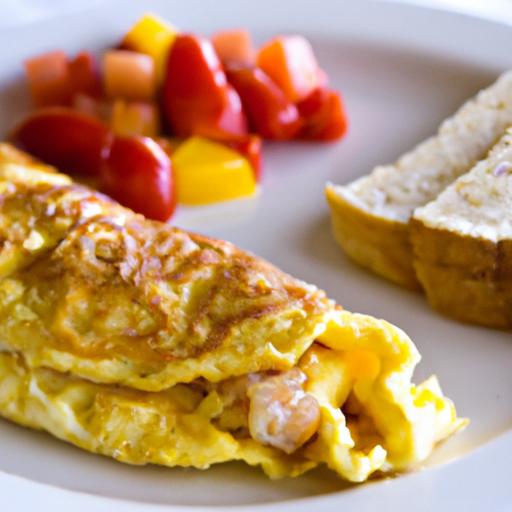
Unveiling the Burger King Cheeseburger: the essence of this iconic sandwich stems from its rich heritage as a symbol of speedy, tasty satisfaction. Rooted in the flame-grilled tradition that sets Burger King apart, this cheeseburger has captivated taste buds worldwide by delivering a perfectly balanced blend of smoky, savory flavors paired with classic American comfort. Whether you’re remembering your first bite or craving an approachable, crowd-pleasing feast, understanding what makes this burger shine elevates your gratitude and your kitchen skills.
Prep and Cook Time
- Preparation: 10 minutes
- Cooking: 8 minutes
- Total Time: 18 minutes
Yield
Serves 2 hearty cheeseburgers
Difficulty Level
Easy to Medium - perfect for home cooks looking to recreate the classic flame-grilled flavor with straightforward techniques.
Ingredients That Make the Burger king Cheeseburger Stand Out
- 1/2 lb ground beef (80/20 ratio) – ensures juicy, flavorful patties
- 2 sesame seed burger buns – lightly toasted for texture and aroma
- 2 slices American cheese – melts beautifully, adding creamy richness
- 1 tsp kosher salt and freshly cracked black pepper – enhances natural beef flavor
- 2 thin slices of red onion – provides crisp, tangy contrast
- 2 leafs of iceberg lettuce – refreshing crunch element
- 2 thin slices tomato - juicy and slightly sweet balance
- 3 tbsp dill pickle slices – signature tangy bite
- 1 tbsp yellow mustard and 1 tbsp ketchup – classic condiments that enhance the savory profile
- Butter (for toasting buns) – adds golden color and subtle richness
Taste and Texture breakdown for the Perfect Bite
the Burger King Cheeseburger’s magic lies in its harmony of textures and tastes. The flame-grilled beef patty delivers a smoky char that penetrates each bite, while the American cheese melts luxuriously, softening the palate. The toasted sesame seed bun gives a slight crunch with every bite, juxtaposed against the fresh crunch of lettuce and pickles. The radiant acidity of pickles and ketchup cuts through the richness, balancing the flavor profile. Meanwhile,the crisp onions add mild pungency and textural complexity. Together, these elements compose a familiar yet exciting layering that invites repeat enjoyment.
Instructions
- Shape the patties: Divide ground beef into two equal portions, gently forming 4-inch diameter patties about ½ inch thick. Avoid overworking to keep juiciness.
- Season generously: Sprinkle kosher salt and freshly cracked black pepper on both sides of each patty.
- Preheat your grill or cast-iron skillet: Medium-high heat is essential to replicate the signature flame-grilled effect.
- Cook patties: Place patties on the grill/skillet and cook for about 3-4 minutes per side. Avoid pressing down to retain juices.
- Melt the cheese: During the last minute of cooking, place a slice of American cheese on each patty and close the lid or cover pan to melt thoroughly.
- Toast the buns: Butter the cut sides lightly, then toast on grill or pan until golden brown, about 1-2 minutes.
- Assemble: Spread mustard on the bottom bun, layer with lettuce, the hot cheeseburger patty, tomato slices, onions ,pickles, and ketchup. Cap with the top bun.
- Serve immediately: Enjoy warm for the best texture and flavor.
Tips for Success
- Use fresh ground beef with a balanced fat content (80/20) to ensure juiciness without excess grease.
- Let patties rest for a few minutes after cooking to redistribute juices for a succulent bite.
- For an authentic flame-grilled taste, try a charcoal grill or use a grill pan with ridges to mimic the sear marks.
- Adjust condiments and fresh toppings to personal preference, but keep the classic balance of tang, sweetness, and crunch.
- Make-ahead: Shape the patties and keep refrigerated for up to 24 hours before cooking to save time.
Serving Suggestions
Plate your homemade Burger King cheeseburger with a side of crispy golden French fries or a refreshing coleslaw. Garnish with a pickle spear and serve chilled soda or a classic milkshake to create an authentic experience. For a pop of color, sprinkle chopped parsley or serve with a handful of crunchy onion rings. Wrap the burger in wax paper for casual parties or picnics to evoke that timeless fast-food nostalgia.

| Nutrient | Per Serving |
|---|---|
| Calories | 480 kcal |
| Protein | 28 g |
| Carbohydrates | 35 g |
| Fat | 25 g |
For further inspiration on burgers that perfectly balance tradition with innovation, don’t miss our article on homemade flame-grilled burgers. To understand more about the history and global impact of American cheeseburgers, visit History. com’s Fast Food Cheeseburger Article.
Q&A
Q&A: Unveiling the Burger King Cheeseburger – A Tasty Classic
Q1: What makes the burger King cheeseburger stand out from other fast-food cheeseburgers?
A1: The Burger King Cheeseburger shines with its signature flame-grilled patty, delivering a smoky, charred flavor that sets it apart. Unlike many competitors that use griddled patties, Burger King’s flame grilling adds a rich depth, giving each bite a memorable savory punch.
Q2: What are the key ingredients in the burger King Cheeseburger?
A2: At its core, the Burger King Cheeseburger features a juicy flame-grilled beef patty, a slice of melted American cheese, fresh pickles, crisp onions, ketchup, mustard, and a soft sesame seed bun. The combination is simple yet balanced, highlighting classic flavors without overwhelming the palate.
Q3: How has the Burger King Cheeseburger evolved over time?
A3: while the fundamental recipe has stayed consistent, Burger King has occasionally introduced variations such as adding bacon, upgrading cheese types, or offering different bun options. However, the original flame-grilled cheeseburger remains a nostalgic classic that continues to satisfy fans looking for that timeless taste.
Q4: Why do fans love the Burger King Cheeseburger?
A4: Fans appreciate the Burger King Cheeseburger for its straightforward, no-nonsense approach to a beloved staple. The juicy, flame-grilled flavor combined with fresh toppings creates a reliable and comforting experience, perfect for a quick snack or a satisfying meal.
Q5: Can the Burger King Cheeseburger be customized?
A5: Absolutely! Burger King encourages customization, allowing customers to add extra cheese, bacon, or even swap mustard for mayo. The flexibility to tailor the cheeseburger to individual tastes helps its enduring popularity.
Q6: How does the Burger King Cheeseburger fit into Burger King’s overall menu?
A6: The cheeseburger serves as a gateway classic, complementing Burger King’s more indulgent offerings like the Whopper. It’s an accessible, affordable option that appeals to those seeking a smaller, simpler burger without sacrificing the brand’s flame-grilled hallmark.
Q7: Where can you find the Burger King Cheeseburger?
A7: the Burger King Cheeseburger is widely available at most Burger King locations worldwide. It’s typically featured as part of the value menu or in combo meals, making it easy to grab on the go.
Q8: Is the burger King Cheeseburger a good choice for kids?
A8: Yes! Its smaller size, milder toppings, and classic flavors make it a kid-friendly option, frequently enough included in kids’ meals paired with fries and a drink.
Q9: How does the flame-grilling process impact the taste of the Burger King Cheeseburger?
A9: Flame-grilling sears the beef over an open flame, imparting a smoky charred flavor that can’t be replicated by flat-top cooking. This technique locks in juices while creating a deliciously crisp exterior-a hallmark of Burger King’s identity and a key reason for the cheeseburger’s crave-worthy taste.
Q10: what’s the best way to enjoy a Burger King Cheeseburger?
A10: For the ultimate experience, enjoy it fresh off the grill while the cheese is perfectly melted, paired with crispy fries and your favorite dipping sauce. add a cold drink, and you’ve got a classic combo that satisfies nostalgia and hunger alike.
Delving into the Burger King Cheeseburger reveals more than just a simple sandwich-it’s a flavorful homage to fast-food tradition, celebrated for its unmistakable flame-grilled taste and timeless appeal. Whether you’re a longtime fan or new to Burger King’s lineup, this cheeseburger remains a tastily dependable classic.
To Wrap It Up
as we’ve unraveled the savory layers of the Burger King cheeseburger, it’s clear that this classic isn’t just a quick bite-it’s a timeless blend of flame-grilled goodness and simple, satisfying flavors. Whether you’re a longtime fan or a curious newcomer, the cheeseburger stands as a flavorful testament to Burger king’s commitment to quality and tradition. So next time hunger calls, you know there’s a tasty classic waiting to be unwrapped-ready to deliver that perfect balance of taste and nostalgia in every bite.
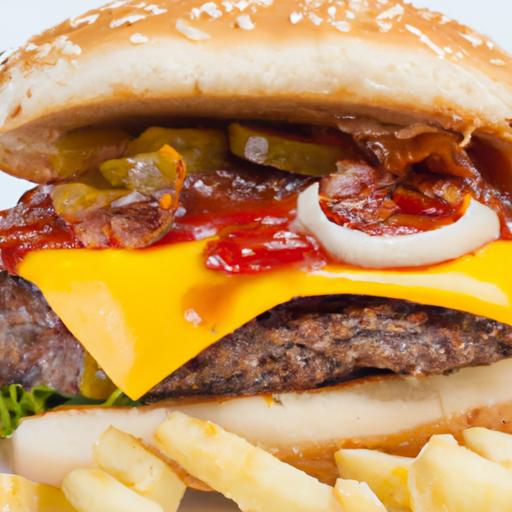
Inside the Omelet: unveiling fresh, locally sourced ingredients transforms a simple morning dish into a celebration of nature’s bounty. By tracing the journey of eggs from farm to table, layering in the richness of creamy dairy, and enhancing with handpicked herbs and aromatic spices, this recipe brings the classic omelet to life in a wholly inspiring way. Embark on a flavorful adventure that honors tradition while placing vibrant, wholesome produce front and center.
Prep and Cook Time
- Preparation: 10 minutes
- Cooking: 7 minutes
- Total time: 17 minutes
Yield
Serves 2 generous portions
Difficulty Level
Easy to Medium – perfect for home cooks eager to elevate breakfast with fresh, local flavors
Ingredients
- 4 large free-range eggs, preferably from a trusted local farm
- 1/4 cup whole milk or fresh cream for richness
- 2 tablespoons unsalted butter, grass-fed if available
- 1/2 cup shredded aged cheddar cheese or your favorite local cheese
- 1 small shallot, finely minced
- 1/4 cup fresh herbs (chives, parsley, and tarragon), finely chopped
- 1 pinch smoked paprika for a subtle warmth
- Sea salt and freshly cracked black pepper, to taste
- Optional: Cherry tomatoes and baby spinach leaves for garnish
Instructions
- Crack the eggs into a bowl and whisk briskly with the whole milk until the mixture is smooth and pale, incorporating air for fluffy texture.
- Melt the butter in a non-stick skillet over medium heat, swirling to coat evenly. Add the minced shallot and sauté until translucent, about 2 minutes.
- Pour the egg mixture into the skillet, tilting to spread evenly. Allow it to cook undisturbed for about 2 minutes until the edges begin to set but the center remains slightly runny.
- Sprinkle the cheese evenly over one half of the omelet, then scatter the chopped fresh herbs and dust lightly with smoked paprika, salt, and pepper.
- Using a silicone spatula, gently lift one edge and fold the omelet in half, encasing the cheese and herbs like a savory bundle of flavor.
- Cook for another 1-2 minutes until the cheese melts and the interior is creamy but not overdone. for extra fluffiness, cover the pan briefly to trap steam.
- Slide the omelet delicately onto a warmed plate, garnish with cherry tomatoes and baby spinach for vibrant color and fresh contrast.
tips for Success
- Select eggs from local farms that practice ethical, pasture-raised methods – it elevates both flavor and texture markedly.
- For creamier omelets, substituting whole milk with fresh cream intensifies richness.
- Don’t rush the folding; gentle handling preserves airiness and prevents tearing.
- Experiment with herbs seasonally: fresh basil in summer or a sprinkle of rosemary in autumn can provide exciting twists.
- Make ahead: pre-mince herbs and grate cheese the night before to streamline morning prep.
serving Suggestions
Present your omelet beside toasted artisan bread and a light green salad tossed with lemon vinaigrette. A dollop of sour cream or crème fraîche adds a pleasant tang. Drizzle high-quality olive oil and scatter microgreens over the top for an effortlessly elegant finish that entices the senses visually and gastronomically.
| Nutrient | Per Serving |
|---|---|
| Calories | 320 kcal |
| Protein | 22 g |
| Carbohydrates | 4 g |
| Fat | 25 g |
Discover more recipes featuring locally sourced ingredients and learn how mindful choices bring farm freshness to your table. For further insights into sustainable egg sourcing, visit the USDA’s egg quality guidelines.

Q&A
Q&A: Inside the Omelet – Unveiling the Origins of Key Ingredients
Q1: What makes an omelet such a beloved dish worldwide?
A1: The omelet’s magic lies in its simplicity and versatility. With just a few key ingredients-eggs, oil or butter, salt, and often some fillings-it transforms effortlessly into a canvas for endless culinary creativity. Its universal appeal comes from the fact that these ingredients are both accessible and rich in cultural history, making the omelet a global comfort food.
Q2: Let’s crack open the egg-where do eggs actually come from?
A2: Eggs, the cornerstone of any omelet, have been a part of human diets for thousands of years. Domestication of chickens began around 7,000-10,000 years ago in Southeast Asia. These birds gradually spread across continents, making eggs a reliable source of nutrition. The humble chicken egg, with its perfect balance of proteins and fats, has become essential, symbolizing nourishment and new beginnings.
Q3: What about the fat used to cook an omelet-why butter or oil?
A3: Butter and oils add flavor, texture, and help cook the eggs evenly without sticking. Butter, with its creamy richness, has roots tracing back to ancient pastoral societies in Europe and Asia. olive oil, often favored in Mediterranean cuisine, carries a fruity, peppery heritage traced to ancient Greece and Rome, where it was treasured not only for cooking but also for medicine and rituals. Each fat choice brings not only taste but a bit of history sizzling in the pan.
Q4: How did salt become an essential ingredient for the omelet?
A4: Salt is one of the oldest seasonings known to humanity. It enhances flavor by amplifying the natural taste of the eggs and other ingredients. Historically, salt was so valuable it was used as currency and preserved entire civilizations. Adding a pinch to an omelet is a nod to this ancient treasure that has connected people through trade and tradition.
Q5: Fillings add character to an omelet-where do common fillings come from?
A5: Fillings like cheese, vegetables, and meats each have their own fascinating origins. Cheese-making dates back over 7,000 years in the Fertile Crescent, making cheese one of the oldest human-crafted foods. Vegetables like tomatoes and peppers are native to the Americas and only traveled worldwide post-Columbus. Meats vary globally, frequently enough reflecting the local fauna and culinary customs. Each filling tells a story, turning a simple egg dish into a flavorful cultural amalgam.
Q6: What can we learn about culture and history by exploring the omelet’s ingredients?
A6: The omelet is a culinary tapestry woven from millennia of human ingenuity, migration, and adaptation. By examining its ingredients, we uncover ancient agricultural practices, trade routes, and cultural exchanges. It reminds us how interconnected our food heritage is-every bite of an omelet links us to a vast timeline of global history and traditions.
Q7: in what ways can knowing the origins of omelet ingredients enrich our eating experience?
A7: Understanding where each ingredient comes from deepens our thankfulness for the meal’s complexity and the effort behind it. It transforms eating from a routine act into a mindful celebration of heritage, nature, and human creativity. next time you flip an omelet, you’re not just cooking-you’re engaging in a dialog with history’s flavors.
Key Takeaways
As we close the lid on our exploration inside the omelet, it’s clear that this humble dish is far more than a simple breakfast staple. Each ingredient-farm-fresh eggs, vibrant vegetables, aromatic herbs, and savory cheeses-carries a story that spans continents, cultures, and centuries. By unveiling their origins, we not only deepen our appreciation for the flavors on our plate but also connect with the rich tapestry of history and nature that makes every bite a little more meaningful. So, next time you crack open an egg or sprinkle in your favorite filling, remember: you’re not just cooking-you’re participating in a flavorful legacy that’s been unfolding since the dawn of culinary creativity.