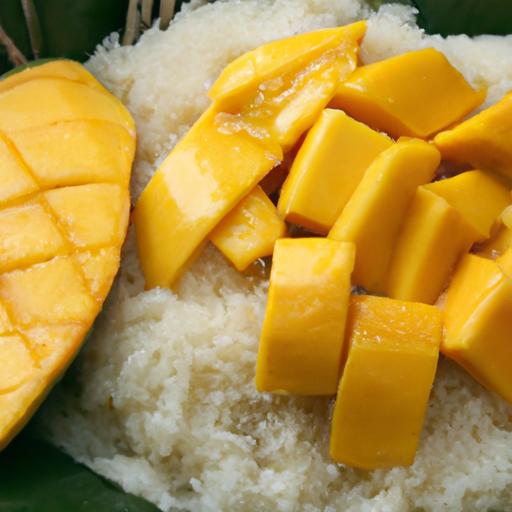
Mango sticky rice is an iconic Thai dessert that perfectly balances the creamy richness of coconut-infused sticky rice with the bright, luscious sweetness of ripe mangoes. This tropical treasure hails from Thailand’s bustling street markets and tranquil countryside alike, celebrated not only for its divine flavors but also for its deep-rooted cultural importance during harvest seasons and festive occasions.
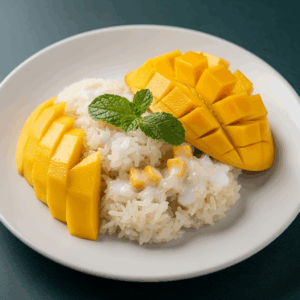
Origins and Cultural Significance of Mango Sticky Rice in Thailand
The tradition of enjoying mango sticky rice spans generations in Thailand, where sticky rice (known locally as khao niao) is a staple food for many northern and northeastern communities. Traditionally, this dish was served to celebrate the ripe mango harvest between April and June, a symbol of abundance and gratitude.
Its simplicity and harmony of textures resonate with Thai culinary ideology-balancing sweet, salty, and creamy elements in one bite. Beyond a dessert, mango sticky rice symbolizes family, joy, and communal sharing at festivals. It’s often offered at temples and enjoyed during Songkran (Thai New Year), underlying its cultural importance.
The Art of Crafting Perfect Sticky Rice for an Authentic Experience
Achieving the signature chewy yet tender texture of sticky rice is an art form in itself. Key to authentic mango sticky rice is the use of glutinous rice, which differs greatly from regular rice varieties in texture and consistency. The rice must be soaked for several hours beforehand-ideally overnight-to ensure it cooks evenly. Steaming the rice, rather than boiling, preserves the grains’ integrity, resulting in moist, sticky clumps that marry beautifully with coconut milk.
An essential step is gently folding in sweetened coconut cream after cooking, allowing the rice to absorb the luscious, velvety sauce without becoming soggy. This technique creates the perfect balance of richness and chewiness, elevating the dessert beyond simple steamed rice.
Selecting the Ripest Mangoes to Elevate Your Dessert Journey
Choosing the right mango is pivotal to the success of this beloved dessert. The perfect mango should emit a fragrant aroma, yield gently to pressure, and boast vibrant golden-orange flesh. The Keitt and Nam Dok Mai varieties are crowd favorites in Thailand for their smooth texture and natural sweetness.
To heighten your culinary journey, opt for mangoes that are just ripe but not overripe-avoid fruit that is too soft or fibrous to maintain a clean, luscious bite that contrasts with the sticky rice’s texture.
Pairing Mango Sticky Rice with Customary Thai Flavors and Modern Twists
While the classic mango sticky rice recipe is timeless, exploring pairings can enhance the experience further. Traditional toppings include toasted mung beans or crispy black sesame seeds, adding subtle crunch and nutty aroma. A drizzle of thick coconut cream on top rounds out the dessert’s creamy profile.
For modern twists, incorporate a sprinkle of flaky sea salt, a fragrant pinch of Pandan essence in the coconut sauce, or even a scoop of coconut ice cream alongside for a chilled contrast. Pairing with Thai iced tea or a refreshing lime-mint cooler adds a bright counterpoint to the richness of the dessert.
Prep and Cook Time
- Readiness: 8 hours (including soaking time)
- Cooking: 45 minutes
- Total: 8 hours 45 minutes
Yield
Serves 4 generous portions
Difficulty Level
Medium – Requires thoughtful timing and gentle cooking techniques
Ingredients
- 1 cup glutinous sticky rice (soaked overnight)
- 1 1/4 cups thick coconut milk
- 1/2 cup palm sugar (or light brown sugar)
- 1/4 teaspoon salt
- 2 ripe mangoes, peeled and sliced
- 2 tablespoons toasted mung beans (optional, for garnish)
- 1 tablespoon toasted black sesame seeds (optional garnish)
Instructions
- Drain the soaked sticky rice thoroughly and place it in a bamboo steamer or a fine mesh sieve lined with cheesecloth. Steam over simmering water for 30-40 minutes, turning the rice midway to ensure even cooking. The grains should appear translucent and sticky but intact.
- While the rice steams, in a saucepan, combine coconut milk, palm sugar, and salt over low heat. Stir gently until the sugar fully dissolves and the mixture is warm but not boiling. Remove from heat.
- Transfer the hot sticky rice to a large mixing bowl. Pour three-quarters of the coconut milk mixture over the rice and gently fold to combine. Cover and let the rice absorb the liquid for 20-30 minutes. Reserve the remaining coconut sauce for serving.
- Prepare the mangoes by slicing them into long, thin pieces that can be easily picked up with a fork or chopsticks.
- To serve, spoon the sticky rice onto a dessert plate, arrange mango slices artfully beside or over the rice, and drizzle with reserved coconut sauce.
- sprinkle toasted mung beans and black sesame seeds on top for crunch and aroma, if desired.
Chef’s Notes & Tips for Success
- For a truly authentic texture, never substitute glutinous rice with regular long-grain rice.
- If you don’t have a steamer, use a heatproof colander or sieve over a pot with boiling water, covering tightly with foil.
- Adjust sugar levels based on the mango variety’s sweetness. Less sweet mangoes may benefit from a touch more palm sugar.
- Make ahead: The sticky rice can be steamed and infused with coconut milk earlier in the day. Store covered at room temperature, and slice mangoes just before serving.
- Consider adding a few drops of natural Pandan extract to the coconut sauce for a subtle floral aroma.
Serving Suggestions
Present your mango sticky rice on a banana leaf or a vibrant ceramic plate to evoke Thai street-food charm. Garnish with fresh mint leaves or edible flowers for color contrast. Serve alongside a cup of Thai iced tea or jasmine tea to cleanse the palate between bites.
For casual enjoyment, wrap individual servings in banana leaves for an Instagram-worthy presentation reminiscent of Thai markets. Alternatively, adding a scoop of coconut sorbet pairs wonderfully on hot days.
| Nutritional Information (per serving) | Amount |
|---|---|
| Calories | 350 kcal |
| Protein | 4 g |
| Carbohydrates | 70 g |
| Fat | 6 g |
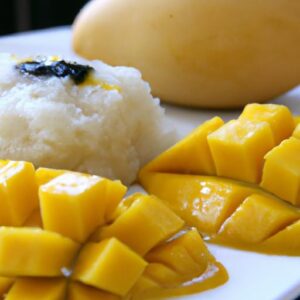
For those eager to explore more traditional Thai desserts, check out our collection of coconut-based delicacies. Expand your palate with in-depth food history and authentic recipes.
To understand more about the cultural heritage of Thai cuisine, the Tourism Authority of Thailand offers insightful articles and culinary guides.
Q&A
Q&A: Mango Sticky Rice – Thailand’s Sweet Tropical Treasure Unveiled
Q1: What exactly is Mango Sticky Rice?
A1: Mango Sticky Rice, or Khao Niew Mamuang in Thai, is a beloved traditional dessert that pairs luscious, ripe mangoes with creamy, sweetened sticky rice. It’s a celebration of texture and flavor-sticky, soft glutinous rice soaked in fragrant coconut milk and crowned with golden mango slices. This humble dish captures the heart of Thai tropical sweetness.
Q2: Where did Mango Sticky Rice originate?
A2: Rooted deeply in Thailand’s culture, Mango Sticky Rice has been savored for generations. It is especially popular during mango season, which spans from April to June, making it a seasonal delight. While this dessert is found throughout Southeast Asia, Thailand takes special pride in its distinctively rich coconut-infused rice and perfectly ripe mango accompaniment.
Q3: What makes the sticky rice so special?
A3: The magic lies in the rice itself-glutinous or sticky rice, which has a unique chewy texture unlike any other rice variety. It’s gently steamed, then mixed with warm coconut milk and a touch of palm sugar, creating a creamy, mildly sweet bed that’s both comforting and exotic. The rice’s stickiness is essential; it clings lovingly to each mango slice, creating that iconic bite.
Q4: Why is coconut milk used instead of regular milk?
A4: Coconut milk is a staple in Thai cooking, prized for its rich, silky texture and natural sweetness that complements tropical fruits perfectly. Unlike dairy milk, coconut milk adds a subtle nuttiness and depth that elevates the sticky rice, infusing it with an irresistible aroma and flavor that’s both exotic and comforting.
Q5: Are there any variations of Mango Sticky Rice?
A5: Absolutely! While the classic recipe reigns supreme, some chefs add a sprinkle of toasted mung beans or sesame seeds for crunch, drizzle extra coconut cream on top, or even serve the dessert with a side of coconut ice cream. Vegan-kind and sometimes gluten-free, Mango Sticky Rice embraces creativity while honoring tradition.
Q6: How should Mango Sticky Rice be enjoyed?
A6: Best savored fresh and slightly warm, Mango Sticky Rice is a sensory journey. The sweetness of the mango, the creaminess of the coconut rice, and the subtle saltiness from a pinch of salt-this blend awakens taste buds and transports you to the bustling markets and serene beaches of Thailand. It’s a perfect ending to any meal or a delightful tropical snack on its own.
Q7: Can I make Mango Sticky Rice at home?
A7: Yes, with the right ingredients and a bit of patience, you can recreate this tropical treasure in your own kitchen! Key tips include soaking the sticky rice overnight, using ripe but firm mangoes, and cooking the rice gently to achieve that signature texture. it’s a satisfying treat that rewards your efforts with the taste of Thailand’s summer sun.
Q8: What cultural significance does Mango Sticky Rice hold?
A8: Beyond being a flavorful dessert, Mango Sticky Rice represents Thailand’s agricultural bounty and culinary artistry. It’s a symbol of hospitality, celebration, and the harmonious blending of simple ingredients into something extraordinary. Sharing this dessert is a sweet way of sharing a piece of Thai heritage and warmth.
Deliciously simple yet profoundly rooted in tradition, Mango Sticky Rice is more than just a dessert-it’s Thailand’s sweet tropical treasure, inviting you to savor every bite of paradise.
To Wrap It Up
As the final grains of sticky rice dissolve alongside the luscious sweetness of ripe mango, we are reminded that Mango Sticky Rice is more than just a dessert-it’s a celebration of Thailand’s rich culture, tropical bounty, and culinary artistry. This humble dish, with its perfect balance of texture and flavor, invites us to savor not only its deliciousness but also the stories and traditions woven into every bite. Whether enjoyed on a bustling Bangkok street corner or recreated in a home kitchen far away, Mango Sticky Rice remains a timeless tropical treasure that continues to enchant and connect us to the vibrant heart of Thailand.
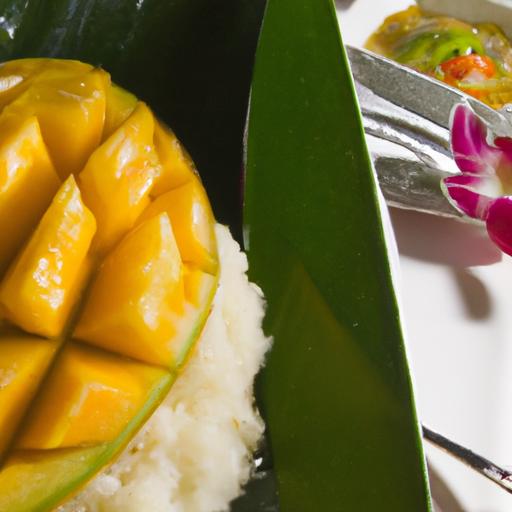
Savor the authentic taste of Thailand with Mango Sticky Rice, a beloved tropical dessert that beautifully combines fragrant sticky rice, luscious coconut milk, and sweet, juicy mango slices. This iconic treat is a perfect harmony of rich textures and vibrant flavors, capturing the essence of Thai heritage with every bite.
Mango sticky rice, a beloved Thai dessert, embodies a perfect harmony of tropical sweetness and luscious creaminess that has captivated palates worldwide. This iconic treat traces its roots back to Thailand’s fruitful mango seasons, where the simple combination of glutinous rice, ripe mango, and coconut milk echoes centuries-old culinary traditions. My first taste of this delicacy in a bustling Bangkok street market remains vivid-the sticky rice clinging tenderly to my fingers, the juicy mango melting softly, and the fragrant coconut aroma wrapping around me like a warm embrace. It’s a dish that’s as much about cultural heritage as it is about pure indulgence.
Prep and cook Time
- Preparation: 15 minutes
- Cooking: 40 minutes
- Total Time: 55 minutes
Yield
Serves 4 generous portions
Difficulty Level
Easy – Perfect for home cooks looking to master an authentic Thai dessert
Ingredients That Make mango Sticky Rice Irresistibly Creamy and Sweet
- 1 cup glutinous (sticky) rice, rinsed thoroughly
- 1 1/2 cups coconut milk (full fat for best richness)
- 1/2 cup granulated sugar
- 1/4 teaspoon salt
- 2 ripe mangoes, peeled and sliced
- 1 tablespoon toasted sesame seeds or mung beans (optional garnish)
- 1 teaspoon Pandan leaf extract (optional, for authentic aroma)
Step by Step Guide to Crafting Authentic Mango Sticky Rice at Home
- Soak the sticky rice: Rinse the glutinous rice under cold water until the water runs clear, then soak it for at least 4 hours or overnight for optimal softness.
- Steam the rice: Drain the soaked rice and steam it in a bamboo steamer lined with cheesecloth for about 25-30 minutes until tender and translucent. Avoid boiling to keep the texture perfect.
- Prepare the coconut sauce: while rice steams, combine coconut milk, sugar, salt, and Pandan extract in a saucepan over medium heat. Stir gently until the sugar dissolves, then remove from heat-do not boil.
- Mix rice with coconut sauce: Transfer the steamed sticky rice to a bowl, slowly pour about two-thirds of the warm coconut sauce over it, and gently fold to coat the rice evenly. Let it sit covered for 20 minutes to absorb the flavors.
- Assemble the dish: Place a generous scoop of the fragrant sticky rice on serving plates. Arrange the juicy mango slices alongside, then drizzle remaining coconut sauce over the top.
- Garnish and serve: Sprinkle toasted sesame seeds or mung beans to add a subtle crunch and nutty contrast. Enjoy immediately for the best sensory experience.
Chef’s Notes: Tips for Success
- Rice selection matters: Only use glutinous rice labeled sticky rice-other rice types won’t yield the classic texture.
- Soaking is essential: Don’t skip this step; it prevents dryness and ensures fluffy, sticky grains.
- Control sweetness: Adjust sugar in the coconut sauce depending on how ripe and sweet your mangoes are.
- Make ahead option: Prepare sticky rice and coconut sauce separately, then combine right before serving to keep the rice’s texture fresh.
- Option garnish: Try toasted coconut flakes or fresh mint for a twist on the traditional.
Serving suggestions
Present mango sticky rice on a rustic wooden plate or a brightly colored ceramic dish to echo its Thai origins. Garnish with fresh edible flowers, such as orchids, for a stunning display. Pair with a lightly brewed jasmine tea or a chilled Thai iced tea to complement the dessert’s tropical notes. For sensory delight, serve mango sticky rice slightly warm or at room temperature-never cold-to truly enhance its creamy aroma and flavor.
| Nutrient | Per Serving |
|---|---|
| Calories | 350 kcal |
| Protein | 3 g |
| Carbohydrates | 60 g |
| Fat | 8 g |

For additional insight into the cultural richness of traditional Thai desserts and their unique flavor profiles, explore our detailed article. To experience mango sticky rice’s authentic heritage firsthand, visit trusted sources like Tourism Thailand for guides and travel tips.
Q&A
Q&A: Mango Sticky Rice – Thailand’s Sweet Tropical Delight Unveiled
Q1: What is Mango Sticky Rice?
A: Mango Sticky Rice, or Khao Niew Mamuang in Thai, is a beloved traditional dessert from Thailand that perfectly marries the creamy, slightly salty sweetness of sticky rice with the luscious, fragrant juiciness of ripe mangoes. It’s a simple yet divine treat that captures the essence of tropical bliss in every bite.
Q2: How is Mango Sticky rice traditionally made?
A: The magic starts with glutinous sticky rice, soaked and steamed until tender and chewy. It’s then generously mixed with warm coconut milk, infused with a hint of salt and sugar to create that signature creamy texture and balanced flavor. Freshly sliced ripe mangoes crown the dish, and a drizzle of sweet coconut sauce or a sprinkle of toasted mung beans often adds an extra touch of contrast and crunch.
Q3: Why is sticky rice used rather of regular rice?
A: Sticky rice, also known as glutinous rice, has a unique texture-soft, sticky, and slightly chewy-that perfectly complements the smoothness of the mango and richness of coconut milk. its naturally mild flavor acts as a perfect canvas for the dessert’s sweet and savory layers, creating a harmonious mouthfeel that ordinary rice just can’t replicate.
Q4: When is Mango Sticky Rice typically enjoyed in Thai culture?
A: While delicious any time of year, Mango Sticky Rice is especially cherished during Thailand’s mango season, roughly from April to June. It’s a festive favorite during Songkran (Thai New Year), street markets, and family gatherings, symbolizing the sweetness of life and the bountiful gifts of the tropical climate.
Q5: Are there regional variations of Mango Sticky Rice in Thailand?
A: Absolutely! While the core ingredients remain consistent, variations abound. Some regions might use different mango varieties-like the fragrant Nam Dok Mai or the golden Keo Savoy-and some add unique toppings like crispy coconut flakes, black sticky rice, or even a scoop of coconut ice cream to elevate the tropical experience.
Q6: Can Mango Sticky Rice be made vegan or gluten-free?
A: Great news-Mango Sticky Rice is naturally gluten-free and vegan! Made from sticky rice, fresh mango, and coconut milk, it contains no animal products or gluten grains. It’s a perfect dessert for many dietary preferences without any need for modification, inviting everyone to savor Thailand’s tropical sweetness.
Q7: What makes Mango sticky Rice so internationally popular?
A: Beyond its irresistible texture and flavors, Mango Sticky Rice offers a sensory escape-a taste of sun-soaked orchards, warm breezes, and vibrant street life. Its simplicity belies a complex harmony of sweet, salty, creamy, and fruity notes that captivate global palates, making it a global ambassador of Thai culinary artistry.
Q8: Any tips for making perfect Mango Sticky Rice at home?
A: Patience is key-soak the sticky rice for several hours or overnight to ensure even steaming and the right chewiness. Use ripe, aromatic mangoes and fresh coconut milk for authentic richness. And don’t forget the pinch of salt in the coconut sauce to balance sweetness beautifully. Serve warm or at room temperature, and enjoy the tropical symphony in every spoonful!
Dive into Mango Sticky Rice, and you’re not just tasting a dessert-you’re savoring a sweet story of Thailand’s culture, climate, and culinary soul.
The Conclusion
As the sun sets over Thailand’s bustling markets and tranquil shores, the irresistible allure of mango sticky rice endures-inviting food lovers to savor a harmony of creamy coconut, fragrant jasmine rice, and luscious tropical mango. More than just a dessert, this iconic dish is a sweet testament to Thai culture’s artistry and balance. Whether enjoyed on a street corner or at a festive festivity, mango sticky rice offers a delicious journey into Thailand’s heart, where tradition and flavor unite in every bite. So next time you crave a taste of the tropics, remember this golden treasure waiting patiently to delight your palate.
Origins and Cultural Significance of Mango Sticky rice in Thai Traditions
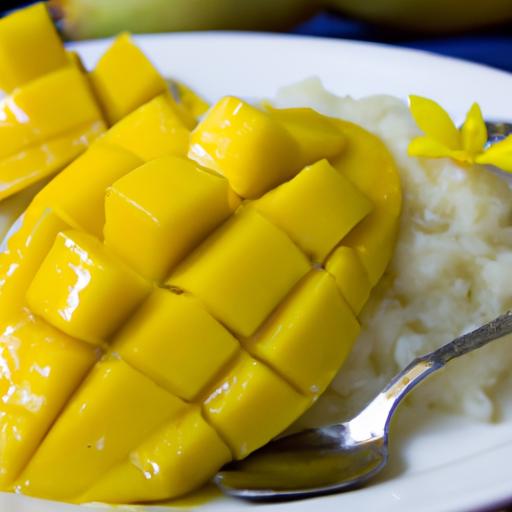
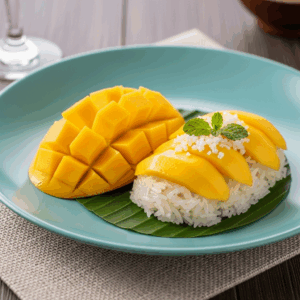
Mango sticky rice stands as an iconic symbol of Thailand’s rich culinary heritage and vibrant tropical bounty. This beloved dessert has roots deeply intertwined with Thai agrarian culture, celebrating the peak of the mango harvest season. Its story dates back centuries, where the harmonious blend of glutinous rice soaked in creamy coconut milk paired with sweet, ripe mangoes became a festive treat savored during Loy Krathong and Songkran festivals. More than just a dessert, mango sticky rice represents the perfect balance of sweet, salty, and creamy textures, embodying the Thai ideology of harmony in flavors that delight the senses.
Personally, my first encounter with mango sticky rice was at a bustling Bangkok market stall, where the air was fragrant with jasmine and freshly steamed coconut rice. The vibrant golden mango slices glistening next too the glutinous pearls created a sensory experience I’d never forget-each bite evoking sunshine, tradition, and warmth.
Perfecting the Recipe: Crafting Authentic Mango Sticky Rice at Home
Mastering mango sticky rice at home is a rewarding journey. The magic lies in the precision of steaming sticky rice and infusing it with the perfect amount of coconut milk, sugar, and a pinch of salt. Authenticity starts with understanding each step’s role: sticky rice must be soaked overnight to achieve that ideal chewy texture. Coconut milk must be simmered gently with palm sugar to unlock its silkiness, allowing it to permeate every grain. perfectly ripened mangoes offer their natural sweetness to balance the subtle saltiness curling through the coconut rice.
Prep and Cook Time
- Planning: 12 hours (includes soaking time)
- Active Cooking: 40 minutes
- Total Time: 12 hours 40 minutes
Yield
Serves 4 generous portions
Difficulty Level
Medium - requires patience for soaking and careful cooking for texture perfection
Ingredients
- 1 cup Thai glutinous (sticky) rice
- 1 1/2 cups canned coconut milk (full fat)
- 1/3 cup palm sugar (or brown sugar as substitute)
- 1/4 tsp fine sea salt
- 2 ripe mangoes (preferably Nam Dok Mai or Keo Savoy varieties)
- 1 tbsp toasted mung beans or sesame seeds (optional garnish)
instructions
- Rinse and soak rice: Thoroughly rinse the sticky rice under cold water until water runs clear. Soak it in fresh water overnight (at least 8-12 hours) for the best texture.
- Steam the rice: Drain the soaked rice. Place it in a bamboo steamer lined with cheesecloth or a clean kitchen towel. Steam over boiling water for about 25-30 minutes, flipping the rice halfway for even cooking.
- Prepare the coconut sauce: while rice is steaming, combine coconut milk, palm sugar, and salt in a saucepan. Warm gently over medium-low heat, stirring until sugar dissolves wholly. Do not boil.
- Mix rice with coconut milk: Once steaming is complete, transfer sticky rice to a large bowl. Gradually pour 1 cup of the warm coconut sauce over the rice and gently fold to combine. Cover and let it rest for 15-20 minutes, allowing the rice to absorb the flavors and become creamy.
- Slice the mangoes: Peel and cut mangoes into thin, fan-like slices or cubes to showcase their vibrant orange color and juicy texture.
- Plate and garnish: Serve the creamy sticky rice topped with luscious mango slices. Drizzle with remaining coconut sauce. Garnish with toasted mung beans or sesame seeds for a delightful crunch and added authenticity.
Chef’s Notes: Tips for Success
- Rice selection: Use Thai sticky rice specifically labeled “glutinous rice” for the best texture. Avoid substituting with regular long grain rice.
- Mango ripeness: The mangoes must be perfectly ripe – soft to the touch but not mushy – to ensure natural sweetness and vibrant flavor.
- Cooking coconut sauce: Be gentle when heating coconut milk; boiling can cause it to separate or curdle.
- Make-ahead tip: Sticky rice can be steamed and soaked in coconut sauce several hours in advance; cover tightly to keep moist and warm.
- Vegan and gluten-free: This recipe is naturally vegan and gluten-free, making it an inclusive dessert option.
Serving Suggestions and Creative Twists to Elevate This Classic Dessert
Traditionally, mango sticky rice is served simply-letting the sweet mango and fragrant coconut rice shine. However, creative variations can bring new life to this tropical classic:
- Add a sprinkle of toasted coconut flakes for added texture and rich aroma.
- Swap mung beans with crunchy roasted almonds or pistachios for a unique twist.
- Serve in hollowed-out coconut shells or small ceramic bowls for authentic presentation.
- For a modern touch, layer sticky rice and mango in mini parfait glasses with a hint of lime zest.
- Drizzle a little warm coconut caramel sauce over the top for an extra indulgent treat.
Pair this dessert with a refreshing Thai iced tea or jasmine green tea to complement the sweetness and cleanse the palate.
| Nutritional Info (per serving) | Amount |
|---|---|
| Calories | 320 |
| Protein | 3 g |
| Carbohydrates | 60 g |
| Fat | 6 g |

To dive deeper into other authentic Thai desserts and cooking techniques, check out our Complete Guide to Thai Sweets.
For customary background on Thai ingredients and culinary culture, visit Tourism Authority of Thailand.
Q&A
Q&A: Mango Sticky Rice - Thailand’s Sweet Tropical Delight Uncovered
Q1: What exactly is Mango Sticky Rice?
A1: Mango Sticky Rice, or Khao Niew Mamuang in Thai, is a beloved traditional dessert that perfectly marries the creamy, chewy texture of glutinous (sticky) rice with the luscious sweetness of ripe mangoes. It’s drizzled with rich coconut milk, creating a harmonious dance of flavors and textures that captures the essence of Thailand’s tropical bounty.
Q2: How did Mango Sticky Rice become such a popular dessert in Thailand?
A2: Mango Sticky Rice has roots deeply embedded in Thai culture, particularly as a seasonal treat during mango harvest times. The combination of locally grown sweet mangoes and sticky rice-a staple in Thai cooking-naturally evolved into a succulent dessert. Over time, street vendors and home cooks alike perfected the recipe, turning it into a national treasure celebrated year-round.
Q3: What kind of rice is used, and why is it special?
A3: The star is glutinous rice, sometimes called sticky rice or sweet rice, which has a unique sticky and chewy texture when cooked. This isn’t just any rice-it’s specially harvested and soaked before steaming to achieve that perfect softness and sticky consistency, making it ideal to soak up the fragrant coconut milk syrup.
Q4: Can any mango be used?
A4: While many mango varieties exist, the dessert traditionally features the Nam Dok Mai mango, prized for its golden skin, juicy sweetness, and fragrant aroma. Its tender flesh complements the subtle flavors of the coconut and sticky rice beautifully. However, in places outside Thailand, other sweet mangoes like Ataulfo may be used as a tasty substitute.
Q5: What role does coconut milk play in this dessert?
A5: Coconut milk isn’t just an ingredient-it’s the soul of Mango Sticky Rice. Gently simmered with sugar and a pinch of salt, it’s poured generously over the sticky rice, infusing it with creamy richness and a hint of savory depth that balances the sweetness of the mango. Sometimes toasted mung beans add a delightful crunch on top.
Q6: Is Mango Sticky Rice served hot or cold?
A6: Traditionally, the sticky rice is served warm or at room temperature, while the mango is cool and refreshing. this contrast elevates the eating experience, with warm, coconut-infused rice melting in your mouth alongside the crisp, chilled mango slices-a tropical symphony for your palate.
Q7: are there any modern twists to Mango Sticky Rice?
A7: Absolutely! Chefs and home cooks love experimenting-adding flavors like Pandan, substituting black sticky rice for a nutty variation, or topping the dish with coconut ice cream or toasted coconut flakes. Some even drizzle chocolate or sprinkle sesame seeds for an unexpected fusion without losing the dish’s authentic charm.
Q8: How can I enjoy Mango Sticky Rice outside of Thailand?
A8: Thanks to global markets and the diaspora of Thai cuisine, Mango Sticky Rice is now enjoyed worldwide. You can find it in Thai restaurants, food festivals, or make it at home with a little patience and authentic ingredients. The key is ripe mangoes, glutinous rice, and fresh coconut milk-ingredients that bring a slice of Thailand’s tropical paradise right to your table.
Q9: Why does Mango Sticky Rice hold such cultural significance in Thailand?
A9: Beyond its deliciousness, Mango Sticky Rice embodies Thai values of harmony and balance-sweet and savory, cold and warm, simplicity and indulgence. It’s also a seasonal symbol of abundance and celebration, often enjoyed during festivals and family gatherings, making it more than just a dessert-it’s a taste of Thai tradition and happiness.
Ready to savor Thailand’s sweet tropical delight? grab some sticky rice and mangoes, and let your kitchen transport you to sun-kissed Thai orchards where every bite tells a story.
Closing Remarks
As the last grains of glistening sticky rice dissolve into the sweet embrace of ripe mango, one thing becomes clear: Mango sticky Rice is more than just a dessert-it’s a vibrant celebration of Thailand’s rich culture, heritage, and tropical abundance. This humble yet heavenly dish invites you to savor not only its luscious flavors but also the stories and traditions woven into every bite. So, next time you crave a sweet escape, let Mango Sticky Rice transport you to Thailand’s sun-kissed shores, where every spoonful is a delicious journey into the heart of a truly enchanting tropical delight.