Unlocking the secrets of Classic Chinese Takeout Sesame Chicken invites you to dive into a dish that has become synonymous with comforting evenings and the unmistakable aroma of Chinese-American cuisine. Originating from mid-20th century Chinese-American culinary innovation, this beloved recipe marries crispy fried chicken pieces with a glossy, sweet-savory sesame sauce that dances on the palate.Unlike its traditional Chinese counterparts,sesame chicken evolved in North America to suit local preferences,combining rich textures and harmonious layers of flavor that have as captivated millions.
Prep and Cook Time
- Planning: 20 minutes
- Cooking: 15 minutes
- Total: 35 minutes
Yield
Serves 4 generously with steamed rice or noodles
Difficulty Level
Medium – Ideal for home cooks eager to master frying and balancing complex sauces
Essential Ingredients and Techniques for Authentic Sesame Chicken
- 1 ½ lbs boneless, skinless chicken thighs, cut into bite-sized chunks (thighs stay juicy)
- ½ cup cornstarch for a light, crispy coating
- ½ cup all-purpose flour, sifted
- 1 large egg, beaten for binding
- 2 tablespoons toasted sesame oil, for nutty fragrance
- ¼ cup soy sauce (preferably light soy for balance)
- 3 tablespoons rice vinegar for subtle acidity
- ¼ cup hoisin sauce, adding earthy sweetness
- ⅓ cup granulated sugar to achieve classic caramelized notes
- ½ cup chicken broth or water
- 2 teaspoons freshly grated ginger for warmth
- 2 cloves garlic, minced for aromatic depth
- 2 tablespoons sesame seeds, toasted to garnish
- Chopped scallions for fresh contrast
- Vegetable oil (for frying) – enough for deep frying (~3 cups)
Decoding the Flavor Profile Unique to Classic sesame Chicken
The magic of classic sesame chicken lies in the interplay between sweet, savory, and mildly tangy notes, brought alive by umami-rich soy, warm ginger, and the sweetness of sugar balanced by rice vinegar’s brightness. Toasted sesame oil and seeds impart a distinct nutty aroma,while the crisp chicken contrast with the slightly sticky glaze creates an irresistible mouthfeel. Each element works harmoniously, crafting a flavor profile that’s both familiar and exciting.
Instructions
- Prepare the chicken: Pat dry the chicken pieces to ensure a crisp crust. in a medium bowl, whisk the beaten egg with a splash of water.
- Make the coating: Combine cornstarch and all-purpose flour in a shallow dish. Dredge each piece of chicken first in the egg wash, then toss thoroughly in the dry mixture until coated evenly. Shake off excess.
- Heat the oil: Fill a deep skillet or wok with vegetable oil to about 2 inches deep. heat to 350°F (175°C) using a thermometer for precision.
- Fry the chicken: working in batches,fry chicken until golden brown and crisp,about 4-5 minutes per batch. Avoid overcrowding to maintain temperature. Transfer to a paper towel-lined tray to drain excess oil.
- Prepare the sauce: In a saucepan over medium heat, warm sesame oil. Sauté ginger and garlic until fragrant, about 30 seconds. Add soy sauce, rice vinegar, hoisin sauce, sugar, and chicken broth. Stir continuously until sugar dissolves and the sauce begins to gently bubble.
- Thicken the sauce: Mix 1 tablespoon cornstarch with 2 tablespoons cold water to create a slurry. Slowly pour into the sauce while stirring. Cook until thickened to a glossy consistency, about 2 minutes.
- Toss chicken in sauce: Add fried chicken to the pan, tossing gently to coat each piece evenly without breaking the crust.
- Finish and garnish: Sprinkle toasted sesame seeds and chopped scallions over the chicken before serving.
Tips and Tricks to Perfecting Sesame chicken at Home
- Chicken choice: Use thighs instead of breasts to achieve juicy, tender bites. Chicken breasts tend to dry out during frying.
- Oil temperature matters: A consistent 350°F is key for a crisp exterior. Use a thermometer and adjust heat to keep it steady.
- Coating balance: Keep the flour-to-cornstarch ratio to ensure the crust is light yet sturdy enough to hold the sauce.
- Sauce texture: The slurry must be added gradually to prevent lumps, and the sauce should be thick but pourable.
- Make ahead: Chicken can be fried and kept warm on a rack in a low oven (200°F) while the sauce is prepared.
- Option garnishes: Toasted chopped almonds or crushed red pepper flakes can add delightful texture and heat.
Serving Suggestions
Plate the sesame chicken over a bed of steamed jasmine rice or fried rice to soak up the luscious sauce. Pair with sautéed bok choy or steamed broccoli for a fresh, vibrant contrast. A side of pickled cucumbers or a crisp Asian slaw brightens the palate. Finish with a wedge of lime to add an optional zesty twist and elevate the dish’s vibrancy.

| Nutritional Data | Per Serving |
|---|---|
| Calories | 520 kcal |
| Protein | 35 g |
| Carbohydrates | 45 g |
| Fat | 18 g |
For those intrigued by other classic Chinese-American dishes, explore our related post on Perfecting General Tso’s Chicken at Home. Enhance your culinary repertoire and keep the flavors authentic yet approachable.
further insights into Chinese-American cuisine history and ingredient origins can be found at Smithsonian Magazine, a trusted resource for food culture exploration.
Q&A
Q&A: Unlocking the Secrets of classic Chinese Takeout Sesame Chicken
Q1: What makes classic Chinese takeout sesame chicken so irresistibly delicious?
A1: It’s all about the perfect harmony of crispy, tender chicken enveloped in a glossy, sweet-savory sauce, topped with toasty sesame seeds. The magic lies in the balance-a light, crunchy coating that doesn’t overshadow the juicy meat, paired with a sauce that dances between caramelized sugar and umami-rich soy, finished with that signature nutty crunch.
Q2: How do restaurants achieve that perfectly crispy texture without it getting soggy?
A2: The secret is in the batter and frying technique. Most takeouts use a light coating of cornstarch or a cornstarch-flour blend, sometimes even double-dipping the chicken pieces for extra crunch. The chicken is then fried twice-first at a lower temperature to cook through, then hotter to get a golden, crisp shell. This two-step frying locks in moisture while ensuring crispiness that holds up under the sauce.
Q3: What are the main ingredients in the classic sesame sauce?
A3: The sauce typically combines soy sauce, sugar or honey, rice vinegar for a mild tang, garlic, and a hint of ginger. Toasted sesame oil and roasted sesame seeds are essential for depth and that unmistakable nutty aroma. Some recipes add a splash of hoisin sauce for complexity or a touch of chili for subtle warmth.
Q4: Can homemade sesame chicken taste as authentic as takeout?
A4: Absolutely! With fresh ingredients and a keen eye on technique, homemade sesame chicken can rival-or even surpass-takeout. The key is timing: prepare the sauce quickly to keep it glossy, fry the chicken in small batches for even crisping, and toast your sesame seeds fresh for the richest flavor.
Q5: Is there a healthier twist to classic sesame chicken without losing its signature taste?
A5: Yes! Swap deep frying for oven-baking or air-frying to cut down on oil. Use a light, crispy coating like panko mixed with crushed sesame seeds to maintain crunch.For the sauce,try reducing sugar or substituting with natural sweeteners like maple syrup or agave,and incorporate fresh ginger and garlic to enhance flavor without extra calories.
Q6: Why do sesame seeds play such an vital role on top?
A6: Sesame seeds are more then just garnish-they add a pleasant crunch and a toasted, nutty note that complements the sweet-savory sauce. Plus, their aroma acts as a sensory primer, making each bite more flavorful and memorable.
Q7: Can sesame chicken be customized to suit different tastes or dietary needs?
A7: Definitely! For spice lovers, toss in crushed red pepper flakes or a dash of chili oil. Vegetarians can use crispy tofu or cauliflower rather of chicken, maintaining that irresistible texture. Gluten-free versions are simple too-just substitute soy sauce with tamari and ensure the coating uses gluten-free starches.
Q8: What’s the best way to serve sesame chicken to replicate that classic takeout experience at home?
A8: serve it piping hot over steamed jasmine rice with a side of steamed broccoli or snap peas. Don’t forget the extra sprinkle of toasted sesame seeds and chopped green onions for freshness. Pair it with classic sides like egg rolls or hot and sour soup to complete the nostalgic feast.
Unlocking the secrets of sesame chicken reveals a beautiful blend of culinary craft and simple ingredient magic-a dish that’s both comforting and exciting, capturing the heart of Chinese takeout culture one crunchy, saucy bite at a time.
final Thoughts
As we close the lid on this flavorful journey into the heart of classic Chinese takeout sesame chicken, it’s clear that this beloved dish is more than just a sweet, sticky delight-it’s a harmonious blend of tradition, technique, and taste. From the careful balance of savory marinade to the perfect golden crispiness and that signature glossy sesame glaze, every bite tells a story rooted in culinary craftsmanship. So next time you unwrap that familiar takeout container, you’ll savor not just the comforting flavors, but the rich heritage and secrets that make sesame chicken a timeless favorite enjoyed around the world.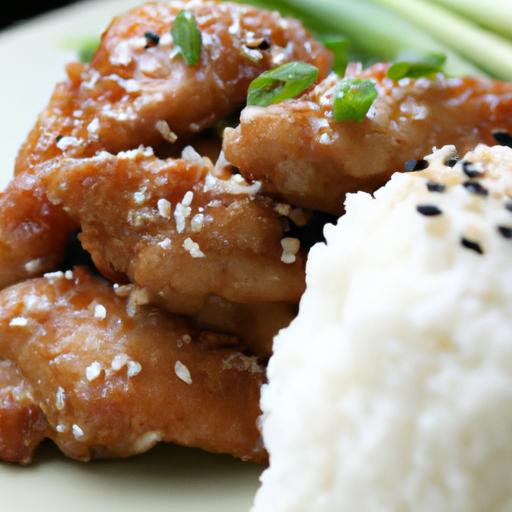
Unlocking the science behind luxuriously smooth textures is the key to elevating everyday dishes into culinary masterpieces. Whether you’re crafting a velvety cheesecake, an ultra-creamy risotto, or a decadent custard, understanding how ingredients and techniques marry to create indulgent softness will transform your cooking. This recipe post dives deep into the essential elements and tools that turn texture into creamy perfection, making every bite irresistibly smooth and unforgettable.
Prep and Cook Time
- Planning: 20 minutes
- Cooking: 35 minutes
- Total Time: 55 minutes
Yield
Serves 6 luxurious portions
Difficulty Level
Medium – Ideal for cooks ready to master textural finesse
Ingredients
- 2 cups whole milk, warmed
- 1 cup heavy cream, chilled
- 3 tbsp unsalted butter, softened
- 1/3 cup granulated sugar, finely ground
- 1/4 cup cornstarch, sifted for smoothness
- 3 large egg yolks, room temperature
- 1 tsp pure vanilla extract
- Pinch of fine sea salt
Instructions
- Warm the milk gently in a saucepan over medium heat until it reaches about 110°F (warm to the touch). This prepares the milk for smooth incorporation with egg yolks without curdling.
- in a separate bowl, whisk together egg yolks, sugar, cornstarch, and salt until the mixture is pale and silky-this ensures a creamy custard base without lumps.
- Slowly pour the warm milk into the egg mixture in a thin, steady stream while continuously whisking to temper the eggs and prevent scrambling.
- Return the combined mixture to the saucepan and cook over medium-low heat, whisking constantly to avoid sticking and achieve even thickening. Cook until it thickens to a luxurious pudding-like consistency, about 8-10 minutes.
- Remove from heat and immediately whisk in the butter and vanilla. The butter’s fat content is essential for a smooth mouthfeel, while vanilla adds aromatic depth.
- Transfer the custard to a clean bowl, cover with plastic wrap pressed directly against the surface to prevent a skin from forming, and chill for at least 2 hours until fully set and creamy.
- Before serving, whip the chilled heavy cream to soft peaks and gently fold it into the custard base to introduce lightness and an unmatched airy softness.
Tips for Success: Expert Insights for Creamy Perfection
- Ingredient temperature matters: Room temperature eggs and chilled cream help the emulsion stabilize,preventing graininess.
- Gentle heat is your ally: Excessive heat can cause curdling; always cook custards low and slow.
- Use cornstarch wisely: Sifting the cornstarch ensures no clumps, giving you a flawless base.
- Butter adds richness: Introducing soft butter off the heat seals in smoothness and silkiness.
- Make ahead: This dish tastes better after chilling overnight - allowing flavors and texture to harmonize.
- Substitutions: For dairy-free, swap milk and cream with oat or almond-based alternatives but maintain temperatures carefully to mimic creaminess.
Serving Suggestions
Present your creamy creation in chilled glass bowls for an elegant touch. Garnish with fresh berries, a sprig of mint, or a delicate dusting of cinnamon or cocoa powder to complement the rich texture. A drizzle of homemade caramel or a sprinkle of toasted nuts introduces contrast and heightens the sensory experience. Serve alongside lightly crisped buttery cookies or thin almond tuile for delightful texture interplay.

| Nutrition per Serving | Amount |
|---|---|
| Calories | 320 kcal |
| Protein | 7 g |
| Carbohydrates | 28 g |
| Fat | 20 g |
For further ideas on texture mastery, explore our detailed classic custard techniques guide. Also, delve into the science behind dairy emulsification at ResearchGate’s Dairy Science Publications to deepen your understanding of texture transformation.
Q&A
Q&A: Discover the Secrets of Smooth and Creamy Texture Magic
Q1: What exactly is meant by ”smooth and creamy texture” in food?
A1: Smooth and creamy texture refers to the delightful mouthfeel that’s velvety, rich, and free of lumps or grittiness. It’s that luxurious sensation you get when somthing melts effortlessly on your tongue-think silky custards, luscious ice creams, or perfectly blended soups.
Q2: Why is texture so significant in cooking and food enjoyment?
A2: Texture plays a starring role in how we experience food. It complements flavor and aroma by engaging our sense of touch inside the mouth. A smooth, creamy texture can elevate simple ingredients into indulgent bites, making dishes feel more comforting and satisfying.
Q3: What are the key ingredients that contribute to smooth and creamy textures?
A3: Dairy like cream, milk, and butter are classic heroes, but plant-based alternatives such as coconut cream or cashew paste work wonders too. Emulsifiers, starches, and gelatin can also enhance creaminess by binding ingredients and creating that luscious consistency.
Q4: How does technique influence the creation of creamy textures?
A4: Technique is the magician’s wand! Slow heating, careful stirring, and precise blending all coax ingredients into silky harmony. For example,tempering eggs gently or whisking vigorously can transform a chunky mixture into a smooth masterpiece.
Q5: Can you create creamy textures without dairy?
A5: Absolutely! Nuts (like cashews or almonds), avocados, silken tofu, and soaked oats can be blended into smooth, creamy bases. Plant-based milks combined with thickeners such as agar or arrowroot starch help replicate that luxurious mouthfeel.
Q6: What common mistakes prevent achieving smooth and creamy textures?
A6: Overheating, under-blending, or rushing the process can all sabotage creaminess. High heat can cause curdling or graininess, while insufficient blending leaves lumps behind. Patience and gentle handling ensure a silky final product.Q7: Are there any secret tools that help create perfect creaminess?
A7: A high-powered blender or food processor is a game-changer! Immersion blenders also shine for soups and sauces. Additionally, fine sieves or chinois strainers help achieve ultra-smooth results by removing any lingering bits.
Q8: How can I apply these secrets to everyday cooking?
A8: Start simple: try making your own creamy salad dressings, velvety mashed potatoes, or luscious smoothies using careful blending and the right ingredients. With practice, you’ll begin to sense the magic of texture and transform ordinary dishes into remarkable experiences.
Q9: Is there a science behind why creamy textures are so appealing?
A9: Yes! Creamy textures stimulate fat receptors and coat the palate in a way that triggers pleasure centers in the brain. This sensory trick makes food feel indulgent and satisfying, often associated with comfort and luxury.
Q10: Where can I learn more about mastering texture magic?
A10: dive into cookbooks focused on sauces and desserts, watch culinary tutorials, or experiment in your kitchen with diffrent ingredients and methods. Each dish you create is a step closer to unlocking the secrets of smooth and creamy texture magic!
in Retrospect
As you embark on your own culinary adventures, remember that the magic of smooth and creamy textures lies not just in ingredients, but in the delicate dance of technique and timing. Whether it’s a velvety sauce, a luscious dessert, or a perfectly blended smoothie, mastering these secrets transforms ordinary dishes into unforgettable experiences. So, embrace the art behind the creaminess, experiment boldly, and let your creations captivate the senses with every silky, dreamy bite. The secret’s out-now it’s your turn to stir up some texture magic in the kitchen!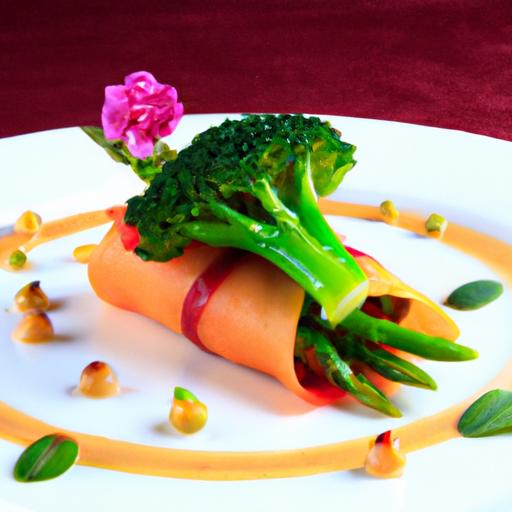
Unlocking the secrets and surprising uses of green tomatoes reveals their untapped nutritional riches and culinary versatility. These firm, tangy fruits are packed with vitamins A and C, potassium, and antioxidants that support immune health and digestion. Their crisp texture and tart flavor make them an ideal ingredient to creatively elevate your dishes, all while harnessing the medicinal benefits science has started to validate.
Prep and Cook Time
Readiness: 15 minutes | Cooking: 20 minutes | Total: 35 minutes
Yield
Serves 4 as a vibrant appetizer or side dish
Difficulty Level
Medium – approachable even for intermediate cooks looking to experiment with fresh flavors
Ingredients
- 4 medium green tomatoes, sliced into 1/4-inch thick rounds
- 1 cup all-purpose flour, sifted
- 1/2 cup cornmeal
- 1 teaspoon smoked paprika
- 1 teaspoon garlic powder
- 1/2 teaspoon sea salt
- 1/2 teaspoon black pepper, freshly ground
- 2 large eggs, beaten
- 1/2 cup buttermilk
- Olive oil or vegetable oil for frying
- Fresh parsley for garnish
- Lemon wedges for serving
Instructions
- Prepare the dredging stations: In one shallow bowl, mix the sifted all-purpose flour, cornmeal, smoked paprika, garlic powder, salt, and black pepper. In a second bowl, whisk together the eggs and buttermilk until smooth.
- Coat the tomato slices: Dip each green tomato slice first into the flour mixture, ensuring even coverage. Shake off excess flour, then dunk it into the egg-buttermilk blend. return it to the flour mix for a double coating-this double dredge creates a satisfyingly crispy crust.
- Heat the oil: Pour about 1/4 inch of oil into a large skillet over medium heat. Test by dropping a pinch of flour into the oil-it should sizzle promptly.
- Fry the tomatoes: Carefully place coated slices into the hot oil. Fry in batches to avoid crowding. Cook until golden brown and crispy, about 3-4 minutes per side. Use tongs to flip gently, and keep the oil temperature steady to prevent burning.
- Drain and rest: Transfer fried green tomatoes to a wire rack placed over a baking sheet or onto paper towels to drain excess oil. This keeps them crisp rather than soggy.
- Garnish and serve: Sprinkle freshly chopped parsley and a light squeeze of lemon juice over the warm tomatoes before plating. This mellows the tartness while brightening the dish.
Chef’s Notes
- For a gluten-free version, substitute the all-purpose flour and cornmeal with a blend of rice flour and chickpea flour.
- Experiment with spice blends like Cajun seasoning or smoked chili powder in the dredge for extra punch.
- Make-ahead tip: Coat the tomato slices and refrigerate them uncooked for up to 2 hours to prep ahead. Fry just before serving for fresh crispiness.
- If you prefer baked over fried, arrange coated tomato slices on a parchment-lined baking sheet and roast at 425°F for 15-18 minutes, flipping halfway.
Serving Suggestions
These golden-crisped green tomatoes are stunning when served with a cool, creamy dipping sauce such as a tangy buttermilk ranch or garlic aioli. Pair them alongside grilled meats or stacked between slices of crusty artisan bread with fresh lettuce and bacon for a vegetarian-amiable BLT twist. Garnish with microgreens or edible flowers for an elegant presentation perfect for entertaining.

| Nutrient | Amount per Serving |
|---|---|
| Calories | 210 kcal |
| Protein | 6 g |
| Carbohydrates | 26 g |
| Fat | 9 g |
For more ways to incorporate green tomatoes into your seasonal cooking, check out our Creative Green Tomato Recipes. To dive deeper into the science behind the medicinal benefits of green tomatoes, the national Center for Biotechnology Information provides extensive research validating their antioxidant properties.
Q&A
Q&A: Unlocking the Secrets and Surprising Uses of Green Tomatoes
Q1: What exactly are green tomatoes?
A1: Green tomatoes are simply unripe tomatoes that haven’t turned red (or yellow, pink, depending on the variety) yet. Their firm texture and tart flavor make them a versatile ingredient, rather than a sign of an underripe mistake. These vibrant fruits are packed with all the tomato goodness but come with a zesty twist!
Q2: Are green tomatoes safe to eat raw?
A2: Yes, green tomatoes are safe to eat raw, but their tartness and firmness can be quite intense straight from the vine. Manny prefer to cook or pickle them, which mellows the sharpness and brings out a lovely complexity. If you do snack on them fresh, try sprinkling a pinch of salt or a drizzle of honey to balance the flavors.
Q3: What are some surprising culinary uses for green tomatoes?
A3: Beyond the classic fried green tomatoes, these underdog beauties can star in chutneys, relishes, salsas, and even tangy green tomato jams. Their firm texture holds up wonderfully in stews and casseroles, adding brightness and body. Some chefs even roast or grill them for an unexpected smoky twist, or blend them into smoothies for a tangy kick!
Q4: Can green tomatoes be used for natural home remedies or household hacks?
A4: Absolutely! Folk wisdom suggests green tomatoes can soothe minor skin irritations and rashes due to their slightly acidic nature. Some gardeners swear by using them to deter pests or ripen other fruits nearby. While anecdotal, these uses highlight the green tomato’s versatility beyond the kitchen.
Q5: How do green tomatoes compare nutritionally to ripe ones?
A5: Green tomatoes contain slightly less sugar and more acidity than their ripe counterparts, giving them a lower glycemic index. They’re rich in vitamin C, antioxidants like tomatine, and dietary fiber. The higher level of tomatine-a compound that diminishes as tomatoes ripen-has been studied for potential health benefits, including antimicrobial and anti-inflammatory properties.
Q6: Any tips for selecting and storing green tomatoes?
A6: Look for firm, unblemished green tomatoes with a glossy skin. Avoid any that feel mushy or show signs of spoilage. Stored in a cool, dry place, green tomatoes can last several weeks. If you want to slow down ripening, keep them away from ethylene-producing fruits like bananas and apples.
Q7: Why have green tomatoes gained a cult following recently?
A7: In an age where sustainability and reducing food waste are increasingly valued, green tomatoes offer a delicious way to use what might otherwise be discarded. Their unique flavor profile also appeals to adventurous cooks eager to experiment. Plus, their nostalgic charm and Southern roots-immortalized in fried green tomatoes-give them a story as rich as their taste.
Unlocking the secrets of green tomatoes reveals a world of tangy, creative possibilities. So next time you spot those emerald gems at the market, don’t pass them by-get ready to surprise your palate!
In Summary
As we close the chapter on green tomatoes, it’s clear they are far more than just an unripe fruit waiting in the wings. From tangy pickles that spark nostalgia to vibrant sauces that add a fresh twist to familiar dishes, green tomatoes invite us to explore a world of flavors and possibilities often overlooked. Whether you’re a curious cook or a seasoned gardener, embracing these tart treasures can unlock new culinary adventures and lasting delights.
So next time you spot those radiant green orbs on the vine, remember-they hold a secret waiting to be unveiled, transforming simple meals into surprising sensations. Dive in, experiment, and let green tomatoes redefine your kitchen creativity.
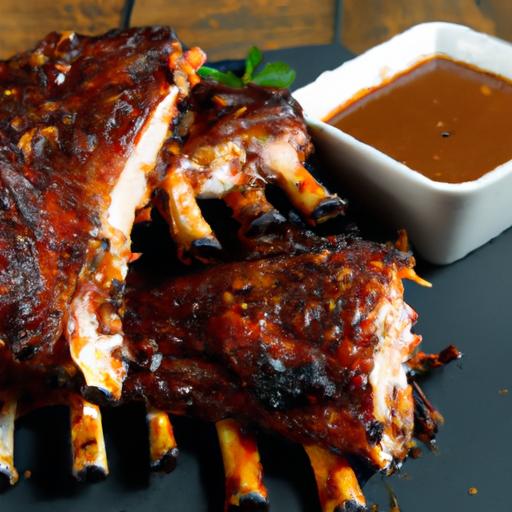
Unlocking the secrets to perfectly smoky BBQ ribs starts with selecting the ideal cut and preparing your meat for maximum depth of flavor. The journey from raw ribs to tender, fall-off-the-bone perfection begins with understanding the nuances of each rib type and how they respond to spice, smoke, and heat.
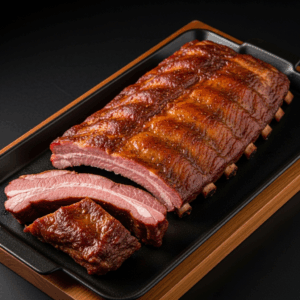
Prep and Cook Time
- Readiness: 20 minutes (plus 4-12 hours marinating time)
- Cooking: 5-6 hours slow-smoking
Yield
- serves 4-6 hungry BBQ lovers
Difficulty Level
- Medium – requires patience and attention to smoker management
Ingredients
- 2 racks of pork baby back ribs (about 2.5 pounds total),membrane removed
- 1/4 cup yellow mustard (for an even dry rub base)
- Dry Rub:
- 2 tbsp brown sugar, packed
- 1 tbsp smoked paprika
- 1 tbsp kosher salt
- 2 tsp black pepper, freshly ground
- 1 tsp garlic powder
- 1 tsp onion powder
- 1/2 tsp cayenne pepper (optional for heat)
- Marinade:
- 1/2 cup apple cider vinegar
- 1/4 cup apple juice
- 2 tbsp Worcestershire sauce
- 2 cloves garlic, minced
- 1 tsp liquid smoke (optional for extra smokiness)
- Wood chips or chunks: preferably hickory or applewood
- BBQ sauce (optional, for finishing glaze)
Instructions
- Prepare the ribs: Start by carefully removing the thin membrane on the bone side of the ribs-this step ensures flavors penetrate deeply and the ribs become tender.
- Apply a thin layer of yellow mustard: This acts as the perfect glue to hold the dry rub in place without overpowering the meat’s natural flavor.
- Mix the dry rub ingredients in a bowl until well combined.
- Generously coat both sides of each rack with the dry rub, patting it in to ensure every nook is covered.
- Place ribs in a large resealable bag or airtight container, pour in the marinade, and refrigerate for at least 4 hours or overnight to infuse deep smoky and tangy notes.
- Preheat your smoker to maintain a steady 225°F (107°C). Select your wood chips-hickory lends a robust, nutty char, while applewood imparts a sweeter, fruitier smoke. Soak wood chips in water for 30 minutes before use to slow burn.
- Remove ribs from marinade and discard excess liquid. Place ribs bone side down on the smoker grate; insert a water pan beneath to maintain moisture.
- Smoke ribs for 3 hours, spraying them gently every hour with a 50/50 mix of apple juice and apple cider vinegar to keep them moist and build tenderness.
- Wrap the ribs tightly in foil with a splash of marinade or apple juice, then return to the smoker for another 1.5 to 2 hours. This step-the “Texas Crutch”-locks in moisture, helping break down connective tissue for that ultimate fall-off-the-bone texture.
- Unwrap and place ribs directly on the smoker grate for an additional 30-45 minutes, allowing the crust (bark) to firm up. If you prefer, brush with your favorite BBQ sauce during this phase for a glossy, caramelized finish.
- Remove ribs, rest for 10 minutes, then slice between the bones and serve.
Tips for Success
- Choosing the right cut: Baby back ribs cook faster and are leaner, while St. Louis-style spare ribs are meatier and more indulgent-choose based on your taste and time.
- Dry rub adjustments: Feel free to add ground coffee or cocoa powder for deeper flavor complexity.
- Wood selection tips: Fruitwoods (apple, cherry) offer a mellow smoke, perfect for beginners, while hickory and mesquite furnish a more intense bite.
- Temperature control: Keeping your smoker steady below 230°F prevents drying while allowing collagen breakdown.
- Make-ahead: Fully prepare ribs 24 hours in advance, refrigerate, then smoke on the day of serving for minimal fuss.
Serving Suggestions
Present these sumptuous ribs alongside classic BBQ sides like tangy coleslaw, buttery cornbread, and pickled jalapeños. Garnish with fresh chopped parsley or thin lemon wedges to cut through the richness. For a modern twist, offer a smoky peach BBQ sauce dip or a chipotle-lime crema alongside.
| Nutritional Information (per serving) | Calories | Protein | Carbs | Fat |
|---|---|---|---|---|
| Smoky BBQ Ribs | 450 kcal | 35 g | 6 g | 30 g |
Explore more smoking techniques in our Ultimate Meat Smoking Guide and deepen your expertise. For a scientific backbone on slow-cooking and meat chemistry, visit the Serious Eats deep dive on low and slow BBQ.

Q&A
Q&A: unlocking the Secrets to Perfectly Smoky BBQ Ribs Every Time
Q1: What makes ribs truly “smoky” and how can I achieve that flavor at home?
A1: The heart of that irresistible smoky flavor lies in the slow dance between wood smoke and succulent meat. To capture it at home, choose hardwoods like hickory, apple, or cherry, each delivering unique flavor notes. Soak your wood chips briefly, then add them to a low, steady heat source. Maintain a temperature around 225°F (107°C) and let the smoke infuse gently over several hours. Patience is your secret ingredient.
Q2: Should I use spare ribs or baby back ribs for the best BBQ experience?
A2: Both have their charms. Baby back ribs are leaner, cook a bit faster, and offer a tender bite prized by many. Spare ribs pack more fat and connective tissue, translating to a richer, juicier chew if cooked properly. Ultimately, your choice depends on whether you prefer a lighter or heartier rib experience. Either way, the smoking method remains your trusty guide.
Q3: What’s the ideal seasoning strategy for smoky ribs?
A3: Think of your rub as the ribs’ flavorful coat of armor. Start with a balance of salt, sugar, and spices like paprika, black pepper, garlic powder, and a hint of cayenne for warmth. The sugar helps caramelize, creating that crusty bark, while salt enhances flavor and juiciness. Apply generously and let the ribs rest, wrapped or uncovered, for at least an hour to let the magic begin.
Q4: How long should I smoke ribs, and how do I know when they’re done?
A4: Smoking ribs is a journey, not a race.Typically,4 to 6 hours at a low and steady temperature will do. But don’t just watch the clock-touch and appearance speak volumes. The meat should pull back from the bones about a quarter-inch, and a gentle bend test (ribs drooping slightly without snapping) signals tender perfection. Internal temperature around 195°F (90°C) ensures collagen melts into luscious juiciness.
Q5: Can I foil-wrap my ribs during smoking, and why would I want to?
A5: Absolutely! Known as the “Texas Crutch,” wrapping ribs mid-smoke helps lock in moisture, speeds up cooking, and softens the meat further. Before wrapping, you can add a splash of apple juice, beer, or your favorite sauce to steam the ribs inside the foil pouch. It’s like an aromatherapy spa session for your ribs-resulting in tender, juicy bites with a smoky glow.
Q6: How important is the resting phase after smoking?
A6: Resting is where the smoke settles and juices redistribute, transforming good ribs into great ones. Let your ribs rest wrapped loosely in foil or butcher paper for about 15-30 minutes after the smoke session. This respite ensures every bite bursts with smoky tenderness rather than dry toughness.
Q7: Any tips for the perfect finishing touch on smoky BBQ ribs?
A7: The finale is yours to orchestrate. A light brush of your favorite BBQ sauce in the last 30 minutes of smoking adds a sticky, glossy layer without overpowering the smoke. Alternatively, enjoy your ribs naked to savor that pure smoky essence. Pair with a crunchy slaw, tangy pickles, and a cold drink-because the perfect ribs deserve a perfect encore.
Unlock these secrets, and every rib on your grill will tell a smoky story worth savoring!
Insights and Conclusions
As the smoke curls around your ribs and the rich aroma fills the air, you’ll know that mastering the art of perfectly smoky BBQ ribs isn’t just a lucky accident – it’s a deliciously deliberate craft. With the right blend of patience, technique, and a touch of culinary intuition, you can unlock the secrets that turn simple ribs into a mouthwatering masterpiece every single time. So fire up your smoker, embrace the process, and get ready to savor smoky ribs that tell a story of flavor, tradition, and a little bit of magic. Your taste buds-and your guests-will thank you.
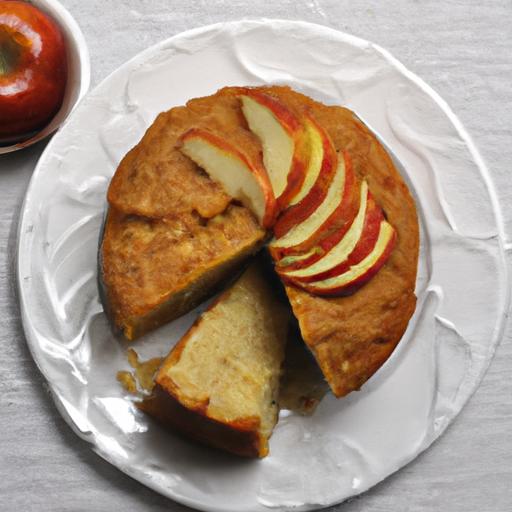
The Delightful Secrets of Authentic German Apple Cake
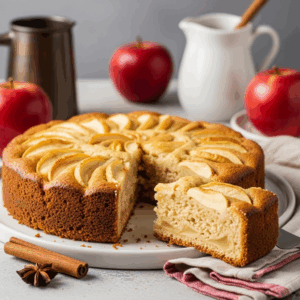
The Delightful Secrets of Authentic German Apple Cake begin with the meticulous selection of apples that embody the perfect harmony of tartness and sweetness. This beloved treat from Germany combines a tender, flaky dough with luscious, spiced apples, culminating in a cake that’s as rich in flavor as it is indeed steeped in tradition. Whether you’re recreating a cherished memory or discovering German baking for the first time, mastering each element-including the apples, dough, spices, and balance-ensures a dessert that’s irresistibly genuine.
The Art of Selecting the Perfect Apples for Genuine German Apple Cake
choosing the right apples is the first secret to unlocking the authentic flavor of German apple cake. For a truly balanced bite, opt for tart yet firm varieties such as Granny Smith, Braeburn, or jonathan apples. These apples hold their shape during baking and provide a luminous acidity that contrasts beautifully with the cake’s sweetness. Avoid softer, overly sweet types; they tend to turn mushy and watery, which diminishes the cake’s classic texture.
tip: Peel and slice your apples thinly and evenly to ensure uniform cooking and an irresistible layering effect that’s visually stunning when the cake is sliced.
Mastering the Conventional German Dough for a Flaky and Flavorful Base
The foundation of authentic German apple cake lies in its dough. Unlike many fruit cakes, German apple cake features a buttery, crumbly dough that’s part shortcrust and part tender crumb. The key is to keep your ingredients cold and work quickly to prevent the butter from melting, which ensures a delicately flaky yet tender crust.
Incorporate just enough cold water to bring the dough together without overworking it, then let it chill thoroughly. This resting period allows the gluten to relax, lending a lightness once baked.
Unlocking the Secret Spices That Elevate authentic German Apple Cake
What truly distinguishes this cake is the subtle yet enchanting spice blend that infuses the apples. Beyond the classic cinnamon, try enhancing your recipe with a dash of freshly grated nutmeg, a hint of clove, and even a touch of cardamom. These spices awaken the apples, lending warmth and complexity without overpowering their natural brightness.
Combine the spices with a sprinkle of sugar and a squeeze of lemon juice for a perfect balance that highlights the fruit’s fragrance and the dough’s buttery richness.
Pro Tips for Achieving the Ideal Balance of Sweetness and Tartness
Striking the right balance between sweet and tart is essential. Use natural sugars like light brown sugar or cane sugar, which add subtle molasses notes and deepen the flavor profile. Adjust sugar quantities based on the tartness of your apples-less sugar if your apples are sweeter, more if they lean sour. A splash of freshly squeezed lemon juice also brightens the fruit and prevents browning.
Test your filling before assembly: taste the spiced apple mixture and tweak the sweetness or acidity until it sings with harmony, promising a cake that melts perfectly on your tongue.
Prep and Cook Time
- Prep Time: 30 minutes
- Cook Time: 50 minutes
- Total Time: 1 hour 20 minutes
Yield
Serves 8 generous slices
Difficulty Level
Medium
Ingredients
- 2 ½ cups all-purpose flour, sifted
- 1 cup unsalted butter, cold and cubed
- ½ cup granulated sugar
- 1 large egg
- 1 tsp pure vanilla extract
- 1 tsp baking powder
- 1/4 tsp salt
- 5 medium firm tart apples (Granny Smith or Braeburn), peeled, cored, and thinly sliced
- ¾ cup light brown sugar, packed
- 1 tbsp freshly squeezed lemon juice
- 1 ½ tsp ground cinnamon
- 1/4 tsp ground nutmeg
- 1/8 tsp ground cloves
- 1/8 tsp ground cardamom (optional)
- Powdered sugar for dusting
Instructions
- Prepare the dough: In a large bowl, combine flour, baking powder, and salt. Using a pastry cutter or your fingertips, quickly cut in the cold butter until the mixture resembles coarse crumbs.
- Add granulated sugar, egg, and vanilla extract. Stir just until the dough starts to come together, adding 1-2 tablespoons of cold water if necessary. shape into a ball, wrap in plastic, and chill for at least 30 minutes.
- Prepare the spiced apple filling: In a large bowl, toss the thinly sliced apples with brown sugar, lemon juice, and all the spices-cinnamon, nutmeg, cloves, and cardamom until every slice is coated evenly.
- Preheat oven to 350°F (175°C). Grease a 9-inch springform pan or round cake tin.
- Divide the dough: Roll out two-thirds of the dough on a lightly floured surface and gently press it into the bottom and up the sides of the prepared pan, creating a firm base.
- Layer the apples: Spread the spiced apple mixture evenly over the dough, pressing down lightly so the apples are compact and layered.
- Cover the filling: Roll out the remaining dough and slice it into strips to create a latticed tart top, or crumble it for a streusel-style crust.
- Bake: Place the cake on the middle rack and bake for 45-50 minutes, until the crust turns golden and the apple filling bubbles softly.
- Cool: Allow the cake to cool completely in the pan before removing the springform ring. Dust lightly with powdered sugar before serving.
Chef’s Notes
- For extra richness, add a teaspoon of cinnamon sugar to the dough before baking.
- Substitute some of the butter with cold cream cheese for a tangier crust variation.
- If your apples are very tart, consider adding a tablespoon of honey to the fruit filling for natural sweetness.
- This cake can be prepared a day ahead and stored covered at room temperature; flavors deepen overnight beautifully.
Serving Suggestions
Present warm slices with a dollop of freshly whipped cream or a scoop of vanilla ice cream for indulgent contrast. Garnish with delicate slivers of toasted almonds and a light drizzle of caramel sauce to transform this classic into a stunning centerpiece at your next gathering.

nutrition Information per Serving
| Calories | Protein | Carbs | Fat |
|---|---|---|---|
| 320 kcal | 4 g | 45 g | 12 g |
For a deeper dive into traditional German desserts, check out our guide to classic German sweets. To learn more about the history and varieties of apples that make this cake extraordinary, visit US Apple Association.
Q&A
The Delightful Secrets of Authentic German Apple Cake: Q&A
Q1: What makes German Apple Cake so special compared to other apple cakes?
A1: German Apple Cake, or Apfelkuchen, stands out for its perfect harmony of tender crumb, tangy tart apples, and a subtle spice melody. Unlike many Western-style apple cakes, it frequently enough features a buttery shortcrust or yeast dough base topped with thinly sliced apples arranged in artful patterns, sometimes crowned with a crumbly streusel. The balance of textures and flavors-lightly sweet, mildly tart, and warmly spiced-is its signature magic.
Q2: Which apples are best for an authentic German Apple Cake?
A2: Traditionally, Germans prefer firm, slightly tart apples like Elstar, Boskoop, or Granny Smith. these varieties hold their shape during baking and bring that bright acidity that cuts through the cake’s buttery richness. using apples that are too sweet or soft can result in a mushy texture and overly sugary finish, steering away from authenticity.
Q3: Is there a particular spice or flavoring that defines the cake?
A3: yes! Ground cinnamon is the quintessential spice in German Apple Cake, often partnered with a hint of vanilla or even freshly grated lemon zest. This subtle spice blend brings warmth without overpowering the natural fruit goodness, offering that nostalgic aroma reminiscent of cozy German kitchens during apple harvest season.
Q4: What’s the secret to getting the perfect texture in the cake?
A4: The secret lies in the dough and the layering. Many authentic recipes use a yeast dough or a buttery shortcrust that provides a sturdy yet tender foundation. The apples are sliced thin and evenly arranged to ensure even baking and a visually pleasing top. additionally, gently tossing the apple slices with sugar and lemon juice before layering helps maintain their freshness and adds a delicate glaze post-baking.
Q5: Does German Apple Cake have regional variations?
A5: Absolutely! Germany’s diverse culinary landscape gifts us with delightful regional twists. For instance, in Swabia, the cake might feature a yeast dough base with a sprinkle of streusel topping, while in the rhineland, it’s common to add a dollop of cream or a drizzle of caramel. some regions fold in raisins or nuts, teasing the palate with unexpected bursts of flavor.
Q6: How is German apple Cake traditionally served?
A6: traditionally, it’s enjoyed slightly warm or at room temperature, often dusted with powdered sugar or topped with a generous spoonful of whipped cream. Coffee and apple cake is a beloved afternoon ritual in Germany-Kaffee und Kuchen-making it as much a cultural experience as a culinary one.
Q7: Can the cake be made gluten-free or vegan without losing authenticity?
A7: While purists cherish the original recipes, modern twists accommodate dietary needs. Gluten-free flours can replace wheat-based doughs with some adjustments to maintain texture. Vegan versions swap butter for plant-based alternatives and use flax eggs or applesauce as binders. Though these versions may stray from tradition, the heart of the cake-the mingling of fresh apples, cinnamon, and tender dough-remains delightfully intact.
Q8: Any tips for beginners attempting their first German Apple Cake?
A8: Start simple: pick a classic recipe with readily available ingredients, don’t skimp on quality apples, and take your time arranging the apple slices-presentation adds to the charm. Remember, the cake’s beauty is in its rustic elegance, so a few uneven edges only add to its homemade appeal. And most importantly, enjoy the process and the warm aromas filling your kitchen!
Exploring authentic German Apple Cake is like taking a bite of history and culture, wrapped in tender pastry and spiced apple slices. Whether you’re a seasoned baker or a curious foodie, this cake offers a flavorful gateway to Germany’s sweet traditions. Guten Appetit!
Concluding Remarks
German apple cake offers more than sweetness—it’s a rich tradition of warmth, craftsmanship, and shared heritage. Each bite reflects generations of love, laughter, and autumn celebrations, turning dessert into a timeless cultural experience.