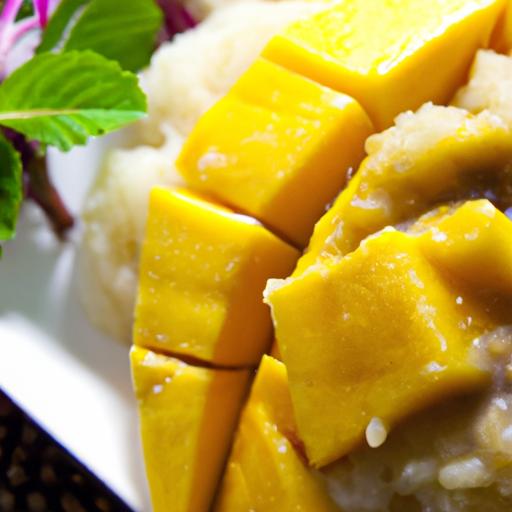

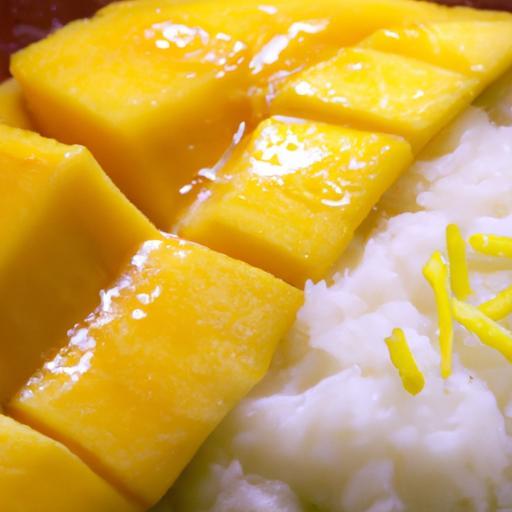
In the vibrant tapestry of Southeast Asian cuisine, few desserts evoke as much delight and nostalgia as mango sticky rice. This enchanting dish, with its luscious blend of sweet, creamy coconut-infused sticky rice paired with sun-ripened mango slices, transcends mere taste-it tells a story of tradition, culture, and the simple joys found in every bite. Join us as we explore the magic behind this beloved treat, uncovering the history, ingredients, and the perfect harmony that makes mango sticky rice a timeless favorite across the globe.
Sweet Harmony: Discover the Magic of Mango Sticky Rice is more than just a dessert-it’s a celebration of Southeast Asian tradition and flavor balance. This cherished Thai treat marries the creamy, velvety texture of sticky rice with the lush sweetness of ripe mangoes, all enveloped in a sumptuous coconut sauce. Originating from the fertile lands of Thailand and Laos, mango sticky rice has long been a festive staple during mango season, symbolizing prosperity and joyful gatherings.
Prep and Cook Time
Preparation: 20 minutes | Cooking: 45 minutes | Total: 1 hour 5 minutes
Yield
Serves 4 generous portions
Difficulty Level
Medium - mastering the sticky rice texture requires attentive cooking but is entirely achievable with patience.
Ingredients
- 1 cup glutinous (sticky) rice, rinsed thoroughly
- 1 1/2 cups water
- 1 1/2 cups coconut milk, full-fat for richness
- 1/2 cup granulated sugar
- 1/2 teaspoon fine sea salt
- 2 large ripe mangoes, peeled and sliced
- 1 tablespoon toasted sesame seeds or mung beans (optional garnish)
- 1 teaspoon Pandan extract (optional, for authentic aroma)
Instructions
- Soak the sticky rice: Place the rinsed sticky rice in a bowl and cover with water. Soak for at least 4 hours or overnight, ensuring the grains are soft and pliable.
- Steam the rice: Drain the rice and transfer it to a bamboo steamer lined with cheesecloth or a fine kitchen towel. Steam over boiling water for 25-30 minutes, until the rice is tender and translucent. Stir halfway for even cooking.
- Prepare the coconut sauce: While the rice steams, combine coconut milk, sugar, salt, and Pandan extract in a saucepan. Warm gently over low heat, stirring until sugar dissolves fully. Do not boil to preserve creaminess.
- Mix rice with coconut sauce: Once the rice finishes steaming, instantly transfer it to a warm bowl and pour about two-thirds of the coconut sauce over it. Gently fold the sauce into the rice using a wooden spoon. Cover and let it rest for 15-20 minutes to absorb the flavors fully.
- Slice the mangoes: Peel and cut the mangoes into long, elegant slices, showcasing their vibrant golden-orange flesh.
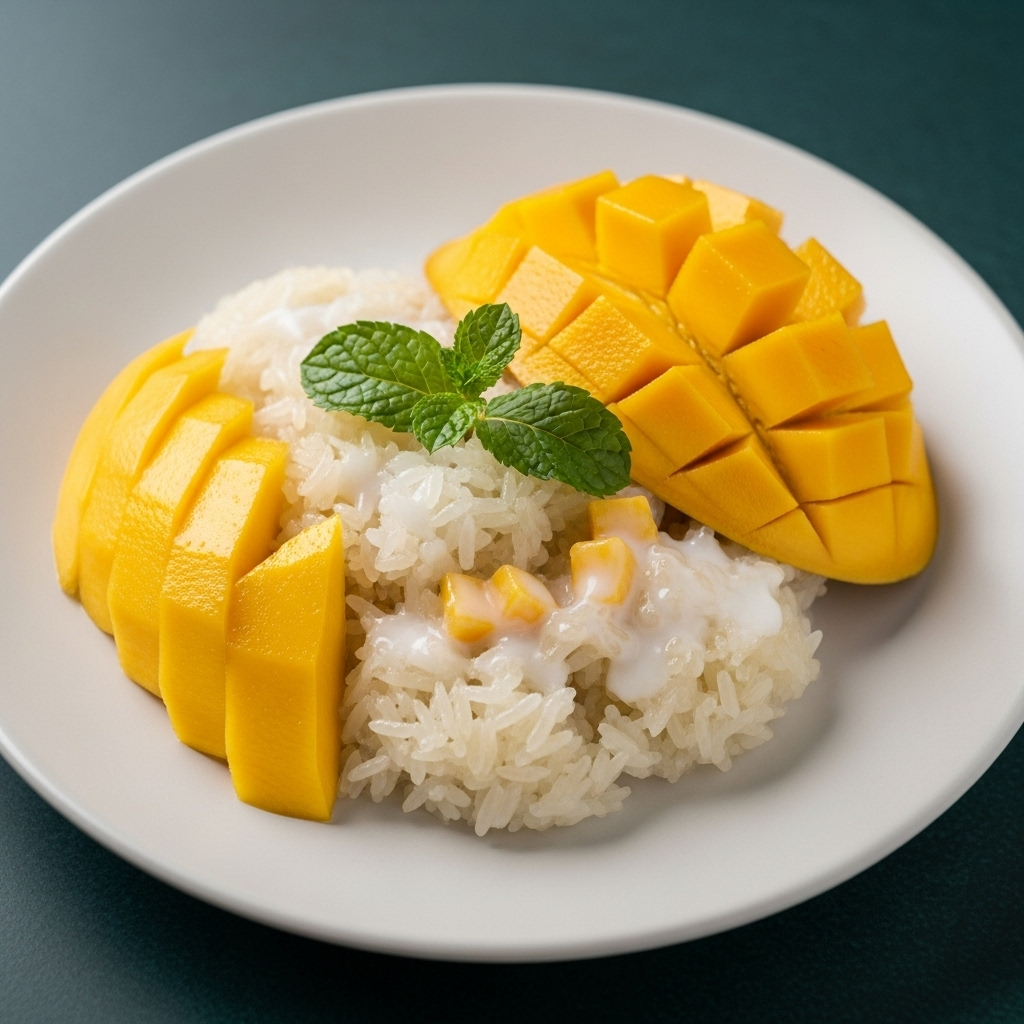
- Assemble the dessert: Spoon the sticky rice onto serving plates, fanning out mango slices alongside. Drizzle the remaining coconut sauce on top and garnish with toasted sesame seeds or mung beans for texture.
- Serve immediately: This dish is best enjoyed slightly warm or at room temperature to experience the full sweet harmony between rice, mango, and coconut.
Tips for Success
- Rice soaking is crucial: Proper soaking ensures soft, sticky grains. Rushing this step might yield undercooked or dry texture.
- Use quality glutinous rice: Regular rice will not achieve the signature sticky, chewy texture.
- Control the sweetness: Adjust sugar in the coconut sauce based on your mango’s natural sweetness for perfect balance.
- Pandan extract: This subtle floral note beautifully enhances authenticity but can be omitted if unavailable without sacrificing flavor.
- Make ahead: Prepare sticky rice and coconut sauce separately and combine before serving to maintain ideal texture.
- Substitutions: In a pinch, use canned coconut milk, but shake well before opening to blend cream and water evenly.
Selecting the Best Mango Varieties for Authentic sweetness
The soul of this dessert lies in choosing mangoes bursting with natural sugars and fragrance. Varieties like Nam Dok Mai or Keo Savoy are prized in thailand for their sweetness, creamy texture, and juicy flesh. These mangoes feature golden-yellow skin and a tender bite that melts in your mouth, perfectly complementing the sticky rice’s richness. Avoid underripe or fibrous mangoes, which can detract from the silky dessert experience.
Mastering the Perfect Sticky Rice texture and Flavor
Achieving that sweet harmony requires patience and technique. Sticky rice must be delicately steamed rather than boiled to preserve the unique chew and avoid mushiness. The steaming process gently firms the grains yet allows them to cling together tenderly. Post-steaming, soaking the rice in a coconut-sugar mixture infuses every grain with luscious flavor. This nuanced approach celebrates the balance between texture and taste, making every spoonful a moment of bliss.
Expert Tips for Crafting Irresistible Coconut Sauce Enhancements
The coconut sauce acts as the glue binding this dessert’s elements in delicious unity. Using full-fat coconut milk is non-negotiable-it lends the necessary richness and silky mouthfeel. Warm gently to marry sugar and salt without boiling, which can cause separation or a grainy texture. For a luxurious touch, add a pinch of salt to amplify sweetness naturally. Optionally, a drop of vanilla or pandan extract introduces aromatic layers, making the sauce deeply complex yet comforting.
Serving Suggestions
Present mango sticky rice on shallow white plates to highlight the vibrant gold of mangoes against the snowy coconut rice. Garnish with crunchy toasted mung beans or sesame seeds for contrast. For a playful twist, offer a small side of crushed roasted peanuts or a drizzle of palm sugar syrup. Pair with a chilled cup of Thai iced tea or jasmine tea to complement the sweetness and cleanse the palate.
| Nutrient | Amount per Serving |
|---|---|
| Calories | 350 kcal |
| Protein | 4 g |
| Carbohydrates | 60 g |
| Fat | 9 g |
Learn more about Thai mango sticky rice from Serious eats or explore our other Thai dessert recipes for sweet inspiration.
Q&A
Q&A: Sweet Harmony – Discover the Magic of Mango Sticky Rice
Q1: what is mango sticky rice?
A1: Mango sticky rice is a beloved Thai dessert that brings together the creamy richness of coconut-infused sticky rice and the luminous, juicy sweetness of ripe mangoes. It’s a simple yet divine harmony of textures and flavors that instantly transports you to tropical bliss.
Q2: where did mango sticky rice originate?
A2: this dessert hails from Thailand, where it’s not only a staple but a seasonal celebration. Traditionally enjoyed during mango season, it exemplifies the Thai culinary talent for balancing sweet, salty, and creamy elements into one unforgettable bite.
Q3: What makes mango sticky rice so special?
A3: The magic lies in its balance. The sticky rice is cooked until tender and then gently soaked in a luscious coconut milk syrup, creating a mellow creaminess. Paired with the naturally fragrant, buttery flesh of a perfectly ripe mango, every mouthful is a luscious dance of tropical flavors.
Q4: How is the sticky rice prepared?
A4: The secret to perfect sticky rice starts with soaking glutinous rice overnight, then steaming it until tender yet chewy. It’s then drenched in a warm coconut milk mixture, sweetened lightly with sugar and a pinch of salt to enhance depth without overpowering the mango’s natural sweetness.
Q5: What types of mangoes work best?
A5: The ideal mango is ripe, fragrant, and slightly firm to the touch-think of varieties like Thai Nam Dok Mai or Ataulfo mangoes. Their floral notes and smooth texture contrast beautifully with the sticky rice’s richness and provide the ideal burst of fruity freshness.
Q6: Can mango sticky rice be enjoyed any time of year?
A6: While it’s traditionally a seasonal treat when mangoes are at their peak (usually summer), creative twists and frozen mangoes make it possible to enjoy this dessert year-round.Though,nothing compares to the vibrant freshness of mangoes at their natural prime.
Q7: Are there variations or additions to mango sticky rice?
A7: Absolutely! Some versions incorporate toasted sesame seeds,crunchy mung beans,or a drizzle of fragrant coconut cream. The simplicity invites creativity-adaptations can include pandan leaves for infusion or a sprinkle of edible flowers to elevate the presentation and aroma.
Q8: why has mango sticky rice gained popularity worldwide?
A8: Mango sticky rice appeals universally as it feels both exotic and comforting. Its rich cultural roots, combined with its luscious taste and textural intrigue, make it a dessert that surprises and delights-a sweet harmony that resonates beyond borders.
Q9: How would you recommend serving mango sticky rice?
A9: Serve mango sticky rice slightly warm or at room temperature, allowing the coconut milk to saturate the rice just right. Arrange slices of mango on the side or atop the rice, and garnish with a sprinkle of toasted sesame seeds or a drizzle of coconut cream for an irresistible finish.
Unlock the enchantment of mango sticky rice-the perfect union of tropical sweetness and creamy indulgence that’s simple to make yet unforgettable to taste. A true sweet harmony worth savoring!
Key Takeaways
In the tapestry of global desserts, mango sticky rice stands out as a vibrant thread woven from tradition, flavor, and culture.Its sweet harmony of luscious mango, creamy coconut, and tender sticky rice offers not just a treat for the palate but a glimpse into the heart of Southeast Asian culinary artistry. Weather enjoyed by the roadside in bustling markets or recreated in your own kitchen, this beloved dish invites you to savor the simple magic that happens when humble ingredients come together in perfect balance. So next time you crave a taste that’s both comforting and exotic, let mango sticky rice be your delicious passport to a world of sweet harmony.