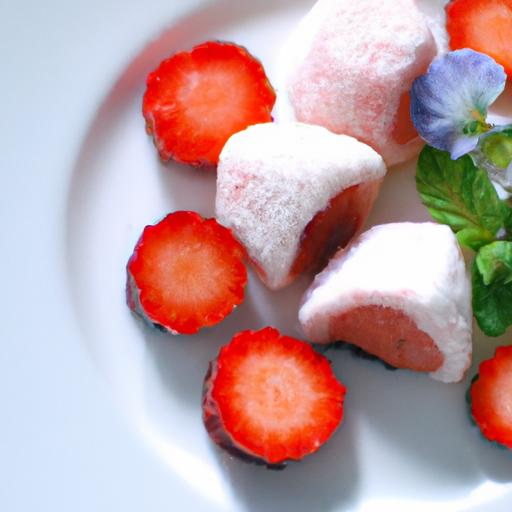

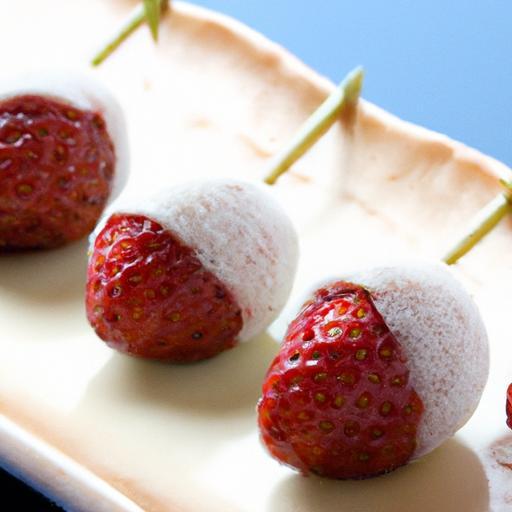
In the vibrant tapestry of Japanese confections, few delights capture the essence of tradition and whimsy quite like sweet strawberry mochi. This enchanting treat, with its pillowy rice dough embracing luscious, juicy strawberries, offers a perfect harmony of texture and flavor that has delighted taste buds for generations. Journey beyond the familiar sushi rolls and matcha lattes as we unwrap the story and recipe behind Japan’s irresistible strawberry mochi-a bite-sized marvel where simple ingredients transform into a cultural treasure, inviting you to savor springtime sweetness all year round.
Discovering the Origins and Cultural Significance of Strawberry Mochi
Sweet Strawberry Mochi is a delightful fusion of tradition and freshness, reflecting the heart of Japanese confectionery culture. Originating in Japan, mochi has long been revered not just as a treat but as a symbol of good fortune, festivity, and the changing seasons. The addition of sweet, juicy strawberries elevates this classic wagashi (Japanese sweet), embracing the modern palate while honoring centuries-old techniques.
This delicate dessert is famously enjoyed during spring, coinciding with Japan’s iconic cherry blossom festivals. The strawberry mochi’s chewy, tender exterior paired with luscious sweet red bean paste and a burst of fresh strawberry creates a harmony of flavors and textures that feel both nostalgic and refreshingly innovative. For many, crafting mochi at home is a heartwarming way to connect with Japanese culture, bringing families together to share joy and sweetness.
Essential Ingredients and Tools for Authentic Japanese Mochi Making
Gathering the right ingredients and tools makes all the difference in achieving the perfect sweet strawberry mochi. Authenticity starts with quality Japanese mochiko (sweet rice flour), fresh strawberries, and smooth anko (sweet red bean paste). Having a bamboo rolling mat or a silicone mat ensures your mochi dough doesn’t stick, while a simple steamer or microwave-safe bowl helps you cook the dough efficiently.
- 1 cup mochiko (sweet rice flour), sifted
- 3/4 cup granulated sugar
- 1 cup water
- 8-10 fresh strawberries, hulled and dried
- 1 cup smooth anko (sweet red bean paste)
- Potato or cornstarch for dusting
- Plastic wrap for shaping mochi
You will also want a microwave-safe bowl or steamer, a mixing spoon, and sharp kitchen scissors or knife for trimming excess dough. These basic tools keep the process approachable and enjoyable.
Step by Step Guide to Crafting Perfectly Soft and Sweet Strawberry mochi
- Prepare the strawberries. Wash and dry each strawberry, then trim the green stems. Set aside so they stay dry for easier wrapping.
- Shape the ANKO fillings. Using your hands, divide the sweet red bean paste into about 8-10 small balls, each roughly the size of a large marble. Flatten them slightly and wrap each strawberry with ANKO, ensuring the berry is completely covered. Place on a plate and chill briefly to firm up.
- Make the mochi dough. In a microwave-safe bowl, mix the mochiko, sugar, and water until smooth. Cover the bowl loosely with plastic wrap.
- Cook the mochi dough. Microwave the mixture on high for 2 minutes; stir thoroughly with a wet spatula. Microwave again for another 1-2 minutes until the dough is sticky, translucent, and slightly shiny. Alternatively, steam the mixture for 15 minutes, stirring halfway through for even texture.
- Dust your workspace generously with starch. Pour the hot mochi dough onto the surface and dust your hands as well to prevent sticking. Spread and flatten the dough gently to about 1/4 inch thickness.
- Cut and wrap. Cut the dough into 8-10 equal squares. Quickly place a strawberry wrapped with ANKO onto a mochi piece, then carefully pinch the mochi closed around it, sealing the edges tightly with your fingers dusted in starch.
- Shape and finish. Gently roll each mochi ball to smooth the surface. Place seam-side down on a starch-dusted tray to set for 10 minutes.
- Serve fresh. sweet strawberry mochi is best enjoyed within the day for optimal softness and flavor.
Tips and Tricks for Storing and Serving Your Mochi Like a Pro
Storing mochi correctly preserves its tender, chewy texture. Wrap each mochi individually in plastic wrap to prevent drying and refrigerate for up to 24 hours. Before serving, bring to room temperature for the best texture; microwaving for 5-10 seconds can soften chilled mochi if needed but avoid overheating.
When serving, presenting the mochi on delicate rice paper or traditional wagashi stands adds authenticity. Garnish with edible sakura petals in spring or a dusting of matcha powder for a color contrast. Pair with a warm cup of matcha green tea to balance the sweet, fruity flavors perfectly.
For longer storage, mochi can be frozen individually wrapped. Thaw at room temperature for 1-2 hours and enjoy the soft texture that still retains its irresistible charm.
Prep and Cook Time
- Prep: 30 minutes
- Cook: 5 minutes (microwave) or 15 minutes (steaming)
- Total: 40 minutes
Yield
- 8-10 servings
Difficulty Level
- Medium - perfect for eager home cooks willing to try traditional Japanese dessert techniques
Ingredients
- 1 cup mochiko (sweet rice flour), sifted
- 3/4 cup granulated sugar
- 1 cup water
- 8-10 fresh strawberries, hulled and dried
- 1 cup smooth ANKO (sweet red bean paste)
- Potato or cornstarch for dusting
- Plastic wrap for shaping mochi
Instructions
- Prepare strawberries, drying thoroughly to avoid excess moisture.
- Wrap each strawberry with a small ball of ANKO and chill briefly.
- Mix mochiko, sugar, and water in a microwave-safe bowl.
- Microwave the mixture for 2 minutes, stir, then microwave for 1-2 minutes more until sticky (or steam for 15 minutes).
- Dust workspace and hands with starch to prevent sticking; transfer hot mochi dough onto surface.
- Flatten dough to 1/4 inch thickness and cut into squares.
- Wrap each ANKO -covered strawberry with mochi dough squares, pinching edges to seal.
- shape mochi balls smoothly and set aside to cool briefly before serving.
Chef’s Notes
- For a gluten-free treat, ensure all ingredients, especially ANKO, are free from additives containing gluten.
- Swap ANKO for white bean paste for a milder, sweeter choice.
- If mochi is too sticky, dust your hands and utensils generously with starch throughout the process.
- Use ripe but firm strawberries for the best texture; overly ripe berries may become soggy inside the mochi.
- Make mochi ahead by prepping ANKO strawberries and dough separately, then combine just before serving for ultimate freshness.
Serving Suggestions
Present sweet strawberry mochi on a chilled plate adorned with a light dusting of MATCHA or powdered sugar. Serve alongside freshly brewed green tea or sake for a traditional experience. Garnish with edible flowers, such as cherry blossoms, to celebrate seasonal beauty.

| Nutrient | Amount per Serving |
|---|---|
| Calories | 140 |
| Protein | 1.5g |
| Carbohydrates | 33g |
| Fat | 0.2g |
Explore more traditional Japanese desserts like Matcha Green Tea Ice Cream to complement your mochi experience. For authentic anko recipes and cultural insights, visit the Japanese Cooking 101 website.
Q&A
Q&A: Sweet Strawberry Mochi – Japan’s Irresistible Treat Recipe
Q1: What exactly is Sweet strawberry Mochi?
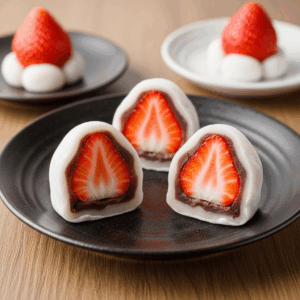
A1: Sweet Strawberry Mochi, or Ichigo Daifuku, is a delightful Japanese confection that pairs a whole juicy strawberry with a sweet red bean paste, all wrapped in a pillowy, chewy mochi shell. It’s a harmony of textures and flavors-fruity, sweet, and soft-that has captured hearts worldwide.
Q2: Where does this treat come from?
A2: While mochi itself is a traditional Japanese staple often enjoyed during festivals and holidays, the strawberry-filled variant is a more modern twist that became popular in the late 20th century. It combines classic mochi craftsmanship with the fresh tang of strawberries, making it both nostalgic and refreshingly new.
Q3: What makes the mochi in this recipe so special?
A3: Mochi’s signature chewiness comes from glutinous rice flour, which when steamed or microwaved and kneaded, becomes a stretchy, soft dough. In Sweet Strawberry Mochi, this delicate texture contrasts beautifully with the juicy strawberry and smooth red bean paste, creating an irresistible mouthfeel.
Q4: Can I use any type of strawberry?
A4: Absolutely! While traditional recipes favor ripe, medium-sized strawberries for balance, feel free to experiment with local varieties. Just ensure the berries are fresh and sweet to complement the mochi’s subtle flavors.
Q5: Is Sweet Strawberry Mochi difficult to make at home?
A5: Not at all! The recipe is surprisingly simple, requiring a handful of ingredients and some patience. The most important step is handling the sticky mochi dough with care-dust your hands with starch to avoid sticking, and gently wrap the mochi around the strawberry filling.
Q6: What’s the best way to enjoy Sweet Strawberry Mochi?
A6: Serve them fresh at room temperature, ideally within a day or two of making them. They pair wonderfully with green tea, offering a perfect balance of sweetness and bitterness. Enjoy as a snack, dessert, or even a charming gift for friends!
Q7: Can I customize the filling?
A7: Definitely! While sweet red bean paste (anko) is traditional, you can get creative with white bean paste, chocolate ganache, or even matcha-flavored creams. Just remember to maintain a good balance so the mochi doesn’t become overwhelmed.
Q8: Any tips for storing Sweet Strawberry Mochi?
A8: Mochi is best eaten fresh, but if you need to store it, place the treats in an airtight container and keep them in the refrigerator for up to two days. However, refrigeration may slightly harden the mochi, so let them come to room temperature before enjoying.
With this Q&A, you’re ready to embark on your own journey into making and savoring Sweet Strawberry Mochi, a little bite of Japanese magic that’s as fun to create as it is flavorful to eat!
Wrapping Up
As the last bite of sweet strawberry mochi melts away, it leaves behind more then just a lingering taste-it carries the essence of Japan’s delicate artistry and time-honored tradition. This irresistible treat, with its perfect harmony of soft, chewy mochi and luscious, ripe strawberries, invites you to savor a moment of simple joy and cultural richness. Whether you’re a seasoned mochi lover or a curious first-timer, making this recipe at home offers a delicious glimpse into Japan’s culinary heart. So, next time you crave something sweet and uniquely satisfying, remember that the magic of strawberry mochi is only a few steps away-ready to delight your senses and inspire your kitchen adventures.