

Discover the hidden universe beneath the soil—tiny but mighty marvels that shape landscapes and sustain life. Seeds, nature’s original innovators, hold the secrets of growth, survival, and renewal. Join us as we explore their incredible designs, strategies, and resilience that quietly drive our world forward.
Seeds Uncovered reveals the remarkable journey hidden within every tiny seed-the miracle of life from soil to sprout. Whether your a seasoned gardener or a curious beginner, understanding the optimal conditions for germination unlocks the secret to nurturing vibrant, healthy seedlings. This guide will inspire you to harness nature’s wisdom and cultivate sustainable growth with intention and care.
Prep and Cook Time
- Readiness: 10 minutes
- Germination period: 3 to 14 days (varies by seed type)
- Seedling nurturing: 2 to 4 weeks
Yield
- Varies depending on seed quantity; typically 20-30 sturdy seedlings from 1 cup of quality seeds
Difficulty Level
- Easy to Medium – perfect for all skill levels with patience and care
Ingredients
- 1 cup organic seeds (such as sunflower, basil, or pea seeds), selected and fresh
- Filtered water for soaking and hydration
- Seed-starting soil mix, light and well-draining
- Seed trays or small pots with drainage holes
- Plastic wrap or humidity dome to maintain moisture
- Grow light or sunny windowsill for consistent warmth and light
Instructions
- Choose quality seeds: Begin with healthy, viable seeds. For best results, inspect seeds to remove damaged or discolored ones-these won’t sprout effectively.
- Soak seeds: place seeds in a shallow bowl with filtered water. Soak for 8-12 hours to soften the seed coat and speed germination. Avoid over-soaking; too much water can cause rot.
- Prepare your containers: Fill seed trays or pots with moist seed-starting soil. The soil should be light, loose, and evenly moist, not soggy.
- Sow seeds shallowly: Plant seeds according to their size-small seeds just beneath the surface, larger seeds about twice their diameter in depth. Cover lightly with soil.
- Maintain warmth and humidity: Cover containers with plastic wrap or a humidity dome. Place trays in a warm spot (70-75°F/21-24°C) or use a heating mat. Proper warmth encourages rapid sprouting.
- Keep soil moist: mist soil daily or gently water to keep it evenly moist. Avoid waterlogging; excess moisture invites fungal issues.
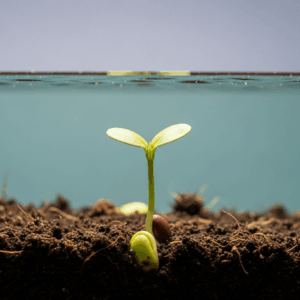
- Provide light once sprouts appear: After germination, move seedlings to a shining location or under grow lights for 12-16 hours daily to develop green, sturdy shoots.
- Thin seedlings: When seedlings develop their first true leaves, thin to one plant per cell or pot to reduce competition for nutrients and light.
- Harden off seedlings before transplanting: Gradually expose young plants to outdoor conditions over 5-7 days, increasing sunlight and airflow each day.
Tips for Success
- Seed Selection and Storage: Always store seeds in a cool, dry place inside airtight containers. Proper storage can extend seed viability by years, ensuring robust future growth.
- Water Quality Matters: Using filtered or rainwater avoids chlorine and impurities that can hinder seed germination and seedling health.
- Humidity Control: Use a spray bottle instead of heavy watering to maintain a delicate moisture balance in the soil.
- variety Experimentation: Not all seeds have the same requirements-try different methods such as scarification or stratification for more demanding varieties.
- Common Troubleshooting: If seedlings look leggy, increase light exposure. If mold appears, improve airflow and reduce watering.
- Make Ahead: Seeds can be pre-soaked and stored briefly in the refrigerator for up to 24 hours before planting to synchronize germination.
Serving Suggestions
Once nurtured to healthy seedlings, transplant your young plants into garden beds or larger pots to bask in sunshine and nourish them into maturity. Present your homegrown greens as a centerpiece for your kitchen windowsill garden or share seedlings with fellow gardening enthusiasts as thoughtful, living gifts. Garnish your planting pots with pretty labels or natural markers like small stones to create an inviting, artisanal touch.

| Nutrient | Amount per Seedling |
|---|---|
| Calories | 5 kcal |
| Protein | 0.3 g |
| Carbohydrates | 1.2 g |
| Fat | 0.1 g |
For deeper insights on seed selection and sustainable gardening practices, check out our Sustainable Gardening Tips. Learn more from authoritative sources like The Royal Horticultural Society on seed germination best practices.
Q&A
Q&A: Seeds Uncovered – Tiny Marvels That Grow Our World
Q1: What exactly is a seed, and why is it considered a “tiny marvel”?
A seed is a plant’s embryonic beginning-an incredible package containing life’s potential wrapped in a protective coat. Inside, it holds a miniature plant and the necessary nutrients to kickstart growth. Despite its diminutive size, a seed can transform into towering trees, vibrant flowers, or abundant crops, truly making it a tiny marvel of nature’s engineering.
Q2: How do seeds “know” when it’s the right time to grow?
Seeds are remarkably sensitive to their surroundings. Some require warmth, others need a period of cold (a process called stratification), and many respond to moisture or even light. These cues signal that conditions are favorable for growth, ensuring the young plant has its best chance to thrive once it breaks through the soil.
Q3: What roles do seeds play beyond just growing plants?
Seeds are the foundation of most terrestrial ecosystems. They feed countless animals-from birds to insects-and act as natural reservoirs of genetic diversity. Moreover, they’ve been instrumental in agriculture and human civilization, enabling us to cultivate food, medicine, and fibers for millennia.
Q4: How do seeds travel from one place to another?
Nature has devised clever transport strategies: some seeds hitch rides on animals’ fur, others float gracefully on the wind, and a few even survive long journeys inside digestive tracts. This dispersal ensures plants colonize new areas, promoting biodiversity and ecosystem resilience.
Q5: Can all seeds stay dormant indefinitely?
Not quite! While some seeds can remain dormant for decades, waiting patiently for ideal conditions, others have shorter lifespans. Dormancy is nature’s way of pausing development to avoid unfavorable seasons, but eventually, most seeds either sprout or perish.
Q6: What can we learn from seeds in terms of sustainability and innovation?
Seeds teach us resilience, patience, and adaptability-qualities vital for sustainable living. Scientists study seed structures and germination cues to develop better crops and restore damaged ecosystems. even in technology, the seed’s compact, efficient design inspires innovations in packaging and bioengineering.
Q7: Why should we care about preserving seed diversity?
Preserving seed diversity safeguards the planet’s botanical heritage and supports food security. Diverse seeds harbor unique traits-like drought tolerance or disease resistance-that could be key to adapting agriculture amid climate change. Protecting seed banks and natural habitats is preserving the blueprint for future growth.
Seeds are more than just the start of a plant’s life-they are nature’s silent architects, bioengineered capsules of life’s endless possibilities. By uncovering their secrets, we gain deeper thankfulness for these tiny marvels that quite literally grow our world.
Wrapping Up
As we close this chapter on the remarkable journey of seeds, we are reminded that these tiny marvels hold the very blueprint of life itself. From the delicate patterns etched on their coats to the powerful potential nestled within, seeds are not just beginnings-they are the silent architects of forests, fields, and gardens that sustain our world. By understanding and appreciating the humble seed, we unlock a deeper connection to nature’s ingenuity and the cycles that nourish our planet. So next time you hold a seed between your fingers, remember: in that small, unassuming vessel lies the promise of growth, renewal, and the endless wonder of life itself.