
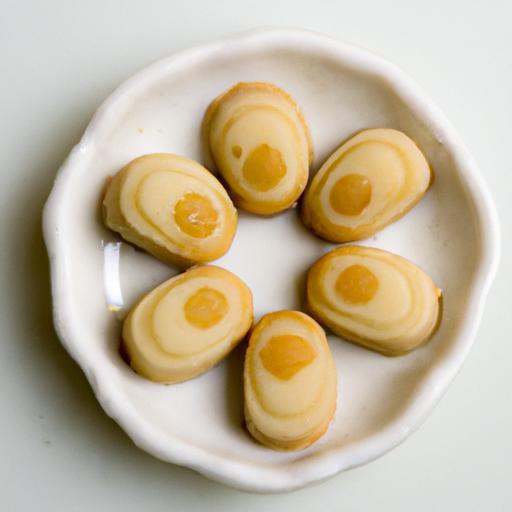
In the bustling heart of many East Asian celebrations lies a humble yet enchanting treat that carries with it centuries of hope, luck, and sweet tradition-Fa Gao cakes. Known as “prosperity cakes” or ”fortune cakes,” these fluffy, flower-shaped steamed pastries are much more than just a dessert; they are edible symbols of rising success and good fortune.From vibrant festivals to quiet family altars, the delicate cracks on Fa GaoS surface tell a story of renewal and aspiration, where each bite invites a taste of rising fortune. Join us as we unravel the rich history, cultural significance, and the art behind crafting these charming cakes that continue to sweeten celebrations around the world.
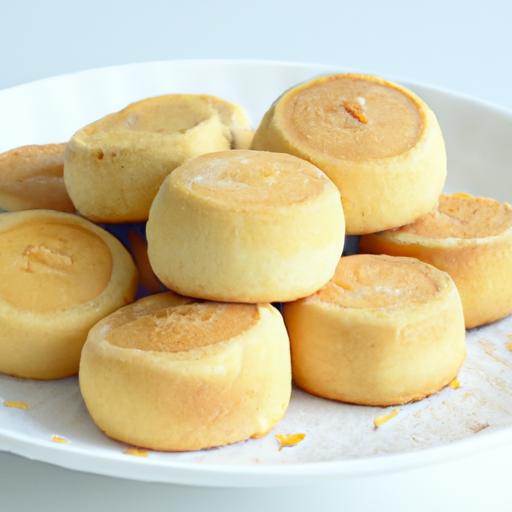
Rising fortune begins with the delicate bloom of Fa gao cakes, a beloved sweet symbol cherished across many Asian cultures. These spongy, steamed rice flour cakes are more than desserts-they embody prosperity and good luck, especially during Lunar New Year celebrations. Their trademark “split tops” represent the blossoming of fortune, a visual and flavorful party that has been passed down through generations.
Prep and Cook Time
- Planning: 15 minutes
- Proofing: 45 minutes to 1 hour
- Steaming: 15 minutes
- Total Time: Approximately 1 hour 15 minutes to 1 hour 30 minutes
Yield
Makes 6 individual Fa Gao cakes.
Difficulty Level
Medium - requires precision in fermentation and steaming for perfect rise.
Ingredients
- 1 cup rice flour (preferably glutinous rice flour for softness)
- 3/4 cup white sugar, finely granulated
- 1 tsp active dry yeast
- 1/2 cup warm water (around 38°C/100°F)
- 1 tsp baking powder (optional, for extra lift)
- Natural food coloring or pandan juice for coloring (optional)
- Oil to grease molds
Instructions
- Activate the yeast: In a small bowl, combine the warm water and yeast. Stir gently and let it sit for 5-10 minutes until foamy and bubbly, indicating the yeast is alive.
- prepare the batter: In a large mixing bowl, sift together the rice flour and baking powder.Gradually add the sugar and yeast mixture, stirring continuously until you achieve a smooth, thick batter. If desired, incorporate natural food coloring or pandan juice here for signature vibrant hues.
- Ferment the batter: Cover the bowl with a clean cloth and leave it in a warm spot for 45 minutes to 1 hour. The batter should become noticeably bubbly and aerated-this fermentation is vital for the cake’s rising magic.
- Grease molds: Lightly oil your silicone or metal molds to prevent sticking. Traditional round molds are ideal to encourage the iconic “crack” split on top.
- Pour batter into molds: Fill each mold about two-thirds full to allow room for the cakes to expand.
- Steam the cakes: Bring a steamer to a rolling boil. Place the molds on a rack inside the steamer, cover with a lid wrapped in a clean cloth to catch condensation, and steam for 15 minutes. Avoid opening the lid during steaming to keep consistent heat and steam flow.
- Check and cool: After 15 minutes, test doneness with a toothpick-it should come out clean. Remove the molds carefully and cool the cakes briefly before unmolding to maintain shape.
Tips for Success: Mastering the Rising Fortune Experience
- consistent warmth is key: Yeast fermentation thrives best in a warm,draft-free environment. Use an oven with the light on or a proofing box if available.
- Experiment with flours: Traditional recipes favor rice flour alone, but a blend with glutinous rice flour offers a chewier texture while maintaining the cake’s tender crumb.
- Natural flavor accents: Infuse pandan leaf juice instead of water for aroma or swirl in red bean paste for regional sweetness variation.
- Watch the steaming time closely: over-steaming causes sogginess; under-steaming leaves raw batter. The 15-minute mark is your golden rule.
- Storing leftovers: Refrigerate in airtight containers and steam again briefly to refresh chammy softness.
Serving Suggestions: Presentation and Pairings
Present your Fa Gao cakes on a simple white ceramic plate to emphasize the striking split tops and airy texture.Garnish with a sprinkle of toasted sesame seeds or edible gold flakes for festive glimmer. These cakes pair beautifully with delicate jasmine tea, balancing their sweet notes with floral brightness. For a modern twist, consider serving alongside coconut milk drizzle or fresh tropical fruits like lychee or mango to amplify the sensory experience.

| Nutrient | Per Serving (1 cake) |
|---|---|
| Calories | 150 kcal |
| Protein | 2 g |
| Carbohydrates | 35 g |
| Fat | 0.2 g |
For an expanded exploration into traditional Asian steamed cakes, check out our guide on steamed desserts. To learn more about the cultural significance of Lunar New Year foods, visit Britannica’s detailed article.
Q&A
Q&A: Rising Fortune - The Sweet Tradition of Fa Gao Cakes
Q1: What exactly is a Fa Gao cake?
A1: Fa Gao (发糕), often known as the “Prosperity Cake,” is a traditional Chinese steamed cake characterized by its fluffy, spongy texture and its signature cracked top that resembles a blossoming flower.Made primarily from rice flour and sugar, this cake is not only a tasty treat but also a symbol of good luck and fortune.
Q2: Where does the tradition of Fa Gao originate?
A2: The Fa Gao cake has deep roots in chinese culture,dating back centuries to imperial times. its often associated with festivals and auspicious occasions, especially the Lunar New Year, where families prepare or purchase these cakes to invite prosperity and growth in the coming year.Its name “Fa” is a homonym for “wealth” or “to grow,” which is why it’s lovingly called a cake of rising fortune.
Q3: Why does the Fa Gao cake have those unique cracks on the top?
A3: The iconic cracks on the top of Fa Gao are more than just aesthetic-they symbolize the cake’s “rise” or growth, reflecting the owner’s increasing luck and prosperity. This distinct “blooming” effect is achieved through a careful balance of leavening agents and steam, causing the batter to expand and split open like a blossoming flower.
Q4: How is Fa Gao traditionally made?
A4: Traditionally, Fa Gao is made by mixing rice flour with water and sugar, then fermenting the batter slightly before steaming in a mold.The batter’s fermentation helps create a light, airy texture, while the steaming process gives it its moist softness and encourages the characteristic top split. Some variations include colored layers or natural flavorings such as pandan, red bean, or taro.
Q5: What occasions call for making or sharing Fa Gao?
A5: Fa Gao cakes are most commonly enjoyed during the Lunar New Year celebrations to wish for prosperity and success. They are also offered at ancestral altars and temples during religious ceremonies and can be gifted during weddings or other joyous milestones to spread blessings and good fortune.
Q6: Has Fa Gao evolved in modern times?
A6: Absolutely! While the traditional rice flour base remains cherished, modern bakers have experimented with new ingredients and styles. From pandan-infused green cakes to colorful layered versions and even mini bites perfect for parties,Fa Gao continues to delight with a blend of old-world symbolism and contemporary tastes.
Q7: Why is Fa Gao vital culturally beyond its taste?
A7: Fa Gao is more than just a dessert; it’s a culinary expression of hope and aspiration.Every crack on its surface is a metaphor for breaking through obstacles and blossoming success. this makes it a beloved cultural icon that connects food with the intangible joys of growth, renewal, and collective fortune.
Q8: How can someone try making Fa Gao at home?
A8: Making Fa Gao at home is a satisfying project that requires patience and a bit of practice. The key is to prepare a slightly fermented batter and steam it properly to encourage the signature rise and cracking. Plenty of recipes online guide beginners through the process, encouraging food lovers worldwide to partake in this sweet tradition of rising fortune.
Through its delicate cracks and fluffy texture, Fa Gao cakes continue to embody the timeless hope for prosperity, making every bite a celebration of culture, history, and sweet luck.
Future Outlook
As the warm, fragrant steam rises from a freshly baked Fa Gao cake, so too does the story of a tradition that has sweetened celebrations for centuries. more than just a treat, Fa Gao embodies hopes for prosperity, unity, and new beginnings-its fluffy peaks a symbol of fortune ascending. Weather enjoyed during Lunar New Year festivities or passed down through generations as a cherished family recipe, the humble Fa Gao continues to rise in cultural significance and flavor. So next time you savor its tender crumb, remember: each bite is a appetizing piece of history, a sweet reminder that in every rising cake, there’s a rising fortune waiting to be shared.