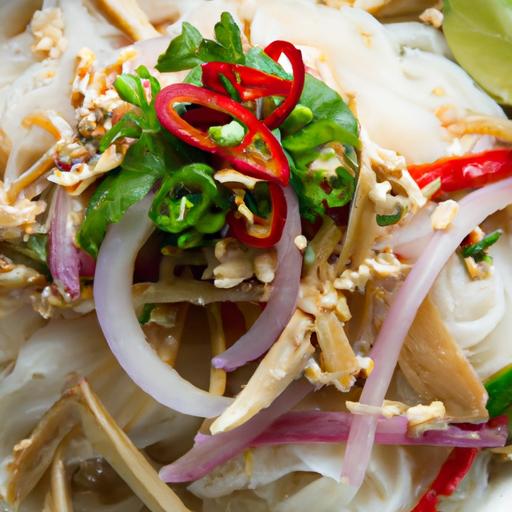

In the vibrant tapestry of Asian cuisine, few ingredients carry the subtle elegance and versatile charm of rice noodles. These delicate strands, woven from the humble grain of rice, have journeyed through centuries and landscapes, becoming a beloved staple from the bustling street markets of Bangkok to the serene kitchens of Hanoi. “Rice Noodles Unveiled: A Delicious Journey Through Asia’s Staple” invites you to explore the rich history, diverse preparations, and cultural significance behind this culinary marvel. Join us as we unravel the story of rice noodles-where tradition meets innovation, and simplicity transforms into mouthwatering artistry.
Rice noodles unveil more than just a delicate texture and subtle flavor-thay reveal a rich tapestry woven through centuries of Asian culinary heritage. From the bustling streets of Bangkok where pad thai reigns supreme to the fragrant bowls of Vietnamese pho, these versatile strands carry stories of regional traditions and masterful techniques. My first encounter with authentic rice noodles was in a small market in Hanoi, where the balance of chewiness and softness transformed a simple bowl into a sensory masterpiece.Today, let’s dive deep into understanding how rice noodles differ across Asia, how to perfect their texture, and the best ways to marry them with vibrant local ingredients and sauces for an irresistible dining experience.
Prep and Cook Time
- Preparation: 15 minutes
- Cooking: 10 minutes
- Total Time: 25 minutes
Yield
Serves 4 generous portions
Difficulty Level
Medium – Perfect for home cooks familiar with Asian pantry staples
Ingredients
- 8 oz (225g) wide rice noodles (fresh or dried, soaked in warm water for 30 minutes if dried)
- 2 tbsp vegetable oil (neutral, such as canola or peanut)
- 3 cloves garlic, minced
- 1 small red onion, thinly sliced
- 1 cup bean sprouts, rinsed
- 2 large eggs, lightly beaten
- 1/4 cup roasted peanuts, crushed
- 3 tbsp tamarind paste
- 2 tbsp fish sauce (substitute with soy sauce for vegetarian)
- 1 tbsp palm sugar (or brown sugar)
- 1/2 cup firm tofu, cubed (optional)
- 2 stalks green onions, chopped
- 1 lime, cut into wedges
- Fresh cilantro and Thai basil for garnish
- 1 small red chili, thinly sliced (optional)
Instructions
- Prepare the rice noodles: If using dried rice noodles, soak them in warm water for 30 minutes until pliable but not mushy.Drain thoroughly and set aside to prevent sticking.
- Mix the sauce: In a small bowl,combine tamarind paste,fish sauce,and palm sugar. Stir until the sugar dissolves completely, creating a balance of sweet, sour, and salty flavors.
- Heat the wok or large skillet: Add vegetable oil and warm over medium-high heat. When shimmering, add minced garlic and sliced onions, sautéing until fragrant and slightly golden, about 2 minutes.
- Add tofu (if using): Toss in cubes and sauté for 3-4 minutes until lightly crisp and golden on all sides.
- Push ingredients to the side: Pour beaten eggs into the center of the wok. Scramble gently, stirring until just set.
- Incorporate noodles and sauce: Add drained rice noodles and pour sauce mixture over them. Using tongs or two spatulas, toss delicately to coat the noodles evenly while heating through, about 3-4 minutes. Avoid over-stirring to preserve the noodle’s tender chew.
- Finish with fresh ingredients: Fold in bean sprouts and chopped green onions. Cook another 1-2 minutes until sprouts are just tender but still crunchy.
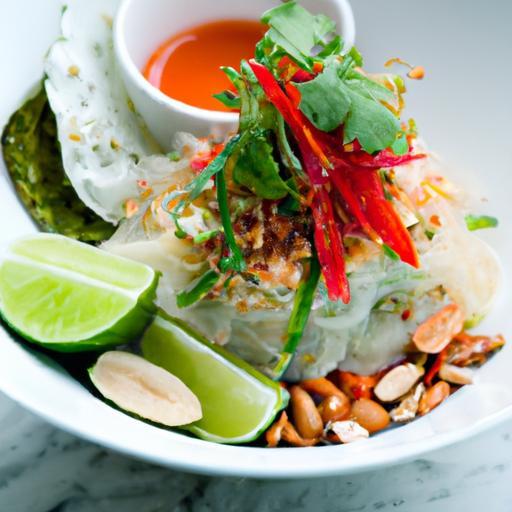
- Plate and garnish: Serve instantly, sprinkled with crushed peanuts, fresh cilantro, Thai basil leaves, lime wedges, and optional sliced chili for a pop of heat.
Tips for Success
- Choose the right noodle width: Wide rice noodles are ideal for stir-fries like this, whereas thin ones perform better in soups or cold salads.
- Soak, don’t boil: Soaking dried noodles prevents them from becoming sticky or breaking during stir-frying.
- Balance your sauce: The hallmark of authentic dishes lies in balancing sour (tamarind), sweet (palm sugar), salty (fish sauce), and umami. Adjust each to taste.
- Make ahead: Prepare sauce and chop fresh herbs in advance to streamline cooking.
- Vegetarian variation: Replace fish sauce with soy sauce and add mushrooms or tempeh instead of tofu for nuanced flavor.
Serving suggestions
Present this dish in shallow bowls to showcase the glossy rice noodles intertwined with colorful herbs and crunchy peanuts. Squeeze lime wedges generously atop just before eating to accentuate freshness.Pair with a crisp Asian cucumber salad or a light miso soup to complete the meal. For an extra layer of authenticity,serve alongside a small dipping bowl of chili-garlic sauce or tamarind vinaigrette.
| Nutrient | Per Serving |
|---|---|
| calories | 390 kcal |
| Protein | 12 g |
| Carbohydrates | 58 g |
| Fat | 10 g |
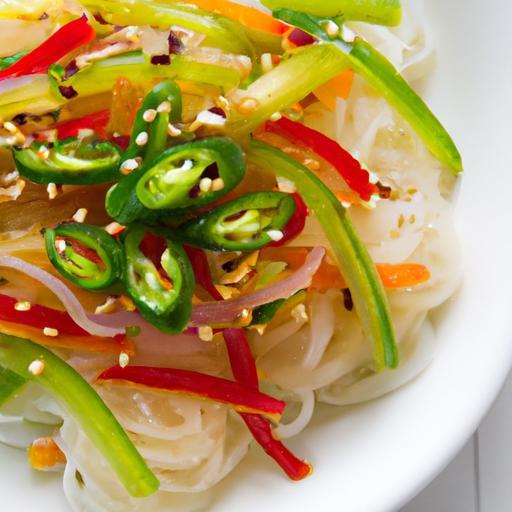
Discover More Culinary Gems Using Rice Noodles
To explore additional rice noodle recipes such as Vietnamese Pho or Malaysian Char Kway Teow, visit our thorough Ultimate Guide to Asian Noodles. For deeper insights into the cultural roots of rice noodles,the Encyclopedia Britannica offers an excellent overview.
Q&A
Q&A: Rice Noodles Unveiled – A Delicious Journey Through Asia’s Staple
Q1: What exactly are rice noodles, and how are they different from wheat noodles?
A1: Rice noodles are slender, translucent strands made primarily from rice flour and water, frequently enough without the use of eggs. Unlike their wheat counterparts, which rely on gluten for elasticity, rice noodles boast a delicate, chewy texture that’s lighter and naturally gluten-free. This makes them a staple in many Asian cuisines, loved for their subtle flavor and versatility.
Q2: Which countries in asia are famous for their rice noodle dishes?
A2: Rice noodles weave their way through the culinary tapestries of Thailand, Vietnam, China, Malaysia, and beyond.From Thailand’s tangy Pad Thai to Vietnam’s aromatic Pho and China’s stir-fried Chow Fun, each nation offers a unique expression, turning humble strands into unforgettable meals.
Q3: Are rice noodles always thin, or do they come in different shapes and sizes?
A3: Rice noodles parade in a glorious variety of forms! They can be paper-thin vermicelli, broad and flat like in Cantonese dishes, or even thick, chewy ribbons. This diversity not only affects texture but also guides the cooking technique and accompanying flavors.
Q4: How are rice noodles traditionally made?
A4: Traditionally,rice noodles start with soaking rice grains,then grinding them into a fine flour. This flour is mixed with water to form a batter, which is steamed or pressed into thin sheets before being cut into noodles.Although modern production often involves machinery,homemade versions retain a rustic charm and slightly different textures.
Q5: What makes rice noodles such a beloved staple across Asia?
A5: Their charm lies in adaptability and simplicity. Rice noodles absorb sauces and broths brilliantly, harmonizing with robust herbs, spices, and proteins. Plus, they’re swift to cook, affordable, and cater to various dietary needs – making them an enduring culinary hero.
Q6: Can rice noodles be enjoyed in both hot and cold dishes?
A6: Absolutely! They shine in steaming bowls of soup, like Vietnamese pho, and also in refreshing salads, such as Thai Yum Woon Sen. Chilled rice noodle dishes showcase their subtle texture against zesty dressings and crisp vegetables, proving their year-round appeal.
Q7: What tips can definitely help someone cook rice noodles perfectly at home?
A7: Patience is key! Soak or gently boil noodles according to their thickness, avoid overcooking to prevent mushiness, and rinse under cold water to stop the cooking process. Tossing them with a bit of oil can prevent sticking, and incorporating them at the right moment during stir-frying ensures they soak up just the right amount of flavor.
Q8: How have rice noodles influenced modern global cuisine?
A8: From bustling street markets in Asia to trendy fusion restaurants worldwide, rice noodles have inspired chefs to experiment and innovate. They bridge cultures by pairing with unexpected ingredients,inviting food lovers on a delicious journey blending tradition with creativity.
Q9: Are rice noodles nutritious?
A9: While primarily a source of carbohydrates, rice noodles are low in fat and cholesterol-free. Pairing them with vegetables, lean proteins, and sauces rich in herbs and spices boosts their nutritional profile, making for a balanced and wholesome meal.
Q10: What’s the best way to experience rice noodles for the first time?
A10: Embark on a tasting adventure! Try a classic dish like vietnamese Pho or Thai Pad See Ew at an authentic eatery. Savor the layers of flavor,the interplay of textures,and let the experience transport you to the heart of Asia’s vibrant food culture.
Concluding Remarks
As we close the chapter on our flavorful expedition through Asia’s beloved rice noodles,it’s clear that these humble strands are much more than mere staples-they are vibrant threads woven into the rich tapestry of countless cultures. From the bustling street markets of Bangkok to the tranquil tables of rural Vietnam, rice noodles carry stories of tradition, innovation, and the enduring human love for food that nourishes both body and soul. Whether stir-fried, soaked, or served in a fragrant broth, rice noodles invite us to savor history one bite at a time. So next time you lift those slippery strands to your lips, remember: you’re not just enjoying a dish-you’re partaking in centuries of delicious heritage that continues to connect a diverse and dynamic region, one noodle at a time.