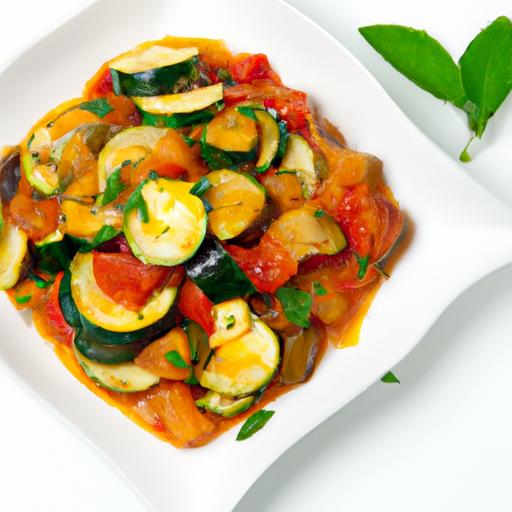

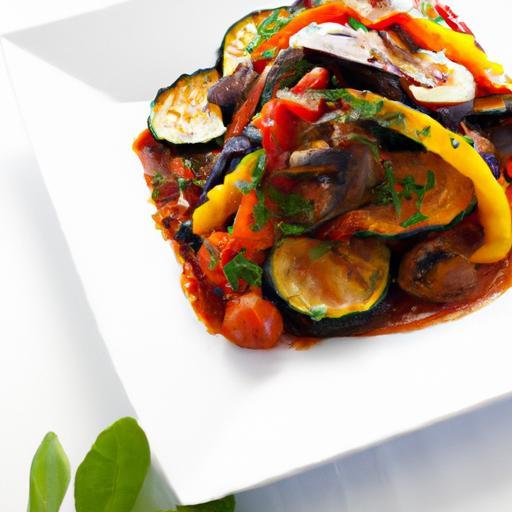
In the heart of Provençal France, where sun-kissed vegetables and fragrant herbs breathe life into every meal, ratatouille stands as a timeless emblem of rustic elegance. This beloved dish, with its vibrant medley of zucchini, eggplant, tomatoes, and bell peppers, isn’t just a feast for the eyes-it’s a party of nature’s bounty in full bloom. Weather you’re a seasoned chef or a curious kitchen adventurer, our Ratatouille Recipe: A Vibrant Guide to Classic French Flavor will take you on a sensory journey through the Provençal countryside, unlocking the secrets to creating this colorful, comforting masterpiece that sings with authentic, sunny goodness. Prepare to infuse your home cooking with a splash of French tradition and a burst of garden-fresh delight.
Ratatouille Recipe: A Vibrant Guide to Classic French Flavor begins with selecting the freshest, most vibrant vegetables to truly capture the essence of Provence. This rustic yet elegant dish is a celebration of summer’s bounty, where each ingredient plays a pivotal role in layering its fragrant, harmonious flavors. From garden-fresh tomatoes bursting with juiciness to aromatic herbs picked at thier peak, the conversion from simple produce to a visually stunning and palate-pleasing masterpiece is a culinary journey worth savoring.
Prep and Cook Time
- Preparation: 25 minutes
- Cooking: 45 minutes
- Total Time: 1 hour 10 minutes
Yield
Serves 4 to 6 as a main or side dish
difficulty Level
Medium – Perfect for home cooks ready to elevate their vegetable game
Ingredients
- 2 medium eggplants,sliced into ¼-inch rounds
- 3 medium zucchinis,sliced into ¼-inch rounds
- 4 ripe tomatoes,peeled and diced (or canned San Marzano tomatoes for off-season)
- 1 large yellow bell pepper,thinly sliced
- 1 large red bell pepper,thinly sliced
- 1 large onion,finely chopped
- 3 cloves garlic,minced
- ⅓ cup good-quality olive oil
- 1 tsp fresh thyme,finely chopped
- 1 tsp fresh rosemary,finely chopped
- 1 tbsp fresh basil,chiffonade
- Salt and freshly ground black pepper,to taste
- Fresh parsley,for garnish
Instructions
- Prepare the base: In a large skillet,heat 2 tablespoons of olive oil over medium heat. Sauté the chopped onion and minced garlic until translucent and fragrant, about 5 minutes.Add the diced tomatoes and herbs (thyme, rosemary), cooking gently until the mixture thickens into a rich sauce, approximately 15 minutes. Season with salt and pepper. Set aside.
- Sauté the vegetables: Heat remaining olive oil in batches in a separate pan. Lightly brown eggplant slices until tender but not mushy, about 4 minutes per side. Repeat with zucchini slices and bell peppers. This step enhances flavor and reduces excess moisture to avoid sogginess.
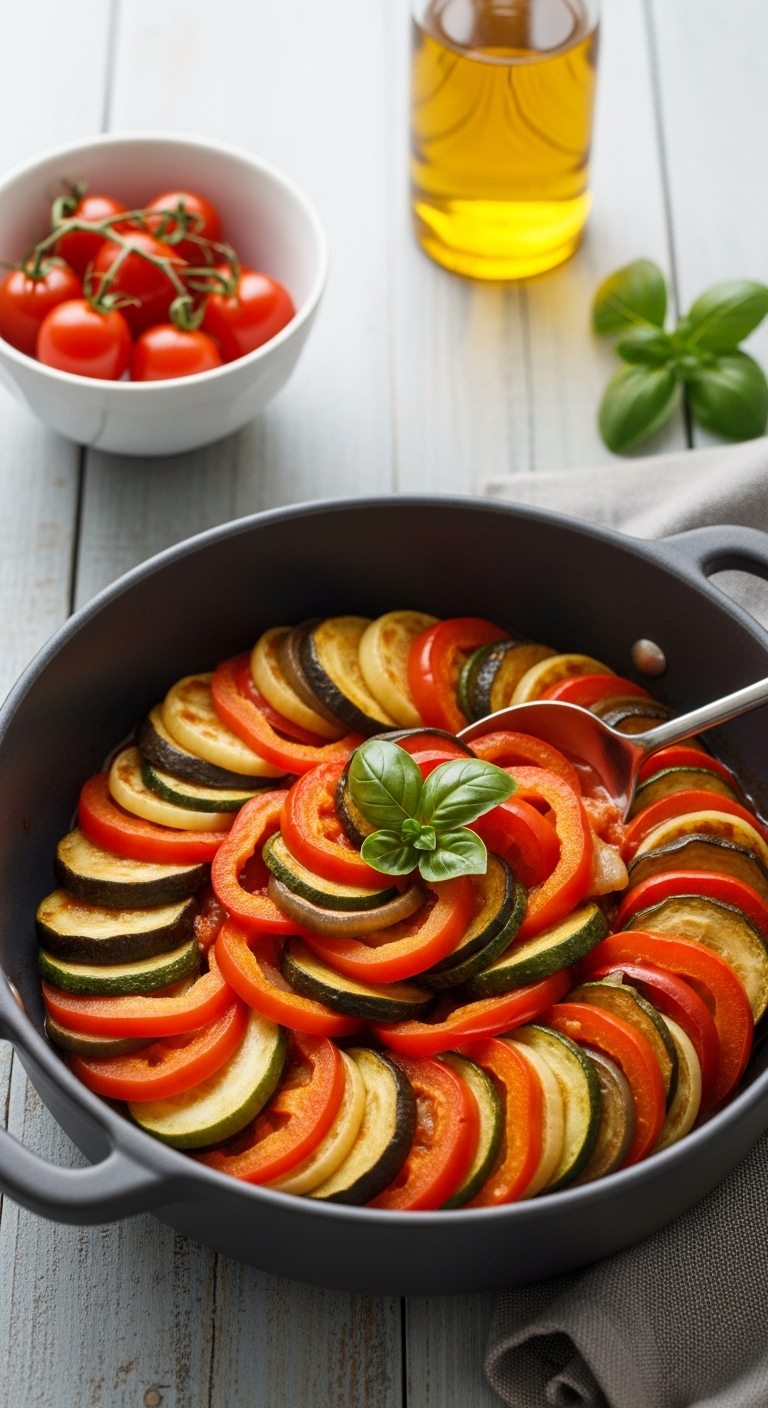
- Layer the ratatouille: Preheat oven to 375°F (190°C). In a shallow baking dish, spread the tomato sauce evenly. Arrange the vegetables vertically in alternating colors for a stunning rainbow effect-eggplant, zucchini, tomato, and bell pepper slices-in a concentric or linear pattern.
- Season and bake: lightly brush the arranged vegetables with olive oil, sprinkle a pinch of salt and pepper, cover tightly with parchment paper or foil, and bake for 40 minutes. Remove the cover for the last 10 minutes to allow gentle caramelization.
- Finish with fresh herbs: Remove from oven and sprinkle freshly chiffonaded basil and parsley over the top.Let it rest for 5 minutes before serving, allowing the flavors to meld beautifully.
Chef’s Notes
- Vegetable substitutions: Feel free to include yellow squash or omit bell peppers for a milder profile.
- Make-ahead tip: Ratatouille tastes even better the next day. prepare it in advance and gently reheat.
- Texture balance: sautéing vegetables separately is key to preserving their textures and intensifying flavor-don’t skip this step!
- Herb alternatives: If fresh herbs aren’t available, use high-quality dried herbs but reduce quantities by half.
Serving Suggestions
Serve your ratatouille warm or at room temperature, accompanied by crusty French bread or a creamy polenta.Garnish with a drizzle of extra virgin olive oil and a sprinkle of shaved Parmesan or crumbled goat cheese for a decadent twist. for a complete, balanced meal, pair with a light green salad tossed in lemon vinaigrette.
Pairing Ratatouille Recipe: A Vibrant Guide to Classic French Flavor with Wines and Sides
This dish pairs wonderfully with medium-bodied red wines such as a Provençal Grenache or Pinot Noir. The earthiness of the ratatouille complements the shining berry notes, while their acidity balances the dish’s richness. Alternatively, a chilled Sauvignon Blanc or dry Rosé highlights the fresh vibrant notes of the tomatoes and herbs.
For sides, consider serving alongside garlic mashed potatoes, quinoa pilaf, or simply a toasted baguette to soak up those luscious juices.
| Nutritional Info (per serving) | Calories | Protein | carbs | Fat |
|---|---|---|---|---|
| Ratatouille | 130 kcal | 3 g | 18 g | 6 g |
For more inspiring vegetable dishes, browse our vegetable recipes collection and discover fresh ways to celebrate seasonal produce.
Q&A
Q&A: Ratatouille Recipe – A Vibrant Guide to Classic French Flavor
Q1: What exactly is ratatouille,and why is it such a beloved French dish?
A: Ratatouille is a rustic Provençal vegetable stew bursting with vibrant colors and flavors. Traditionally, it features a medley of eggplant, zucchini, bell peppers, tomatoes, onions, and herbs gently simmered to create a harmonious symphony of fresh, earthy tastes. It’s beloved for its simplicity, versatility, and the way it celebrates the essence of summer’s bounty.
Q2: Can you give a brief history or origin of ratatouille?
A: Ratatouille hails from the sunny region of Provence in the south of France. Initially a humble peasant dish crafted from leftover vegetables, it evolved into a celebrated classic thanks to its comforting warmth and colorful presentation. Its name comes from the French verb “touiller,” meaning to stir up, emphasizing its stew-like nature.
Q3: What are the essential ingredients needed to make an authentic ratatouille?
A: The heart of ratatouille lies in fresh, quality vegetables-eggplant, zucchini, yellow and red bell peppers, ripe tomatoes, onions, and garlic. herbs such as thyme, rosemary, and bay leaves lend aromatic depth. Olive oil is indispensable for sautéing and melding flavors, while salt and pepper season the dish naturally.
Q4: How do you achieve the perfect texture and flavor balance in ratatouille?
A: The magic resides in patience. each vegetable is often sautéed separately to preserve its texture and flavor before joining the ensemble. This prevents the stew from turning mushy and lets individual elements shine. Slow simmering afterward allows the flavors to marry beautifully without sacrificing the vegetables’ integrity.Q5: Are there variations to this classic recipe?
A: Absolutely! Some cooks arrange the vegetables in a stunning spiral or layered pattern for visual flair before baking, known as confit byaldi, popularized by the film Ratatouille. Others might add a splash of wine or a touch of balsamic vinegar for tanginess. The flexibility makes ratatouille a canvas for creativity.
Q6: Is ratatouille traditionally served hot or cold?
A: Ratatouille can be enjoyed warm, at room temperature, or even chilled-the flavors mellow and deepen with time. It’s often served as a side dish, a main vegetarian course, or a topping for crusty bread and pasta.
Q7: What are some creative ways to enjoy ratatouille beyond the traditional?
A: Think beyond the bowl: use ratatouille as a filling for savory crepes, swirl it into creamy polenta, top grilled meats or fish, or fold it into flaky puff pastry for a colorful tart. Its vibrant flavors lend themselves beautifully to both rustic and refined culinary adventures.
Q8: Any tips for first-timers making ratatouille at home?
A: Embrace the rhythm of fresh ingredient prep: slice veggies evenly, sauté with care, and don’t rush the simmer. Use ripe, seasonal produce for the richest flavor.And remember, like any stew, ratatouille tastes even better the next day once the flavors have mingled – making it perfect for advance cooking.
Q9: How does ratatouille reflect the broader ideology of French cooking?
A: Ratatouille embodies the French culinary ethos of honoring fresh, local ingredients and simple techniques to craft deeply flavorful dishes. It’s a celebration of seasonality, balance, and respect for nature’s gifts-transforming humble vegetables into an elegant experience.
Q10: Where can I find inspiration to make my ratatouille truly authentic?
A: Dive into Provençal cookbooks, explore French markets for vibrant produce, or watch classic French cooking shows. Films like ratatouille also offer whimsical inspiration, reminding us that passion and creativity bring any recipe to life. Most importantly, cook with love and savor each colorful spoonful!
The Conclusion
As you tuck away your knife and savor the final aroma wafting from your pot, remember that Ratatouille is more than just a dish-it’s a celebration of rustic French tradition and vibrant, seasonal bounty. This colorful medley of fresh vegetables invites you to explore the harmony of simple ingredients transformed through patience and care. Whether served as a hearty main or a charming side, mastering this timeless recipe opens a window into the heart of Provencal cuisine. So next time you crave a taste of France, let your kitchen become a canvas, and ratatouille your masterpiece-a flavorful journey that’s as delightful to make as it is to eat. Bon appétit!