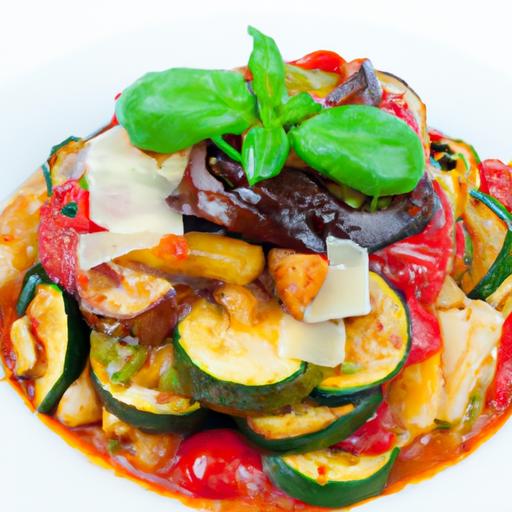

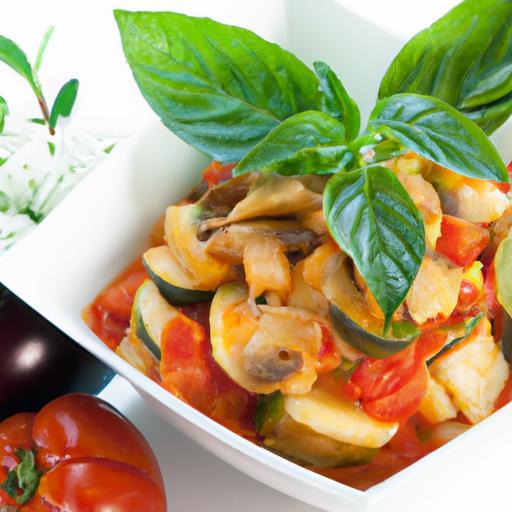
Imagine a dish bursting with the vibrant essence of summer—ratatouille, a colorful Provençal stew from southern France. More than just a vegetable medley, it celebrates tradition, simplicity, and fresh ingredients in perfect harmony. Join us on a flavorful journey to explore ratatouille’s rich history and learn a classic recipe that turns humble vegetables into a soul-nourishing feast.
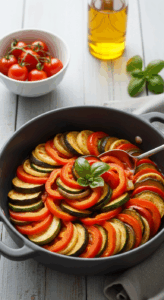
Ratatouille Recipe: A Colorful Journey to Classic Flavor
Ratatouille recipe is a timeless celebration of fresh, vibrant vegetables harmonizing in a symphony of classic Provençal taste. This dish, born in the sun-drenched kitchens of southern France, invites you to savor each layer of responsibly sourced, seasonal produce. Whether you’re a seasoned home cook or dipping your toes into vegetable medleys, mastering this ratatouille recipe guarantees an unforgettable, colorful journey to classic flavor that will awaken your senses and warm your heart.
Prep and Cook Time
- Readiness: 30 minutes
- Cooking: 1 hour
- Total Time: 1 hour 30 minutes
Yield
Serves 6 as a hearty side or 4 as a main course
Difficulty Level
Medium – Ideal for cooks ready to embrace layering technique and fresh ingredient handling
Ingredients
- 2 medium eggplants, sliced into 1/4 inch rounds
- 2 medium zucchinis, sliced into 1/4 inch rounds
- 2 ripe vine tomatoes, sliced thinly
- 1 large yellow bell pepper, julienned
- 1 large red bell pepper, julienned
- 1 medium onion, finely chopped
- 3 cloves garlic, minced
- 4 tbsp extra virgin olive oil, divided
- 1 cup tomato passata or crushed tomatoes
- 1 tbsp fresh thyme, finely chopped
- 1 tsp fresh rosemary, minced
- 1 tsp herbs de Provence
- Salt and freshly ground black pepper, to taste
- Fresh basil leaves, for garnish
- 1 tbsp balsamic vinegar (optional, for added depth)
Instructions
- Prepare the base: In a large skillet, heat 2 tablespoons olive oil over medium heat. Add the finely chopped onion and sauté until translucent, about 5 minutes. Stir in minced garlic and cook for an additional 1 minute until fragrant. Pour in the tomato passata and simmer gently for 10 minutes. Season with salt, pepper, and half of the thyme and rosemary. Transfer this sauce to a shallow ovenproof dish, spreading evenly across the bottom – this will form the flavorful base.
- Slice and salt vegetables: Lay the eggplant and zucchini slices on layers of paper towels. Lightly sprinkle with salt to draw out moisture and bitterness; let sit for about 20 minutes. Pat dry thoroughly to avoid sogginess during cooking.
- Pre-cook bell peppers: In the same skillet, add 1 tablespoon olive oil and sauté the julienned yellow and red bell peppers until tender, about 5 minutes. Set aside.
- assemble the layers: Alternate slices of eggplant, zucchini, and tomato over the tomato base in a circular or linear pattern, visually appealing and consistently thin for even cooking. Tuck the sautéed bell peppers between the layers or artfully scatter on top.
- Season the layers: Drizzle the remaining 1 tablespoon olive oil over the arranged vegetables. sprinkle the rest of the thyme, rosemary, herbs de Provence, salt, and freshly ground black pepper evenly over the top.
- Bake to perfection: Cover the dish loosely with aluminum foil. bake in a preheated oven at 375°F (190°C) for 30 minutes. Remove the foil and bake for another 15-20 minutes until the vegetables are tender and slightly caramelized on top.
- Rest and garnish: Let the ratatouille rest for 10 minutes before serving, allowing flavors to meld. Drizzle with balsamic vinegar if using, and garnish with fresh basil leaves for a vibrant, aromatic finish.
Tips for Success
- Don’t rush the salting step: This process prevents soggy eggplant, ensures balanced texture, and intensifies its natural flavor.
- Choose vibrant, firm vegetables: Look for brightly colored zucchinis, tomatoes, and eggplants free from bruises-freshness will shine through every bite.
- Herbs are essential: Using fresh thyme, rosemary, and herbs de Provence unlocks traditional flavors that define ratatouille and deepen complexity.
- Make-ahead amiable: This ratatouille tastes even better the next day. Prepare it a day ahead, refrigerate covered, and gently reheat to serve.
- Substitutions: Red onions can replace yellow onions for a sweeter note; fresh oregano can offer alternate herbal undertones.
Serving Suggestions
Present your ratatouille recipe as a centerpiece by plating its colorful layers alongside crusty artisan bread or fluffy couscous for a comforting, rustic meal. For an elegant touch, spoon a dollop of creamy chèvre or dollops of Greek yogurt on the side. Garnish with fresh basil leaves and a drizzle of quality olive oil or balsamic glaze to enhance the visual and flavor experience. Pair with a light red wine like Pinot Noir or a crisp rosé from Provence for a perfectly balanced dining experience that honors the roots of classic French cuisine.

| Nutrient | Amount per Serving |
|---|---|
| calories | 180 kcal |
| Protein | 4 g |
| Carbohydrates | 22 g |
| Fat | 8 g |
For more vegetable-forward dishes and expert preparation tips, visit our Vegetarian Recipes Collection. To deepen your understanding of Provençal herbs and their culinary uses, explore this thorough Britannica article on Provence.
Q&A
Q&A: Ratatouille Recipe – A Colorful Journey to Classic Flavor
Q1: what is ratatouille, and why is it considered a classic dish?
A: Ratatouille is a traditional French Provençal stewed vegetable dish, bursting with vibrant colors and rich, layered flavors. Originating from the sunny region of Provence, it celebrates the bounty of summer harvest-zucchini, eggplant, bell peppers, tomatoes, onions, and fragrant herbs. Its timeless appeal lies in how simple, humble ingredients transform into a harmonious symphony of taste and texture.
Q2: What makes ratatouille so colorful and visually appealing?
A: The magic of ratatouille is in its palette: deep purple eggplants, radiant orange and red bell peppers, green zucchini, and ruby-red tomatoes, all sliced and arranged like a painter’s canvas. The final presentation can be rustic or elegant, but always inviting-each vegetable retaining its identity while merging into a lovely, edible mosaic.
Q3: Can you walk us through the essential steps to make a classic ratatouille?
A: Absolutely! Begin by gently sautéing onions and garlic to build your flavor base. Then, separately cook the eggplants, zucchini, and peppers to control textures and prevent sogginess. Layer these tender vegetables in a baking dish, frequently enough in a spiral or row pattern, seasoned with thyme, rosemary, and basil. Pour a tomato-based sauce over the top, drizzle with olive oil, and bake until tender and fragrant. This layering approach highlights each vegetable, creating depth and complexity.
Q4: How can this recipe be adapted for modern or dietary preferences?
A: Ratatouille is wonderfully flexible. To lighten it up, steam or roast the vegetables instead of frying. For a richer twist, add a sprinkle of Parmesan or a dollop of fresh goat cheese before serving. Vegan and gluten-free by nature, it pairs beautifully with grains like quinoa or rustic bread. For a heartier meal, consider serving it over polenta or alongside grilled proteins.
Q5: What’s the best way to serve and enjoy ratatouille?
A: Ratatouille shines both warm and at room temperature. Serve as a vibrant side dish, a standalone vegetarian entrée, or a topping for crusty bread. It also makes a stunning filling for savory crepes or a colorful accompaniment to roasted meats and fish. Leftovers develop even deeper flavor overnight, so don’t hesitate to make a batch ahead of time.
Q6: What flavors or techniques truly capture the heart of authentic ratatouille?
A: Patience is key-slowly coaxing out the distinct flavors of each vegetable ensures a rich result. The use of fresh herbs like thyme, oregano, and basil infuse an unmistakable Provençal aroma. Olive oil acts as the golden thread weaving everything together. Most importantly, respect for each ingredient allows its natural sweetness and texture to shine through, creating a celebration of rustic French countryside charm.
Embark on this colorful culinary journey and discover how ratatouille turns garden-fresh simplicity into a classic, unforgettable experience.
The Way Forward
Ratatouille is more than a dish—it’s a celebration of nature’s bounty and timeless tradition. This vibrant blend of tomatoes, zucchini, eggplant, and peppers invites home cooks to savor the simple, rich flavors of Provençal cuisine. Whether enjoyed as a comforting main or lively side, ratatouille inspires the soul with its colorful, heartfelt preparation.