
In a world where snacks often come and go,the humble pretzel stands as a timeless icon-twisted into shapes as intriguing as its mysterious past. From convent kitchens in medieval Europe to bustling street fairs across continents,the pretzel’s journey is a flavorful tapestry woven with history,legend,and cultural flair. But beneath its crispy, golden crust lies an untold story waiting to be unraveled. Join us as we delve into the origins and unexpected cultural twists of this beloved treat, exploring how a simple knot of dough transformed into a symbol rich with meaning and global appeal.
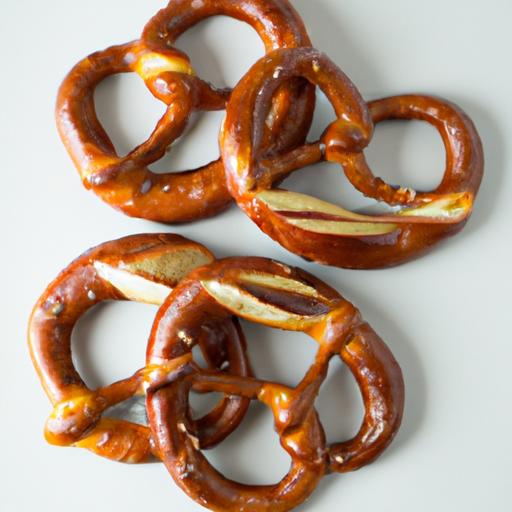
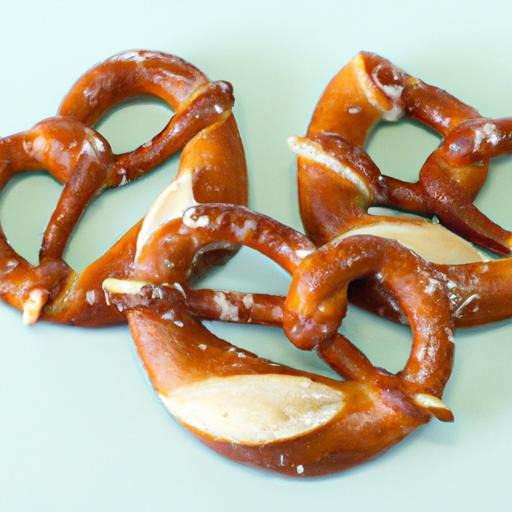
the Untold story of pretzels: Origins and Cultural Twist invites you to dive deeper into crafting an iconic treat unmistakably rich with history and flavor-the classic pretzel. This beloved pastry, woven thru centuries of european festivals and customs, continues to charm today’s food lovers globally. Once you master this recipe, you’ll see how easy, fun, and utterly rewarding making authentic pretzels at home can be, capturing their signature glossy crust and pillowy interior.
Prep and Cook Time
- Prep Time: 45 minutes
- Rising Time: 1 hour
- Cook Time: 15 minutes
Yield
Makes 8 large pretzels
Difficulty Level
Medium – ideal for bakers comfortable with yeast dough and shaping techniques
Ingredients
- 4 cups all-purpose flour,sifted
- 1 packet (2 1/4 tsp) active dry yeast
- 1 1/2 cups warm water (110°F/43°C)
- 2 tbsp granulated sugar
- 2 tsp fine sea salt
- 3 tbsp unsalted butter,melted
- 10 cups water (for boiling)
- 2/3 cup baking soda
- coarse kosher salt for sprinkling
Instructions
- activate the Yeast: In a small bowl,dissolve sugar in warm water. Sprinkle yeast over the surface and let it bloom for 5-7 minutes until frothy. This ensures a lively dough.
- Mix the Dough: In a large mixing bowl, combine flour and salt. Add melted butter and yeast mixture. Stir until a shaggy dough forms.
- Knead: Turn dough onto a floured surface and knead vigorously for 8-10 minutes until smooth and elastic. Proper kneading develops gluten for that signature chew.
- First Rise: Place dough in a lightly oiled bowl, cover with a damp towel or plastic wrap, and let rise in a warm spot for about 1 hour, or until doubled in size.
- Shape the Pretzels: Punch down risen dough and divide it into 8 equal pieces. Roll each into a 20-inch rope. Gently twist into the classic pretzel shape by forming a “U,” crossing ends twice, then pressing ends onto the bottom of the “U.”
- Prepare Baking Soda Bath: Preheat oven to 450°F (230°C). In a large pot, bring 10 cups of water and baking soda to a rolling boil. This bath gives pretzels their trademark glossy crust and deep brown color.
- Boil Pretzels: Using a slotted spatula, carefully dip each pretzel into the boiling baking soda water for 30 seconds. Remove and place pretzels on a parchment-lined baking sheet. Be sure not to overcrowd them.
- Season and Bake: Instantly sprinkle with coarse kosher salt. Bake in preheated oven for 12-15 minutes until golden brown and crisp on the outside.
- Cool Slightly and Serve: Transfer to a wire rack and let cool for 5 minutes. Pretzels are best enjoyed warm, fresh from the oven.
Tips for Success
- Yeast Notes: Ensure your yeast is fresh and warm water is between 105-115°F to activate it perfectly.
- Shaping Tip: Don’t pull too tightly when twisting pretzels; a gentle touch gives a soft interior.
- Baking Soda Bath: Use full-strength baking soda; a diluted bath won’t produce the characteristic shine and crust.
- Flavor Variations: Brush with melted butter post-baking and sprinkle with cinnamon sugar for a sweet twist!
- Make-Ahead: After shaping, flash freeze pretzels on parchment, then store in freezer bags up to 2 months. Boil and bake straight from frozen, adding a few minutes to the bake time.
Serving Suggestions
Pretzels shine as a snack or alongside hearty dishes. For a traditional touch, serve with spicy brown mustard or a tangy cheese dip. Garnish with fresh rosemary or coarse salt for rustic appeal. Pairing with an ice-cold lager pays homage to their Bavarian roots-ideal for festive gatherings or cozy evenings.

| Nutrient | Per Pretzel (Approx.) |
|---|---|
| Calories | 280 kcal |
| Protein | 7 g |
| carbohydrates | 55 g |
| Fat | 4 g |
For more on classic European baking techniques, explore our article on sourdough Bread basics.To deepen your knowledge of baking chemistry, check out this comprehensive guide from King Arthur Baking.
Q&A
Q&A: The Untold Story of Pretzels – Origins and Cultural Twist
Q1: Where did the pretzel actually originate?
A1: While the exact birthplace of the pretzel remains shrouded in legend, moast food historians trace its roots back to early medieval Europe, around the 7th century. Monks are often credited with inventing the pretzel, shaping dough into the iconic knot to resemble crossed arms in prayer-a symbolic gesture representing spiritual devotion.
Q2: Why are pretzels shaped like knots?
A2: The classic pretzel shape isn’t just an artistic whimsy-it carries deep religious symbolism. The intertwined loops are saeid to mimic crossed arms folded in prayer, a humble homage to faith. This design also had practical purposes: the unique twist allowed for even baking and a satisfying crunch, setting pretzels apart from ordinary bread.
Q3: How did pretzels become popular beyond Europe?
A3: Pretzels journeyed across the Atlantic with European immigrants, especially Germans, who brought their beloved snack to America in the 18th century. In the United States, the pretzel took on a life of its own, evolving from a simple wheat-based treat to an iconic street food, particularly in Philadelphia-a city now famed for its soft pretzels and vibrant pretzel culture.
Q4: What cultural twists have pretzels undergone around the world?
A4: From Bavarian beer gardens to bustling New York City street corners,pretzels have blossomed into a canvas for regional flavors and textures. In Germany, soft pretzels come with coarse salt and mustard. In the U.S., they’ve morphed into a variety of forms-sweet cinnamon sugar coatings, cheese-stuffed twists, and even pretzel buns. Meanwhile, Scandinavian countries offer crispier, thinner versions known as ”kringle,” highlighting a northern European flair.
Q5: are pretzels just a snack or is there more to their story?
A5: Pretzels are much more than a humble snack; they’re a cultural emblem with centuries of storytelling baked into every twist. They’ve been symbols of good luck, peace, and prosperity, often gifted during celebrations. Pretzels also carry ancient significance as regulatory markers-once, only bakers with special licenses coudl make pretzels during Lent, intertwining the food with social and religious customs.
Q6: What makes pretzels unique compared to other baked goods?
A6: Pretzels boast a distinctive planning method: before baking, they’re dipped in a lye or baking soda solution. This alkaline bath creates that signature deep-brown, glossy crust and impart a slightly tangy flavor-an ancient technique that has been preserved for centuries. This step sets pretzels apart, offering a perfect balance of chewy interior and crunchy exterior.
Q7: Can the humble pretzel tell us something about cultural history?
A7: Absolutely! pretzels are edible time capsules, reflecting cultural exchange, migration, and adaptation. Their evolution-from monastic symbols to festive treats and commercial snacks-mirrors broader human stories of tradition meeting innovation. Every bite carries whispers of history, faith, and the universal joy of sharing good food.
Dive into the story of pretzels, and you’ll find that this twisted treat is more than just a snack-it’s a knotted tale of heritage, faith, and flavor, woven through centuries and cultures.
In Retrospect
As we unravel the twisted tale of pretzels, from their humble beginnings in ancient monasteries to their global presence as beloved snacks, it becomes clear that these simple dough knots carry a rich tapestry of history and culture. Each crunchy bite is more than just a treat-it’s a connection to centuries-old traditions, regional adaptations, and shared stories. So next time you reach for a pretzel, remember: you’re savoring a piece of a timeless narrative, one that continues to evolve with every twist and turn.