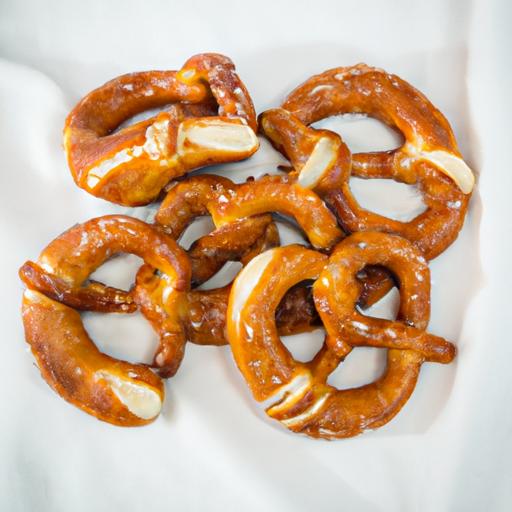

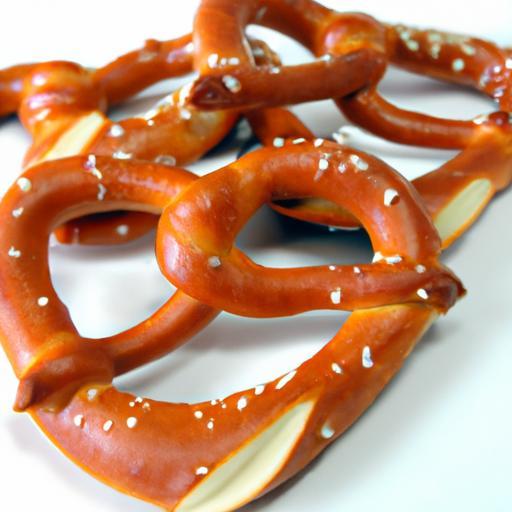
Twisting through centuries of tradition and culture, the humble pretzel is much more than a simple snack; Pretzels are steeped in history, linking ancient monasteries to lively Oktoberfest celebrations. Their story blends culinary innovation, religious symbolism, and festive fun. Discover the surprising origins and lasting charm of this twisted treat that has won hearts and taste buds worldwide.
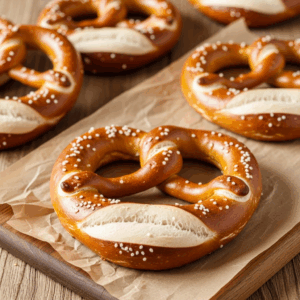
The Surprising History and Charm of Pretzels bring a rich tradition and unmistakable flavor to your kitchen, inviting bakers to recreate a timeless treat that has traveled centuries and continents. Originating from early European monastic communities, pretzels have evolved beyond simple shapes of dough to become beloved symbols of good fortune and celebration worldwide. Their distinctive twist and golden crust hold stories of cultural journeys, regional variations, and joyous gatherings.
Prep and Cook Time
- preparation: 20 minutes
- Proofing: 1 hour 15 minutes
- baking: 15 minutes
- Total: approximately 1 hour 50 minutes
Yield
8 soft, beautifully golden pretzels
Difficulty Level
Medium – perfect for home bakers ready to step up their skills!
ingredients
- 4 cups all-purpose flour, sifted (plus extra for dusting)
- 1 tbsp granulated sugar
- 2 tsp fine sea salt, divided
- 1 packet (2 1/4 tsp) active dry yeast
- 1 1/2 cups warm water (110°F/ 43°C)
- 3 tbsp unsalted butter, melted
- 10 cups water
- 2/3 cup baking soda
- Coarse sea salt for sprinkling
- Optional: melted butter for brushing after baking
Instructions
- Activate the yeast: In a large bowl, combine the warm water, sugar, and yeast. Stir lightly and let it rest for 5 minutes until foamy and bubbling, signaling the yeast is alive and ready.
- Make the dough: Stir in the melted butter, 1 ½ tsp sea salt, and gradually add the flour. Mix with a wooden spoon or dough hook until the mixture forms a shaggy dough. Knead on a floured surface for 8-10 minutes until smooth, elastic, and slightly tacky but not sticky.
- First rise: place the dough in a lightly oiled bowl, cover tightly with plastic wrap or a damp towel, and let it rise in a warm spot for 1 hour or until doubled in size.
- Preheat oven: Set your oven to 450°F (232°C) and prepare two baking sheets lined with parchment paper.
- Shape the pretzels: Punch down the dough, divide into 8 equal pieces. roll each piece into a 24-inch rope, then form into the classic pretzel shape by forming a U, crossing the ends twice, and pressing to the bottom of the U.
- Baking soda bath: In a large pot, bring 10 cups of water and baking soda to a boil. Using a slotted spatula, gently lower each pretzel into the boiling bath for 30 seconds. This process creates that signature chewy crust.
- Prepare for baking: Transfer the pretzels back to the lined baking sheets. Sprinkle with coarse sea salt and bake for 12-15 minutes or until deep golden brown.
- Finishing touch: Brush hot pretzels with melted butter to enhance their rich flavor and softness. Let cool slightly before enjoying.
Tips for Success
- Use warm (not hot) water to avoid killing yeast – 110°F is ideal.
- Don’t skip the baking soda bath; it’s essential for authentic texture and color.
- For softer pretzels, brush with butter promptly after baking.
- Experiment with toppings such as sesame seeds, poppy seeds, or cinnamon sugar for sweet variations.
- Make ahead: Shape pretzels and refrigerate overnight; allow to come to room temperature before baking for convenience without flavor loss.
Serving Suggestions
Serve pretzels warm for the ultimate experience. Pair with mustard dips – spicy brown, honey mustard, or tangy beer cheese complement the flavor beautifully. For celebrations, accompany with a cold craft beer or a sparkling cider. Garnish with fresh herbs like rosemary or a sprinkle of smoked paprika for a visual and aromatic enhancement.

| Nutrition per Pretzel | Amount |
|---|---|
| Calories | 230 kcal |
| Protein | 6 g |
| Carbohydrates | 46 g |
| fat | 3 g |
Discover other classic European bread recipes like Rustic Artisan Bread to expand your bakery skills. for a deep dive into pretzels’ fascinating ancient meaning, visit Encyclopedia Britannica.
Q&A
Q&A: The Surprising history and Charm of Pretzels Uncovered
Q1: where did pretzels originally come from?
A1: Pretzels have a history as twisted as their shape! They are believed to have originated in Europe around the early Middle Ages, with some legends crediting monks in the 7th century. The distinctive looped design was said to resemble crossed arms in prayer, symbolizing piety and good luck.
Q2: Why are pretzels shaped the way they are?
A2: The iconic knot of a pretzel isn’t just for show-it’s steeped in symbolism. The intertwined arms represent Christian prayer, making them a symbol of devotion. Over time, this unique shape became a recognizable and beloved form, catching the eyes (and taste buds) of many generations.
Q3: How did pretzels become popular outside Europe?
A3: Pretzels crossed the Atlantic thanks to German immigrants in the 18th century, settling mostly in Pennsylvania. Their craft turned into craftiness, eventually becoming a snack staple in American culture. Today, pretzels are enjoyed worldwide, from street vendors to gourmet bakeries.
Q4: What’s the secret behind the pretzel’s glossy, brown crust?
A4: The magic lies in a quick dip in a baking soda solution before hitting the oven! This alkaline bath enhances the Maillard reaction, giving pretzels their signature shiny crust and that irresistible chewy texture. It’s a simple trick with a deliciously dramatic effect.
Q5: Are there different types of pretzels?
A5: Absolutely! Beyond the classic soft pretzel, there are crispy hard pretzels, pretzel sticks, pretzel buns, and even pretzel-coated snacks. Each variation carries its own charm and crunch, proving that the humble pretzel is as versatile as it is tasty.
Q6: Why do pretzels hold such nostalgic charm today?
A6: Pretzels evoke memories of fairs, festivals, and cozy street corners. Their centuries-old story weaves together faith, history, and flavor, making each bite a connection to tradition. They’re comfort food wrapped in medieval mystery and sprinkled with cultural significance.
Q7: Can pretzels be considered more than just a snack?
A7: Definitely! Pretzels are edible history and cultural icons rolled into one. They tell tales of religion, migration, and culinary creativity, offering a crunchy glimpse into our shared past and evolving tastes.
Delving into the pretzel’s past reveals a fascinating journey full of symbolism, adaptation, and irresistible flavor – proving that sometimes, the simplest snacks have the richest stories.
Key Takeaways
From humble beginnings as simple baked dough to becoming a beloved snack enjoyed worldwide, pretzels carry a rich tapestry of history woven through centuries of culture and tradition. Their twists and turns are more than just a shape-they’re a symbol of faith, celebration, and craftsmanship passed down through generations. Whether you savor them salty, sweet, soft, or crunchy, pretzels invite us to appreciate the surprising stories baked within each bite. So, next time you reach for one, remember: you’re not just enjoying a snack-you’re partaking in a delicious legacy that continues to captivate and charm the world.