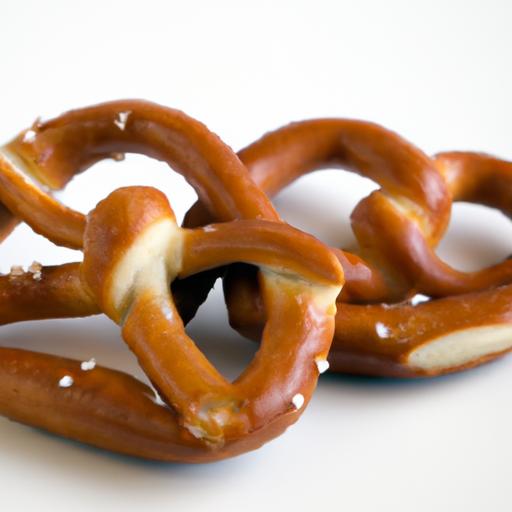

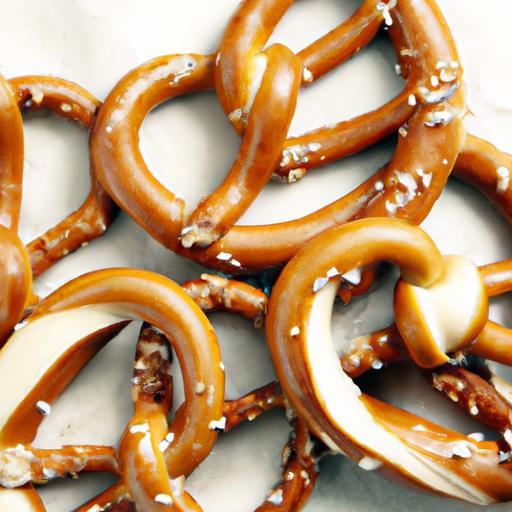
Twisting through centuries and crossing continents, the humble pretzel is much more than a simple snack – its a symbol steeped in history, tradition, and unexpected tales. From its mysterious origins in medieval monasteries to its familiar crunch gracing modern snack aisles, the story of the pretzel is as rich and layered as its iconic knot. In this journey through “The Surprising History and Charm of Pretzels Unwrapped,” we’ll unravel the interesting myths, cultural significance, and timeless appeal behind this twisted treat that has captivated taste buds and imaginations alike. Prepare to see the pretzel in a whole new light-beyond its salty, golden crust lies a legacy that’s truly worth savoring.
The surprising history and charm of pretzels unwrapped reveals a story as rich and intricate as their twisted shape. From humble beginnings in early European monasteries to becoming an iconic snack worldwide, pretzels carry centuries of symbolism and cultural evolution. This irresistible doughy delight invites food lovers to savor its warm, golden crust and soft, chewy interior-an experience that transcends mere snacking.
Prep and Cook Time
- Preparation: 30 minutes
- Proofing: 1 hour
- Cooking: 15 minutes
- Total Time: 1 hour 45 minutes
Yield
12 medium-sized pretzels
Difficulty Level
Medium - Ideal for bakers ready to experiment with shaping and boiling techniques
Ingredients
- 4 cups all-purpose flour, sifted
- 1 ½ tsp salt
- 1 tbsp granulated sugar
- 1 packet (2 ¼ tsp) active dry yeast
- 1 ½ cups warm water (about 110°F/43°C)
- 2 tbsp unsalted butter, melted
- 10 cups water (for boiling)
- ⅔ cup baking soda
- Coarse sea salt for sprinkling
Instructions
- Activate the yeast: in a medium bowl, combine warm water, sugar, and yeast. Stir gently and let sit for 5-7 minutes until foamy.
- Make the dough: In a large bowl,whisk together the flour and salt. Pour in the yeast mixture and melted butter. Mix with a wooden spoon until dough forms.
- Knead: Transfer dough to a floured surface and knead for about 8 minutes until smooth and elastic. Tip: If dough is sticky, sprinkle with a little flour but avoid overflouring.
- first proof: Place dough in a lightly greased bowl and cover with plastic wrap. Let rise in a warm place for 1 hour, or until doubled in size.
- Preheat: Heat oven to 450°F (230°C). Line baking sheets with parchment paper.
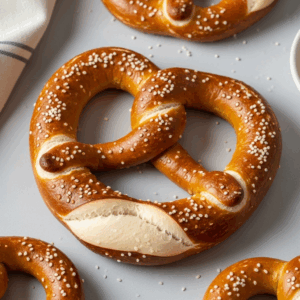
- Shape pretzels: Punch down dough and divide into 12 equal portions. Roll each into a 20-inch rope, then twist into the classic pretzel shape by forming a ”U,” crossing ends twice, and pressing onto the base.
- Prepare baking soda bath: In a large pot, bring 10 cups of water and baking soda to a rolling boil.
- Boil pretzels: Using a slotted spatula, carefully dip each pretzel into the boiling water for 30 seconds. this step gives pretzels their signature chewy crust and brilliant brown color.
- Season: Transfer pretzels to prepared sheets. While still wet, sprinkle with coarse sea salt.
- Bake: Bake for 12-15 minutes until deep golden brown. Rotate pans halfway for even color.
- Cool and serve: Let cool slightly on a wire rack before enjoying warm.
Tips for Success
- Use warm-not hot-water to activate yeast for optimal rise.
- Don’t skip the baking soda bath; it’s essential for the authentic chewy crust and glossy surface.
- For a softer pretzel, brush with melted butter immediately after baking.
- Experiment with toppings like sesame seeds, poppy seeds, or even cinnamon sugar for sweet versions.
- Make-ahead tip: Shape pretzels, freeze unboiled on a baking sheet, then transfer to a zip-lock bag. Boil and bake directly from frozen when needed.
Serving Suggestions: Savoring pretzels Like a Pro
Pretzels invite endless creativity when it comes to serving. Classic mustard-either spicy brown or honey mustard-provides a tangy kick that balances the salty richness of the pretzel. For a heartier bite, pair warm pretzels with cheese dips such as cheddar beer cheese or a smooth cream cheese herb spread.
For those savoring regional varieties from Germany, an authentic Obatzda cheese spread, made with aged Camembert, butter, and paprika, offers a creamy indulgence. Alternatively, a dollop of sweet Bavarian mustard complements the pretzel’s malty notes perfectly.
Incorporate fresh garnishes like finely chopped chives or a sprinkle of za’atar to lend herbal freshness and visual appeal. Serve pretzels alongside cold German-style lagers or craft ales, whose carbonation refreshes the palate between bites.
| nutrient | Per Pretzel |
|---|---|
| Calories | 210 kcal |
| Protein | 6 g |
| Carbohydrates | 41 g |
| Fat | 2 g |

Discover more about artisan bread baking to expand your dough-crafting skills. For a deeper dive into pretzel lore and culture, the History Channel’s Pretzel Guide offers fascinating insights into this timeless treat’s place across the globe.
Q&A
Q&A: The surprising History and Charm of Pretzels Unwrapped
Q1: Were did pretzels originally come from?
A1: Pretzels trace their origins back to early medieval Europe, most likely around 610 AD. Legend credits an Italian monk who twisted leftover dough into the shape of crossed arms-symbolizing prayer-and called them “pretiola,” or little rewards for children who learned their prayers. This humble snack soon spread across monasteries, evolving into the beloved pretzel we know today.
Q2: Why do pretzels have their distinctive twisted shape?
A2: The classic pretzel’s looped arms are believed to represent a person’s folded arms in prayer. This unique shape wasn’t just symbolic-it also allowed the dough to cook evenly and formed pockets that held salt or other toppings. Over time, the twist became a recognizable hallmark, distinguishing pretzels from other baked goods.
Q3: How did pretzels become associated with Germany?
A3: While pretzels originated in Italy or neighboring regions, they flourished in German-speaking areas during the Middle Ages. German bakers perfected the recipe, incorporating coarse salt and various spices. The pretzel soon became a cultural icon, symbolizing good luck and prosperity, and was often worn as an emblem during festivals and fairs.
Q4: What’s the secret behind the pretzel’s glossy crust?
A4: That shiny, deep-brown crust comes from an age-old trick-dunking the shaped dough in a baking soda solution before baking. This alkaline bath causes a Maillard reaction during baking,giving pretzels their characteristic flavor,aroma,and gloss. It’s like a magic potion that transforms simple dough into a crunchy, tangy delight!
Q5: Why are pretzels traditionally sprinkled with salt?
A5: Salt isn’t just a seasoning-it’s a nod to history. In ancient times, salt was a precious preservative and symbol of wealth. sprinkling pretzels with coarse salt celebrates this legacy, enhancing flavor while offering a satisfying crunch. Plus, the contrast between soft dough and sharp salt crystals elevates the sensory experience.
Q6: Have pretzels always been just snacks?
A6: Not quite! beyond the snack table,pretzels have worn many hats-religious charm,token of good fortune,and even symbols during Lent when meat was scarce. In parts of Germany, pretzels were baked large and shared at weddings as a sign of unity. Today, they continue to delight as everything from street food staples to gourmet creations.
Q7: How has the pretzel evolved in modern times?
A7: Pretzels have twisted their way into global kitchens, inspiring countless versions-from crunchy hard pretzels perfect for dipping, to soft, buttery warm snacks stuffed with cheese or chocolate. Craft bakers experiment with flavors like cinnamon sugar, jalapeño cheddar, or even gluten-free dough, proving that the pretzel’s charm is as enduring as its shape.
Q8: What makes pretzels so timelessly charming?
A8: pretzels combine simplicity with symbolism, history with versatility. Their comforting bite recalls communal traditions, yet they adapt effortlessly to new tastes and cultures. That perfect balance of crunch and chew, salty and savory, makes pretzels not just food, but a story-unwrapped with each twist and turn.
The Way Forward
From humble beginnings as simple baked dough to the beloved twisted treat gracing snack shelves worldwide, pretzels carry a history as rich and layered as their distinct shape. Their journey through centuries reveals not just a snack, but a symbol of tradition, celebration, and innovation-unwrapped before our very eyes. So, the next time you reach for a pretzel, remember you’re savoring more than just a crispy bite; you’re tasting a delicious story baked into every twist and turn. Pretzels aren’t just snacks-they’re edible history, charmingly wrapped in a timeless knot.