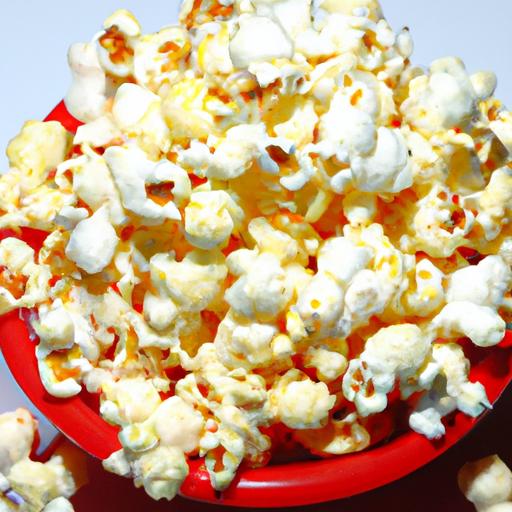

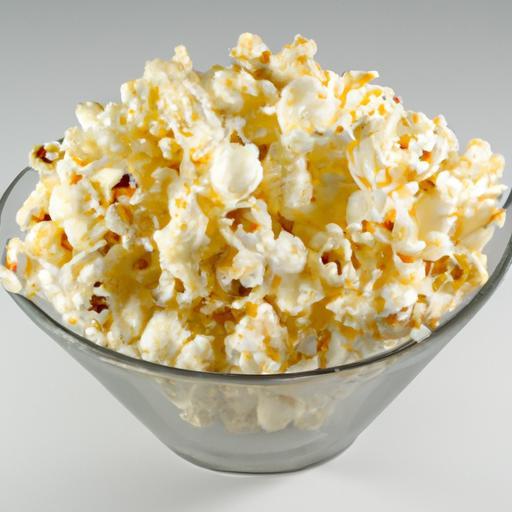
There’s something magical about watching a kernel burst into fluffy, golden popcorn—a snack that has delighted taste buds for centuries. In “Popping Secrets: The Science and History of Popcorn Delight,” we explore popcorn’s iconic pop, ancient origins, and rise as a symbol of celebration, comfort, and culture worldwide. Discover the fascinating story behind this beloved treat.
Popping secrets unlock the perfect balance of science and artistry in every kernel of Popcorn you savor. From its ancient roots in indigenous cultures to modern kitchens worldwide, popcorn is not just a snack-it’s a celebration of transformation through heat and pressure. Today, we explore how you can master popcorn’s chemistry at home while unleashing creative flavor innovations that elevate this timeless treat.
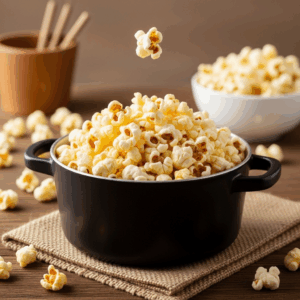
Prep and Cook time
- Planning: 5 minutes
- Cooking: 10 minutes
- Total Time: 15 minutes
Yield
- Serves 4 (about 8 cups of popped popcorn)
Difficulty Level
- Easy – perfect for beginners and seasoned snackmakers alike
Ingredients
- 1/2 cup high-quality popcorn kernels (preferably white or yellow popping kernels)
- 3 tbsp coconut oil (or avocado oil for a neutral flavor)
- 1 tsp fine sea salt (adjust to taste)
- 2 tbsp unsalted butter, melted (optional for richness)
- Optional flavor boosters:
- 1 tsp smoked paprika
- 1 tbsp nutritional yeast for cheesy umami
- 2 tsp cinnamon and sugar blend for a sweet twist
Instructions
- Heat the oil: In a large, heavy-bottomed pot with a tight-fitting lid, heat the coconut oil over medium-high heat. Drop in three kernels as testers and cover the pot.
- Wait for the pop: When the testers pop, the oil is at the perfect popping temperature (about 375°F/190°C).
- Add the rest: Remove the popped testers, add the remaining popcorn kernels, and spread them into an even layer. Cover with the lid.
- Shake frequently: Gently shake the pot back and forth every 15-20 seconds to prevent burning and encourage even popping. This typically takes 3-4 minutes.
- Listen closely: When popping slows to 2-3 seconds between pops, remove the pot from heat immediately to avoid scorching.
- Season quickly: Pour melted butter over the hot popcorn and sprinkle the sea salt. Toss well to coat every kernel.
- Get creative: Sprinkle on your chosen optional flavor boosters-smoked paprika for warmth, nutritional yeast for a cheesy note, or cinnamon sugar for a cozy sweetness-and toss again.
- Serve: Transfer to a large bowl and enjoy warm for the best texture and aroma.
Chef’s Notes: Tips for Success
- Kernel choice matters: Use fresh, good-quality kernels stored in an airtight container to ensure maximum pop and minimal unpopped seeds.
- Oil selection: Coconut or avocado oil withstand high heat better than vegetable oils and add a subtle richness that enhances flavor.
- Popcorn preserves: To keep popcorn crisp overnight, store in a paper bag rather than plastic to avoid moisture buildup.
- No microwave needed: Avoid microwave bags loaded with additives-this method gives you complete control over flavors and ingredients.
- Make ahead: Pre-pop and season the kernels, then store in an airtight container. Reheat briefly in a dry pan for fresh crunch.
- Flavor experimentation: Try adding spice blends, grated parmesan cheese, or drizzle a bit of truffle oil for gourmet flair.
Serving Suggestions
Serve your perfectly popped popcorn in a rustic wooden bowl or a colorful vintage ceramic dish for a cozy movie night or casual gathering. Garnish with fresh herbs like finely chopped rosemary or thyme for an unexpected aromatic lift. Pair with a crisp white wine or a cold craft beer to balance the snack’s buttery richness and savory notes.
| Nutrient | Per Serving (2 cups) |
|---|---|
| Calories | 150 kcal |
| Protein | 3 g |
| Carbohydrates | 15 g |
| Fat | 9 g |

Explore more on transforming simple kernels into culinary delights with our Creative Snack Ideas, or deepen your understanding of popcorn’s nutritional profile via the Nutrition.org resource.
Q&A
Q&A: Popping Secrets – The Science and History of Popcorn Delight
Q1: What makes popcorn pop?
A1: Inside every kernel of popcorn is a tiny droplet of water surrounded by soft starch, all encased in a hard, moisture-sealing shell called the pericarp. When heated, the water turns into steam, building pressure until the kernel bursts open-turning the kernel inside out and creating the fluffy, irresistible treat we love.
Q2: How did popcorn first come into existence?
A2: Popcorn’s popping magic dates back thousands of years. Archaeologists have discovered ancient popcorn ears nearly 5,600 years old in New Mexico, proving that native American tribes were master popcorn enthusiasts long before modern popcorn machines made it a cinema staple. They even used popcorn for decoration and as a festive snack!
Q3: Can any type of corn pop?
A3: Not quite! Only a special variety called Zea mays everta has the perfect combination of a tough outer shell and the right moisture content to pop. Other types of corn, like sweet corn or field corn, lack this unique makeup and won’t transform into popcorn.
Q4: Why does some popcorn pop bigger and fluffier than others?
A4: Several factors influence popcorn’s puffiness: the kernel’s moisture level, the thickness of the hull, and the starch quality all play starring roles. Kernels with just the right moisture-around 13-14%-and sturdy hulls tend to produce bigger pops, creating those satisfying, voluminous bites.
Q5: What’s the science behind the sound of popping?
A5: that iconic “pop” happens when the pericarp finally gives way under pressure. Suddenly releasing steam and starch, the kernel explodes like a miniature pressure cooker. This rapid expansion sends out a sharp sound wave-the very sound of transformation from seed to snack!
Q6: How did popcorn delight become synonymous with movie theaters?
A6: Popcorn’s journey to cinema stardom began during the Great depression, when its low cost and satisfying crunch made it an affordable treat. Movie theaters caught on, initially wary but eventually embracing popcorn as a perfect, aromatic partner to black-and-white flicks. By the mid-20th century, popcorn and movies were inseparable cultural icons.
Q7: Are there any health benefits to popcorn delight ?
A7: Yes! When air-popped and lightly seasoned, popcorn is a whole-grain, high-fiber snack that’s low in calories and fat. It even acts like a natural broom for your digestive system. Just be mindful of the buttery, sugary, and salty toppings frequently enough piled on at theaters-it’s those extras that can tip popcorn into indulgence territory.
Q8: What’s the most surprising fact about popcorn?
A8: Here’s a pop trivia nugget: Popcorn kernels can pop at temperatures as high as 460°F (238°C), and some kernels have even been known to reach heights of 12 feet when they burst-making each pop a tiny but powerful burst of culinary fireworks!
Q9: Can you pop popcorn without a popcorn maker or microwave?
A9: Absolutely! You can pop popcorn on the stovetop with a bit of oil, in a hot air popper, or even over a campfire nestled in foil. Each method offers a slightly different flavor and texture experience, turning popcorn preparation into an adventurous part of the snack itself.
Q10: What’s the future of popcorn?
A10: popcorn continues to evolve, with gourmet flavors, organic varieties, and even tech-savvy popping gadgets entering the scene. Scientists are exploring popcorn delight genetics to create kernels that pop bigger and healthier. One thing’s for sure: popcorn’s timeless charm will keep delighting taste buds for generations to come!
Wrapping Up
As the last kernels pop, popcorn delight means more than buttery bites—it’s a story where science meets tradition. Each fluffy curl holds a fascinating dance of physics and history, inviting us to savor both the flavor and legacy of this beloved snack.