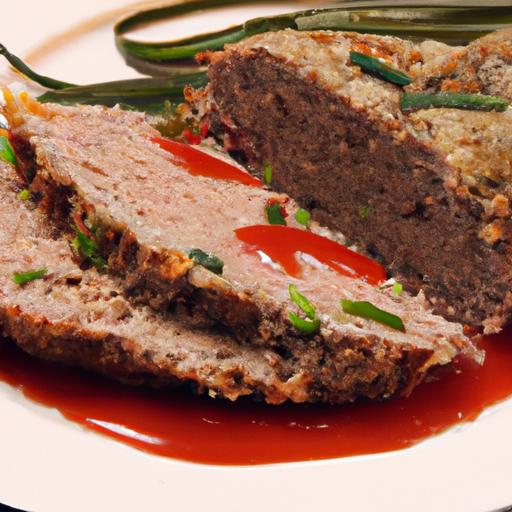

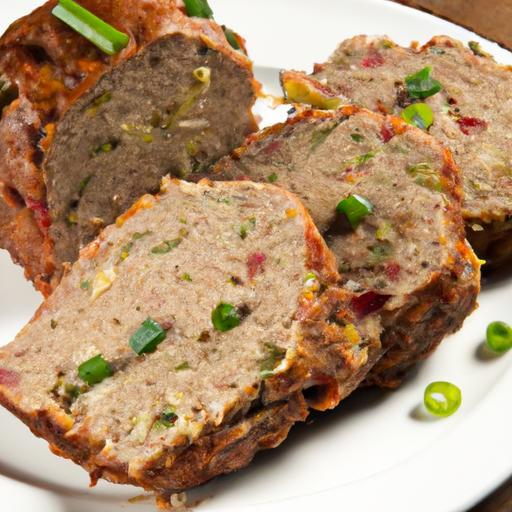
There’s a comforting aroma that instantly transports us to kitchens filled with warmth and nostalgia-the unmistakable scent of meatloaf. Often overlooked in the pantheon of culinary classics, this humble dish has quietly endured through generations, weaving itself into family traditions and cultural fabric alike. In this article, we delve into the timeless charm of meatloaf, uncovering its rich history, versatile recipes, and the savory secrets that keep it reigning as a beloved staple on dinner tables around the world. Prepare to rediscover a savory classic that is much more than just a dish-it’s a flavorful journey through time.
Meatloaf’s timeless charm lies in its comforting blend of flavors and textures, a beloved staple that has evolved across centuries and continents to grace countless dinner tables. From humble origins as a thrifty way to stretch ground meat to a family feast centerpiece, learning how to perfect the meatloaf texture and flavor balance unlocks endless possibilities for both tradition and innovation. this recipe embraces that heritage, while inspiring you to elevate the experience with creative twists that make every slice truly memorable.
Prep and Cook Time
- Preparation: 20 minutes
- Cooking: 1 hour
- resting: 10 minutes
- Total Time: 1 hour 30 minutes
Yield
serves 6 hearty portions
Difficulty Level
Medium – Perfect for home cooks ready to impress with rich flavors and a tender texture
Ingredients
- 1 lb ground beef (85% lean for optimal juiciness)
- 1/2 lb ground pork (adds moisture and depth)
- 1 cup fresh breadcrumbs (preferably from day-old bread, finely crumbled)
- 1/2 cup whole milk (warmed slightly to soften breadcrumbs)
- 1 medium onion, finely diced
- 2 cloves garlic, minced
- 2 large eggs, lightly beaten
- 1/4 cup ketchup (plus additional for glazing)
- 2 tsp Worcestershire sauce
- 1 tsp Dijon mustard
- 1 tsp smoked paprika
- 1/2 tsp dried thyme
- Salt and freshly ground black pepper, to taste
- 2 tbsp olive oil (for sautéing)
Instructions
- Preheat your oven to 350°F (175°C) and line a baking sheet with parchment paper or lightly grease a loaf pan.
- Sauté the onions and garlic: Heat olive oil in a skillet over medium heat. Add the diced onions and cook until soft and translucent, about 5 minutes. toss in the garlic and cook for another minute, stirring to prevent burning.Remove from heat and let cool slightly.
- Soak the breadcrumbs: In a small bowl, combine the fresh breadcrumbs and warm milk. Let sit for 5 minutes until the mixture is soft and creamy.
- Mix the meatloaf base: In a large bowl, combine ground beef, ground pork, soaked breadcrumbs, sautéed onions and garlic, beaten eggs, ketchup, Worcestershire sauce, Dijon mustard, smoked paprika, thyme, salt, and pepper.
- Gently mix: Use your hands or a sturdy spoon to combine the ingredients thoroughly but avoid overmixing, which can make the meatloaf dense.
- Shape the loaf: Transfer the meat mixture to the prepared pan or shape it into a loaf by hand on the baking sheet, ensuring evenly sized thickness for uniform cooking.
- Glaze and bake: Spread a thin layer of ketchup over the top for a sticky, caramelized finish. Bake for about 60 minutes,or until the internal temperature reaches 160°F (71°C).
- Rest before slicing: Remove the meatloaf from the oven and let it rest for at least 10 minutes. This allows juices to redistribute, ensuring moist, tender slices.
Tips for Success: Mastering Meatloaf Texture and Flavor
- Balance your meat blend: Combining beef and pork introduces both flavor and moisture, preventing dryness.
- Breadcrumb moisture: Always soak breadcrumbs instead of adding dry; it creates a tender crumb.
- Avoid overworking: Mix ingredients gently – overmixing can make your meatloaf tough.
- Resting period: This step is critical for maintaining juicy slices without crumbling.
- flavor enhancer: Adding Worcestershire sauce and Dijon mustard adds subtle complexity and depth.
Innovative Twists to Elevate Your Meatloaf
- Add finely chopped mushrooms to the sauté step for umami richness.
- Incorporate shredded sharp cheddar or mozzarella cheese deep inside the loaf for a gooey surprise.
- Substitute the ketchup glaze with a tangy barbecue sauce or a sweet chili glaze for exciting flavor layers.
- Mix in finely chopped fresh herbs like parsley, rosemary, or sage to brighten the profile.
Serving Suggestions: Presenting Meatloaf With Style
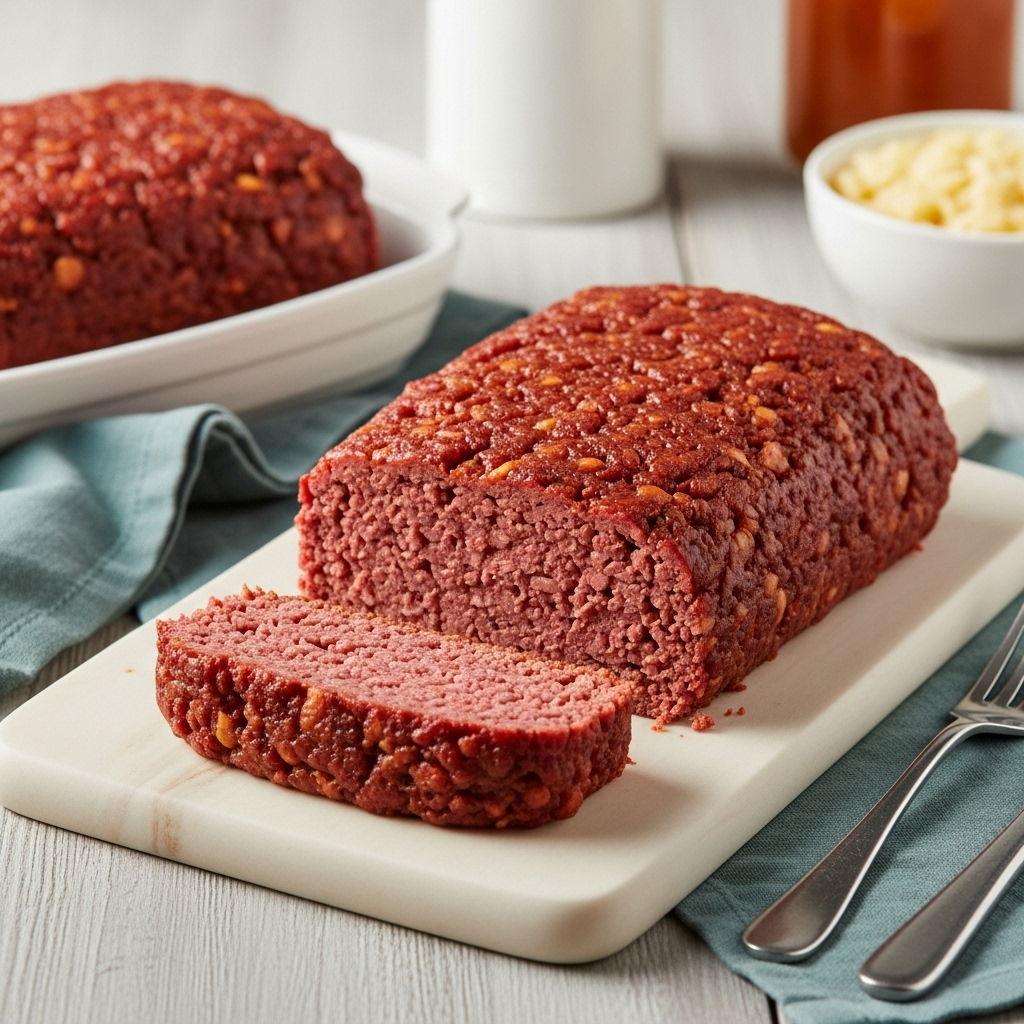
Serve meatloaf slices warm, paired with creamy mashed potatoes or garlic roasted vegetables. A fresh herb garnish such as chopped parsley or thyme sprigs adds vibrant color and aroma.Drizzle pan juices or a spoonful of extra glaze over each slice for a luscious finish. For a balanced plate, accompany with a crisp green salad or roasted root vegetables dressed in olive oil and lemon.
| Nutritional Info (per serving) | Quantity |
|---|---|
| Calories | 420 |
| Protein | 28g |
| Carbohydrates | 15g |
| Fat | 28g |
For further inspiration, explore our ultimate mashed potatoes-the perfect companion for your meatloaf dinner. Dive deeper into the rich history and technique of meatloaf at National Geographic’s culture section.
Q&A
Q&A: The Timeless Charm of Meatloaf – A Savory Classic Revealed
Q1: What makes meatloaf such a timeless dish?
A1: Meatloaf’s timeless charm lies in its comforting simplicity and endless versatility. It’s a dish that has graced tables for generations, offering a warm, savory embrace that transcends culinary trends. Combining ground meat with breadcrumbs, herbs, and spices creates a hearty, satisfying meal that comforts the soul and adapts to every palate and pantry.
Q2: Where did meatloaf originate, and how has it evolved over time?
A2: While versions of ground meat combined with fillers have existed globally for centuries, the modern meatloaf as we know it gained prominence in the united States during the 19th and 20th centuries. Originally a thrifty way to stretch meat and avoid waste, it evolved from humble home kitchens into a beloved staple, embracing cultural twists-be it Italian seasonings, barbecue glazes, or vegetarian variations.
Q3: What ingredients are essential in a classic meatloaf?
A3: At its core, a classic meatloaf balances ground meat (frequently enough beef, pork, or a blend), breadcrumbs or soaked bread, eggs, and aromatics like onion and garlic. The magic comes from thoughtful seasoning-salt, pepper, herbs-and a finishing touch, such as a tangy tomato-based glaze or ketchup, which caramelizes beautifully as it bakes.
Q4: How does meatloaf embody comfort food?
A4: meatloaf is the epitome of comfort food because it’s both nourishing and nostalgic. its rich, savory flavors, tender texture, and hearty presence evoke memories of family dinners and warmth. It fills not just the stomach but also the heart, reminding us that good food is as much about love and tradition as it is indeed about taste.
Q5: Can meatloaf be adapted for modern diets while keeping its classic appeal?
A5: Absolutely! Meatloaf’s flexible recipe allows for countless adaptations without sacrificing its essence.ground turkey or plant-based alternatives can replace beef for lighter or vegetarian options.Gluten-free breadcrumbs or oats cater to dietary restrictions, while inventive toppings-from spicy salsas to creamy sauces-keep this classic fresh and exciting in contemporary kitchens.
Q6: What tips elevate a meatloaf from ordinary to unforgettable?
A6: the secrets to a memorable meatloaf include balancing moisture (avoiding dryness with additions like milk or grated vegetables), seasoning generously, and using a flavorful glaze that adds tang and sheen. Cooking low and slow ensures tenderness, and resting the loaf before slicing preserves juiciness. serving it with classic sides-mashed potatoes, green beans-completes the comforting experience.
Q7: Why does meatloaf continue to hold a special place in American cuisine today?
A7: Meatloaf endures because it symbolizes home, family, and resourcefulness. In a fast-paced world, it recalls slower moments around the dinner table. Its ability to bring people together through shared tradition and customizable flavors secures its position as a classic, beloved dish that bridges generations and culinary creativity alike.
To Conclude
From its humble origins to its place as a beloved staple on dinner tables worldwide, meatloaf remains a savory symbol of comfort and creativity. Its timeless charm lies not just in its hearty flavors but in its ability to adapt, inviting cooks of all skill levels to make it their own. As we’ve uncovered the layers of this classic dish, it becomes clear that meatloaf is much more than a meal-it’s a delicious bridge between tradition and innovation, reminding us that sometimes, the simplest recipes hold the greatest stories. So, next time you slice into a warm, fragrant meatloaf, savor not only its taste but the rich history and enduring appeal that make it truly everlasting.