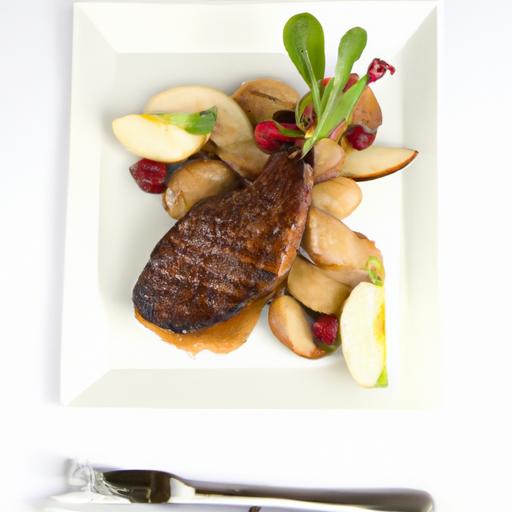

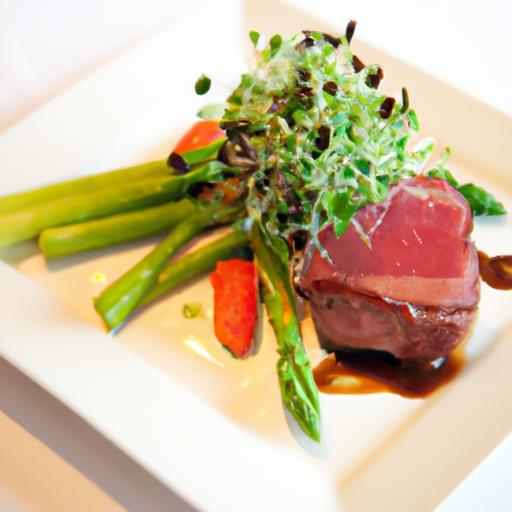
Behind every succulent slice and sizzling sear lies a story-of heritage, technique, and taste. In the world of meat, each cut carries more than just flavor; it embodies traditions passed down through generations, the artistry of butchers and chefs, and the cultural fabric of communities across the globe.
Meat uncovered: Exploring Cuts, Culture, and Culinary Craft invites you on a journey beyond the plate, where anatomy meets artistry, and ancient customs converge with modern cuisine. Whether you’re a curious foodie, an aspiring cook, or simply someone who appreciates a perfectly cooked steak, this exploration will deepen your understanding and appreciation of meat in all its savory complexity. Dive in, and discover how every chop and char unveils a richer story waiting to be savored.
Meat Uncovered is your ultimate guide to unlocking the full potential of every cut, exploring how cultural traditions elevate flavors, and mastering culinary techniques that transform your dishes into memorable experiences. Understanding the anatomy of meat cuts is the first step in achieving perfect texture and taste, while appreciating regional preparations enriches your palate and cooking repertoire. Through this journey, we also delve into the art of selecting complementary wines and ingredients to enhance every bite.
Prep and Cook Time
- Preparation: 20 minutes
- Cooking: 45 minutes
- Total Time: 1 hour 5 minutes
Yield
- Serves 4 excited food lovers
Difficulty Level
- Medium – Perfect for home cooks ready to level up their meat expertise
Ingredients
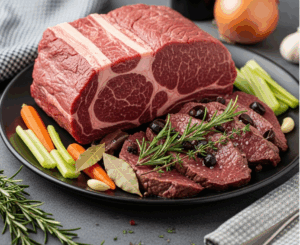
- 1.5 lbs bone-in beef chuck roast, trimmed and patted dry
- 2 tablespoons olive oil
- 1 large onion, finely sliced
- 4 cloves garlic, minced
- 2 carrots, peeled and cut into 1-inch pieces
- 2 celery stalks, sliced
- 1 cup dry red wine, such as Cabernet Sauvignon
- 2 cups beef stock, low sodium
- 2 sprigs fresh rosemary
- 2 sprigs fresh thyme
- 1 bay leaf
- Salt and freshly ground black pepper, to taste
- 2 tablespoons all-purpose flour, sifted (for thickening)
Instructions
- Prepare the Meat Cut: Pat the beef chuck dry. Lightly season with salt and pepper, allowing the robust cut to shine through once cooked.
- Sear for Flavor and Texture: heat olive oil in a heavy-bottomed Dutch oven over medium-high heat. brown the roast on all sides until a rich, mahogany crust forms, about 4-5 minutes per side. This Maillard reaction develops deep, savory notes essential for a tender dish.
- Sauté Aromatics: Remove meat temporarily. Add onions, garlic, carrots, and celery to the pot; sauté until softened, about 7 minutes. stir occasionally to prevent sticking and encourage caramelization for natural sweetness.
- Deglaze and Build Depth: Pour in the red wine and scrape up browned bits with a wooden spoon. Simmer until reduced by half, intensifying flavor concentration.
- Slow Braise the Roast: Return the beef to the pot. Add beef stock, rosemary, thyme, and bay leaf. Bring to a simmer, cover tightly, and transfer to a preheated oven at 325°F (160°C). Let it cook gently for 3 hours, turning halfway through, allowing connective tissues to dissolve into luscious tenderness.
- Finish the Sauce: Remove meat and tent with foil to rest. Strain vegetables and herbs from the braising liquid. Return liquid to the stovetop, whisk in sifted flour gradually to thicken, simmer for 5 minutes until velvety smooth.
- Serve and Savor: Slice the meat against the grain for ultimate tenderness. Plate with the rich sauce, garnishing with fresh herbs. Experience a beautifully layered dish, marrying precise cuts, time-honored traditions, and expert technique.
Tips for Success
- Choosing the Right Cut: For braising, opt for cuts high in connective tissue like chuck or brisket; they break down and flavor the dish profoundly.
- Wine Selection: Use a dry, full-bodied red like Cabernet Sauvignon or Merlot for deglazing. Avoid “cooking wine” - quality matters here.
- Make-Ahead Pleasant: This dish improves overnight as flavors meld. Cool fully, refrigerate, then reheat gently.
- Alternative Ingredients: Swap rosemary and thyme for bay leaves and oregano for a Mediterranean twist.
- If Sauce is Too Thick: Thin with a splash of beef stock or red wine while reheating.
Serving Suggestions
Plate your braised beef atop creamy mashed potatoes or buttery polenta to soak up that luscious sauce. Add a side of roasted root vegetables or crisp green beans to balance richness with brightness. Garnish with freshly chopped parsley or microgreens for a vivid, fresh pop of color and aroma. Pair with your favorite robust red wine to elevate the dining experience further.

| Nutrition per Serving | Amount |
|---|---|
| Calories | 420 kcal |
| Protein | 38 g |
| Carbohydrates | 8 g |
| Fat | 22 g |
For a deeper dive into pairing meat with wines, check out our detailed article on Wine Pairing Guide for Meat. Also, explore the USDA’s complete Food Safety and Inspection Service for expert safety standards on handling different cuts.
Q&A
Q&A: Meat Uncovered - Exploring Cuts, Culture, and Culinary Craft
Q1: What inspired the exploration of meat cuts in this article?
A1: Meat isn’t just sustenance; it’s a mosaic of history, culture, and craft. By unraveling the story behind each cut, we dive into centuries of tradition, the science of butchery, and the art of cooking-revealing how these elements transform a simple slab into a gastronomic masterpiece.
Q2: Why is understanding different meat cuts meaningful for culinary enthusiasts?
A2: Knowing your cuts elevates the cooking experience. It guides you to the ideal preparation method-grilling, slow-cooking, or searing-and helps unlock unique flavors and textures. It’s like having a backstage pass to the theater of taste.
Q3: how does culture influence the way meat is butchered and consumed?
A3: Culture shapes meat from nose to tail. In France, precision cuts celebrate tradition and finesse; in Korea, thin slices honor communal dining; while in Brazil, the churrasco style turns grilling into a festive ritual. These practices reflect geography, history, and social values, making meat a storytelling ingredient.
Q4: What role does butchery play in culinary craftsmanship?
A4: butchery is where science meets artistry. It requires understanding anatomy, muscle structure, and fat distribution to unlock flavor potential. A skilled butcher not only selects the best cuts but also respects the animal, ensuring nothing goes to waste-turning butchering into a reverent craft.
Q5: can you share tips for home cooks to experiment confidently with different meat cuts?
A5: Absolutely! Start by matching cuts with cooking styles-tougher cuts like brisket or chuck reward slow cooking, while tenderloin or ribeye shine on a quick sear. don’t be afraid to explore lesser-known cuts; they often offer rich flavors and budget-friendly options. And remember: rest your meat after cooking, patience adds juiciness and depth.
Q6: what’s the future of meat in culinary culture considering sustainability concerns?
A6: The future is a blend of respect and innovation. Nose-to-tail approaches, alternative proteins, and regenerative farming are reshaping consumption. culinary culture is adapting-celebrating animal heritage while embracing sustainability, ensuring we honor tradition without compromising tomorrow’s plate.
Q7: How does this article invite readers to connect with meat beyond just eating?
A7: It’s an invitation to journey deeper-from the butcher’s knife to the communal table. By appreciating cuts, cultural stories, and craft, readers can transform meat from mere protein into a vibrant experience-one that connects heritage, flavor, and mindful eating. It’s about savoring more than taste; it’s savoring meaning.
Future Outlook
As we conclude our journey through the captivating world of meat, it’s clear that meat uncovered reveals more than flavor—it uncovers stories of tradition, craft, and culture. From skilled butchers to expert cooks, meat uncovered honors centuries of culinary passion. Every cut connects us to a rich heritage that transforms each bite into a celebration of history and innovation.