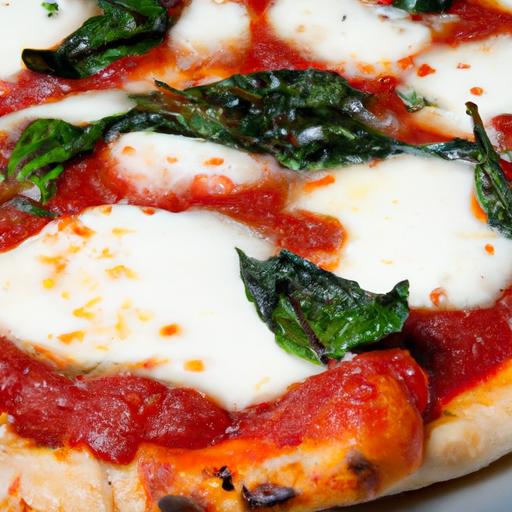

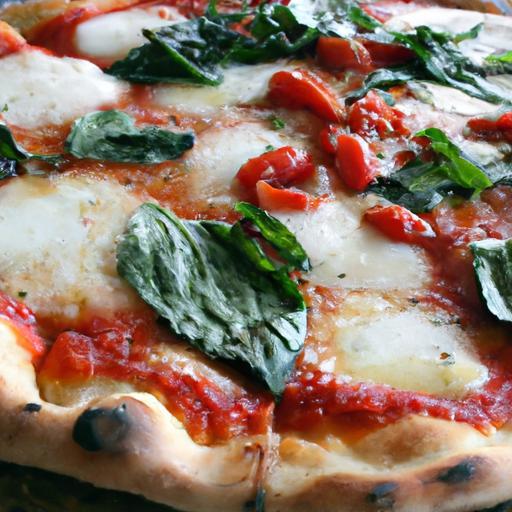
Few dishes capture the essence of culinary simplicity and tradition quite like the classic Margherita pizza. With its vibrant medley of fresh tomatoes, creamy mozzarella, fragrant basil, and a drizzle of olive oil resting atop a golden, wood-fired crust, this unassuming pie tells a story that transcends time and borders. Born in the heart of Naples, the Margherita has become more than just a meal-it is indeed a symbol of heritage, artistry, and timeless flavor harmony. In this article, we peel back the layers of history, culture, and craftsmanship to unveil what makes the classic Margherita pizza an enduring icon in the world of gastronomy.
The Timeless Charm of Classic Margherita Pizza lies in its elegant simplicity-where every ingredient shines, telling a story of tradition, passion, and craftsmanship. Rooted in Neapolitan heritage, this iconic pizza embodies the perfect harmony of a tender, airy dough, a vibrant tomato sauce, and creamy, delicate mozzarella, crowned with fresh basil leaves. Whether you’re recreating a cherished family memory or discovering its magic for the first time, mastering this classic unlocks both culinary satisfaction and pure, savory joy.
Prep and Cook Time
- Prep Time: 20 minutes (plus 1-2 hours dough rising)
- Cook Time: 8-10 minutes
- Total Time: Approximately 1 hour 30 minutes (including dough rest)
Yield
Serves 2-3 pizza lovers
Difficulty Level
Medium – requires patience with dough preparation but straightforward once mastered
Ingredients
-
- For the Dough:
- 2 ½ cups all-purpose flour, sifted
- 1 teaspoon active dry yeast
- 1 teaspoon fine sea salt
- 1 cup lukewarm water (about 100°F/38°C)
- 1 tablespoon extra virgin olive oil
- For the Sauce:
- 1 cup San marzano tomatoes, crushed (canned or fresh)
- 1 clove garlic, finely minced
- 1 tablespoon extra virgin olive oil
- Salt to taste
- A pinch of dried oregano (optional)
- For the Topping:
- 6 oz fresh mozzarella (preferably buffalo mozzarella), torn into bite-size pieces
- Fresh basil leaves, about 10 leaves
- Extra virgin olive oil for drizzling
- For the Dough:
Instructions
-
-
- activate the yeast: In a small bowl, dissolve the yeast in lukewarm water. Let it sit for 5-10 minutes until frothy and bubbly, indicating the yeast is alive and active.
- Prepare the dough: In a large mixing bowl, combine the sifted flour and sea salt. Make a well in the center, than pour in the activated yeast mixture and olive oil. Stir gradually with a wooden spoon or your hand until the dough starts to come together.
- Knead the dough: transfer the dough to a lightly floured surface. Knead vigorously for 8-10 minutes until the dough becomes smooth and elastic. It should feel slightly tacky but not sticky.
- First proof: Shape the dough into a ball and place it into an oiled bowl. Cover with a clean kitchen towel or plastic wrap and let it rise in a warm spot for 1-2 hours, or until it doubles in size.
- prepare the sauce: While the dough rises, heat olive oil in a small pan over medium heat. Add the minced garlic and sauté until fragrant, about 30 seconds (do not brown). Add crushed San Marzano tomatoes, salt, and oregano. Simmer gently for 10-15 minutes to deepen flavor. Remove from heat and let cool slightly.
- Preheat your oven: Position an oven rack near the top and preheat to the highest temperature possible (500°F/260°C recommended) with a pizza stone or inverted baking sheet inside for at least 30 minutes.
- Shape the dough: Once risen, punch down the dough and turn it onto a floured surface. Using your fingertips, gently stretch the dough into a 12-inch circle, creating a slightly thicker rim to hold toppings.
- Assemble the pizza: Place the dough on a piece of parchment paper or a floured peel. Spoon an even layer of sauce over the surface, leaving the edge bare. Scatter fresh mozzarella pieces evenly. Drizzle lightly with olive oil.
- Bake the pizza: Transfer the pizza onto the heated stone or baking sheet in the oven. Bake for 8-10 minutes until the crust is golden and blistered, and the cheese is bubbly with slight browning.
- Finish with basil: Remove the pizza from the oven and promptly scatter fresh basil leaves over the top. Let rest for 2 minutes before slicing and serving.
-
Tips for Success
-
-
- Use high-protein flour for a chewier texture if you prefer, but all-purpose flour works beautifully for the classic dough.
- For a quicker rise, create a warm proofing spot by placing the dough bowl inside an oven with just the light on.
- Fresh mozzarella should be well-drained; pat dry with paper towels to avoid a soggy crust.
- If you don’t have a pizza stone, a preheated inverted baking tray works well to mimic high heat cooking.
- Make the dough the day before for deeper flavor-store it lightly oiled and covered in the fridge, then bring to room temperature before shaping.
-
Serving Suggestions
Present your masterpiece on a rustic wooden board or a ceramic pizza plate, garnished with extra basil leaves and a drizzle of high-quality extra virgin olive oil. Pair with a crisp glass of Italian white wine such as Pinot Grigio or a light lager to accentuate the fresh flavors. A simple arugula salad with lemon and Parmesan complements the pie beautifully, balancing richness with peppery brightness.
| Nutritional Info (per serving) | Calories | Protein (g) | Carbs (g) | Fat (g) |
|---|---|---|---|---|
| Classic Margherita Pizza | 350 | 18 | 40 | 12 |

For further inspiration on Italian staples, visit Serious Eats’ detailed Neapolitan pizza dough guide. Also, check out our article on How to Make Perfect Neapolitan Pizza Crust for complementary tips.
Q&A
Q&A: The Timeless Charm of Classic Margherita Pizza Unveiled
Q1: What makes the classic Margherita pizza so timeless?
A1: The Margherita pizza’s timeless appeal lies in its elegant simplicity. With just three primary ingredients-fresh tomatoes, mozzarella cheese, and basil-it captures the essence of Italian culinary tradition. This minimalist magic creates a perfect harmony of flavors that’s as vibrant today as it was when first crafted, proving that sometimes less truly is more.
Q2: Where did the Margherita pizza originate?
A2: the Margherita pizza was born in Naples, Italy, in 1889. Legend has it that the pizza was created by pizzaiolo Raffaele Esposito to honor Queen Margherita of Savoy. The colors of the pizza-red tomato, white mozzarella, and green basil-were designed to represent the Italian flag, making it both a patriotic symbol and a culinary masterpiece.
Q3: Why are fresh ingredients so important in a Margherita pizza?
A3: Fresh ingredients are the heart and soul of a Margherita pizza. The brightness of ripe tomatoes, the creamy richness of fresh mozzarella, and the aromatic punch of basil leaves all blend seamlessly to create a medley of flavors that processed alternatives simply cannot match. Freshness transforms basic components into a dish bursting with vitality and soul.
Q4: How has the Margherita pizza influenced global cuisine?
A4: The Margherita has become a worldwide ambassador of pizza, inspiring countless variations worldwide. Its balanced flavor profile and straightforward preparation have encouraged chefs everywhere to respect simplicity while adding their unique twists. From gourmet pizzerias in New York to humble street stalls in Tokyo, the Margherita’s influence is unmistakable.
Q5: Can the classic Margherita pizza be considered a healthy choice?
A5: Absolutely! Compared to heavily topped or deeply fried pizzas, the Margherita’s light use of wholesome ingredients makes it a relatively healthy option. it offers a good dose of protein, antioxidants from tomatoes, and beneficial oils if drizzled with quality olive oil. Of course, portion control and ingredient quality remain key to maintaining its nourishing reputation.
Q6: What cooking techniques are essential to achieve the perfect Margherita?
A6: Achieving pizza perfection demands a blisteringly hot oven-traditionally a wood-fired one-to produce a crisp, leopard-spotted crust while keeping the toppings fresh and vibrant. The dough must be well-hydrated and given time to develop flavor, while toppings are applied sparingly to avoid sogginess. This delicate balance of heat, time, and restraint is what gives Margherita pizza its signature charm.
Q7: Why does the Margherita pizza evoke such emotional and cultural resonance?
A7: Beyond flavor, Margherita pizza embodies a story-of Italian heritage, artistry, and communal dining. Eating it recalls slow lunches in sunlit piazzas, the warmth of a bustling neighborhood pizzeria, and the joy of sharing simple pleasures. This emotional connection is part of its enduring allure, transforming a humble dish into a cultural icon.
Q8: How can someone experience the authentic charm of Margherita pizza at home?
A8: To capture that authentic charm, start with fresh, high-quality ingredients and embrace simplicity. Use a basic dough recipe, garden-fresh basil, and ripe plum tomatoes or San Marzano tomatoes if possible. Cook your pizza on a pizza stone or steel in the hottest oven you can manage, and remember: patience and love in preparation make all the difference. The goal is to celebrate each ingredient’s natural character without overwhelming it.
The classic Margherita pizza remains more than just a meal; it is an edible emblem of tradition, passion, and simplicity, reminding us that the greatest pleasures often come from the purest forms.
In Conclusion
As the final slice of this culinary journey reveals, the classic Margherita pizza is far more than just a simple combination of tomatoes, mozzarella, and basil-it is indeed a symbol of timeless elegance and culinary artistry. Its enduring charm lies not only in its vibrant flavors and harmonious balance but also in its ability to connect us to centuries of tradition while inspiring every generation anew. Whether enjoyed in a bustling Neapolitan pizzeria or recreated in a modern kitchen, the Margherita remains a appetizing reminder that sometimes, simplicity truly is sophistication at its finest.