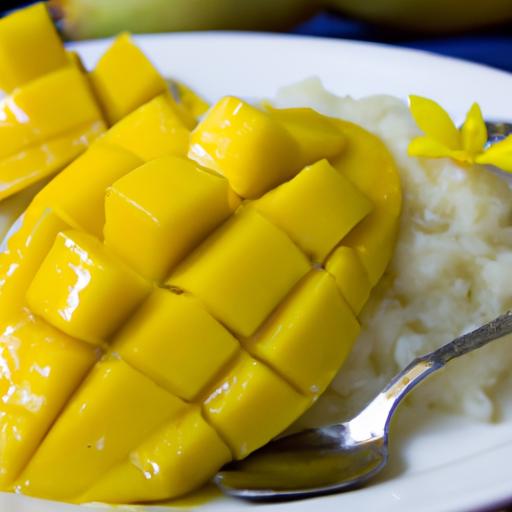

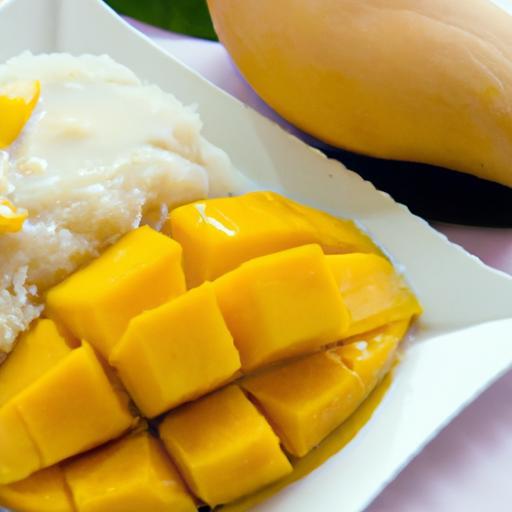
Savor the authentic taste of Thailand with Mango Sticky Rice, a beloved tropical dessert that beautifully combines fragrant sticky rice, luscious coconut milk, and sweet, juicy mango slices. This iconic treat is a perfect harmony of rich textures and vibrant flavors, capturing the essence of Thai heritage with every bite.
Mango sticky rice, a beloved Thai dessert, embodies a perfect harmony of tropical sweetness and luscious creaminess that has captivated palates worldwide. This iconic treat traces its roots back to Thailand’s fruitful mango seasons, where the simple combination of glutinous rice, ripe mango, and coconut milk echoes centuries-old culinary traditions. My first taste of this delicacy in a bustling Bangkok street market remains vivid-the sticky rice clinging tenderly to my fingers, the juicy mango melting softly, and the fragrant coconut aroma wrapping around me like a warm embrace. It’s a dish that’s as much about cultural heritage as it is about pure indulgence.
Prep and cook Time
- Preparation: 15 minutes
- Cooking: 40 minutes
- Total Time: 55 minutes
Yield
Serves 4 generous portions
Difficulty Level
Easy – Perfect for home cooks looking to master an authentic Thai dessert
Ingredients That Make mango Sticky Rice Irresistibly Creamy and Sweet
- 1 cup glutinous (sticky) rice, rinsed thoroughly
- 1 1/2 cups coconut milk (full fat for best richness)
- 1/2 cup granulated sugar
- 1/4 teaspoon salt
- 2 ripe mangoes, peeled and sliced
- 1 tablespoon toasted sesame seeds or mung beans (optional garnish)
- 1 teaspoon Pandan leaf extract (optional, for authentic aroma)
Step by Step Guide to Crafting Authentic Mango Sticky Rice at Home
- Soak the sticky rice: Rinse the glutinous rice under cold water until the water runs clear, then soak it for at least 4 hours or overnight for optimal softness.
- Steam the rice: Drain the soaked rice and steam it in a bamboo steamer lined with cheesecloth for about 25-30 minutes until tender and translucent. Avoid boiling to keep the texture perfect.
- Prepare the coconut sauce: while rice steams, combine coconut milk, sugar, salt, and Pandan extract in a saucepan over medium heat. Stir gently until the sugar dissolves, then remove from heat-do not boil.
- Mix rice with coconut sauce: Transfer the steamed sticky rice to a bowl, slowly pour about two-thirds of the warm coconut sauce over it, and gently fold to coat the rice evenly. Let it sit covered for 20 minutes to absorb the flavors.
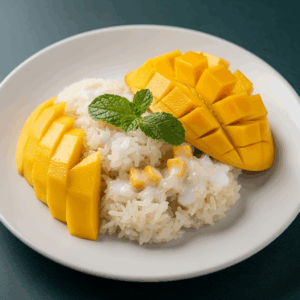
- Assemble the dish: Place a generous scoop of the fragrant sticky rice on serving plates. Arrange the juicy mango slices alongside, then drizzle remaining coconut sauce over the top.
- Garnish and serve: Sprinkle toasted sesame seeds or mung beans to add a subtle crunch and nutty contrast. Enjoy immediately for the best sensory experience.
Chef’s Notes: Tips for Success
- Rice selection matters: Only use glutinous rice labeled sticky rice-other rice types won’t yield the classic texture.
- Soaking is essential: Don’t skip this step; it prevents dryness and ensures fluffy, sticky grains.
- Control sweetness: Adjust sugar in the coconut sauce depending on how ripe and sweet your mangoes are.
- Make ahead option: Prepare sticky rice and coconut sauce separately, then combine right before serving to keep the rice’s texture fresh.
- Option garnish: Try toasted coconut flakes or fresh mint for a twist on the traditional.
Serving suggestions
Present mango sticky rice on a rustic wooden plate or a brightly colored ceramic dish to echo its Thai origins. Garnish with fresh edible flowers, such as orchids, for a stunning display. Pair with a lightly brewed jasmine tea or a chilled Thai iced tea to complement the dessert’s tropical notes. For sensory delight, serve mango sticky rice slightly warm or at room temperature-never cold-to truly enhance its creamy aroma and flavor.
| Nutrient | Per Serving |
|---|---|
| Calories | 350 kcal |
| Protein | 3 g |
| Carbohydrates | 60 g |
| Fat | 8 g |

For additional insight into the cultural richness of traditional Thai desserts and their unique flavor profiles, explore our detailed article. To experience mango sticky rice’s authentic heritage firsthand, visit trusted sources like Tourism Thailand for guides and travel tips.
Q&A
Q&A: Mango Sticky Rice – Thailand’s Sweet Tropical Delight Unveiled
Q1: What is Mango Sticky Rice?
A: Mango Sticky Rice, or Khao Niew Mamuang in Thai, is a beloved traditional dessert from Thailand that perfectly marries the creamy, slightly salty sweetness of sticky rice with the luscious, fragrant juiciness of ripe mangoes. It’s a simple yet divine treat that captures the essence of tropical bliss in every bite.
Q2: How is Mango Sticky rice traditionally made?
A: The magic starts with glutinous sticky rice, soaked and steamed until tender and chewy. It’s then generously mixed with warm coconut milk, infused with a hint of salt and sugar to create that signature creamy texture and balanced flavor. Freshly sliced ripe mangoes crown the dish, and a drizzle of sweet coconut sauce or a sprinkle of toasted mung beans often adds an extra touch of contrast and crunch.
Q3: Why is sticky rice used rather of regular rice?
A: Sticky rice, also known as glutinous rice, has a unique texture-soft, sticky, and slightly chewy-that perfectly complements the smoothness of the mango and richness of coconut milk. its naturally mild flavor acts as a perfect canvas for the dessert’s sweet and savory layers, creating a harmonious mouthfeel that ordinary rice just can’t replicate.
Q4: When is Mango Sticky Rice typically enjoyed in Thai culture?
A: While delicious any time of year, Mango Sticky Rice is especially cherished during Thailand’s mango season, roughly from April to June. It’s a festive favorite during Songkran (Thai New Year), street markets, and family gatherings, symbolizing the sweetness of life and the bountiful gifts of the tropical climate.
Q5: Are there regional variations of Mango Sticky Rice in Thailand?
A: Absolutely! While the core ingredients remain consistent, variations abound. Some regions might use different mango varieties-like the fragrant Nam Dok Mai or the golden Keo Savoy-and some add unique toppings like crispy coconut flakes, black sticky rice, or even a scoop of coconut ice cream to elevate the tropical experience.
Q6: Can Mango Sticky Rice be made vegan or gluten-free?
A: Great news-Mango Sticky Rice is naturally gluten-free and vegan! Made from sticky rice, fresh mango, and coconut milk, it contains no animal products or gluten grains. It’s a perfect dessert for many dietary preferences without any need for modification, inviting everyone to savor Thailand’s tropical sweetness.
Q7: What makes Mango sticky Rice so internationally popular?
A: Beyond its irresistible texture and flavors, Mango Sticky Rice offers a sensory escape-a taste of sun-soaked orchards, warm breezes, and vibrant street life. Its simplicity belies a complex harmony of sweet, salty, creamy, and fruity notes that captivate global palates, making it a global ambassador of Thai culinary artistry.
Q8: Any tips for making perfect Mango Sticky Rice at home?
A: Patience is key-soak the sticky rice for several hours or overnight to ensure even steaming and the right chewiness. Use ripe, aromatic mangoes and fresh coconut milk for authentic richness. And don’t forget the pinch of salt in the coconut sauce to balance sweetness beautifully. Serve warm or at room temperature, and enjoy the tropical symphony in every spoonful!
Dive into Mango Sticky Rice, and you’re not just tasting a dessert-you’re savoring a sweet story of Thailand’s culture, climate, and culinary soul.
The Conclusion
As the sun sets over Thailand’s bustling markets and tranquil shores, the irresistible allure of mango sticky rice endures-inviting food lovers to savor a harmony of creamy coconut, fragrant jasmine rice, and luscious tropical mango. More than just a dessert, this iconic dish is a sweet testament to Thai culture’s artistry and balance. Whether enjoyed on a street corner or at a festive festivity, mango sticky rice offers a delicious journey into Thailand’s heart, where tradition and flavor unite in every bite. So next time you crave a taste of the tropics, remember this golden treasure waiting patiently to delight your palate.