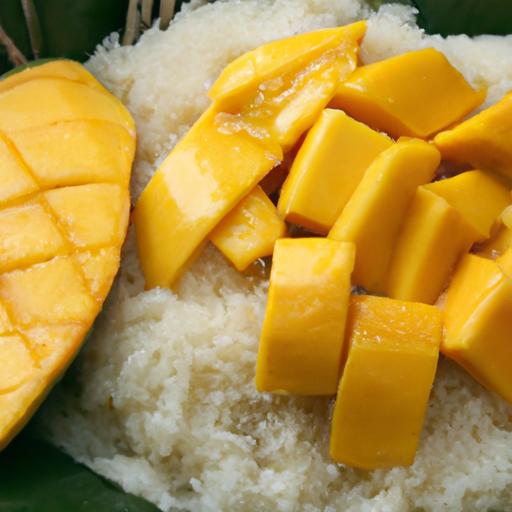

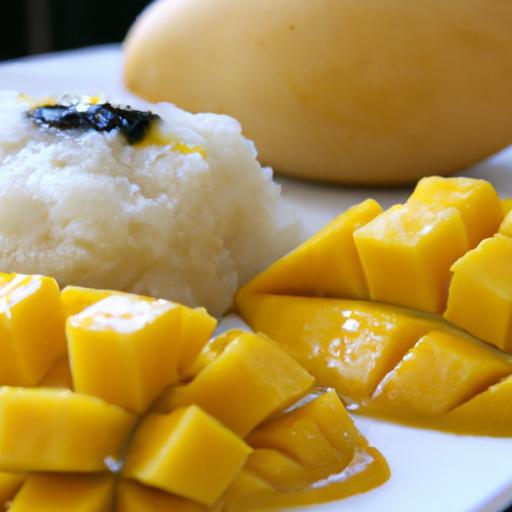
Beneath the swaying palms and endless blue skies of Thailand lies a dessert as vibrant and inviting as the country itself-Mango Sticky Rice. This beloved sweet treat, with its luscious golden mango slices paired perfectly with warm, velvety coconut-infused sticky rice, is more then just a dish; its a harmonious festivity of tropical flavors and age-old traditions. Journey with us as we uncover the rich history, cultural significance, and tantalizing artistry behind Thailand’s signature dessert-a timeless delight that captures the essence of Southeast Asia’s tropical bounty in every bite.
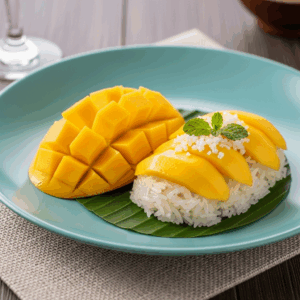
Origins and Cultural Significance of Mango Sticky rice in Thai Traditions
Mango sticky rice stands as an iconic symbol of Thailand’s rich culinary heritage and vibrant tropical bounty. This beloved dessert has roots deeply intertwined with Thai agrarian culture, celebrating the peak of the mango harvest season. Its story dates back centuries, where the harmonious blend of glutinous rice soaked in creamy coconut milk paired with sweet, ripe mangoes became a festive treat savored during Loy Krathong and Songkran festivals. More than just a dessert, mango sticky rice represents the perfect balance of sweet, salty, and creamy textures, embodying the Thai ideology of harmony in flavors that delight the senses.
Personally, my first encounter with mango sticky rice was at a bustling Bangkok market stall, where the air was fragrant with jasmine and freshly steamed coconut rice. The vibrant golden mango slices glistening next too the glutinous pearls created a sensory experience I’d never forget-each bite evoking sunshine, tradition, and warmth.
Perfecting the Recipe: Crafting Authentic Mango Sticky Rice at Home
Mastering mango sticky rice at home is a rewarding journey. The magic lies in the precision of steaming sticky rice and infusing it with the perfect amount of coconut milk, sugar, and a pinch of salt. Authenticity starts with understanding each step’s role: sticky rice must be soaked overnight to achieve that ideal chewy texture. Coconut milk must be simmered gently with palm sugar to unlock its silkiness, allowing it to permeate every grain. perfectly ripened mangoes offer their natural sweetness to balance the subtle saltiness curling through the coconut rice.
Prep and Cook Time
- Planning: 12 hours (includes soaking time)
- Active Cooking: 40 minutes
- Total Time: 12 hours 40 minutes
Yield
Serves 4 generous portions
Difficulty Level
Medium - requires patience for soaking and careful cooking for texture perfection
Ingredients
- 1 cup Thai glutinous (sticky) rice
- 1 1/2 cups canned coconut milk (full fat)
- 1/3 cup palm sugar (or brown sugar as substitute)
- 1/4 tsp fine sea salt
- 2 ripe mangoes (preferably Nam Dok Mai or Keo Savoy varieties)
- 1 tbsp toasted mung beans or sesame seeds (optional garnish)
instructions
- Rinse and soak rice: Thoroughly rinse the sticky rice under cold water until water runs clear. Soak it in fresh water overnight (at least 8-12 hours) for the best texture.
- Steam the rice: Drain the soaked rice. Place it in a bamboo steamer lined with cheesecloth or a clean kitchen towel. Steam over boiling water for about 25-30 minutes, flipping the rice halfway for even cooking.
- Prepare the coconut sauce: while rice is steaming, combine coconut milk, palm sugar, and salt in a saucepan. Warm gently over medium-low heat, stirring until sugar dissolves wholly. Do not boil.
- Mix rice with coconut milk: Once steaming is complete, transfer sticky rice to a large bowl. Gradually pour 1 cup of the warm coconut sauce over the rice and gently fold to combine. Cover and let it rest for 15-20 minutes, allowing the rice to absorb the flavors and become creamy.
- Slice the mangoes: Peel and cut mangoes into thin, fan-like slices or cubes to showcase their vibrant orange color and juicy texture.
- Plate and garnish: Serve the creamy sticky rice topped with luscious mango slices. Drizzle with remaining coconut sauce. Garnish with toasted mung beans or sesame seeds for a delightful crunch and added authenticity.
Chef’s Notes: Tips for Success
- Rice selection: Use Thai sticky rice specifically labeled “glutinous rice” for the best texture. Avoid substituting with regular long grain rice.
- Mango ripeness: The mangoes must be perfectly ripe – soft to the touch but not mushy – to ensure natural sweetness and vibrant flavor.
- Cooking coconut sauce: Be gentle when heating coconut milk; boiling can cause it to separate or curdle.
- Make-ahead tip: Sticky rice can be steamed and soaked in coconut sauce several hours in advance; cover tightly to keep moist and warm.
- Vegan and gluten-free: This recipe is naturally vegan and gluten-free, making it an inclusive dessert option.
Serving Suggestions and Creative Twists to Elevate This Classic Dessert
Traditionally, mango sticky rice is served simply-letting the sweet mango and fragrant coconut rice shine. However, creative variations can bring new life to this tropical classic:
- Add a sprinkle of toasted coconut flakes for added texture and rich aroma.
- Swap mung beans with crunchy roasted almonds or pistachios for a unique twist.
- Serve in hollowed-out coconut shells or small ceramic bowls for authentic presentation.
- For a modern touch, layer sticky rice and mango in mini parfait glasses with a hint of lime zest.
- Drizzle a little warm coconut caramel sauce over the top for an extra indulgent treat.
Pair this dessert with a refreshing Thai iced tea or jasmine green tea to complement the sweetness and cleanse the palate.
| Nutritional Info (per serving) | Amount |
|---|---|
| Calories | 320 |
| Protein | 3 g |
| Carbohydrates | 60 g |
| Fat | 6 g |

To dive deeper into other authentic Thai desserts and cooking techniques, check out our Complete Guide to Thai Sweets.
For customary background on Thai ingredients and culinary culture, visit Tourism Authority of Thailand.
Q&A
Q&A: Mango Sticky Rice - Thailand’s Sweet Tropical Delight Uncovered
Q1: What exactly is Mango Sticky Rice?
A1: Mango Sticky Rice, or Khao Niew Mamuang in Thai, is a beloved traditional dessert that perfectly marries the creamy, chewy texture of glutinous (sticky) rice with the luscious sweetness of ripe mangoes. It’s drizzled with rich coconut milk, creating a harmonious dance of flavors and textures that captures the essence of Thailand’s tropical bounty.
Q2: How did Mango Sticky Rice become such a popular dessert in Thailand?
A2: Mango Sticky Rice has roots deeply embedded in Thai culture, particularly as a seasonal treat during mango harvest times. The combination of locally grown sweet mangoes and sticky rice-a staple in Thai cooking-naturally evolved into a succulent dessert. Over time, street vendors and home cooks alike perfected the recipe, turning it into a national treasure celebrated year-round.
Q3: What kind of rice is used, and why is it special?
A3: The star is glutinous rice, sometimes called sticky rice or sweet rice, which has a unique sticky and chewy texture when cooked. This isn’t just any rice-it’s specially harvested and soaked before steaming to achieve that perfect softness and sticky consistency, making it ideal to soak up the fragrant coconut milk syrup.
Q4: Can any mango be used?
A4: While many mango varieties exist, the dessert traditionally features the Nam Dok Mai mango, prized for its golden skin, juicy sweetness, and fragrant aroma. Its tender flesh complements the subtle flavors of the coconut and sticky rice beautifully. However, in places outside Thailand, other sweet mangoes like Ataulfo may be used as a tasty substitute.
Q5: What role does coconut milk play in this dessert?
A5: Coconut milk isn’t just an ingredient-it’s the soul of Mango Sticky Rice. Gently simmered with sugar and a pinch of salt, it’s poured generously over the sticky rice, infusing it with creamy richness and a hint of savory depth that balances the sweetness of the mango. Sometimes toasted mung beans add a delightful crunch on top.
Q6: Is Mango Sticky Rice served hot or cold?
A6: Traditionally, the sticky rice is served warm or at room temperature, while the mango is cool and refreshing. this contrast elevates the eating experience, with warm, coconut-infused rice melting in your mouth alongside the crisp, chilled mango slices-a tropical symphony for your palate.
Q7: are there any modern twists to Mango Sticky Rice?
A7: Absolutely! Chefs and home cooks love experimenting-adding flavors like Pandan, substituting black sticky rice for a nutty variation, or topping the dish with coconut ice cream or toasted coconut flakes. Some even drizzle chocolate or sprinkle sesame seeds for an unexpected fusion without losing the dish’s authentic charm.
Q8: How can I enjoy Mango Sticky Rice outside of Thailand?
A8: Thanks to global markets and the diaspora of Thai cuisine, Mango Sticky Rice is now enjoyed worldwide. You can find it in Thai restaurants, food festivals, or make it at home with a little patience and authentic ingredients. The key is ripe mangoes, glutinous rice, and fresh coconut milk-ingredients that bring a slice of Thailand’s tropical paradise right to your table.
Q9: Why does Mango Sticky Rice hold such cultural significance in Thailand?
A9: Beyond its deliciousness, Mango Sticky Rice embodies Thai values of harmony and balance-sweet and savory, cold and warm, simplicity and indulgence. It’s also a seasonal symbol of abundance and celebration, often enjoyed during festivals and family gatherings, making it more than just a dessert-it’s a taste of Thai tradition and happiness.
Ready to savor Thailand’s sweet tropical delight? grab some sticky rice and mangoes, and let your kitchen transport you to sun-kissed Thai orchards where every bite tells a story.
Closing Remarks
As the last grains of glistening sticky rice dissolve into the sweet embrace of ripe mango, one thing becomes clear: Mango sticky Rice is more than just a dessert-it’s a vibrant celebration of Thailand’s rich culture, heritage, and tropical abundance. This humble yet heavenly dish invites you to savor not only its luscious flavors but also the stories and traditions woven into every bite. So, next time you crave a sweet escape, let Mango Sticky Rice transport you to Thailand’s sun-kissed shores, where every spoonful is a delicious journey into the heart of a truly enchanting tropical delight.