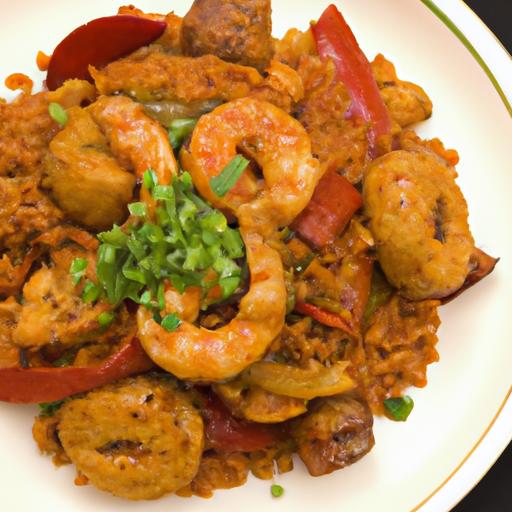

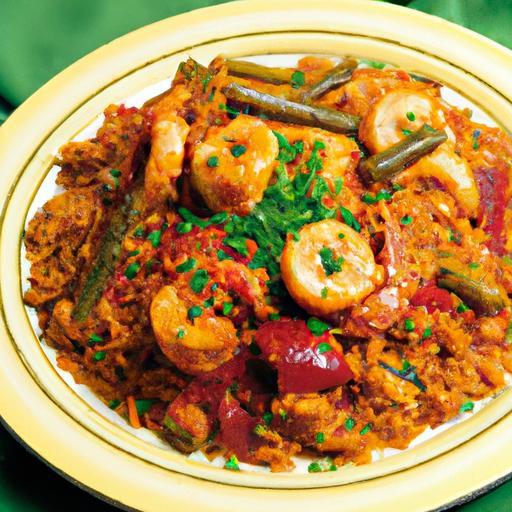
In the heart of Louisiana’s vibrant culinary tapestry lies a dish that embodies the very soul of Cajun culture: jambalaya. More than just a medley of rice, spices, and savory ingredients, jambalaya tells a story-one of history, heritage, and the harmonious blending of diverse influences. From the bustling kitchens of New Orleans to the humble homes dotting bayous and backwaters, this flavorful casserole has simmered its way thru generations, capturing the resilience and creativity of a people who know how to turn simple ingredients into a party on a plate. Join us as we unveil the layers of jambalaya, exploring its rich roots, regional twists, and enduring appeal that continue to make it a beloved emblem of Cajun cuisine and culture.
Jambalaya Unveiled is more than just a recipe-it’s a vibrant celebration of Cajun heritage, melding bold spices, tender proteins, and hearty rice into a dish that tells a story of Louisiana’s rich cultural tapestry. This soulful meal captures the spirit of community and tradition, making every bite a journey through time and flavor.

Prep and Cook Time
- Preparation: 20 minutes
- Cooking: 45 minutes
- Total Time: 1 hour 5 minutes
Yield
Serves 6 hearty portions
Difficulty Level
medium – Perfect for home cooks ready to explore authentic Cajun cooking
Essential Ingredients That Define Authentic Cajun Flavor
- 1/4 cup vegetable oil or rendered pork fat for richness
- 1 cup chopped yellow onion
- 1/2 cup diced green bell pepper
- 1/2 cup diced celery (the classic “holy trinity” of Cajun cooking)
- 4 cloves garlic, minced
- 1 lb chicken thighs, boneless and skinless, cut into bite-sized pieces
- 1/2 lb andouille sausage, sliced into rounds
- 1 cup long-grain white rice, rinsed and drained
- 14 oz can of diced tomatoes, with juice
- 3 cups chicken stock, preferably homemade or low sodium
- 2 tsp Cajun seasoning (smoked paprika, cayenne, garlic powder, thyme, and oregano blend)
- 1 bay leaf
- Salt and fresh ground black pepper, to taste
- 1/4 cup chopped green onions, for garnish
- Fresh parsley, finely chopped, for garnish
Step by Step Techniques to Master the Perfect Jambalaya
- Build the Flavor Base: Heat the vegetable oil in a large heavy-bottomed pot or Dutch oven over medium heat. Add the onions, bell peppers, and celery, sautéing until softened and fragrant, about 6-8 minutes. Stir frequently to prevent sticking and ensure even caramelization.
- Brown the Proteins: Add the garlic, chicken pieces, and Andouille sausage to the pot. Cook until the chicken is lightly browned and the sausage renders its smoky oils, approximately 5-7 minutes. This step imbues the jambalaya with its signature robust taste.
- incorporate the Rice and spices: Stir in the rinsed rice, diced tomatoes with their juices, Cajun seasoning, bay leaf, salt, and pepper. Allow this mixture to toast slightly-about 2 minutes-enhancing the rice’s nutty undertones and melding all spices into one harmonious blend.
- Simmer to Perfection: Pour in the chicken stock and bring everything to a boil. Once boiling, reduce the heat to low and cover the pot tightly. Let it simmer gently for 20-25 minutes, avoiding stirring to allow the rice to cook evenly and develop that distinct, slightly crispy crust at the bottom called “la fond.”
- Final touch and Rest: Remove from heat and let the jambalaya rest, covered, for 10 minutes. This resting period lets the flavors deepen and the rice finish absorbing all savory goodness.
- Serve and Garnish: Fluff with a fork and garnish the pot with the freshly chopped green onions and parsley, adding a fresh herbal pop to the dish’s rich palette.
Chef’s Notes: tips for Success
- Protein Variations: Swap chicken thighs for shrimp during the last 5 minutes of cooking for a coastal twist, or add smoked ham for extra depth.
- Rice Tips: Rinse the rice thoroughly to remove excess starch; this prevents clumping and ensures fluffy grains.
- Heat Level: Adjust the cayenne in the Cajun seasoning to suit Yoru palate – start low and build up.
- Make Ahead: Jambalaya tastes even better the next day; reheat gently with a splash of stock or water to revive moisture.
- Pot Choice: Use a heavy-bottomed pot to prevent scorching, especially important for creating the coveted “la fond” crust.
Pairing Suggestions and Serving Tips for an Unforgettable Meal
To elevate your jambalaya experience, serve it alongside tangy creole coleslaw or creamy cornbread. A crisp glass of dry white wine like Sauvignon Blanc or a light lager perfectly balances the dish’s hearty spice. For a visually stunning presentation, garnish with fresh herbs and thin slices of lemon or lime to brighten the plate. Pair with a side of smoky grilled okra or baked sweet potatoes for a complete Southern feast.
| Nutrient | Per Serving |
|---|---|
| Calories | 450 |
| Protein | 32g |
| Carbohydrates | 40g |
| Fat | 15g |

ready to dive deeper into the world of Cajun cooking? Explore our ultimate guide to Cajun cooking techniques to expand your culinary repertoire.
Q&A
Q&A: Jambalaya Unveiled - A Flavorful Journey Through Cajun Roots
Q1: What exactly is jambalaya, and why is it so iconic in Cajun cuisine?
A1: Jambalaya is a vibrant, hearty dish that perfectly embodies the spirit of Cajun cooking-a melding of cultural influences packed into one pot. Originating in Louisiana, it’s a rice-based meal simmered with a savory mix of meats (like sausage, chicken, and seafood), vegetables, and bold spices. Its iconic status comes from both its rich, layered flavors and its role as a communal dish that brings people together, celebrating the diverse heritage of the region.
Q2: How did jambalaya come to be a symbol of Cajun culture?
A2: Jambalaya’s roots trace back to the resourceful Creole and Cajun communities in Louisiana, who blended French, Spanish, African, and Native American culinary traditions. Its evolution was driven by necessity and creativity-making use of whatever local ingredients were available. Over time, it became a staple at family gatherings and festivals, a testament to resilience, blending cultures, and the joy of shared meals.
Q3: What are the key ingredients that give jambalaya its signature flavor?
A3: The soul of jambalaya lies in its holy trinity of Cajun cooking: onions, bell peppers, and celery. Add to that garlic, smoky andouille sausage, succulent chicken, fresh seafood, ripe tomatoes, and a fragrant mix of spices like cayenne, thyme, and oregano. The rice absorbs all these flavors, creating a harmonious, spicy, and deeply satisfying dish.
Q4: Are there different types of jambalaya?
A4: Absolutely! there are two main styles: Creole jambalaya and Cajun jambalaya. Creole jambalaya, sometimes called “red jambalaya,” includes tomatoes and has a slightly tangier, richer sauce. Cajun Jambalaya, or “brown jambalaya,” skips the tomatoes-its deep, smoky flavor comes from browning the meat and vegetables first. Both variations are equally delicious and showcase unique regional twists.
Q5: How can someone new to cooking jambalaya capture its authentic flavor at home?
A5: The key is layering flavors step by step-don’t rush the browning of meats and the sautéing of the holy trinity. Use quality, fresh ingredients and don’t be shy with the spices. Patience as the rice absorbs the broth is essential to achieving that signature texture and depth. starting with a good Andouille sausage and homemade stock can elevate your jambalaya from ordinary to unforgettable.
Q6: What’s the cultural significance of jambalaya beyond just being a dish?
A6: Jambalaya represents more than taste-it’s a culinary tapestry woven from the history and hardships of the Cajun people. It tells stories of migration, adaptation, and community-building. Sharing jambalaya is a tradition that honors heritage and invites everyone to savor a piece of Louisiana’s vibrant soul.
Q7: Can jambalaya be adapted for dietary preferences without losing its essence?
A7: Definitely! While customary jambalaya is meat-heavy, it’s flexible. Vegetarians can swap proteins for hearty mushrooms, tofu, or beans while keeping the holy trinity and spices intact. Seafood lovers can emphasize shrimp or crab. The essence lies in the balance of ingredients and spices, which can be creatively tailored to suit any palate.
This Q&A uncovers the layers behind jambalaya’s beloved status, inviting readers on a flavorful journey that honors the Cajun roots and celebrates the dish’s enduring appeal.
Closing Remarks
As our flavorful journey through the rich tapestry of Cajun roots comes to a close, jambalaya stands not just as a dish, but as a living story-one that embodies resilience, culture, and community. Each spoonful invites you to savor the spirited blend of history and heart, where humble ingredients transform into a celebration of heritage. So next time you dive into a steaming bowl of jambalaya, remember: you’re tasting more than food-you’re experiencing a vibrant legacy that continues to unite and inspire with every bite.