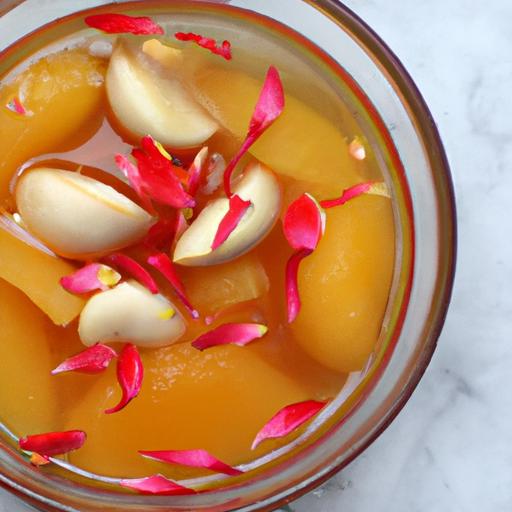

In the vibrant tapestry of Indonesia’s rich culinary heritage, few treats evoke as much nostalgic charm as Gulali Jadul. This timeless sweet, with its glossy, candy-coated allure and playful shapes, has been a beloved companion to childhood memories for generations. More than just a confection, Gulali Jadul embodies a living tradition-a delicate art passed down through bustling village streets and festive markets. As we unwrap the story behind this enduring delight, we delve into the colors, culture, and craftsmanship that keep Indonesia’s sweet legacy gleaming bright amidst the ever-changing modern world.
Gulali Jadul: Exploring Indonesia’s Timeless Sweet Tradition
Gulali Jadul is more than just a sweet treat; it’s a vibrant piece of Indonesian heritage that conjures nostalgic memories of childhood, bustling customary markets, and festive celebrations. this timeless confection, crafted from simple ingredients, carries deep cultural importance and showcases the artistry of Indonesian culinary traditions. Its luscious, chewy texture and caramelized sweetness tell stories of generations past, preserved lovingly in every bite.
Origins and Cultural Significance of Gulali Jadul in Indonesian Heritage
Originating from Java, Gulali jadul has long been cherished as a street food delicacy that captures the joyful spirit of Indonesia’s rich culture. Historically, it was made by street vendors during festivals and communal gatherings, symbolizing togetherness and festivity. In many Indonesian homes, the readiness of gulali jadul marks family traditions passed down through generations, often involving storytelling sessions around the kitchen as the sugar slowly caramelizes. This treat embodies the ingenuity of transforming humble ingredients into moments of sweetness and joy.
Traditional Ingredients and Authentic Preparation Techniques
Crafting authentic Gulali Jadul requires attention to detail and respect for its classic ingredients:
- Refined or palm sugar, slowly caramelized to develop a deep, molasses-like flavor
- Rice flour or sometimes glutinous rice flour, offering the chewy texture unique to gulali
- Coconut milk, which adds a luscious, creamy undertone and subtle richness
- Pandan leaves, used to infuse the syrup with a fragrant, floral aroma
The preparation is a labor of love, involving slow heating and continuous stirring to achieve the perfect caramel consistency without burning. Traditional cooks often use a copper pan to ensure even heat distribution, gently folding in the rice flour mixture to create a pliable, sticky dough. The final step involves shaping the gulali by hand or pressing it into molds.
Savoring Gulali Jadul Today: exploring Regional Variations and Serving suggestions
Across Indonesia, gulali jadul adapts to local tastes and ingredient availability. In some regions, the sweetness is balanced with a pinch of salt or mixed with toasted sesame seeds for added crunch. Others add bits of grated coconut or roasted peanuts for texture contrast. Serving gulali jadul fresh and slightly warm is ideal, maximizing its chewy softness and aromatic complexity.
For a modern twist, try pairing gulali with traditional jasmine tea or a splash of cold coconut milk to cut through the richness elegantly. A light dusting of crushed roasted peanuts or a drizzle of palm sugar syrup elevates presentation and flavor complexity when serving at gatherings.
Where to Find the best Gulali Jadul and Tips for making It at Home
While many traditional markets throughout Java continue to offer exceptional gulali jadul, quality homemade versions ensure unsurpassed freshness. Creating gulali at home allows you to control sweetness levels and experiment with flavors,making this soothing craft accessible and rewarding.
Prep and Cook time
- Preparation: 15 minutes
- Cooking: 30 minutes
- total time: 45 minutes
Yield
- Approximately 12 pieces (servings) of gulali jadul
Difficulty level
- Medium - Requires attention during caramelization and dough consistency
Ingredients
- 1 cup palm sugar (gula jawa), finely chopped
- 1/2 cup granulated sugar
- 3/4 cup coconut milk
- 3/4 cup rice flour, sifted
- 1/4 teaspoon salt
- 2 pandan leaves, knotted
- 1 tablespoon vegetable oil (for greasing)
Instructions
- Prepare the caramel syrup: In a medium saucepan, combine palm sugar, granulated sugar, coconut milk, salt, and pandan leaves. Heat on medium-low, stirring gently until sugar dissolves completely.
- Simmer gently: Remove pandan leaves and continue simmering the syrup for 15-20 minutes, stirring occasionally until it thickens and darkens to a rich amber caramel.Be vigilant to avoid burning.
- Mix the rice flour: Gradually whisk the sifted rice flour into the hot syrup, stirring continuously. The mixture will start to thicken and clump together.
- Cook until dough forms: Reduce heat to low and stir the mixture constantly for about 5-7 minutes, until it becomes sticky and pulls away cleanly from the pan edges.
- Transfer and shape: Oil a flat tray or mold. While still warm (but cool enough to handle), spoon or press the gulali into shapes – traditional squares or small rounds work beautifully.
- Cool and set: Allow gulali jadul to cool completely at room temperature. It will firm up with a chewy texture but remain tender inside.
Chef’s Notes & Tips for Success
- Use palm sugar for authentic flavor and natural caramel notes-substituting with brown sugar alters texture and depth.
- Constant stirring is crucial during caramelization to prevent scorching, which can impart a bitter taste.
- Adjust the rice flour amount slightly if the mixture appears too wet or dry-the dough should be sticky but manageable.
- Wear heat-resistant gloves when shaping gulali as the mixture remains hot and pliable.
- Make ahead: Gulali jadul stores well in an airtight container at room temperature for up to 3 days, perfect for prepping ahead of events.
Serving Suggestions
- Serve gulali jadul chilled or at room temperature alongside traditional herbal teas like jasmine or chamomile to enhance its rich flavors.
- Garnish with toasted coconut flakes, crushed peanuts, or sesame seeds for a delightful texture contrast and rustic presentation.
- Pair with light tropical fruits such as mango or pineapple for refreshing balance.
| Nutrition Information | Per Serving |
|---|---|
| Calories | 150 kcal |
| Protein | 1 g |
| Carbohydrates | 34 g |
| Fat | 2 g |
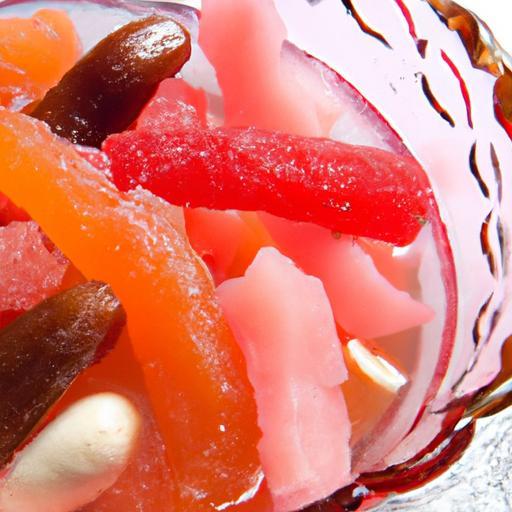
Explore more Indonesian sweet traditions with our thorough guide to Kue Indonesian Snacks and immerse yourself in the vibrant dessert culture of the archipelago.
Q&A
Q&A: Gulali Jadul – Exploring Indonesia’s Timeless Sweet Tradition
Q1: What is Gulali Jadul?
A: Gulali Jadul is a traditional indonesian sweet treat, often recognized as a colorful, floss-like candy made from caramelized sugar. The term “jadul” means “old-fashioned” or “vintage,” reflecting its deep roots in Indonesian culture and the nostalgic charm it holds for many generations.
Q2: how is Gulali jadul made?
A: The crafting of Gulali Jadul is almost an art form. Traditionally,it involves boiling sugar until it caramelizes,then skillfully spinning or pulling it into delicate,airy strands. sometimes natural food coloring is added to create vibrant hues, making the candy visually captivating. This process takes patience and experience, frequently enough passed down through families or local candy makers known as “penjual gulali.”
Q3: Where can you typically find Gulali Jadul in Indonesia?
A: Gulali Jadul is commonly found at traditional markets, cultural festivals, and street fairs across Indonesia, especially in Java and surrounding islands. Children flock to stalls where the candy makers perform their craft live, turning the sweet-making process into an entertaining spectacle. It’s also a popular treat during local celebrations and religious events.
Q4: Why does Gulali Jadul hold such cultural significance?
A: Beyond its sugary sweetness, Gulali Jadul represents a slice of Indonesian heritage, evoking memories of simpler times and close-knit communities. It is indeed a symbol of artisanal craftsmanship and embodies the joy of traditional street life. For many Indonesians, eating Gulali Jadul is a connection to their childhood and an appreciation of local flavors and customs.
Q5: How has Gulali Jadul evolved in modern times?
A: While the core tradition remains intact, modern twists have emerged: new flavors like pandan, chocolate, and exotic fruit infusions cater to contemporary palates.Some makers have adapted by offering packaged versions or partnering with cafes to introduce Gulali Jadul to younger, urban audiences. Still, many purists prefer the original hand-spun strands made right before their eyes.
Q6: Can Gulali Jadul be made at home?
A: Yes, but with a caveat: making authentic Gulali Jadul requires precision and skill to manage caramelized sugar without burning it and to form the delicate threads properly. Home cooks can find recipes online,but replicating the perfect texture and appearance might take some practice. The experience, however, offers a delightful glimpse into Indonesia’s sweet heritage.
Q7: What makes Gulali Jadul unique compared to other sugar candies worldwide?
A: Unlike conventional hard candies or modern confections, Gulali Jadul’s light, fibrous texture and handmade artistry set it apart. Its creation is as much a visual performance as it is a culinary craft. The cultural ambiance and spontaneous joy surrounding its purchase add layers of uniqueness,making it more than just a sweet treat – it’s a shared experience steeped in local tradition.
Whether encountered at a bustling market or savored in a quiet moment of nostalgia, Gulali Jadul continues to enchant with its timeless sweetness and cultural resonance, preserving a vibrant thread in the rich tapestry of Indonesian heritage.
Insights and Conclusions
As the vibrant hues of Gulali Jadul continue to captivate both young and old, this timeless sweet tradition remains a colorful thread woven into Indonesia’s rich cultural tapestry. more than just a confection, Gulali Jadul tells a story of heritage, craftsmanship, and simple joys passed down through generations. Whether enjoyed at bustling street markets or cherished family gatherings, these spun sugar delights invite us to savor not only their sweetness but also the enduring spirit of Indonesian tradition. In exploring Gulali Jadul, we find a beautiful reminder that some tastes – and tales – truly are timeless.