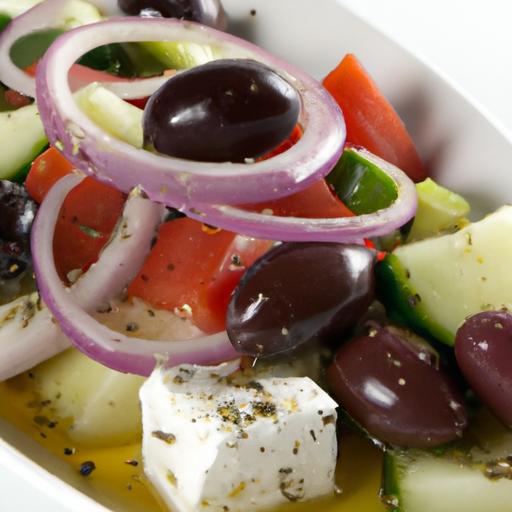

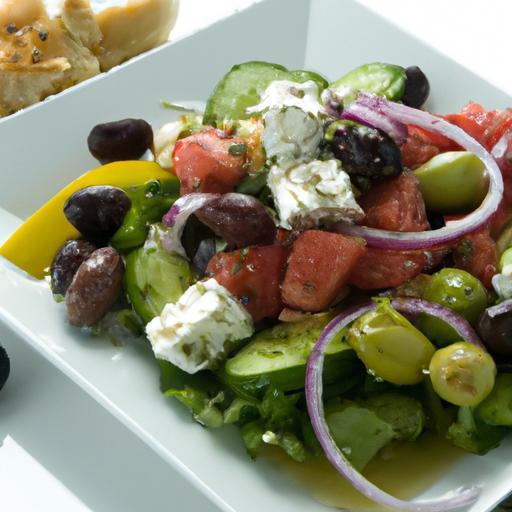
In the vibrant tapestry of Mediterranean cuisine, few dishes evoke the essence of sun-drenched landscapes and ancient heritage quite like the Greek salad. More than just a medley of tomatoes, cucumbers, olives, and feta, this iconic salad is a culinary festivity that marries freshness with timeless tradition. “Greek Salad Unveiled: Fresh flavors and Timeless Tradition” invites you on a flavorful journey through the origins, ingredients, and cultural significance of this beloved dish-revealing how simple, wholesome elements come together to create a taste that’s both effortlessly refreshing and deeply rooted in history. Whether enjoyed on a bustling Athenian terrace or recreated in your own kitchen, the Greek salad remains a symbol of vibrant life and enduring Mediterranean charm.
Greek salad Unveiled: Fresh Flavors and Timeless Tradition brings you an authentic journey into one of the Mediterranean’s most cherished dishes. This vibrant and refreshing salad, known locally as Horiatiki, perfectly balances crisp vegetables, creamy feta, and tangy olives-all tied together with a dressing that captures the essence of Greece’s sun-soaked landscape. Its origins trace back to rural villages where farmers and fishermen relied on simple, wholesome ingredients to craft meals that celebrated nature’s bounty, making it a living symbol of Mediterranean hospitality and health.
Prep and Cook Time
- Preparation: 15 minutes
- Cook Time: 0 minutes
- Total Time: 15 minutes
Yield
Serves 4 as a side dish
Difficulty Level
Easy
Ingredients
- 4 medium ripe tomatoes, cut into wedges
- 1 large cucumber, peeled and sliced into half-moons
- 1 green bell pepper, thinly sliced
- 1 small red onion, thinly sliced
- 150g block of feta cheese, cut into thick slices
- 1 cup Kalamata olives, pitted
- 2 tablespoons extra virgin olive oil
- 1 tablespoon red wine vinegar
- 1 teaspoon dried oregano, preferably Greek oregano
- Salt to taste
- Freshly cracked black pepper, to taste
- Optional: a handful of fresh parsley or mint leaves for garnish
Instructions
- Prepare your vegetables: Start by washing all fresh produce thoroughly. Cut the tomatoes into irregular wedges to create visual interest. Peel the cucumber if the skin is thick or waxy, then slice into half-moons for easy eating.
- Assemble the base: In a large bowl, combine the tomatoes, cucumber, thinly sliced green pepper, and red onion. Toss gently to mix the vibrant colors evenly.
- Add the olives: scatter the Kalamata olives on top, distributing their briny punch throughout the salad.
- Dress the salad: In a small bowl, whisk together the extra virgin olive oil, red wine vinegar, dried oregano, a pinch of salt, and a few grinds of black pepper. Drizzle this dressing evenly over the salad, making sure each vegetable gets coated but not drenched.
- Top with feta: Place thick slices of feta on top of the salad, allowing the cheese’s crumbly, salty texture to contrast with the fresh vegetables. Do not crumble feta-serving it in slabs stays true to tradition.
- Garnish and finish: Optional-sprinkle chopped fresh parsley or mint leaves for an herbal lift and burst of color. Serve immediately to preserve freshness and crisp textures.
Chef’s Notes: Tips for Success
- Choosing tomatoes: Use ripe, in-season tomatoes for maximum sweetness and juiciness; heirlooms add enticing color variations.
- Feta variety: Always opt for authentic Greek feta made from sheep’s milk or a blend of sheep and goat’s milk for the creamiest, tangiest result.
- Dressing secrets: Avoid bottled dressings. Mixing fresh olive oil with a good quality red wine vinegar and dried oregano brings authentic Mediterranean flavor.
- Substitutions: If Kalamata olives aren’t available, castelvetrano or green olives can provide a milder choice.
- Make-ahead tips: Prepare the dressing in advance and keep vegetables chilled separately. Dress just before serving to avoid sogginess.
Serving Suggestions
This salad shines alongside grilled meats like lamb or chicken, or as part of a mezze platter with pita bread and tzatziki. For a light meal, serve with crusty bread and a glass of chilled Assyrtiko wine. Garnish with a few whole oregano sprigs or thin lemon slices to enhance visual appeal.
| Nutrient | Per Serving |
|---|---|
| Calories | 180 kcal |
| Protein | 6 g |
| Carbohydrates | 9 g |
| fat | 14 g (mostly healthy fats) |
Explore Related Recipes
Discover more Mediterranean delights like Grilled Greek Lamb Chops that beautifully complement the fresh taste of this salad.
For in-depth cultural context, visit Encyclopaedia Britannica’s Greek salad entry for a scholarly perspective on this timeless dish.
Q&A
Q&A: Greek Salad Unveiled – Fresh flavors and Timeless Tradition
Q1: What makes a Greek salad truly authentic?
A1: An authentic Greek salad, or “Horiatiki,” is a vibrant symphony of fresh, simple ingredients-ripe tomatoes, crisp cucumbers, sharp red onions, shining green bell peppers, briny Kalamata olives, creamy feta cheese, and fragrant oregano. It’s dressed simply with high-quality extra virgin olive oil and a splash of red wine vinegar or lemon juice, allowing each component’s natural flavor to sing. Unlike many Western variations, traditional Greek salad excludes lettuce, focusing rather on the bold textures and tastes of these farm-fresh ingredients.
Q2: How did Greek salad become a symbol of Mediterranean cuisine?
A2: Greek salad embodies the Mediterranean lifestyle-celebrating fresh, local produce, minimal processing, and balanced flavors. rooted in the ancient Greek ethos of harmony and simplicity, this salad reflects the region’s abundance of vegetables, olives, and dairy. Over time, as Greek cuisine gained international acclaim, the salad became synonymous with healthy Mediterranean eating and easy, colorful meals that bring sunshine to any table.
Q3: Why is feta cheese indispensable in Greek salad?
A3: Feta is much more than just a topping-it’s the soul of Greek salad. Made from sheep’s or goat’s milk, feta imparts a distinctive tangy creaminess that contrasts and complements the crisp vegetables and salty olives. its crumbly texture brings both flavor complexity and satisfying mouthfeel, tying together the freshness and earthiness of the salad’s other ingredients. Without feta, a Greek salad loses its signature character.
Q4: Can Greek salad be customized while staying true to tradition?
A4: Absolutely! While the classic ingredients remain non-negotiable for purists, regional and seasonal variations bring delightful twists. Some add capers, fresh herbs like dill or mint, or sprinkle toasted pine nuts for texture. Others might layer slices of anchovies or incorporate locally grown heirloom tomatoes. The beauty of Greek salad lies in its flexible framework-each version telling a story of place and palate, yet honoring a timeless foundation.
Q5: What role does olive oil play in Greek salad beyond flavor?
A5: Olive oil in Greek salad is the golden elixir that binds all the ingredients, enhancing their natural flavors while adding richness and depth. Beyond taste, extra virgin olive oil is a cornerstone of Greek culture and health, prized for its antioxidants and heart-healthy fats. Its vibrant, peppery quality elevates the salad from a simple vegetable dish to a celebration of Mediterranean heritage and wellness.
Q6: How can one experience the “timeless tradition” of Greek salad at home?
A6: To capture the essence of Greek salad’s tradition, start with the freshest, highest-quality ingredients you can find-ripe, juicy tomatoes, firm cucumbers, salty olives, and authentic Greek feta. Resist the urge to overcomplicate; dress the salad with just good olive oil and a dash of vinegar or lemon. Serve it with warm, crusty bread and a glass of chilled retsina or white wine. Each bite is a flavorful journey back to sun-kissed Greek countryside tables, where food is both nourishment and ritual.
In Conclusion
As we close the chapter on the vibrant world of Greek salad, it’s clear that this deceptively simple dish is much more than a medley of fresh ingredients. It is a celebration of heritage, sunshine, and the enduring joy of sharing good food with others. From its ancient roots to its timeless presence on modern tables, the Greek salad stands as a testament to how tradition and freshness can harmonize beautifully in every bite. so next time you toss together those crisp cucumbers, juicy tomatoes, briny olives, and creamy feta, remember-you’re not just making a salad; you’re savoring a story steeped in culture and flavor that has delighted palates for centuries.