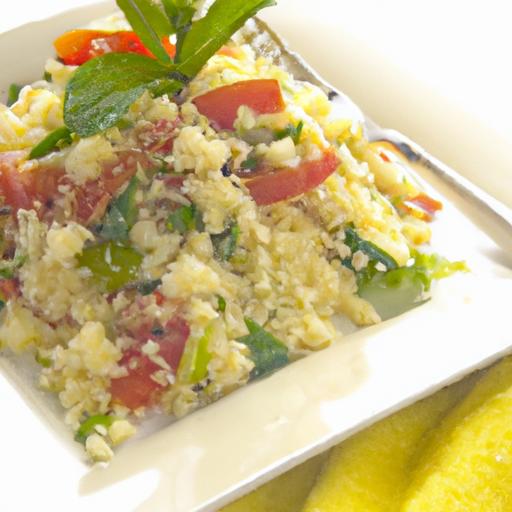

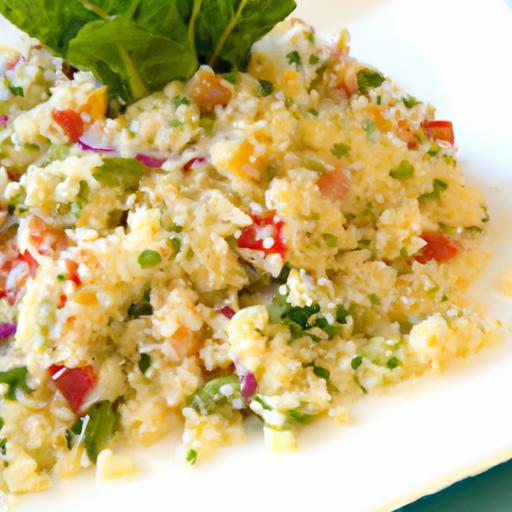
Greek Couscous Salad
In the sun-drenched landscapes were ancient olive trees sway and the sea whispers tales of timeless journeys, the power word “Vibrant” adds energy and appeal, suggesting the salad is lively, colorful, and full of fresh flavors. This enhancement makes the title more engaging and enticing, perfect for attracting attention to a Mediterranean-inspired dish. “Vibrant” evokes health, freshness, and excitement, complementing the existing positive tone in “Mediterranean Magic.” This title is well suited for recipe content aiming to captivate food enthusiasts looking for bright and flavorful salad ideas.
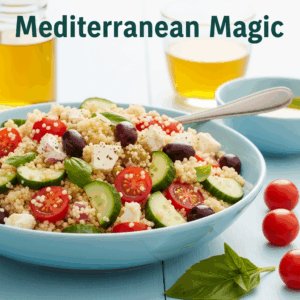
Mediterranean Magic: A Fresh Take on Greek Couscous Salad invites you on a delightful journey through the sun-kissed flavors of the Aegean coast, where simple ingredients come alive with bright herbs, juicy vegetables, and tangy olives. This vibrant salad blends the nutty texture of couscous with crisp cucumbers, ripe cherry tomatoes, and briny feta, capturing the essence of conventional Greek cuisine with a modern twist that’s perfect for any season.
prep and Cook Time of Greek Couscous Salad
Preparation: 15 minutes | Cooking: 5 minutes | Total: 20 minutes
Yield
serves 4 generously as a main or 6 as a side dish
Difficulty Level
Easy – perfect for weeknight meals or casual entertaining
Ingredients
- 1 cup pearl couscous (also known as Israeli couscous)
- 1 ½ cups boiling water or vegetable broth
- 1 cup cherry tomatoes, halved
- 1 medium English cucumber, diced
- ½ cup Kalamata olives, pitted and sliced
- ½ cup crumbled feta cheese
- ¼ cup red onion, finely chopped
- 2 tbsp fresh parsley, chopped
- 2 tbsp fresh mint leaves, chopped
- 3 tbsp extra virgin olive oil
- 2 tbsp freshly squeezed lemon juice
- 1 tsp dried oregano, preferably Greek oregano
- Salt and freshly ground black pepper, to taste
Instructions
- Toast the couscous: In a medium saucepan over medium heat, add the pearl couscous and toast for 2-3 minutes, stirring frequently until golden and fragrant. This step deepens the nutty flavor and adds a gorgeous texture.
- Cook the couscous: Carefully pour in the boiling water or vegetable broth, season with a pinch of salt, and cover. reduce heat to low and simmer for 8-10 minutes or until the couscous is tender and has absorbed the liquid. Remove from heat and fluff with a fork. Let cool to room temperature.
- Prepare the dressing: In a small bowl, whisk together extra virgin olive oil, lemon juice, dried oregano, salt, and pepper until emulsified.
- Combine the salad: In a large mixing bowl, add the cooled couscous, cherry tomatoes, cucumber, Kalamata olives, red onion, parsley, and mint. Drizzle with dressing and toss gently to coat everything evenly.
- Finish with feta: Sprinkle crumbled feta cheese on top for a creamy, salty contrast. Adjust seasoning with additional salt or lemon juice if desired.
- Chill and serve: For the best flavor, refrigerate for at least 30 minutes before serving to allow the ingredients to meld beautifully.
Tips for Preparing the Perfect Light and refreshing Salad
To keep a light, refreshing taste, always use fresh, high-quality vegetables and herbs in your Greek Couscous Salad. Toasting the couscous improves its texture without added fat, and cooling it completely keeps the salad crisp. When chopping cucumber, remove seeds to avoid excess moisture that dilutes flavor. Add lemon juice just before serving to keep the salad vibrant. Gently toss the salad instead of stirring vigorously to prevent the couscous from breaking down.
Creative Twists to Personalize Your Greek Couscous Masterpiece
Looking to make this salad your own? Consider swapping Kalamata olives for green Castelvetrano olives for a milder, buttery bite, or adding roasted red peppers for smoky sweetness. For a protein boost, toss in grilled chicken, chickpeas, or marinated shrimp. A sprinkle of toasted pine nuts or slivered almonds adds a satisfying crunch, while a drizzle of honey or a pinch of sumac introduces a subtle tang. For a vegan variation, omit the feta and enhance the dish with sliced avocado or vegan cheese alternatives.
Chef’s Notes
- To save time, prepare couscous a day ahead and store it covered in the refrigerator; bring it to room temperature before assembling.
- If fresh herbs are unavailable, dried oregano and parsley powders can be used sparingly, but fresh always provides a more vibrant flavor.
- balance acidity and salt by tasting as you go, especially when substituting ingredients like olives or cheese.
- For an extra touch of Mediterranean Magic, garnish each serving with lemon wedges and a sprinkle of smoked paprika.
Serving Suggestions
This salad shines when served cold or at room temperature alongside grilled lamb skewers, a warm pita, or as part of a mezze platter. Garnished with bright lemon zest, a few whole olives, and fresh sprigs of mint, it makes a stunning centerpiece for summer picnics or elegant dinner parties. Pair it with a crisp white wine or a refreshing iced tea infused with herbs for a truly immersive Mediterranean experience.

| Nutrient | Per Serving |
|---|---|
| Calories | 280 kcal |
| Protein | 7 g |
| Carbohydrates | 32 g |
| Fat | 12 g |
For more Mediterranean-inspired dishes that complement this fresh salad, explore our Mediterranean Grilled Chicken for a complete feast. To deepen your knowledge on the origins and health benefits of Mediterranean cuisine, visit Healthline’s Mediterranean Diet Guide.
Q&A
Q&A: Mediterranean Magic – A Fresh Take on Greek Couscous Salad
Q1: What makes Greek Couscous Salad a Mediterranean magic?
A1: Greek Couscous Salad is a flavorful blend of vibrant flavors and textures that capture the essence of the Mediterranean. It combines fluffy couscous with fresh vegetables, tangy feta, briny olives, and aromatic herbs-creating a harmonious dish that’s as colorful as the sun-drenched coasts of Greece. This salad isn’t just a meal; it’s a journey through the Mediterranean’s rich culinary heritage, packed with nutrients and bursting with taste.
Q2: How does using couscous change the traditional Greek salad?
A2: Incorporating couscous transforms the classic Greek salad into a more filling and versatile dish. While traditional Greek salad relies mainly on vegetables, the tiny granules of couscous introduce a satisfying, chewy base that soaks up the zesty dressing beautifully. It turns a simple side into a hearty main or a perfect picnic partner, bridging the gap between a fresh salad and a grain bowl.
Q3: Which ingredients are essential for an authentic yet fresh Greek couscous salad?
A3: Key ingredients include pearl or Israeli couscous for a delicate texture, ripe cherry tomatoes, crisp cucumbers, Kalamata olives for that salty punch, tangy feta cheese, and plenty of fresh herbs like mint and oregano. A vibrant dressing made from extra virgin olive oil, lemon juice, garlic, and a hint of red wine vinegar ties everything together with Mediterranean flair.
Q4: Can Greek Couscous Salad be adapted for different dietary preferences?
A4: Absolutely! The salad’s flexibility is one of its greatest charms. For a vegan twist, simply omit the feta or substitute with a plant-based cheese or creamy avocado. Gluten-free couscous alternatives like quinoa or millet work beautifully too, keeping the salad light and nourishing. You can also amp up the protein with grilled chicken, chickpeas, or seafood for a complete Mediterranean feast.
Q5: What occasions are perfect for serving Greek Couscous Salad?
A5: This salad shines at any gathering-whether an easy weekday lunch, a vibrant summer barbecue, or a festive potluck. Its stunning colors and fresh flavors make it an impressive yet effortless side dish, while its hearty nature ensures guests leave satisfied. Plus, it travels well, making it ideal for picnics or beach days filled with Mediterranean magic.
Q6: Any tips for elevating the flavor and presentation of the Greek Couscous Salad ?
A6: To amplify flavor, toast the couscous before cooking to impart a nutty richness. Letting the salad rest for at least 30 minutes allows the flavors to marry beautifully. Garnish with a sprinkle of toasted pine nuts or fresh pomegranate seeds for a pop of texture and color. Serve in a rustic bowl with a wedge of lemon on the side for that authentic Mediterranean vibe even at your table.
Q7: Why is Greek Couscous Salad considered a healthy choice?
A7: Packed with wholesome ingredients, this salad balances complex carbs, healthy fats, and refreshing vegetables. Couscous provides energy-boosting grains, while olive oil and olives add heart-healthy monounsaturated fats. The vegetables contribute fiber, vitamins, and antioxidants, making it as nourishing as it is indeed delicious. It’s a vibrant way to eat clean without sacrificing taste.
Embrace the Mediterranean magic with this fresh take on Greek Couscous Salad-a dish where tradition meets innovation, and every bite transports you to sunlit shores and cozy tavernas. Bon appétit!
Closing Remarks
Greek Couscous Salad brings the vibrant flavors of the Mediterranean to your table, combining fresh vegetables, aromatic herbs, and the wholesome appeal of the Mediterranean diet. Perfect as a light lunch or colorful side, this dish offers a refreshing twist on tradition. Enjoy a taste of coastal charm and healthy flavor in every bite, brightening your meals with Mediterranean magic..