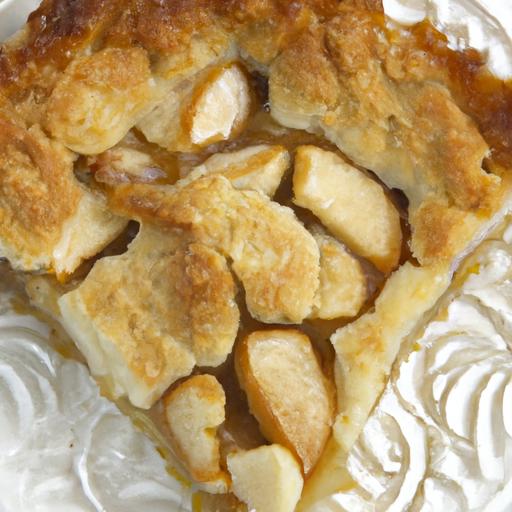

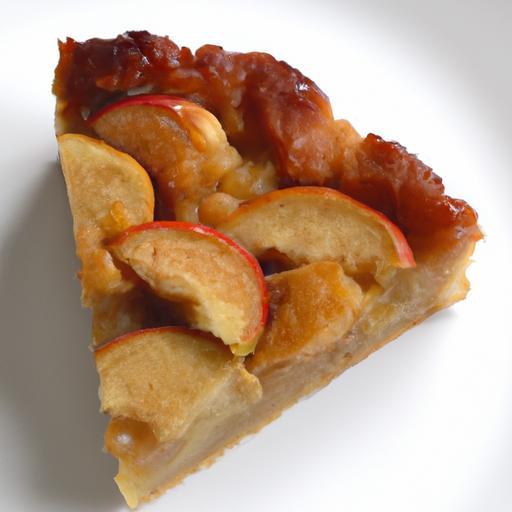
Nestled in the heart of German kitchens, the authentic apple cake is more than just a dessert-its a cherished tradition that carries the warmth of family gatherings and the whispers of seasons past. Wiht its tender crumb, aromatic spices, and generous layers of tart apples, this beloved treat captures the essence of autumnal bliss and timeless craftsmanship. In every slice of German apple cake, there’s a story baked in-a story of heritage, regional flair, and the simple joy of sharing homemade goodness. Join us as we unfold the sweet tradition of this iconic delight, exploring its origins, unique ingredients, and the cultural heartbeat that keeps this culinary treasure alive across generations.
The Sweet Tradition of Authentic German Apple Cake Delight
Embarking on a culinary journey with this beloved dessert, one immediately senses its deep-rooted heritage and warm nostalgic feel. This German apple cake is not just a treat; it carries decades of tradition, where every bite tells a story of family gatherings and seasonal orchard harvests. Its tender crumb, fragrant spices, and tart-sweet apple layers evoke the essence of German countryside kitchens, where simple ingredients are elevated into heartfelt comfort.
The Origins and Cultural Importance of German Apple Cake
Tracing back to centuries-old regional recipes, this classic German apple cake-frequently enough called Apfelkuchen-was a symbol of autumn celebrations. German households prized their local apple varieties and created recipes that highlighted the natural sweetness and texture of their harvest. Traditionally baked in a round pan with a buttery crust and spiced apples nestled on top or within the batter, it was both an everyday dessert and a special occasion centerpiece. The cake not only represents the apple’s cultural significance in Germany but also the communal joy of sharing homemade baked goods with loved ones during harvest festivals and Sunday family gatherings.
Choosing the Perfect Apples for an Authentic Taste
Authenticity comes alive when you select apples that balance sweetness with a hint of tartness. Ideal choices include Elstar, Braeburn, or Jonagold, apples prized in Germany for their firm texture and bright flavor. these varieties maintain structure during baking, delivering luscious, tender slices without turning mushy. Avoid overly sweet or soft apples like Red Tasty, as they tend to dissolve and compromise the cake’s texture.
Tip: Peel and slice apples evenly (about 1/4-inch thick) to ensure uniform cooking and an attractive layered look. Tossing them lightly in lemon juice before assembling preserves their vibrant color and adds a subtle zest that elevates flavor.
Secrets to Achieving the Ideal Texture and Spice Balance
The hallmark of a memorable German apple cake lies in marrying moist, tender crumb with a delicate spice blend. Using a combination of ground cinnamon, nutmeg, and a hint of clove creates a harmonious warmth without overpowering the natural apple flavor. Incorporate fine-textured all-purpose flour with a touch of almond meal to introduce subtle nuttiness and moisture retention.
The batter should be smooth but slightly thick, allowing the apples to remain suspended or beautifully layered atop. Baking at a moderate 350°F (175°C) ensures the cake cooks evenly and yields a golden crust with gently caramelized edges.
Tips for Serving and Pairing Your German Apple Cake Delight
Present your apple cake as a rustic centerpiece garnished with a dusting of powdered sugar or a delicate drizzle of vanilla glaze. Freshly whipped cream or a scoop of vanilla ice cream makes for an irresistible accompaniment, balancing the warm spices and tender apples.
To elevate your experience, pair the cake with a crisp Riesling or spätburgunder (Pinot Noir) for a classic German touch. For coffee lovers, a dark roast or mild espresso rounds out the flavors delightfully.
Prep and Cook time
- Planning: 20 minutes
- Cooking: 50 minutes
- Total Time: 1 hour 10 minutes
Yield
Serves 8-10 slices
Difficulty Level
Easy to Medium – Perfect for bakers with beginner to intermediate skills
Ingredients
- 2 cups all-purpose flour, sifted
- 1/2 cup almond meal (ground almonds)
- 3/4 cup granulated sugar
- 1 tsp baking powder
- 1/2 tsp baking soda
- 1/4 tsp salt
- 1 tsp ground cinnamon
- 1/4 tsp ground nutmeg
- 1/8 tsp ground clove
- 2 large eggs, room temperature
- 3/4 cup sour cream
- 1/2 cup unsalted butter, melted and cooled
- 3 Elstar or Braeburn apples, peeled, cored, and thinly sliced
- 1 tbsp fresh lemon juice
- Powdered sugar for dusting
- Optional: Vanilla glaze or whipped cream for serving
instructions
- preheat your oven to 350°F (175°C). Grease a 9-inch springform pan and line the bottom with parchment paper for easy removal.
- Prepare the apples: Toss sliced apples with lemon juice in a medium bowl to prevent browning and add brightness.
- Mix dry ingredients: In a large bowl, whisk together the sifted flour, almond meal, sugar, baking powder, baking soda, salt, and spices until well combined.
- Combine wet ingredients: In a separate bowl, beat eggs with sour cream and melted butter until smooth and creamy.
- Incorporate wet into dry: Gently fold the wet mixture into the dry ingredients using a spatula, stirring until just combined. Avoid overmixing to keep the batter tender.
- Assemble the cake: Pour half the batter into the pan and spread evenly. Layer half of the apple slices over the batter, then add the remaining batter on top carefully. Finish with the remaining apple slices arranged beautifully in a circular pattern.
- Bake for 50 minutes, or until a toothpick inserted in the center comes out clean and the cake edges are golden brown.
- Cool completely in the pan on a rack before removing the springform ring. Dust with powdered sugar or drizzle with a vanilla glaze just before serving.
Tips for Success
- Use room temperature eggs and sour cream to ensure even mixing and smooth batter.
- For a richer depth, swap half the granulated sugar for brown sugar, which adds molasses notes that intensify the spice flavors.
- Freshly grated nutmeg is preferable for a brighter, more aromatic result.
- Make ahead: this cake tastes even better the next day as flavors meld; store covered at room temperature for up to 2 days.
- Gluten-free option: Substitute all-purpose flour with a 1:1 gluten-free baking blend and reduce almond meal to 1/4 cup to maintain structure.
Serving Suggestions
Slice the cake into generous wedges and serve warm or at room temperature. Top with a dollop of lightly sweetened whipped cream or vanilla ice cream. Fresh apple slices and a sprinkle of toasted almonds offer additional texture contrast. Pair with a pot of strong German coffee or hot black tea for the perfect afternoon indulgence.
| Nutrient | Per Serving |
|---|---|
| Calories | 320 kcal |
| Protein | 5 g |
| Carbohydrates | 45 g |
| Fat | 12 g |
For a deeper dive into customary German baking techniques,explore our guide to classic German pastries.To better understand the nutritional benefits of apples used in baking, visit USDA’s ChooseMyPlate.
Q&A
Q&A: The Sweet Tradition of Authentic German Apple Cake Delight
Q1: What makes German apple cake different from other apple cakes around the world?
A1: German apple cake, or Apfelkuchen, is distinct in its harmonious balance of tart and sweet apples combined with a tender crumb or sometimes a buttery yeast dough base. Unlike some apple cakes that are heavily spiced or overly sweet, the German version emphasizes fresh, high-quality apples and a light, moist texture, often complemented by a subtle sprinkle of cinnamon or a streusel topping that adds a delightful crunch.
Q2: Is there a specific region in Germany where apple cake is especially popular?
A2: Apple cake enjoys nationwide love in Germany, but it holds a special place in regions like Saxony and the Rhineland, where apple orchards flourish.In these areas, the cake is not just a dessert but a party of the apple harvest season, frequently enough baked for family gatherings and local festivals.
Q3: What types of apples are traditionally used in authentic German apple cake?
A3: Traditional recipes favor tart varieties such as Granny Smith or Braeburn apples to provide a pleasant contrast to the cake’s sweetness.In Germany, locally grown varieties like Elstar or Boskoop are cherished for their firm texture and bright acidity, which hold up beautifully during baking and infuse the cake with vibrant flavor.
Q4: How is the texture of an authentic German apple cake achieved?
A4: The magic lies in the layering and preparation. Many recipes start with a buttery shortcrust or yeast dough base, topped with thinly sliced apples arranged meticulously. Some versions add a streusel crumb topping that bakes into a golden, crumbly crust. The result is a delightful interplay between soft, tender cake and the slight crispness of baked apples and streusel.
Q5: Can apple cake be enjoyed year-round, or is it tied to a particular season?
A5: While apple cake is especially cherished in autumn-coinciding with the apple harvest-it’s beloved by German families all year round. Thanks to the availability of apples year-round and modern storage techniques, this sweet tradition can be savored whenever the craving for a comforting, fruity dessert arises.
Q6: Are there any traditional accompaniments served with German apple cake?
A6: Absolutely! A dollop of freshly whipped cream, a scoop of vanilla ice cream, or a generous drizzle of warm vanilla custard enhances the cake’s flavor and adds creamy indulgence. Some also enjoy it with a dusting of powdered sugar for a simple yet elegant finish.
Q7: How has the recipe for German apple cake evolved over time?
A7: while the core elements-apples, cake base, and light sweetness-remain faithful to tradition, modern home bakers and chefs sometimes experiment with nuts, raisins, or varying spice blends like nutmeg and cardamom. However, the essence of the cake as a cozy, heartwarming treat continues to be preserved thru generations.
Q8: what cultural significance does German apple cake hold?
A8: Beyond being a delicious dessert, German apple cake is a symbol of warmth, family, and heritage. It showcases the country’s rich agricultural traditions and the simple joy of gathering around the table. Baking and sharing Apfelkuchen connects generations, preserving recipes and memories that tell the story of Germany’s sweet culinary legacy.
In Conclusion
As the last crumbs of this beloved German apple cake vanish from the plate, what remains is more than just a lingering sweetness-it’s a testament to a time-honored tradition woven into the very fabric of German culture. This cake, with its tender crumb and luscious fruit, is not merely a dessert but a narrative of heritage, family gatherings, and autumnal celebrations.Whether you’re savoring it with a cup of rich coffee or sharing it among loved ones, the authentic German apple cake invites you to slow down, appreciate the simple pleasures, and carry forward a sweet legacy that has delighted taste buds for generations. So next time you seek comfort in a slice of something truly special, remember: you’re not just eating cake-you’re tasting history.