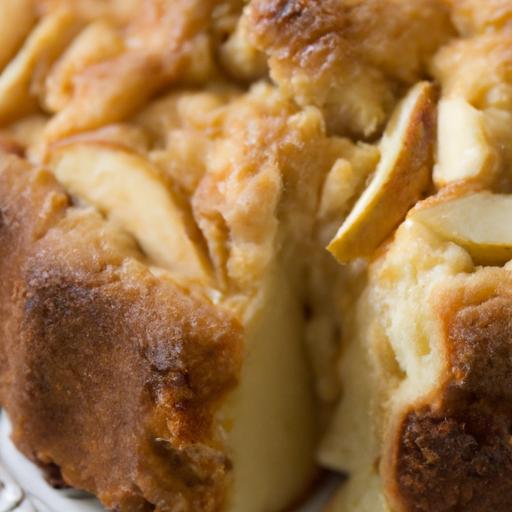

There’s something timeless about the scent of apples mingling with cinnamon and sugar, filling a cozy kitchen with warmth and nostalgia. Among the many treasures of German baking, the classic apple cake stands out not just as a dessert, but as a cherished tradition passed down through generations. More than just a simple cake, it tells a story of harvest celebrations, family gatherings, and the art of turning humble ingredients into soulful comfort.
In this article, we’ll delve into the rich heritage of the classic German apple cake recipe, exploring its origins, variations, and the secrets that make it a beloved staple on tables across Germany-and beyond. Whether you’re a seasoned baker or a curious foodie, prepare to uncover the magic behind this iconic slice of German culture.
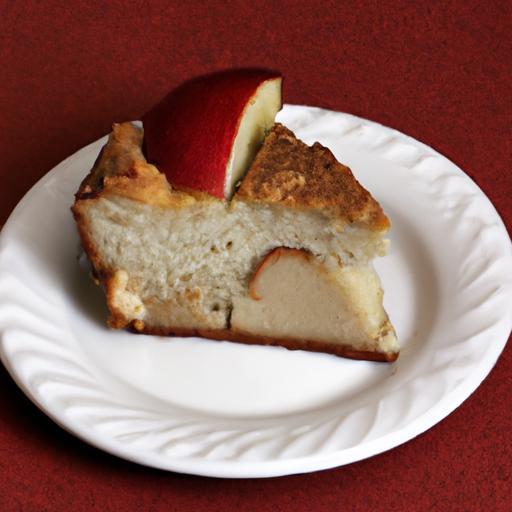
Discover the classic German apple cake recipe tradition through a journey steeped in history, warm family gatherings, and soulful flavors that capture the essence of German baking. Originating in the heart of Germany’s orchard-rich regions, this cake is far more than dessert – it’s a cultural emblem reflecting the season’s bounty and centuries of celebrated craftsmanship in the kitchen.
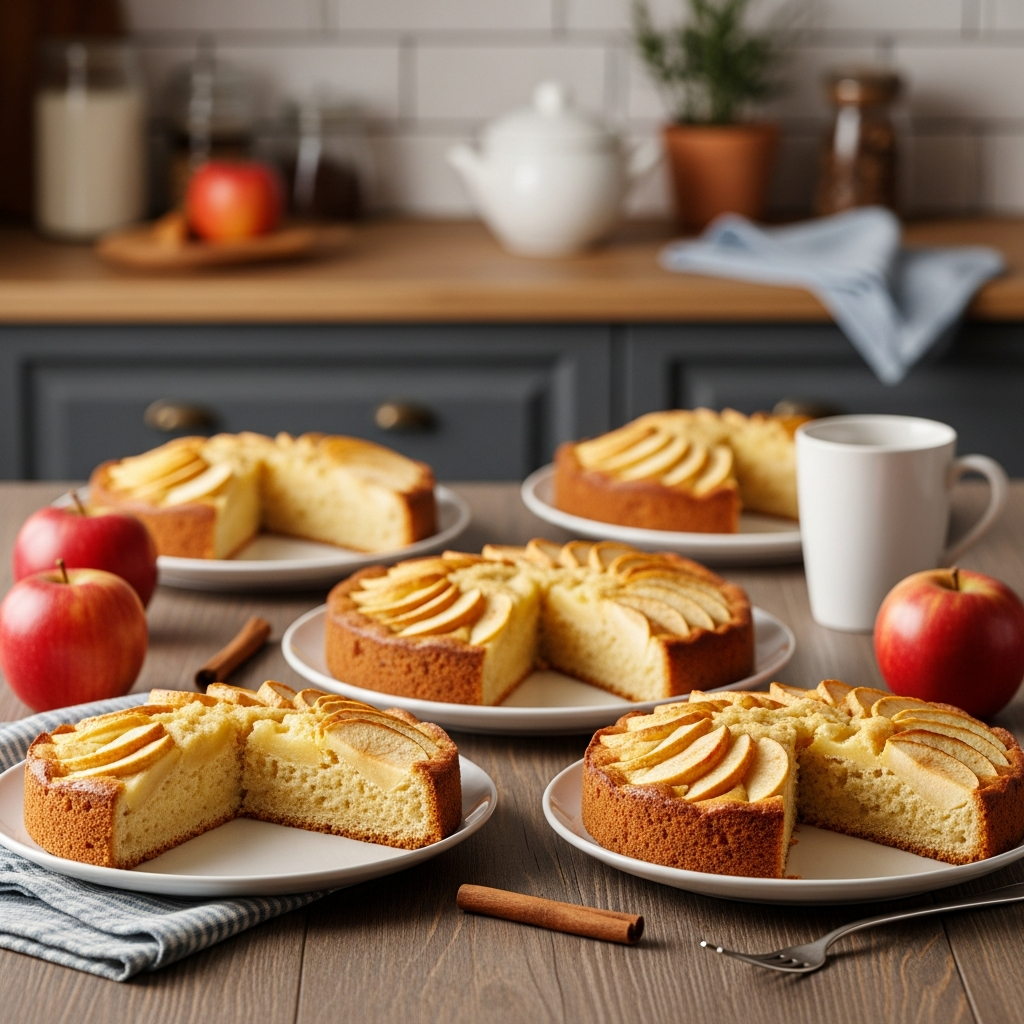
Prep and Cook Time
- Planning: 25 minutes
- Cooking: 45 minutes
- Total Time: 1 hour 10 minutes
Yield
Serves 8-10 slices
difficulty Level
Medium – approachable for confident home bakers
key Ingredients That define Traditional Flavors and Textures
- 4 large tart apples (preferably Braeburn or granny Smith, peeled, cored, and sliced)
- 1 ½ cups all-purpose flour, sifted
- ¾ cup granulated sugar
- 1 teaspoon baking powder
- ½ teaspoon ground cinnamon
- 2 large eggs, at room temperature
- ⅔ cup unsalted butter, softened
- ¼ cup whole milk
- 1 teaspoon pure vanilla extract
- A pinch of salt
- Powdered sugar for dusting
- Optional: toasted almonds or crushed hazelnuts for topping
step-by-Step Baking Techniques for Authentic Results
- Preheat your oven to 350°F (175°C). Grease a 9-inch springform pan and dust lightly with flour to prevent sticking.
- Prepare the apples: Peel, core, and slice them evenly, about ¼-inch thick. Toss with half a teaspoon of cinnamon and a teaspoon of sugar to enhance natural sweetness.
- Make the batter: In a large bowl, cream the softened butter with the granulated sugar until fluffy-this should take about 3-4 minutes with a hand mixer on medium speed.
- Add the eggs one at a time, beating well after each addition to incorporate air and ensure a light, moist crumb.
- Combine dry ingredients: In a separate bowl, whisk together the sifted flour, baking powder, remaining cinnamon, and salt.
- Alternate adding the flour mixture and milk to the butter mixture, starting and ending with flour. Mix gently until just combined-overmixing will toughen the cake.
- Fold in the vanilla extract carefully, ensuring it’s evenly distributed.
- Pour half of the batter into the prepared pan. Arrange half of the apple slices in an even layer over the batter. Repeat with the remaining batter and apples, pressing slices gently into the top.
- Optional: Sprinkle toasted nuts over the top for added texture and visual appeal.
- Bake in the center of the oven for 40-45 minutes, or until a toothpick inserted into the center comes out clean and the top is golden brown.
- Cool in the pan on a wire rack for at least 20 minutes before removing the springform ring.
- Dust generously with powdered sugar before serving for that classic, elegant finish.
Expert Tips for Perfect Presentation and Serving Suggestions
- Serve warm or at room temperature; this cake pairs beautifully with a dollop of freshly whipped cream or a scoop of vanilla ice cream to balance its tender crumb and slightly tangy apple slices.
- Garnish thoughtfully: Add a sprig of fresh mint or a light drizzle of caramel sauce for a sophisticated look and extra flavor dimension.
- Slice carefully using a serrated knife to maintain the apple layers without crushing the delicate crumb.
- For a rustic touch, serve alongside a cup of spiced tea or freshly brewed coffee, embracing the comforting traditions of German fall festivities.
Chef’s Notes: Tips for Success
- Apple variety matters: Braeburn, Granny smith, or Boskoop apples hold their shape well and provide the ideal balance of tartness and sweetness.
- Room temperature ingredients encourage even mixing and help the batter rise more consistently.
- Don’t overmix the batter; gentle folding prevents a dense texture and keeps the crumb light.
- Make ahead: this cake improves in flavor after a few hours or even overnight, making it perfect for preparing in advance of celebrations.
- storage: Keep covered at room temperature for up to 2 days or refrigerated for 4 days; warm slices briefly in the oven before serving to revive softness.
| Nutritional Info (1 slice) | Amount |
|---|---|
| Calories | 320 kcal |
| Protein | 4 g |
| carbohydrates | 45 g |
| Fat | 13 g |
For additional inspiration on German desserts, explore our complete guide to traditional German sweets. To deepen your appreciation of apple varieties and baking science, visit the Encyclopaedia Britannica’s detailed apple fruit entry.
Q&A
Q&A: Discover the Classic German Apple Cake Recipe Tradition
Q1: What makes German apple cake different from other apple cakes?
A1: German apple cake, or “Apfelkuchen,” stands out as of its rustic charm and simplicity. Unlike heavily spiced or frosted apple cakes found elsewhere, the classic German version highlights tender, tart apples layered atop a buttery, often shortcrust or sponge base. It’s less about overwhelming sweetness and more about celebrating the natural apple flavors with a subtle hint of cinnamon or vanilla.
Q2: Is there a single traditional recipe, or does it vary by region?
A2: while the core elements-apples, cake base, and occasionally a crumble topping-remain consistent, German apple cake recipes vary widely across regions. In some areas, the cake is made with yeast dough for a bread-like texture; elsewhere, a buttery shortcrust is preferred. some recipes include sour cream or quark for moisture, while others opt for a simple streusel topping. This regional diversity reflects Germany’s rich culinary heritage.
Q3: What types of apples are best for making a classic German apple cake?
A3: Tart and firm apples like Braeburn, Granny Smith, or traditional german varieties such as Boskoop are ideal. These apples hold their shape during baking and provide a pleasant balance of sweetness and tang that complements the cake’s mild flavors perfectly.
Q4: How far back does the tradition of German apple cake go?
A4: Apple cakes have been a staple in German households for centuries, dating back to when apples were a widely available fruit throughout Europe’s autumn harvest. Early recipes appeared in 19th-century cookbooks, often passed down through families, symbolizing warmth and home. The cake’s enduring popularity speaks to its comforting flavor and adaptability.
Q5: Are there any special baking techniques that contribute to the cake’s texture?
A5: absolutely! Many traditional recipes rely on gently folding whipped egg whites into the batter, resulting in a light, airy crumb. Others use a yeast dough base, which requires time for rising but yields a soft, bread-like texture. The layering of thinly sliced apples ensures even baking and a pleasant tender bite without sogginess.
Q6: Can this cake be enjoyed year-round or is it more seasonal?
A6: while German apple cake shines best in the fall during apple harvest season, it’s beloved year-round. Thanks to modern storage and availability of apples,many families enjoy it anytime,especially with a dusting of powdered sugar or a dollop of whipped cream to brighten the experience.
Q7: How has this traditional recipe influenced modern baking trends?
A7: The timeless appeal of apfelkuchen inspired contemporary bakers to experiment with healthier ingredients,gluten-free crusts,and creative toppings like nuts or caramel drizzle. Yet, the essence remains: celebrating fresh apples and simple, wholesome ingredients that pay homage to centuries-old culinary traditions.
Q8: What’s the best way to serve German apple cake?
A8: Traditionally, it’s served slightly warm with a sprinkle of powdered sugar. Many Germans enjoy it alongside a cup of coffee or tea in the afternoon-part of the cherished “Kaffeeklatsch” ritual. Some add a scoop of vanilla ice cream or a spoonful of crème fraîche for extra indulgence.
Q9: Can beginners dive into making classic German apple cake at home?
A9: Definitely! The recipe’s straightforward nature makes it accessible for bakers of all skill levels. With fresh apples,pantry basics,and a little patience,anyone can capture a slice of German culinary tradition in their own kitchen.
Q10: Where can I find authentic German apple cake recipes to try?
A10: Start with classic cookbooks dedicated to German baking or visit traditional family blogs and food websites. Many share lovingly tested recipes that honor the original methods and ingredients, frequently enough accompanied by beautiful photos and historical tidbits to enrich your baking journey.
In Summary
As the warm aroma of cinnamon and baked apples lingers in your kitchen, you’ve just stepped into a timeless tradition that has delighted German homes for generations. The classic German apple cake isn’t merely a dessert; it’s a appetizing bridge connecting past and present, a sweet story told slice by slice. Whether you savor it with a dusting of powdered sugar or a dollop of whipped cream, this cake invites you to celebrate the simple joys of seasonal harvests and heartfelt baking. So next time autumn leaves start to fall, embrace the heritage of the German apple cake and let its comforting flavors become a cherished chapter in your own culinary story.