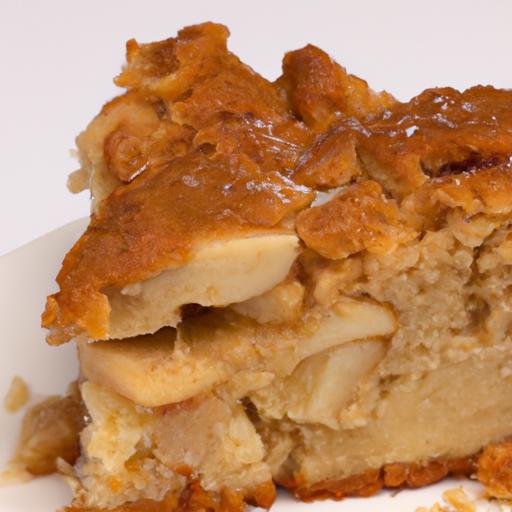

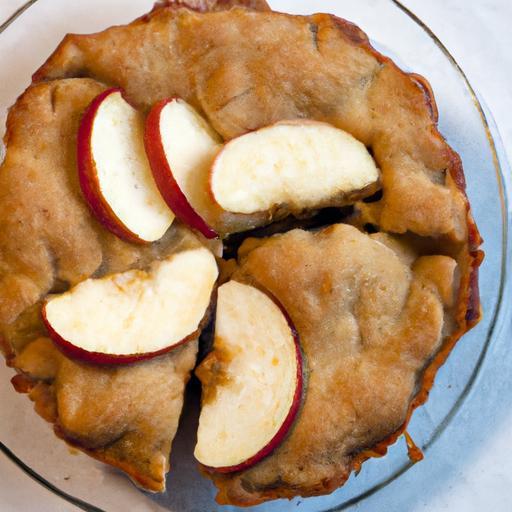
There’s something undeniably enchanting about the aroma of freshly baked apple cake wafting through a cozy kitchen-a scent that instantly evokes warmth, tradition, and a touch of nostalgia. Customary German apple cake recipes, passed down through generations, are much more than simple desserts; they are edible stories, weaving together regional flavors, family memories, and time-honored baking techniques. From the tender crumb to the delicately spiced apples, these cakes encapsulate the timeless charm of German culinary heritage. In this article, we’ll embark on a flavorful journey through the origins, variations, and enduring appeal of these beloved apple cakes that continue to capture hearts around the world.
The timeless charm of traditional German apple cake recipes lies in their perfect harmony between tender crumb and shining, juicy apples, evoking generations of cozy family gatherings and festive celebrations across Germany. Rooted deeply in the rustic regions of Franconia and Bavaria, this cake exemplifies simplicity elevated by quality ingredients and time-honored techniques. Each bite tells a story of autumn orchards, warm kitchens, and cherished traditions that have traveled through time to grace our tables today.
Origins and Cultural Importance of Traditional German
Apple Cake
Apple cakes have been a staple in German kitchens as the 19th century, frequently enough reflecting regional variations but sharing the same spirit: to honor the apple harvest and create a comforting dessert that unites family and friends. Unlike its American counterpart, German apple cake (Apfelkuchen) frequently features a tender yeast or sour cream-based dough, topped generously with sliced tart apples and sometimes crowned with a delicate streusel. This cake is more than just a sweet treat-it’s a cultural emblem, especially during autumn’s apple festivals and as an after-dinner delight paired with coffee during the beloved Kaffee und Kuchen tradition.
Prep and Cook Time
- readiness Time: 20 minutes
- Cooking Time: 50 minutes
- Total Time: 1 hour 10 minutes
Yield
Serves 8 to 10 generous slices
Difficulty Level
Medium – approachable for home bakers with some familiarity with creaming and dough preparation
Key Ingredients That Bring Authenticity to every Slice
- 3 large tart apples (Granny Smith or Boskoop – firm, with a good balance of acidity)
- 1 1/2 cups all-purpose flour, sifted for lightness
- 1/2 cup granulated sugar, plus extra for caramelizing apples
- 1 teaspoon baking powder for gentle rise
- 1/4 teaspoon salt to enhance flavor
- 1/2 cup unsalted butter, softened to room temperature
- 2 large eggs, preferably free-range
- 1/2 cup sour cream for moist, tender crumb
- 1 teaspoon vanilla extract for warmth and aroma
- 1 tablespoon cinnamon (ground) to sprinkle over apple slices
- Optional streusel topping: 1/2 cup flour, 1/4 cup sugar, 3 tablespoons cold butter
Step-by-Step Baking Tips for Achieving Perfect Texture and Flavor
- Preheat your oven to 350°F (175°C). Grease and flour a 9-inch springform pan for easy release and even baking.
- Prepare the apples: Peel, core, and thinly slice the apples in uniform pieces to ensure even caramelization. Toss them gently with a teaspoon of sugar and cinnamon to infuse subtle warmth.
- Cream the butter and sugar: Using an electric mixer on medium speed, beat 1/2 cup softened butter and 1/2 cup granulated sugar until pale and fluffy, about 3-5 minutes. This aerates the batter for a tender crumb.
- add eggs one at a time, beating well after each addition. Stir in vanilla extract to enhance depth.
- Combine dry ingredients: In a seperate bowl, whisk flour, baking powder, and salt together uniformly.
- Alternate folding: Add the dry ingredients to the creamed mixture alternately with sour cream. Begin and end with dry ingredients for balanced moisture and structure.
- Pour batter into the prepared pan, smoothing the top with a spatula.
- Arrange the apple slices concentrically over the batter, lightly pressing them down for better adhesion, then sprinkle with a bit more sugar for golden caramelization.
- Optional: Prepare the streusel by mixing flour, sugar, and cold butter until crumbly and sprinkle gently over the apples for added texture and crunch.
- Bake for 45-50 minutes. The cake is done when a skewer inserted into the center comes out clean, and the apples shimmer with a caramelized glaze.
- Cool in the pan 15 minutes before releasing the springform ring to maintain shape,then transfer to a cooling rack.
Chef’s notes for Success
- For a moister crumb,substitute half the sour cream with crème fraîche or Greek yogurt.
- Velvety batter is key: avoid overmixing after adding flour to prevent toughness.
- If you prefer a more rustic bite, maintain the peel on apples but ensure they are crisp and washed thoroughly.
- Make-ahead tip: Prepare the batter and slice apples a few hours ahead, then assemble and bake shortly before serving for fresh, aromatic results.
- For an extra touch of sophistication, drizzle warm apple cake with a spiced caramel sauce or a dusting of powdered sugar before serving.
Pairing Suggestions to Enhance the Classic German Apple Cake Experience
Traditionally, this cake pairs wonderfully with a steaming cup of strong German coffee or black tea, embodying the classic Kaffee und Kuchen ritual. For a seasonal twist, serve alongside vanilla bean ice cream or a dollop of freshly whipped cream infused with a hint of cinnamon. To embrace the full spectrum of autumn flavors, try a light Riesling or an apple cider – the vibrant acidity and fruit-forward notes elevate each bite beautifully.

| Nutritional Data (Per Serving) | Amount |
|---|---|
| Calories | 320 kcal |
| protein | 5 g |
| Carbohydrates | 45 g |
| Fat | 12 g |
For more delicious German desserts that honor tradition, explore our detailed guide on classic German Streusel Cake. To deepen your historical understanding, visit the German Foods Association’s overview of desserts, a respected authority on authentic regional recipes.
Q&A
Q&A: The Timeless Charm of Traditional German Apple Cake Recipes
Q1: What makes traditional German apple cake recipes so beloved across generations?
A1: Traditional German apple cake recipes carry a nostalgic warmth that evokes family gatherings, cozy kitchens, and the changing seasons. Their charm lies in the harmonious blend of simple, wholesome ingredients-tart apples, buttery dough, and a hint of cinnamon-that create a comforting, rustic treat. Passed down through generations, these recipes are more than desserts; they’re edible memories of home and heritage.
Q2: How do traditional German apple cakes differ from other apple desserts?
A2: Unlike many Western apple pies or crumbles, German apple cakes frequently enough feature a dense, buttery base-sometimes a yeasted dough or a tender sponge-topped with sliced apples in an artful arrangement. The focus is on balance rather than sweetness overload, emphasizing natural apple flavors enhanced by subtle spices like cinnamon and nutmeg. Some versions include a streusel topping or a drizzle of vanilla glaze, adding texture without overshadowing the fruit.
Q3: What types of apples are traditionally used in German apple cakes?
A3: Traditionally, tart and firm apples such as Boskoop, Elstar, or Granny Smith are preferred. These varieties hold their shape during baking and provide a pleasant tang that contrasts beautifully with the cake’s richness. The choice of apple frequently enough reflects regional availability, underscoring the cake’s connection to the local terroir.
Q4: Are there regional variations of German apple cake?
A4: Absolutely! Such as,the “Apfelkuchen” from the Rhineland might emphasize a yeast dough base with a thick apple layer,while the Swabian “Apfelwaie” uses a shortcrust pastry and sometimes incorporates a custard layer beneath the fruit.In Bavaria, it’s common to see a streusel topping, lending a crumbly, buttery finish. Each variation tells a story of local tastes and traditions, enriching the apple cake’s cultural tapestry.
Q5: Can traditional German apple cakes be adapted for modern dietary preferences?
A5: Yes! Many home bakers creatively adapt the recipes to accommodate gluten-free flours, reduce sugar, or use plant-based substitutes like almond milk and vegan butter. The beauty of these recipes is their flexibility-while preserving the core elements, it’s possible to craft a version that suits contemporary palates and dietary needs without losing the authentic essence.
Q6: Why is the traditional German apple cake more than just a dessert?
A6: Beyond its flavors, the traditional German apple cake embodies a deep cultural significance. It represents seasonal cycles (celebrating the autumn apple harvest), family unity (often baked together), and regional pride. Sharing a slice is an invitation to connect-with history, with community, and with the simple joys of life. In every bite, there’s a taste of enduring tradition and heartfelt hospitality.
Q7: How can one best enjoy a traditional German apple cake?
A7: the classic way is fresh from the oven, ideally accompanied by a dollop of whipped cream or a scoop of vanilla ice cream to complement the warm spices and tender apples. A cup of strong coffee or a fragrant tea enhances the experience, creating a perfect moment of indulgence steeped in tradition. Whether at a family gathering or a quiet afternoon, it’s best savored slowly, with gratitude for its timeless charm.
To Wrap It Up
As the aroma of spiced apples and buttery crusts lingers in the air, traditional German apple cakes remind us that some flavors truly stand the test of time. These cherished recipes, passed down through generations, capture not only the essence of autumn harvests but also a slice of cultural heritage. Whether enjoyed with a dollop of whipped cream or a steaming cup of coffee, each bite tells a story of warmth, family, and tradition. In a world that constantly seeks the new and novel, the timeless charm of German apple cake invites us to pause, savor, and celebrate the simple pleasures that have delighted taste buds for centuries.