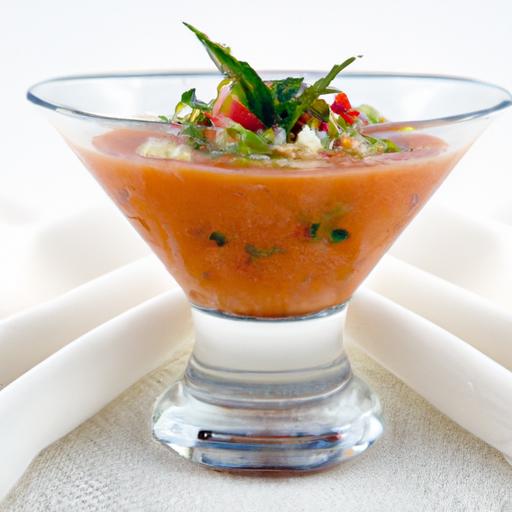

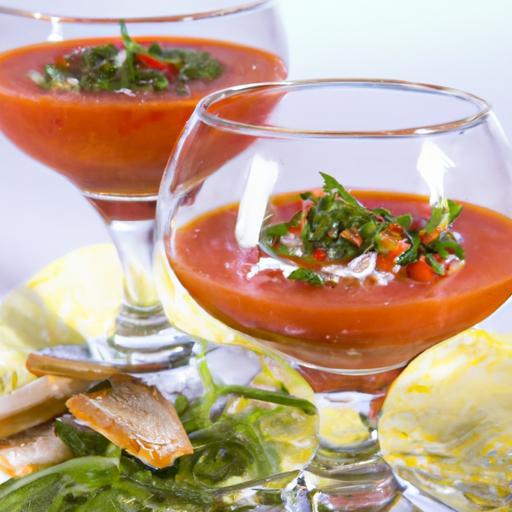
Beneath the sun-drenched skies of southern Spain lies a culinary treasure that embodies the very essence of summer-gazpacho. This vibrant, ruby-red elixir, brimming with ripe tomatoes, crisp cucumbers, and fragrant herbs, is more than just a chilled soup; it’s a refreshing ritual, a testament to Mediterranean ingenuity, and a party of simplicity in every sip. In “Gazpacho Unveiled: Spain’s refreshing Tomato Elixir,” we journey into the heart of Andalusia to explore the origins, artistry, and enduring allure of this iconic dish that has cooled generations and conquered taste buds worldwide. Prepare to uncover the story behind each flavorful drop and discover why gazpacho remains a timeless symbol of Spanish culinary heritage.
Gazpacho has long been celebrated as Spain’s refreshing tomato elixir, a chilled soup that embodies the very essence of summer on the Iberian Peninsula. this vibrant dish traces its roots back to the southern region of Andalusia, where humble farmers and artisans first blended ripe tomatoes, crisp cucumbers, peppers, and crusty bread into a revitalizing, raw concoction designed to combat sweltering heat. Over centuries, gazpacho evolved from rustic sustenance into an internationally adored culinary icon, representing the heart of Spanish culture and the fresh, bountiful harvests of Mediterranean summers.

Prep and Cook Time
Preparation: 20 minutes Chilling: 2 hours Cook Time: None (served raw)
Yield
Serves 6 generously
difficulty Level
easy – perfect for beginner and seasoned cooks alike
Key Ingredients That Make Gazpacho a Summer Staple
- 6 ripe Roma tomatoes, peeled and chopped
- 1 large cucumber, peeled and diced (reserve some for garnish)
- 1 red bell pepper, seeded and chopped
- 1 small red onion, finely chopped
- 2 cloves garlic, minced
- 3 cups good-quality tomato juice (or fresh tomato purée)
- 1/4 cup extra-virgin olive oil
- 2 tbsp sherry vinegar (for authentic tanginess)
- 2 slices crusty white bread, torn and soaked in water, then drained
- Salt and freshly ground black pepper, to taste
Step-by-Step Guide to Crafting the Perfect Gazpacho
- Prepare the vegetables: Peel and chop the tomatoes, cucumber, bell pepper, and onion into coarse chunks to ease blending.
- Soften the bread: Tear the crusty bread into small pieces, soak briefly in cold water, then squeeze out excess moisture – this adds body and silkiness.
- Blend ingredients: In a high-speed blender, combine tomatoes, cucumber, bell pepper, onion, garlic, softened bread, and tomato juice. Blend until smooth but with a slight texture, about 1 minute.
- Add acid and oil: Slowly drizzle in the extra-virgin olive oil and sherry vinegar while the blender runs on low, creating a luscious emulsion.
- Season thoughtfully: Add salt and pepper to taste. Blend briefly to incorporate.
- Chill thoroughly: Transfer gazpacho to a large bowl or pitcher, cover, and refrigerate for at least 2 hours. Cold temperature heightens its refreshing qualities.
- Refine texture (optional): For an ultra-smooth result, strain the soup through a fine sieve before serving.
- Garnish and serve: Ladle into chilled bowls, garnish with diced cucumber, bell pepper, croutons, or fresh herbs.
Chef’s Notes: tips for Success
- Tomato quality matters: Use the ripest, freshest Roma or plum tomatoes for a naturally sweet and robust flavor.
- Customize acidity: Adjust the amount of sherry vinegar or opt for red wine vinegar for a different tangy profile.
- Make ahead: Gazpacho develops deeper flavors when prepared the day before. Keep refrigerated up to 2 days.
- Texture preferences: Serve with or without straining depending on your desired rustic or silky finish.
- spice it up: Add a pinch of cayenne pepper or a splash of hot sauce for a subtle kick.
Innovative Twists and Serving Suggestions for Every Palate
Though the classic gazpacho recipe captures the sun-drenched fields of Spain perfectly, this tomato elixir invites playful reinterpretation. Try blending in fresh watermelon or strawberries for a sweeter, fruity touch that balances acidity with summer’s bounty. for creamier textures, a scoop of avocado or a dollop of Greek yogurt adds richness without overpowering the fresh flavors.
Serve gazpacho in elegant shot glasses as a refreshing appetizer or alongside grilled seafood and tapas for a festive meal. garnish with fresh herbs like basil or cilantro, crunchy toasted almonds, or diced Iberian ham to enhance texture and cultural authenticity. pair with a chilled Spanish rosé or crisp white wine to elevate your summer dining experience.

| Nutritional Info (per serving) | Amount |
|---|---|
| Calories | 120 kcal |
| Protein | 3 g |
| Carbohydrates | 12 g |
| Fat | 7 g |
For more Spanish culinary delights that celebrate seasonal produce, explore our Summer in Spain: fresh Recipes to Savor.To deepen your knowledge about Mediterranean produce and health benefits, visit the Medical News Today’s article on tomatoes and health.
Q&A
Q&A: Gazpacho Unveiled – Spain’s refreshing Tomato Elixir
Q1: What exactly is gazpacho?
A1: Gazpacho is a chilled Spanish soup that bursts with the vibrant flavors of ripe tomatoes, fresh cucumbers, bell peppers, garlic, olive oil, vinegar, and bread. Unlike traditional hot soups, gazpacho is served cold, making it a revitalizing elixir especially beloved during the warm Mediterranean summers.
Q2: Where does gazpacho originate from?
A2: Gazpacho hails from Andalusia, the sun-drenched southern region of Spain. With its bountiful harvest of fresh vegetables and steep Mediterranean heat, Andalusia gave birth to this simple yet sophisticated cold soup that reflects the essence of Spanish rustic cuisine.
Q3: how did gazpacho get its name?
A3: The word “gazpacho” possibly stems from the Arabic “Gazpáču,” meaning a kind of soup or broth. This linguistic nod hints at past Moorish influences in Andalusia, where cultures blended and inspired culinary creativity.
Q4: What makes gazpacho so refreshing?
A4: Gazpacho’s magic lies in its cold temperature combined with the crispness of raw vegetables, a splash of tangy vinegar, and the silkiness of olive oil. Each spoonful awakens your palate with shining, fresh, and zesty notes, a perfect antidote to scorching summer days.
Q5: Are there different types of gazpacho?
A5: Absolutely! While the classic tomato gazpacho reigns supreme, regional variations abound. Some recipes embrace fruits like watermelon or strawberries, others incorporate roasted peppers or almonds, and some transform it into a thicker “Salmorejo” topped with ham and boiled egg. Each version tells a unique tale of Spanish terroir.
Q6: Can gazpacho be enjoyed year-round?
A6: While gazpacho is traditionally a summer staple, its bold flavors and nutritious ingredients make it a delightful treat anytime you crave something light and nourishing. Just chill it well, garnish creatively, and sip away!
Q7: How do you make authentic gazpacho at home?
A7: The secret to authentic gazpacho lies in quality ingredients and balance. Start with perfectly ripe tomatoes, add cucumber, red bell pepper, a garlic clove, stale bread (to give body), sherry vinegar, extra virgin olive oil, salt, and cold water. Blend until smooth, chill thoroughly, and serve garnished with diced vegetables or a drizzle of olive oil.
Q8: Why is gazpacho considered healthy?
A8: Gazpacho is a vitamin-packed powerhouse. It’s low in calories, rich in antioxidants from tomatoes and vegetables, loaded with hydrating water content, and benefits from heart-healthy olive oil. It’s Spain’s way of nourishing the body and delighting the taste buds concurrently.
Q9: How has gazpacho influenced international cuisine?
A9: Gazpacho’s fame has traveled far beyond Spain’s borders. Chefs worldwide have embraced its concept, experimenting with global ingredients and fusion twists-think gazpacho with avocado, mango, or even a spicy kick. This tomato elixir continues to inspire creativity and refresh palates across cultures.
Q10: What’s the best way to savor gazpacho?
A10: The best way to enjoy gazpacho is to slow down and let its cool, vibrant flavors dance on your tongue. Pair it with crusty bread, sip it on a sunlit terrace, and imagine the warm Andalusian breeze swirling through olive groves. It’s not just a soup-it’s a sip of Spanish summer in a bowl.
Key Takeaways
As the sun sets over Spain, gazpacho shines as a refreshing tomato elixir blending ripe tomatoes, crisp cucumbers, and fragrant herbs. This cool Andalusian classic captures rich agricultural heritage and centuries of culinary art, offering a taste of Spain in every chilled bowl.