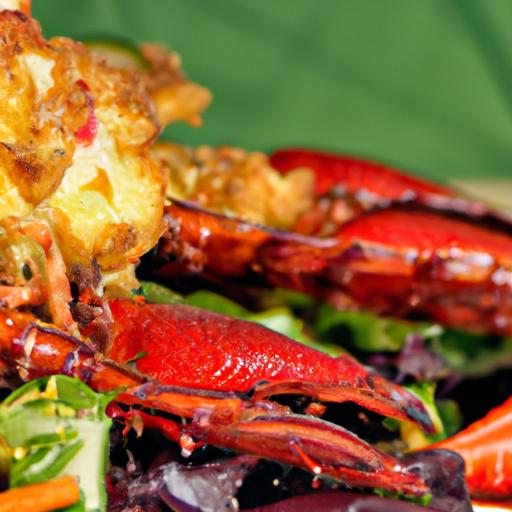

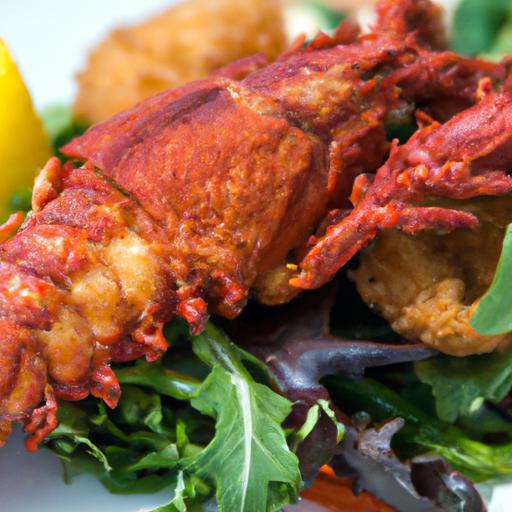
There’s something undeniably magical about the crunch of a perfectly fried lobster tail-the delicate sweetness of tender lobster meat encased in a golden, crispy crust that shatters with every bite. mastering the art of frying lobster tails isn’t just about technique; it’s a sensory journey that elevates seafood to an unusual experience. In this culinary exploration, we’ll dive into the secrets behind achieving that flawless balance of crispy exterior and succulent interior, uncovering tips, tricks, and the science that transforms humble lobster tails into irresistible crispy delights. Whether you’re a seasoned chef or a curious home cook, prepare to embark on a flavorful adventure where texture and taste unite in perfect harmony.

Crispy Delights: The Art of Perfectly Fried Lobster Tails
Crispy delights start with selecting the freshest lobster tails, a critical step that ensures every bite bursts with sweet, ocean-fresh flavor beneath an irresistibly crunchy crust. Whether you’re recreating a coastal classic or impressing guests at your next dinner party, mastering this dish promises a sublime blend of texture and taste that celebrates lobster in one of its most decadent forms.
Prep and cook time
- Readiness Time: 20 minutes
- Cooking time: 10 minutes
- Total Time: 30 minutes
Yield
Serves 4
Difficulty Level
Medium – perfect for adventurous home cooks ready to elevate their seafood game
Ingredients
- 4 fresh lobster tails (each about 6-8 ounces), thawed if frozen
- 1 cup all-purpose flour, sifted
- 1 teaspoon smoked paprika
- 1/2 teaspoon garlic powder
- 1/2 teaspoon cayenne pepper (optional, for a subtle kick)
- 1 teaspoon kosher salt
- 1/2 teaspoon freshly ground black pepper
- 2 large eggs, beaten
- 1 cup buttermilk
- 1 1/2 cups panko breadcrumbs, lightly toasted
- Vegetable oil or peanut oil, for frying
- Fresh lemon wedges, for serving
- Chopped fresh parsley, for garnish
Instructions
- Prepare the Lobster Tails: Using kitchen scissors, carefully cut the lobster shell lengthwise down the center to expose the meat. Gently loosen the meat from the shell, leaving the tail end attached, and lift it slightly above the shell for even cooking and beautiful presentation.
- Make the Seasoned Flour: In a shallow bowl, combine the flour, smoked paprika, garlic powder, cayenne pepper, kosher salt, and black pepper. Stir well to distribute the spices evenly.
- Create the Buttermilk Egg Wash: In another bowl, whisk together the eggs and buttermilk until smooth and creamy.
- Prepare the Breadcrumbs: Lightly toast panko breadcrumbs in a dry skillet over medium heat until golden and fragrant, about 3-4 minutes. This step intensifies the crunch and adds a subtle nutty flavor.
- Dredge the Lobster Meat: first, coat the lobster meat evenly in the seasoned flour mixture, shaking off the excess. Next, dip into the buttermilk-egg wash, allowing excess to drip. press the lobster tails into the toasted panko breadcrumbs, ensuring full coverage for a perfect crunch.
- Heat the Oil: in a deep, heavy-bottomed pan or fryer, heat oil to 350°F (175°C). Use enough oil for the tails to float freely during frying.
- Fry the Lobster Tails: Carefully place the breaded lobster tails into the hot oil. Fry until golden brown and crisp, approximately 3 to 4 minutes per side, turning gently for even color. The lobster meat should be opaque and tender, not rubbery – avoid overcooking!
- Drain and Rest: Remove the tails with a slotted spoon and place them on a wire rack or paper towel-lined plate to drain excess oil without sogginess.
- garnish and Serve: Plate the fried lobster tails on warmed dishes, sprinkle with fresh parsley, and serve with lemon wedges to brighten the flavors.
Chef’s notes: Tips for Success
- Freshness is key: Choose lobster tails that are firm, with a fresh ocean scent and intact shells. Avoid tails with mushy or discolored meat for optimal flavor.
- Customize your batter: For a richer taste, substitute buttermilk with whole milk and add a tablespoon of melted butter to your egg wash.
- Crunch factor: Toasting panko is optional but highly recommended-this simple step elevates texture dramatically.
- avoid sogginess: Don’t crowd the fryer; cook in batches for crisp, golden results every time.
- make ahead: Prepare the lobster tails with flour and breadcrumbs up to 2 hours before frying, keep refrigerated, and fry fresh when ready.
Serving Suggestions to Elevate Your Fried Lobster Experience
present these crispy delights atop a bed of lightly dressed arugula or mixed greens for contrast. A dollop of garlic aioli or a tangy lemon-caper tartar sauce complements the lobster’s natural sweetness. Pair with crispy seasoned fries or a vibrant mango salsa for tropical zest. For an elegant touch, scatter edible flowers like nasturtiums or microgreens to add color and refinement to your plate.
| Nutrient | Per Serving |
|---|---|
| calories | 420 |
| Protein | 34g |
| Carbohydrates | 18g |
| Fat | 22g |
For more tips on seafood dishes and elegant plating, explore our seafood recipe collection. To further understand lobster sourcing and sustainability, visit the NOAA FishWatch website, a trusted resource for responsibly harvested seafood.
Q&A
Q&A: Crispy Delights – The Art of Perfectly Fried Lobster tails
Q1: What makes fried lobster tails such a coveted delicacy?
A1: Fried lobster tails are a harmonious blend of oceanic luxury and crispy indulgence. the tender, sweet meat inside contrasts beautifully with the golden, crunchy exterior, creating a textural symphony that’s both satisfying and decadent. It’s comfort food elevated to a gourmet experience.
Q2: Why is frying lobster tails considered an art rather than just a cooking method?
A2: Frying lobster tails demands precision and finesse. Too hot, and the outside burns while the meat remains raw; too cool, and you end up with greasy, soggy breading. The art lies in mastering temperature, timing, and coating technique-each factor harmonizing to produce that perfect golden crust encasing juicy, succulent lobster.
Q3: What are the essential steps to prepare lobster tails for frying?
A3: Begin by properly thawing if frozen. Clean the shells and remove any veins. Then, butterfly or split the tails to expose the meat. Season lightly, but don’t overpower the natural lobster flavor. A light dredge in seasoned flour, followed by an egg wash, and then a crisp breadcrumb or panko coating sets the stage for frying glory.
Q4: Which frying methods yield the best lobster tail results?
A4: Deep-frying at a controlled temperature (around 350°F or 175°C) is ideal for even cooking and a uniform crust. Shallow frying works too, but requires attention to turning and oil replenishment. Air frying is a modern twist that can deliver crispiness with less oil, though traditional deep-frying remains the gold standard for achieving that irresistible crunch.
Q5: How do you know when fried lobster tails are perfectly cooked?
A5: The crust should be golden brown with a slight crunch, not dark or oily. The meat inside ought to be opaque, tender, and juicy-not rubbery or dry. Cooking times are brief-typically 3 to 5 minutes depending on size-so watch carefully. Internal temperature should reach around 140°F (60°C) for safety and optimal texture.
Q6: What complementary sauces or sides elevate fried lobster tails?
A6: Classic accompaniments include tangy lemon aioli, garlicky butter sauce, or a zesty remoulade. Sides like crisp coleslaw, herbed fries, or fresh green salads add balance. The key is allowing the rich lobster flavor to shine while adding vibrant, contrasting notes.
Q7: Can fried lobster tails be made at home by novice cooks?
A7: Absolutely! With proper preparation and attention to oil temperature, even beginners can achieve impressive results. Start with smaller tails to get comfortable with timing. Practice patience and don’t rush the breading process-it’s the foundation of that signature crunch.
Q8: Any insider tips for unlocking the ultimate crispy delight?
A8: Yes! Pat your lobster dry before breading to help the coating adhere better. Let the breaded tails rest briefly before frying to set the crust. Use fresh oil and maintain consistent heat for the crispiest finish. Experiment with adding finely grated parmesan, herbs, or spices into the breading mix for nuanced flavor layers.
Frying lobster tails is both a science and a celebration-a way to transform humble cooking elements into a luxurious, crispy delight. Master the art, and every bite will be a crunchy, buttery kiss from the sea.
Closing Remarks
As the golden crust gives way to tender, succulent lobster meat within, perfectly fried lobster tails transform a simple seafood dish into an extraordinary culinary experience. Mastering the art of frying these delicate treasures not only elevates your cooking skills but also invites you to savor the delightful harmony of texture and flavor that only crispy lobster can offer. Whether enjoyed as an indulgent appetizer or a standout main course, these crispy delights remind us that sometimes, the simplest ingredients, treated with care and technique, create the most memorable meals. So next time you crave a taste of luxury with a satisfying crunch, remember that the perfect fried lobster tail is more than just food-it’s a celebration of culinary craftsmanship.