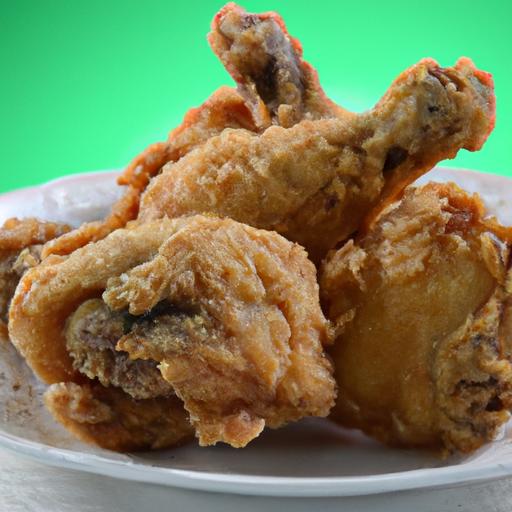

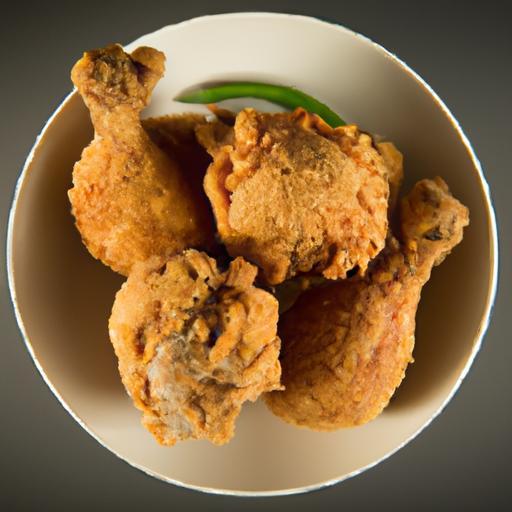
There’s something undeniably magical about biting into a piece of perfectly fried chicken-the satisfying crunch that gives way to juicy, flavorful meat beneath a golden, crackling crust. But achieving that elusive balance between crispy exterior and tender interior is no mere stroke of luck; it’s a delicate dance of art and science. From the precise selection of ingredients and mastering the ideal batter to understanding heat control and frying techniques, the journey to perfect fried chicken reveals secrets both timeless and surprising. In this exploration, we’ll unravel the crispy secrets behind one of the world’s most beloved comfort foods, bridging culinary tradition with scientific insight to help you elevate your frying game to crispy perfection.
Crispy Secrets are the cornerstone of achieving irresistibly juicy fried chicken that boasts a crackling, golden crust and tender, flavorful meat inside. Whether you’re a weekend cook or an aspiring pro, understanding the interplay between marinades, breading, and frying techniques unlocks a world of mouthwatering possibilities. From the moment the chicken soaks up savory brines to the final sizzle in hot oil, every step transforms simple ingredients into a culinary masterpiece that delights the senses.
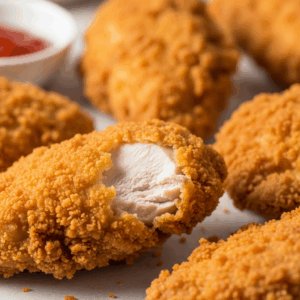
Prep and Cook Time
- Prep Time: 30 minutes (plus 4 hours marinating)
- Cook Time: 15-20 minutes
- Total Time: Approximately 5 hours (including marination)
Yield
Serves 4 hearty portions
Difficulty Level
Medium – perfect for those agreeable with frying and prepping multi-step recipes
Ingredients
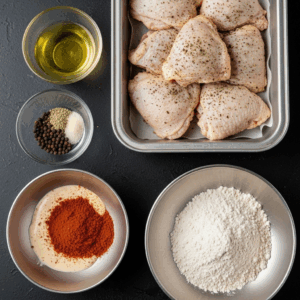
- Chicken: 8 bone-in, skin-on chicken thighs (about 3 pounds)
- Brine: 4 cups cold water, 1/4 cup kosher salt, 1/4 cup sugar, 4 crushed garlic cloves, 1 tablespoon black peppercorns
- Marinade: 2 cups buttermilk, 1 teaspoon smoked paprika, 1 teaspoon cayenne pepper, 1 teaspoon garlic powder
- Breading: 2 cups all-purpose flour, sifted
- Seasoned Flour Mix: 1 tablespoon paprika, 1 tablespoon onion powder, 1 teaspoon salt, 1 teaspoon black pepper, 1/2 teaspoon baking powder
- Oil for frying: 4 cups vegetable oil or peanut oil (enough for deep frying)
Instructions
- Prepare the brine: In a large bowl, dissolve kosher salt and sugar in cold water. Add crushed garlic and peppercorns. Submerge the chicken thighs and refrigerate for 3 to 4 hours. This step ensures deep seasoning and juicy results.
- Marinate in buttermilk: Drain the brined chicken and pat dry. In a separate bowl, whisk together buttermilk, smoked paprika, cayenne, and garlic powder. Submerge chicken pieces and refrigerate for at least 1 hour to tenderize and infuse subtle heat and tang.
- Mix the breading: Combine the sifted flour with paprika, onion powder, salt, pepper, and baking powder in a shallow dish. The baking powder elevates crunch by creating tiny air pockets in the crust.
- Heat the oil: In a deep fryer or heavy-bottomed Dutch oven, heat the oil to a steady 350°F (175°C). Use a thermometer for precise control-temperature consistency is key to avoiding greasy or undercooked chicken.
- Bread the chicken: Remove each piece from the buttermilk marinade, letting excess drip off. dredge thoroughly in the seasoned flour mixture, pressing lightly to adhere a thick, even coat.
- Fry carefully: Gently lower chicken into hot oil in batches, avoiding overcrowding. Fry for 12-15 minutes, turning occasionally for even browning. Chicken should reach an internal temperature of 165°F (74°C)
- Drain and rest: transfer fried chicken to a wire rack over a baking sheet to drain excess oil and maintain crispiness. Let rest for 5 minutes before serving.
Tips for Success Using Crispy Secrets
- Marinades and brines amplify juicy, flavorful chicken: The brine enhances moisture retention, while the buttermilk marinade tenderizes the meat. Skip either and you risk dryness or blandness.
- Mastering breading: Double-dip for ultra-thick crunch by dipping the chicken a second time into buttermilk then flour mix again. Handle the coated chicken gently to preserve the breading’s integrity.
- Oil temperature matters: Too low and the crust soaks oil; too high and the exterior burns before cooking through. Use a sentry thermometer and adjust heat as you go.
- Choosing oils: Neutral oils with a high smoke point like peanut or vegetable oil work best for sustained frying.
- Equipment edge: A deep, heavy pot keeps temperature stable. A wire rack lets excess oil drip, which keeps crust crispy longer than paper towels.
Serving Suggestions
Serve your perfectly fried chicken on a rustic wooden board or a vibrant platter with fresh herb sprigs like rosemary or thyme for visual contrast. Crisp celery sticks and a tangy homemade coleslaw add refreshing crunch while creamy mashed potatoes or buttery cornbread offer comforting balance. A drizzle of honey hot sauce or tangy buttermilk ranch pairs beautifully to elevate every bite.
| Nutritional Info (per serving) | Calories | Protein | Carbs | fat |
|---|---|---|---|---|
| Fried Chicken with Crispy Secrets | 520 kcal | 38 g | 20 g | 30 g |

Unlock even more techniques to take your fried chicken to the next level by exploring our Essential Frying Tips guide.For deep dives into the science of brining, Serious Eats offers expert insight on how this process elevates poultry every time.
Q&A
Q&A: crispy Secrets – The Art and Science of Perfect Fried Chicken
Q1: What makes fried chicken truly “crispy” rather than just crunchy?
A1: The secret lies in creating a textured, multi-layered crust that’s simultaneously crunchy on the outside and light, flaky, and airy beneath. This is achieved by combining a well-seasoned flour coating with techniques like double-dredging or using a buttermilk marinade that interacts with the flour to form delicate, crispy bubbles during frying.
Q2: Why is buttermilk often used in fried chicken recipes?
A2: Buttermilk is a game-changer-it tenderizes the chicken by breaking down proteins and creates a slightly tangy flavor that cuts through richness. Plus, its acidity helps the coating adhere better, enhancing that coveted crispy exterior.
Q3: Is the choice of oil important? What’s the best type of oil for frying chicken?
A3: Absolutely! Oils with a high smoke point like peanut, canola, or sunflower oil are ideal. They tolerate the high temperatures needed (usually around 350°F to 375°F) without burning, ensuring your chicken cooks evenly and develops that golden crust without any off-flavors.
Q4: What’s the science behind the perfect frying temperature?
A4: Maintaining the oil temperature in a narrow window is crucial. Too hot, and the crust will brown too fast while the inside remains raw; too cool, and the chicken absorbs excess oil, becoming greasy and soggy. Around 350°F to 375°F is the sweet spot where the Maillard reaction flourishes, browning the crust beautifully and sealing in juices.
Q5: Can you explain the role of the Maillard reaction in fried chicken?
A5: The Maillard reaction is the chemical magic that browns your chicken’s crust-when heat causes amino acids and reducing sugars to interact, producing rich flavors and that irresistible golden-brown color. It’s why perfectly fried chicken smells and tastes so heavenly.
Q6: How does resting the chicken after frying affect crispiness?
A6: Resting allows excess oil to drain off and the steam trapped inside the chicken to settle, preventing sogginess. Using a wire rack rather than paper towels helps maintain airflow around the chicken, keeping the crust crisp instead of steaming it soft.
Q7: Are there any unconventional ingredients that can boost crispiness?
A7: yes! Ingredients like cornstarch or rice flour in your dredging mix create a lighter, crispier coating than plain wheat flour alone. Some chefs swear by a pinch of baking powder in the flour mix to amplify bubbling and texture. Others add crushed potato chips or cornflakes for an ultra-crunchy twist.
Q8: What’s the difference between Southern-style and Korean fried chicken in terms of crispiness?
A8: Southern-style typically features a thicker, heavily seasoned crust with buttermilk and flour, resulting in a hearty crunch and juicy interior. Korean fried chicken often uses a thinner batter, double-frying, and sometimes potato starch to create an ultra-light, crackly crust that’s almost paper-thin but intensely crispy.
Q9: How important is the cut of chicken for achieving perfect fried chicken?
A9: Very important! Bone-in pieces like thighs, drumsticks, and wings retain moisture better and deliver juicier bites. White meat like breasts cooks faster but can dry out more easily, so careful temperature control and timing are key.
Q10: Can you master perfect fried chicken without deep-frying?
A10: while deep-frying yields that classic, even crunch soaking in the hot oil, alternatives like pan-frying or oven-frying can produce crispy results too. Oven-frying with a light spray of oil and high temperature or air-frying with circulating hot air can mimic that crispy crust with less mess and calories, though the texture might differ slightly.
Unlocking the crispy secrets of fried chicken is a delightful blend of chemistry, technique, and a dash of culinary intuition. Whether you’re a home cook or a seasoned foodie, understanding the science behind the crunch elevates every bite into crispy perfection.
To Conclude
As the golden crust cracks beneath your teeth and the tender, juicy meat reveals itself, you realize that mastering fried chicken is both an art and a science-one that blends patience, precision, and a touch of culinary magic. Whether you’re a seasoned cook or a curious food lover, understanding the secrets behind that perfect crisp can transform a simple meal into a celebration of texture and flavor. so next time you fire up the fryer or heat that skillet, remember: the science is your guide, but your creativity brings the crunch to life. Here’s to crispy adventures ahead-may every bite be as satisfying as the last.