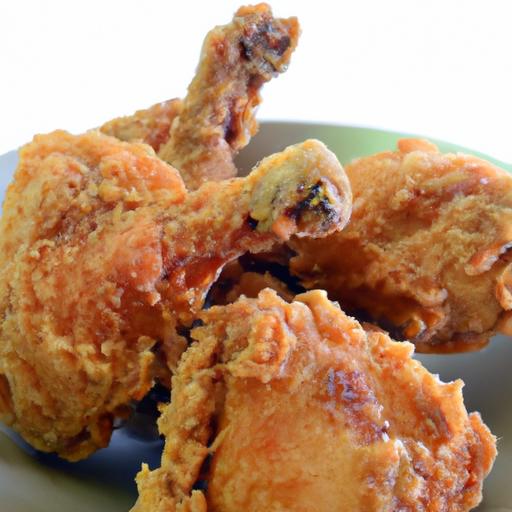

Golden, crackling, and irresistibly savory-fried chicken occupies a beloved place on menus and dinner tables around the world. But beneath its crunchy exterior lies a symphony of science and skill that transforms humble ingredients into culinary magic. In “Crispy Secrets: The Science and Art of Fried Chicken,” we peel back the curtain on the chemistry that creates that perfect crunch, the artful techniques passed down through generations, and the innovative twists that continue to redefine this classic comfort food. Join us as we explore how heat, moisture, seasoning, and batter come together in a sizzling dance to deliver every bite’s signature crisp and juiciness.
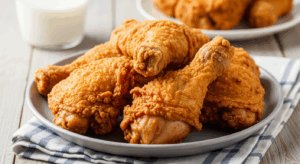
Crispy Secrets: The Science and Art of Fried Chicken
Crispy secrets lie not only in the golden crust but also in the delicate chemistry and technique behind every bite of fried chicken. From how the coatings form their crunchy fortress to the marination that locks in juicy flavor, mastering these elements means elevating this classic comfort food to an irresistible culinary masterpiece. Whether you’re a casual cook or an aspiring food stylist, understanding the science and art of fried chicken empowers you to serve perfectly crispy, succulent pieces that wow every palate.
Prep and Cook Time
Preparation: 30 minutes
Marination: 4-6 hours (or overnight)
Cooking: 20 minutes
Total Time: Approx. 5 hours
Yield
Serves 4 hearty portions (about 8 pieces)
Difficulty Level
Medium – Perfect for home cooks wanting to refine their technique and flavor profiles.
Ingredients
- 2 lbs bone-in chicken pieces (thighs, drumsticks, and wings preferred)
- 2 cups buttermilk (for marinade)
- 1 tbsp hot sauce (optional, for marinade kick)
- 1 cup all-purpose flour, sifted
- 1 cup cornstarch (key for ultra-crispiness)
- 2 tsp smoked paprika
- 1 tsp garlic powder
- 1 tsp onion powder
- 1 tsp kosher salt
- 1 tsp black pepper
- 1/2 tsp baking powder (helps create tiny bubbles for crunch)
- vegetable oil or refined peanut oil (for frying; about 4 cups)
Instructions
- Marinate for maximum juiciness: In a large bowl, combine the buttermilk with hot sauce if using. Submerge the chicken pieces fully, cover, and refrigerate for 4-6 hours or overnight. This acidic bath tenderizes meat and infuses flavor.
- Prepare the coating mixture: In a shallow dish, whisk together the sifted flour, cornstarch, smoked paprika, garlic powder, onion powder, kosher salt, black pepper, and baking powder. The balance of flour and cornstarch optimizes crispiness by reducing gluten formation.
- drain and dredge: Remove each chicken piece from the marinade, allowing excess to drip off gently. Coat thoroughly in the dry flour mixture, pressing lightly so it adheres without clumping.
- Rest your coated chicken: Place the coated pieces on a wire rack for 15 minutes. This drying step helps the batter form a resilient crust during frying.
- Heat the oil: In a heavy-bottomed pot or deep fryer, heat your selected oil to a steady 350°F (175°C). Maintaining this temperature ensures even cooking and prevents oil absorption, contributing to crispiness.
- Fry with care: Carefully submerge chicken pieces in batches, avoiding overcrowding. Fry for 12-15 minutes until the crust is deep golden and an internal thermometer reads 165°F (74°C). Flip halfway through for even browning.
- Drain and rest: Transfer fried chicken to a wire rack over a baking sheet to drain excess oil. Let rest for 5 minutes to seal in juices.
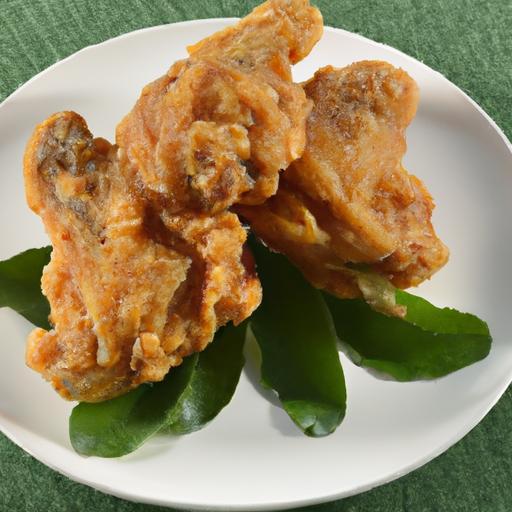
- Serve warm: Garnish with fresh herbs or lemon wedges for brightness and a touch of color.
Chef’s Notes: Tips for Success
- Marination magic: Buttermilk’s acidity tenderizes; but you can substitute with yogurt or milk plus a tablespoon of vinegar if needed.
- Oil choice matters: Use neutral oils with high smoke points like refined peanut or canola oil for clean flavor and safety.
- Temperature control: Invest in a reliable thermometer; too low means greasy chicken, too high burns coatings before doneness.
- Innovative breading: Experiment by mixing panko crumbs with your flour mixture for extra crunch or folding in crushed cornflakes.
- Make ahead: Coat and refrigerate chicken up to 2 hours before frying to develop a firmer crust.
- Troubleshooting: If coatings fall off, try double-dipping: dip in marinade then flour mixture twice, pressing gently.
Serving Suggestions
Offer your crispy fried chicken alongside classic buttermilk biscuits, creamy coleslaw, or tangy pickles. For a modern twist, pair with a drizzle of house-made honey mustard or a smoky chipotle aioli. Garnish with fresh parsley or shredded scallions to brighten the plate visually and flavorfully.

| Nutrient | per Serving |
|---|---|
| Calories | 520 kcal |
| Protein | 40 g |
| Carbohydrates | 30 g |
| Fat | 28 g |
For extra insight into deep frying oils and temperature control, visit Serious Eats’ guide on frying chicken. For complimentary crispy recipes, check out our Ultimate Fried Chicken Breading Recipes to keep perfecting your craft.
Q&A
Q&A: Crispy Secrets – The Science and Art of Fried Chicken
Q1: What makes fried chicken irresistibly crispy?
A1: The magic lies in a combination of chemistry and technique. When chicken hits hot oil, the moisture inside steams, creating bubbles that help form a crunchy crust. simultaneously occurring, the Maillard reaction- a chemical dance between amino acids and sugars at high heat- transforms the surface into golden-brown, flavor-packed perfection.
Q2: Is it all about the coating? What really creates that iconic crunch?
A2: The coating is the chrysalis of crispiness. Flour provides the structure, but adding cornstarch or rice flour increases the crunch factor by creating a lighter, airier crust. Additionally, letting your coated chicken rest before frying helps the crust adhere better, preventing it from falling off in the oil.
Q3: How important is the oil temperature?
A3: Crucial! Too low, and the chicken will absorb oil, turning soggy and greasy. Too high, and the crust burns before the inside cooks. For perfect fried chicken, aim for about 325-350°F (160-175°C). This sweet spot crisps the exterior while locking juicy tenderness inside.
Q4: Does marinating affect the texture of fried chicken?
A4: Definitely. Marinades, especially those with buttermilk or yogurt, tenderize the meat by breaking down proteins. This not only enhances juiciness but also helps the coating cling better. Plus, the slight acidity kickstarts flavor progress deep within the chicken.
Q5: Can the science of frying chicken be considered an art?
A5: Absolutely! While the science ensures consistent, safe, and flavorful results, the art comes in the seasoning blend, the choice of oil, the style of coating, and even the chicken cut. Every fry master crafts a signature crunch and flavor, turning simple poultry into culinary poetry.
Q6: Are there healthier ways to achieve that crispy fried texture?
A6: Yes! Techniques like air frying or oven-frying use less oil but still harness high heat to replicate that crunchy crust. Using choice coatings like panko crumbs or crushed nuts can also add texture with fewer calories. While not quite the same as deep-fried, these methods offer a guilt-free crunch fix.
Q7: What’s the best kind of chicken to use for frying?
A7: Dark meat cuts-drumsticks and thighs-are favored for their higher fat content, which keeps them juicy and flavorful under intense heat. However, white meat like breasts can be delicious if brined and fried carefully to avoid drying out. Bone-in pieces generally yield richer taste and moisture.
Q8: How can home cooks avoid common fried chicken pitfalls?
A8: Patience is key. Don’t overcrowd the fryer or pan, or the oil temperature will drop, leading to greasy chicken. Use a thermometer to monitor oil heat precisely. Also, draining fried chicken on a wire rack instead of paper towels prevents sogginess. lastly, let your chicken rest a few minutes post-frying to redistribute juices and maintain crispiness.
Q9: Why is fried chicken such a universally loved dish?
A9: Fried chicken speaks to something primal: crispy, savory, juicy comfort food that satisfies multiple senses at once. Its textures and flavors evoke nostalgia, community, and celebration. Plus, its versatility across cultures-from Korean to Southern soul food-makes it a beloved culinary treasure worldwide.
Q10: Any secret tips to elevate homemade fried chicken?
A10: Try double dredging-dip the chicken back into the wet mixture and flour again to build an extra-crunchy crust. infuse your oil with aromatics like garlic or herbs for subtle depth. Experiment with spices in the flour to create your own signature flavor. And don’t rush-perfect fried chicken rewards patience and love!
The Way Forward
Fried chicken is more than comfort food—it’s a masterpiece where science meets art. The Maillard reaction creates its signature flavor and color, while precise temperature and technique craft the perfect crisp. Whether a home cook or chef, mastering these crispy secrets elevates every nugget, wing, and drumstick into a delicious blend of passion and golden magic.