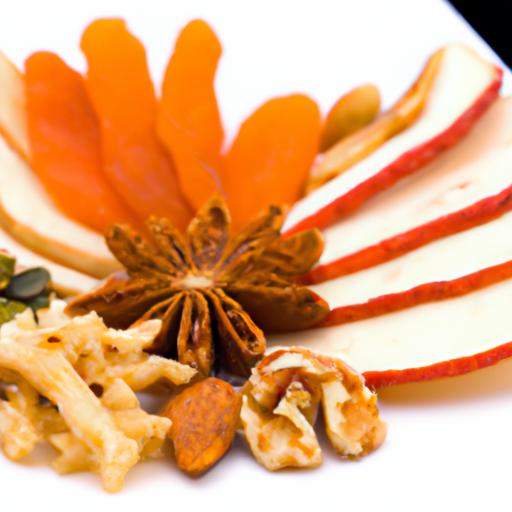

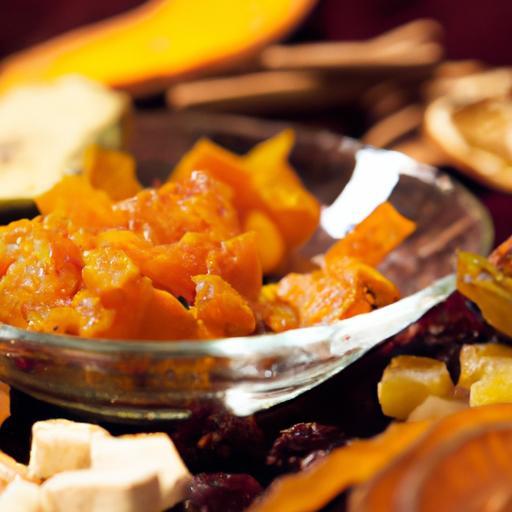
Imagine biting into a handful of sunshine, where sweet meets chewy in a timeless dance of flavor and nutrition. Dried fruit-often dubbed “nature’s candy”-has been delighting taste buds and nourishing bodies for centuries. Beyond its irresistible sweetness lies a treasure trove of health benefits that might just surprise you. From boosting digestion to providing a concentrated source of energy, these vibrant morsels are far more than just a tasty snack. Join us as we peel back the layers and explore the remarkable advantages packed inside nature’s preserved gems.
Nature’s Candy reveals its true marvel not just in taste but as a powerful ally for your digestive health and immunity. Harnessing the natural sweetness and concentrated nutrients of dried fruit is an effortless way to nurture your body. From ancient trade routes where dried figs and apricots were prized, to today’s superfood shelves, these bite-sized treasures have quietly supported wellness across generations. embracing dried fruit in your diet transforms simple snacking into a mindful health ritual, blending fiber, antioxidants, and essential vitamins in every chew.
Prep and Cook Time
Readiness: 10 minutes | No cooking required
Yield
Serves 4 as a nutritious snack or side ingredient
difficulty Level
Easy
Ingredients
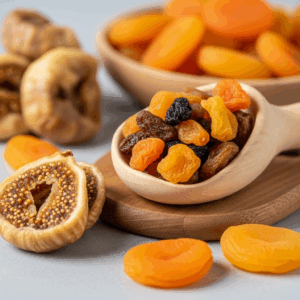
- 1 cup mixed dried fruit (such as apricots, figs, raisins, and cranberries), chopped
- 1/2 cup raw almonds, roughly chopped
- 1/4 cup pumpkin seeds (pepitas)
- 2 tablespoons chia seeds
- 1 tablespoon honey or maple syrup (optional, for extra binding)
- 1 teaspoon cinnamon, ground
- 1/4 teaspoon sea salt
- 1/2 cup rolled oats, lightly toasted
- 1 tablespoon coconut oil, melted
Instructions
- Prepare your ingredients: Chop your dried fruit into small, uniform pieces for easy blending and even texture.
- Toast the oats: In a dry skillet over medium heat, toast the rolled oats until golden and fragrant, about 3-4 minutes, stirring regularly to prevent burning.
- Mix the dry ingredients: In a large bowl, combine the chopped dried fruit, almonds, pumpkin seeds, chia seeds, cinnamon, toasted oats, and sea salt.
- Add wet ingredients: Drizzle in the melted coconut oil and honey or maple syrup (if using). Stir thoroughly to coat the mixture evenly so it can stick together when pressed.
- Press and chill: Line an 8×8 inch pan with parchment paper. Transfer the mixture and press firmly into an even layer to compact the bars.
- Refrigerate: Chill in the fridge for at least 2 hours, or overnight, until firm enough to cut into bars.
- Cut and store: Using a sharp knife, slice into 12 bars. Store in an airtight container at room temperature for up to a week or freeze for longer-lasting freshness.
Tips for Success
- For a moister bar, soak dried fruits in hot water for 10 minutes before chopping, then drain well.
- If you prefer a nut-free version, swap almonds and pumpkin seeds with sunflower seeds and toasted coconut flakes.
- Ensure proper pressing into the pan to prevent crumbly bars-using a flat-bottomed glass can help evenly compress the mixture.
- These bars make an excellent make-ahead snack for busy mornings or post-workout fuel.
Serving Suggestions
enjoy these nutrient-dense bars as a swift grab-and-go snack with a cup of herbal tea or Greek yogurt for a probiotic boost. Garnish a serving plate with fresh mint leaves and a light dusting of cinnamon to enhance aroma and presentation. They also pair beautifully with a drizzle of nut butter or a sprinkle of toasted coconut for added decadence.

| Nutrient | Per Bar (approx.) |
|---|---|
| calories | 180 |
| Protein | 4g |
| Carbohydrates | 28g |
| Dietary Fiber | 5g |
| Fat | 7g |
By incorporating Nature’s Candy into your routine, you’re feeding your gut-friendly bacteria with fiber-rich, antioxidant-packed goodness that supports digestion and immunity effortlessly. For more recipes to boost gut health, check out our comprehensive guide here. learn about the science behind dried fruit’s benefits from this NIH study.
Q&A
Q&A: Nature’s Candy – The Surprising Benefits of Dried Fruit
Q1: Why do people call dried fruit “nature’s candy”?
A1: Dried fruit earns the nickname “nature’s candy” because it offers a naturally sweet punch without any added sugars or artificial flavors. As fresh fruit loses water during drying, its sugars concentrate ,making it taste sweet and chewy-like candy, but packed with wholesome nutrients instead of empty calories.
Q2: What makes dried fruit a good snack option?
A2: Dried fruit is the perfect grab-and-go snack-it’s lightweight, portable, and shelf-stable. Unlike fresh fruit, it doesn’t spoil quickly, making it an ideal energy booster for hikes, work breaks, or mid-afternoon cravings. Plus, it’s rich in fiber, vitamins, and antioxidants, helping to keep your body fueled and your digestion happy.
Q3: How does the drying process affect the nutrients in fruit?
A3: Drying fruit does reduce its water content, but many nutrients, like fiber, potassium, and certain antioxidants, remain largely intact or even become more concentrated. Vitamins sensitive to heat, such as vitamin C, may diminish, but dried fruit retains a healthy nutritional profile that supports your well-being.
Q4: Are there any surprising health benefits to eating dried fruit?
A4: Absolutely! Beyond being a sweet treat, dried fruits like apricots, figs, and prunes have been linked to better digestive health, thanks to their high fiber content. Some dried fruits also boast notable mineral levels-like iron in dried apricots, which can definitely help combat fatigue, and potassium in raisins, which supports heart health. Plus, their antioxidants can fight inflammation and protect cells from damage.
Q5: Should we be mindful about how much dried fruit we eat?
A5: Moderation is key. Because dried fruit is calorie-dense and concentrated in natural sugars, eating large amounts can add up quickly in calories and sugar intake. It’s best enjoyed in small servings-think a handful-paired with nuts or yogurt, to create a balanced snack that satisfies your sweet tooth without going overboard.
Q6: Can dried fruit be used in cooking, or is it just for snacking?
A6: Dried fruit is a versatile kitchen ally! Toss it into salads for bursts of sweetness, bake it into breads and muffins, or simmer it with spices to create vibrant sauces and compotes. It adds texture, flavor, and nutrition, turning everyday dishes into delightful taste adventures-proof that nature’s candy shines well beyond the snack aisle.
Q7: How can I choose the best dried fruit at the store?
A7: Look for options with no added sugars or preservatives like sulfur dioxide. Organic varieties are a plus, and check the ingredient list to ensure it’s just pure fruit. Opt for unsweetened or lightly sweetened dried fruit to keep your snack healthy and naturally tasty. When in doubt, you can even make your own at home!
To Conclude
As we unwrap the many layers of dried fruit’s charm, it becomes clear that this nature’s candy is much more than just a sweet snack. Packed with concentrated nutrients, antioxidants, and fiber, dried fruit offers a convenient, wholesome way to satisfy your cravings while nourishing your body. So next time you reach for a treat, consider the vibrant burst of flavors and health benefits tucked inside that petite, wrinkled bite. Embracing dried fruit isn’t just indulging your sweet tooth-it’s savoring a timeless gift from nature, thoughtfully preserved to fuel both your taste buds and your wellbeing.