
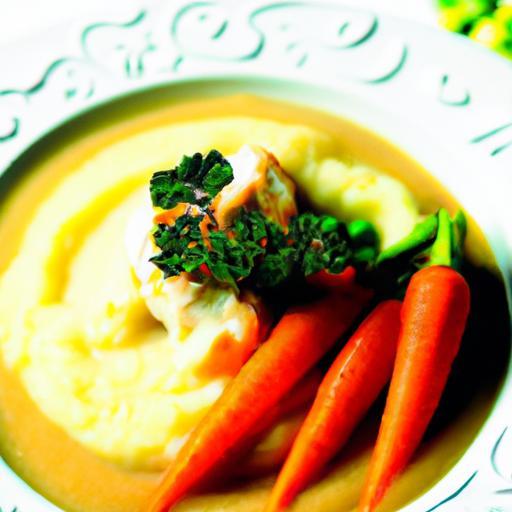
In the world of culinary delights and artisanal crafts, texture is the hidden hero that transforms ordinary experiences into unforgettable sensations. From the velvety caress of a perfectly whipped cream to the luscious silkiness of a decadent chocolate ganache, smooth and creamy textures captivate our senses and elevate flavors to new heights.But what is the secret behind this magic? In this article, we’ll unravel the science and artistry that bring about those irresistibly smooth and creamy textures, revealing tips, techniques, and ingredients that turn simple recipes into masterpieces. Prepare to embark on a flavorful journey where texture isn’t just felt-it’s celebrated.
Unlocking the science behind luxuriously smooth textures is the key to elevating everyday dishes into culinary masterpieces. Whether you’re crafting a velvety cheesecake, an ultra-creamy risotto, or a decadent custard, understanding how ingredients and techniques marry to create indulgent softness will transform your cooking. This recipe post dives deep into the essential elements and tools that turn texture into creamy perfection, making every bite irresistibly smooth and unforgettable.
Prep and Cook Time
- Planning: 20 minutes
- Cooking: 35 minutes
- Total Time: 55 minutes
Yield
Serves 6 luxurious portions
Difficulty Level
Medium – Ideal for cooks ready to master textural finesse
Ingredients
- 2 cups whole milk, warmed
- 1 cup heavy cream, chilled
- 3 tbsp unsalted butter, softened
- 1/3 cup granulated sugar, finely ground
- 1/4 cup cornstarch, sifted for smoothness
- 3 large egg yolks, room temperature
- 1 tsp pure vanilla extract
- Pinch of fine sea salt
Instructions
- Warm the milk gently in a saucepan over medium heat until it reaches about 110°F (warm to the touch). This prepares the milk for smooth incorporation with egg yolks without curdling.
- in a separate bowl, whisk together egg yolks, sugar, cornstarch, and salt until the mixture is pale and silky-this ensures a creamy custard base without lumps.
- Slowly pour the warm milk into the egg mixture in a thin, steady stream while continuously whisking to temper the eggs and prevent scrambling.
- Return the combined mixture to the saucepan and cook over medium-low heat, whisking constantly to avoid sticking and achieve even thickening. Cook until it thickens to a luxurious pudding-like consistency, about 8-10 minutes.
- Remove from heat and immediately whisk in the butter and vanilla. The butter’s fat content is essential for a smooth mouthfeel, while vanilla adds aromatic depth.
- Transfer the custard to a clean bowl, cover with plastic wrap pressed directly against the surface to prevent a skin from forming, and chill for at least 2 hours until fully set and creamy.
- Before serving, whip the chilled heavy cream to soft peaks and gently fold it into the custard base to introduce lightness and an unmatched airy softness.
Tips for Success: Expert Insights for Creamy Perfection
- Ingredient temperature matters: Room temperature eggs and chilled cream help the emulsion stabilize,preventing graininess.
- Gentle heat is your ally: Excessive heat can cause curdling; always cook custards low and slow.
- Use cornstarch wisely: Sifting the cornstarch ensures no clumps, giving you a flawless base.
- Butter adds richness: Introducing soft butter off the heat seals in smoothness and silkiness.
- Make ahead: This dish tastes better after chilling overnight - allowing flavors and texture to harmonize.
- Substitutions: For dairy-free, swap milk and cream with oat or almond-based alternatives but maintain temperatures carefully to mimic creaminess.
Serving Suggestions
Present your creamy creation in chilled glass bowls for an elegant touch. Garnish with fresh berries, a sprig of mint, or a delicate dusting of cinnamon or cocoa powder to complement the rich texture. A drizzle of homemade caramel or a sprinkle of toasted nuts introduces contrast and heightens the sensory experience. Serve alongside lightly crisped buttery cookies or thin almond tuile for delightful texture interplay.

| Nutrition per Serving | Amount |
|---|---|
| Calories | 320 kcal |
| Protein | 7 g |
| Carbohydrates | 28 g |
| Fat | 20 g |
For further ideas on texture mastery, explore our detailed classic custard techniques guide. Also, delve into the science behind dairy emulsification at ResearchGate’s Dairy Science Publications to deepen your understanding of texture transformation.
Q&A
Q&A: Discover the Secrets of Smooth and Creamy Texture Magic
Q1: What exactly is meant by ”smooth and creamy texture” in food?
A1: Smooth and creamy texture refers to the delightful mouthfeel that’s velvety, rich, and free of lumps or grittiness. It’s that luxurious sensation you get when somthing melts effortlessly on your tongue-think silky custards, luscious ice creams, or perfectly blended soups.
Q2: Why is texture so significant in cooking and food enjoyment?
A2: Texture plays a starring role in how we experience food. It complements flavor and aroma by engaging our sense of touch inside the mouth. A smooth, creamy texture can elevate simple ingredients into indulgent bites, making dishes feel more comforting and satisfying.
Q3: What are the key ingredients that contribute to smooth and creamy textures?
A3: Dairy like cream, milk, and butter are classic heroes, but plant-based alternatives such as coconut cream or cashew paste work wonders too. Emulsifiers, starches, and gelatin can also enhance creaminess by binding ingredients and creating that luscious consistency.
Q4: How does technique influence the creation of creamy textures?
A4: Technique is the magician’s wand! Slow heating, careful stirring, and precise blending all coax ingredients into silky harmony. For example,tempering eggs gently or whisking vigorously can transform a chunky mixture into a smooth masterpiece.
Q5: Can you create creamy textures without dairy?
A5: Absolutely! Nuts (like cashews or almonds), avocados, silken tofu, and soaked oats can be blended into smooth, creamy bases. Plant-based milks combined with thickeners such as agar or arrowroot starch help replicate that luxurious mouthfeel.
Q6: What common mistakes prevent achieving smooth and creamy textures?
A6: Overheating, under-blending, or rushing the process can all sabotage creaminess. High heat can cause curdling or graininess, while insufficient blending leaves lumps behind. Patience and gentle handling ensure a silky final product.Q7: Are there any secret tools that help create perfect creaminess?
A7: A high-powered blender or food processor is a game-changer! Immersion blenders also shine for soups and sauces. Additionally, fine sieves or chinois strainers help achieve ultra-smooth results by removing any lingering bits.
Q8: How can I apply these secrets to everyday cooking?
A8: Start simple: try making your own creamy salad dressings, velvety mashed potatoes, or luscious smoothies using careful blending and the right ingredients. With practice, you’ll begin to sense the magic of texture and transform ordinary dishes into remarkable experiences.
Q9: Is there a science behind why creamy textures are so appealing?
A9: Yes! Creamy textures stimulate fat receptors and coat the palate in a way that triggers pleasure centers in the brain. This sensory trick makes food feel indulgent and satisfying, often associated with comfort and luxury.
Q10: Where can I learn more about mastering texture magic?
A10: dive into cookbooks focused on sauces and desserts, watch culinary tutorials, or experiment in your kitchen with diffrent ingredients and methods. Each dish you create is a step closer to unlocking the secrets of smooth and creamy texture magic!
in Retrospect
As you embark on your own culinary adventures, remember that the magic of smooth and creamy textures lies not just in ingredients, but in the delicate dance of technique and timing. Whether it’s a velvety sauce, a luscious dessert, or a perfectly blended smoothie, mastering these secrets transforms ordinary dishes into unforgettable experiences. So, embrace the art behind the creaminess, experiment boldly, and let your creations captivate the senses with every silky, dreamy bite. The secret’s out-now it’s your turn to stir up some texture magic in the kitchen!