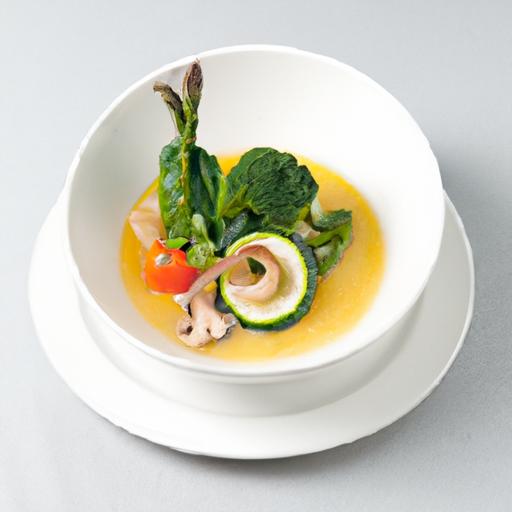

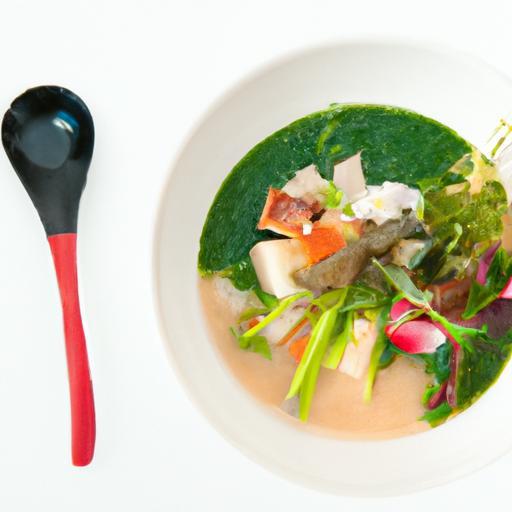
In the world of Japanese cuisine, few dishes capture the delicate balance of flavor and tradition quite like miso soup. yet, beyond the familiar warmth that comforts on chilly days lies a lesser-known marvel: chilled miso soup. This refreshing twist transforms the humble dashi-based classic into a vibrant, cooling elixir-perfect for Japan’s humid summers and adventurous palates alike. Join us as we dive into the magic of chilled miso, exploring its origins, the art of crafting the perfect dashi, and how this revitalizing dish continues to enchant both locals and food lovers around the globe.
Discovering the Essence of dashi in Chilled miso soup
Chilled Miso Magic embraces the heart of Japanese cuisine by highlighting dashi, a delicate broth that balances umami and freshness in every spoonful. This refreshing miso soup transforms the traditional warm favorite into a vibrant, chilled delight perfect for warmer days. Crafted from a blend of kombu seaweed and katsuobushi (dried bonito flakes),the dashi lends a subtle smokiness and savory depth that makes this dish irresistibly light yet profoundly flavorful.
The Art of Crafting the Perfect Refreshing Miso Broth
Creating the perfect miso broth starts with mastering the dashi base.Begin by simmering a carefully curated piece of kombu in cool water,allowing its natural glutamates to release their umami goodness slowly. Avoid boiling kombu directly to prevent bitterness. Once gently warmed, add katsuobushi flakes, then strain for a crystal-clear broth. Incorporate a smooth miso paste-white (shiro) miso works beautifully here due to its mild sweetness. Stir it in gently off the heat to preserve those fresh, nuanced flavors.
Chilling the broth properly is essential: cool it rapidly to preserve clarity and freshness,ideally by placing the pot in an ice bath. This step ensures the dashi retains its clean aroma and delicate balance, elevating the entire soup experience.
Seasonal Ingredients that Elevate Chilled Miso Magic
Seasonality plays a starring role in amplifying the chilled miso soup’s appeal. Crisp cucumber ribbons, tender shiso leaves, and refreshing daikon radish juliennes add vibrant textures and subtle peppery notes. In spring, incorporate fresh edamame or young asparagus tips for a crunchy contrast; summer calls for juicy heirloom tomatoes or sweet corn kernels.
For a protein boost, silky slices of silken tofu or lightly seared scallops create an elegant touch without overwhelming the broth. Garnishing with finely sliced green onions, a sprinkle of toasted sesame seeds, or a few shreds of nori further elevates visual appeal and flavor complexity. Each addition celebrates freshness, turning each bowl into a sensory journey through Japan’s seasonal bounty.
Expert Tips for Serving and Pairing Your Cold Dashi Soup
Serving chilled dashi soup requires thoughtful presentation: use clear glass bowls to showcase the broth’s golden clarity and the vibrant, floating garnishes. Serve instantly after chilling to preserve its refreshing character. For an extra layer of aroma, add a drop of yuzu citrus oil just before serving-it delights the palate with radiant zest.
Pair with delicate side dishes like lightly pickled vegetables or grilled fish to complement, not overshadow, the soup’s umami elegance. For an authentic Japanese dining experience, match with a chilled sake or a crisp green tea. This combination enhances the subtle flavors while keeping the meal light and invigorating.
Prep and Cook Time
- Preparation: 15 minutes
- Cooking: 15 minutes
- Chilling: 30 minutes
Yield
4 servings
Difficulty Level
Easy to Medium
Ingredients
- 4 cups cold water
- 10 g kombu (dried kelp)
- 15 g katsuobushi (dried bonito flakes)
- 3 tbsp white (shiro) miso paste
- 1/2 cup silken tofu, cubed
- 1 small cucumber, thinly sliced into ribbons
- 2 tbsp thinly sliced green onions
- 1 tbsp toasted sesame seeds
- Fresh shiso leaves (optional, for garnish)
- Yuzu citrus oil (optional, for drizzling)
instructions
- Place the kombu in a saucepan with 4 cups cold water. Let it soak for 30 minutes to an hour for maximum flavor extraction.
- Heat the water with kombu gently over medium heat until just before boiling (around 60-70°C/140-158°F). Remove the kombu to avoid bitterness.
- Add the katsuobushi flakes and simmer for 1-2 minutes, then turn off heat. Let the flakes settle for 5 minutes.
- Strain the broth through a fine sieve or cheesecloth into a bowl; discard the katsuobushi.
- Transfer the dashi to a large bowl and cool rapidly by placing it in an ice bath.Continue stirring gently to expedite cooling.
- once chilled, stir in the white miso paste using a small whisk or spoon until fully dissolved - do this off heat to maintain the miso’s delicate flavors.
- Add cubed silken tofu gently into the soup, ensuring the cubes remain intact.
- In serving bowls, distribute cucumber ribbons and tofu evenly, then pour the chilled miso dashi over them.
- Garnish with sliced green onions, toasted sesame seeds, and optionally fresh shiso leaves.
- Drizzle a few drops of yuzu citrus oil just before serving for a fragrant, zesty finish.
Chef’s Notes
- For a vegetarian or vegan version, omit the katsuobushi and make a kombu and shiitake mushroom dashi to maintain umami richness.
- If you prefer a more pronounced miso flavor, gradually increase the miso paste by 1 teaspoon increments. Avoid boiling after adding miso as it diminishes its nuances.
- Make the dashi base ahead of time and refrigerate for up to 2 days. Mix miso and tofu only when ready to serve.
- Substitute cucumber with thin fennel slices or celery for a different aromatic crunch.
Serving Suggestions
Serve chilled miso soup in transparent glass bowls or delicate ceramic ware to showcase the pristine broth and colorful garnishes.Pair with a light Japanese rice dish or a side of pickled vegetables such as umeboshi (pickled plums) for an authentic experience. For an elegant meal, offer alongside sashimi or cold soba noodles tossed in a sesame dressing. A chilled glass of junmai Ginjo sake or jasmine green tea makes an exquisite beverage pairing to balance the umami and refreshing notes.
| Nutrient | Per Serving |
|---|---|
| Calories | 70 |
| Protein | 6 g |
| Carbohydrates | 5 g |
| Fat | 2 g |

Discover more about traditional Japanese broths in our detailed guide on Umami dashi Broth Basics and dive deeper into the secrets of authentic miso soup. For a comprehensive overview of dashi’s nutritional benefits, visit Healthline’s article on Dashi.
Q&A
Q&A: Chilled Miso Magic – Exploring Japan’s Refreshing Dashi Soup
Q1: What is “Chilled miso Soup” and how does it differ from traditional miso soup?
A: Chilled miso soup is a cool, refreshing twist on the classic Japanese comfort food. Unlike the traditional hot miso soup served piping warm,this version is served cold,frequently enough as a summer delicacy. It retains the essential umami flavors of miso and dashi but offers a crisp, revitalizing experience perfect for warm days.
Q2: What role does dashi play in chilled miso soup?
A: Dashi is the soul of miso soup-an umami-packed broth typically made from kombu (kelp), bonito flakes, or shiitake mushrooms. in chilled miso soup, dashi provides a clean, savory base that is both light and deeply flavorful. When chilled, the subtle complexity of dashi shines through, creating a refreshing yet satisfying sip.
Q3: Are there special ingredients used for chilled miso soup compared to the hot version?
A: While the core ingredients-miso paste and dashi-remain consistent, chilled miso soup often incorporates fresh, seasonal toppings like cucumber slices, grated ginger, shiso leaves, or even cold tofu cubes. These additions enhance the cooling effect and add vibrant textures and flavors that celebrate the season.
Q4: How is chilled miso soup typically prepared?
A: It starts with making a clear dashi broth, which is then cooled completely. The miso paste is carefully blended with a bit of the cold broth to avoid clumps before being stirred back into the larger batch. its chilled in the refrigerator and served with delicate garnishes that amplify its fresh qualities.
Q5: Why is chilled miso soup considered a “magic” in Japanese cuisine?
A: Because it transforms the familiar warmth of miso soup into an entirely new sensory delight. This ”magic” lies in how the complex umami flavors remain bold even at lower temperatures, inviting a renewed appreciation for one of Japan’s oldest culinary treasures-especially when modern palates crave something light yet nourishing.
Q6: Can chilled miso soup be paired with other Japanese dishes?
A: Absolutely! It pairs beautifully with sushi, sashimi, or light rice bowls, complementing rather than overpowering their flavors. Its refreshing nature also makes it an ideal starter or palate cleanser during multi-course meals, bridging taste and temperature with elegance.
Q7: Is chilled miso soup healthy?
A: Very much so. Miso is rich in probiotics, essential amino acids, and antioxidants, while dashi adds minerals and supports digestion without excess calories or fat. Served cold, it can be especially hydrating and revitalizing during hot weather, supporting both wellness and enjoyment.
Q8: Where can one experience authentic chilled miso soup outside Japan?
A: Many authentic Japanese restaurants, notably those specializing in kaiseki or regional specialties, are embracing chilled miso soups during warmer months. Alternatively, adventurous cooks can recreate this refreshing classic at home-with some quality miso paste, kombu, bonito flakes, and a bit of culinary curiosity!
Wrapping Up
As the last chilled spoonful of miso dashi glides over your palate, it’s clear that this humble soup is more than just a dish-it’s a harmonious blend of tradition and refreshment, capturing the essence of Japan’s culinary artistry. Weather sipped on a sweltering summer day or enjoyed as a light, revitalizing starter, chilled miso soup invites us to discover a new dimension of flavor where simplicity meets sophistication. So next time the heat rises,let this cool,umami-rich elixir transport you to Japan’s serene kitchens,reminding us all that sometimes,the most magical meals are the ones served cold.