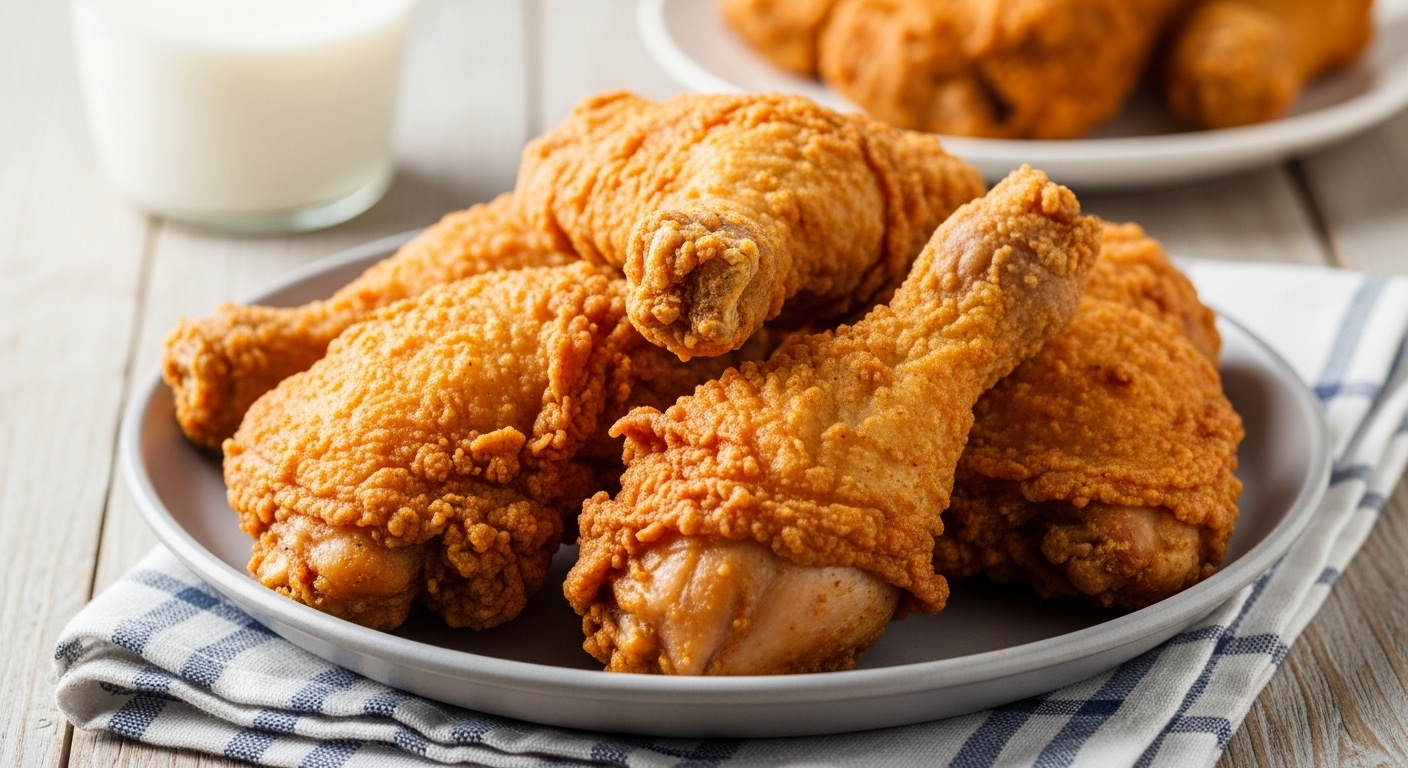

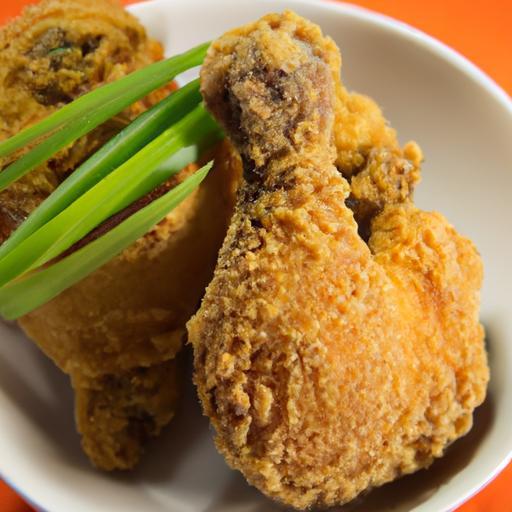
Few dishes evoke as much global delight as a perfectly crispy piece of fried chicken. Beneath its golden, crackling crust lies not just a comfort food favorite, but a culinary masterpiece shaped by centuries of tradition, technique, and scientific precision.
In “Crispy Chronicles: The Art and Science of Fried Chicken,” we embark on a mouthwatering journey too unravel the secrets behind that addictive crunch – exploring everything from the choice of marinade and the chemistry of batter to the ideal frying temperature that transforms simple ingredients into a symphony of flavor and texture.Whether you’re a casual diner or an aspiring chef, this article invites you to discover how artful experimentation and scientific insight come together to create one of the world’s most beloved comfort foods.
Crispy Chronicles: The Art and Science of Fried Chicken
Fried chicken is more than just comfort food-it’s a sensory party of flavor, texture, and technique. Within these crispy Chronicles, you’ll discover how batter and breading craft that irresistible crunch, how the Maillard reaction unleashes deep, savory notes, and the essential frying fundamentals that guarantee golden perfection every single time. Whether you’re craving the classic Southern style or exploring bold global variations,this guide will inspire you to master the art and science behind one of the world’s most beloved dishes.
Prep and Cook Time
- Preparation: 25 minutes
- Marinating: 4 hours (or overnight for best results)
- Cooking: 15-20 minutes
- Total Time: Approximately 5 hours (including marinating)
Yield
Serves 4-6 hungry guests
Difficulty Level
Medium – Ideal for home cooks comfortable with multitasking and frying techniques
Ingredients
- Chicken: 3 lbs bone-in, skin-on chicken thighs and drumsticks
- Buttermilk Marinade: 2 cups buttermilk, 1 tsp smoked paprika, 1 tsp garlic powder, 1 tsp salt, ½ tsp black pepper
- Breading Mix: 2 cups all-purpose flour, sifted
- Seasoning for Flour: 1 tbsp kosher salt, 1 tsp ground black pepper, 1 tsp onion powder, 1 tsp cayenne pepper (optional for a spicy kick)
- Batter (optional for extra crunch): 1 cup cold sparkling water, ¾ cup all-purpose flour, 2 tbsp cornstarch, 1 tsp baking powder
- Oil for frying: 4 cups peanut oil or refined vegetable oil (high smoke point)
Crispy Chronicles: Step-by-Step Instructions
- Marinate the chicken: in a large bowl, whisk together buttermilk, smoked paprika, garlic powder, salt, and black pepper. Add the chicken, ensuring all pieces are submerged.Cover and refrigerate for at least 4 hours or overnight to tenderize and deeply flavor.
- Prepare the breading: In a shallow dish, combine the flour with salt, pepper, onion powder, and cayenne pepper. Mix well to distribute spices evenly.
- (Optional) Make the batter: Whisk sparkling water, flour, cornstarch, and baking powder until smooth. This batter adds an airy, crisp texture layered over the breading.
- Heat the oil: Pour oil into a heavy-bottomed skillet or deep fryer. Heat to 350°F (175°C). Use a thermometer for precise temperature control – this is crucial for the perfect fry.
- Bread the chicken: Remove chicken from marinade, letting excess drip off.For a traditional breading, dredge each piece thoroughly in the flour mixture, pressing to adhere. For extra crunch,dip breaded pieces quickly in the batter before frying.
- Fry in batches: Carefully lower the chicken into the oil without overcrowding. Fry for 12-15 minutes, turning occasionally, until golden brown and internal temperature reaches 165°F (74°C). Adjust heat to maintain oil temperature.
- Drain and rest: Use a slotted spoon to transfer chicken to a wire rack over a baking sheet.let rest 5 minutes to lock in juices and maintain crispness.
Tips for Success
- Marinate longer: For juicier chicken,marinate overnight.The acid and enzymes in buttermilk tenderize meat beautifully.
- Breading secrets: Double dredging (flour, then batter, then flour again) creates an extra crunchy crust.
- Temperature matters: Keep oil between 325°F-350°F. Lower temps lead to greasy chicken; higher temps risk burning before cooking through.
- Resting helps crisp: Cooling on a wire rack prevents steam from sogging the crust.
- Substitute flours: Try rice flour or a gluten-free mix for a unique texture and allergy-friendly option.
Serving Suggestions
Present your crispy masterpiece atop a bed of fresh arugula or crunchy coleslaw to contrast the richness. Garnish with lemon wedges and a sprinkle of freshly chopped parsley for a vibrant pop of color and brightness. Pair with classic sides like mashed potatoes, baked beans, or a tangy hot honey drizzle for a mouthwatering finish.
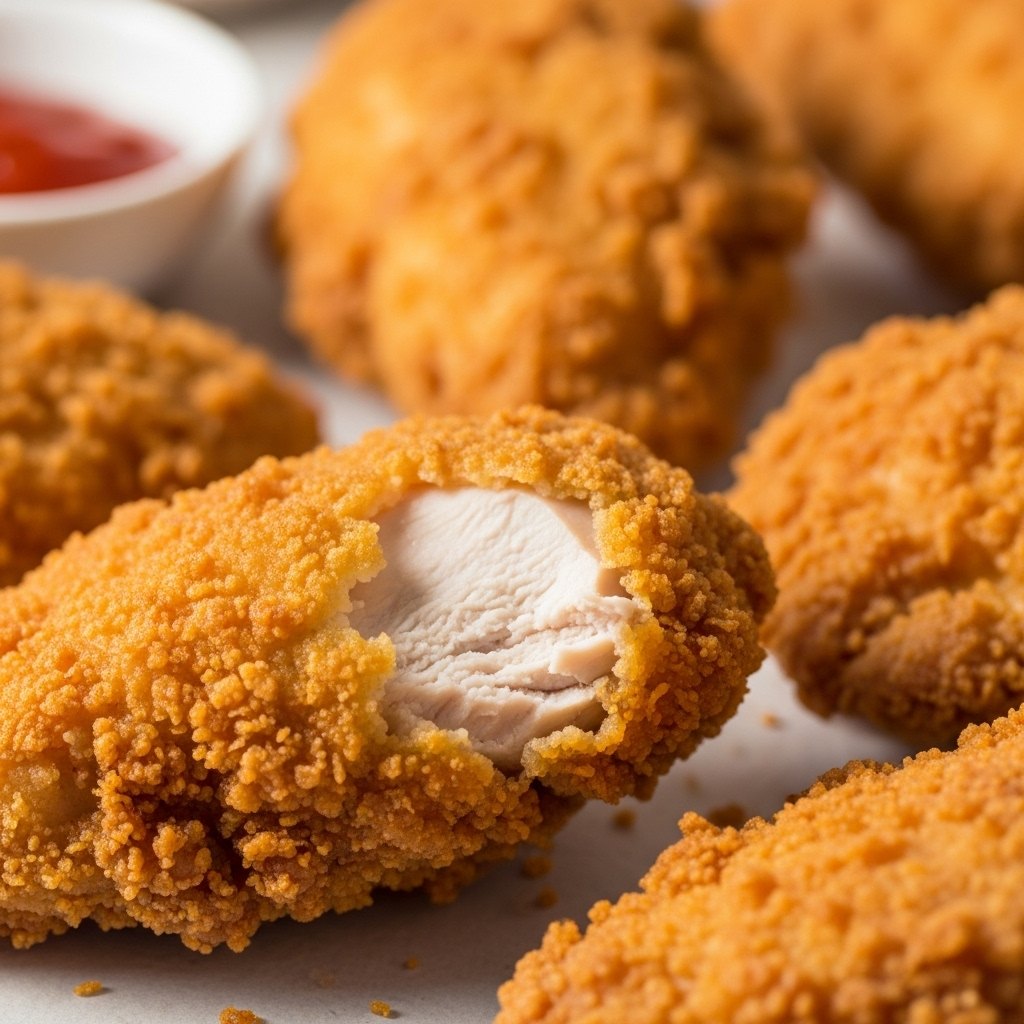
Nutritional Information per Serving
| Calories | Protein | Carbs | Fat |
|---|---|---|---|
| 450 kcal | 35 g | 20 g | 25 g |
For those curious about global inspirations, exploring the diverse styles of fried chicken from Korean spicy coatings to japanese karaage further illuminates the marvelous possibilities this dish offers. Delve into the science behind every crisp bite and unleash your kitchen creativity.
For authoritative insights on frying techniques, visit the Serious Eats frying guide,a trusted resource among culinary professionals and home cooks alike.
Q&A
Q&A: Crispy Chronicles – The Art and Science of Fried Chicken
Q: What makes fried chicken irresistibly crispy?
A: The magic lies in the perfect balance of moisture, heat, and coating. When the chicken hits the hot oil, a Maillard reaction occurs-this is a chemical dance between amino acids and sugars that creates that golden-brown, crispy crust we crave. The coating, frequently enough a blend of flour, spices, and sometimes starches, acts as a barrier, locking in juices while frying to crunchy perfection.
Q: How do chefs ensure the chicken stays juicy inside while getting crispy outside?
A: It’s a delicate balancing act. Starting with brining or marinating the chicken helps it retain moisture. Then, using the right frying temperature-usually between 325°F and 350°F-ensures the outside crisps quickly without overcooking the interior.Pressure frying can also seal juices faster, resulting in tender meat wrapped in a crisp shell.
Q: Is there a science behind the coating used for fried chicken?
A: Absolutely! The coating frequently enough blends flour with cornstarch or rice flour, which contain less gluten and create a lighter, crispier crust.Seasonings infused in the mix add layers of flavor as heat unlocks their aromatic oils.Some recipes add a touch of baking powder or soda to create tiny bubbles in the crust for extra crunch.
Q: Why do some fried chickens have thicker crusts while others are thin and delicate?
A: The difference comes down to the batter and frying technique. A wet batter, like one made from buttermilk and flour, creates a thicker, crunchier shell. Dry dredges produce a thinner crust that’s still crispy but more delicate. Double-dredging-coating the chicken twice-intensifies crunchiness. Temperature and frying time also influence crust thickness.
Q: Can fried chicken be made healthier without losing its crisp?
A: Certainly! Using air fryers reduces oil usage while still delivering crunch by circulating hot air efficiently. Opting for whole-grain or option flours can add nutrition. Removing excess batter before frying and draining properly on racks prevents greasy sogginess. Plus, frying in heart-healthy oils like peanut or avocado oil adds a better fat profile.
Q: What cultural twists enrich the world of fried chicken?
A: Fried chicken is a global canvas painted with regional spices and techniques. Korean fried chicken dazzles with a double-fry method and sweet-spicy glazes. Japanese karaage relies on ginger and soy for an umami punch, while Southern American traditions celebrate buttermilk brines and cayenne spice. Each variation tells a crispy story steeped in heritage.
Q: What role does resting the fried chicken play after cooking?
A: Resting allows steam to redistribute inside the meat, keeping it juicy without sogginess. Placing fried chicken on a wire rack instead of paper towels prevents the bottom crust from steaming and becoming limp. This pause in the process is crucial for that perfect texture contrast-crispy on the outside, tender on the inside.
Q: How has the science of fried chicken evolved with modern cooking technology?
A: Advances like precise temperature-controlled fryers, vacuum frying, and air frying have revolutionized how we fry chicken, making the process safer, more consistent, and healthier. Molecular gastronomy even explores innovative coatings and cooking methods to enhance textures and flavors. The crispy chronicles continue as chefs marry tradition with technology.
Q: Why does fried chicken evoke such a strong emotional and cultural connection?
A: Beyond being a tasty comfort food, fried chicken frequently enough symbolizes togetherness, heritage, and celebration. Its golden crisp has traveled through family recipes, community cookouts, and evolving culinary landscapes, making it a flavorful bridge between generations and cultures-a crispy chronicle worth savoring every bite.
The Way Forward
As the final crumbs settle and the last bite leaves a satisfying crunch,the journey through the world of fried chicken reveals more than just a beloved comfort food-it uncovers a delicate dance between art and science. From the meticulous selection of spices to the precise chemistry of batter and oil, every element contributes to that irresistible golden crisp. Whether you’re a home cook experimenting in your kitchen or a seasoned chef refining your craft, understanding the secrets behind Crispy Chronicles transforms each piece into a masterpiece. So next time you savor that perfectly fried drumstick, remember: you’re not just enjoying a dish-you’re tasting the harmony of flavor, texture, and technique perfected through generations.