
In a world where screens often steal the spotlight, what better way to spark imagination and confidence than by inviting kids into the kitchen? “Creative Eats: Fun and Easy Foods Kids Can Make Themselves” is more than just a collection of recipes-it’s a passport to culinary adventure tailored for young hands and curious minds. From colorful snacks that double as art projects to simple meals that teach basic cooking skills, this guide transforms everyday ingredients into exciting edible masterpieces. Whether your little chef is a budding foodie or a reluctant eater, this playful and approachable recipes turn mealtime into a joyous, hands-on experience that nurtures creativity, independence, and a lifelong love of good food.
Creative Eats: fun and Easy Foods Kids Can Make Themselves
Creative Eats: Fun and Easy Foods Kids Can Make Themselves invites young chefs and caregivers alike to dive into vibrant, wholesome ingredients that turn snack time into an exciting culinary adventure. Inspired by the joy of hands-on creativity, this recipe showcases fresh fruits, crunchy veggies, and protein-packed elements that kids will love exploring and assembling themselves.
Prep and Cook Time
Prep Time: 15 minutes
Cook Time: 0 minutes (No-Bake)
Yield
4 servings (about 2 snacks per child)
Difficulty Level
easy – Perfect for little hands and culinary beginners
Ingredients
- 1 cup Greek yogurt (plain or lightly sweetened)
- 2 tablespoons honey or maple syrup
- 1 cup fresh mixed berries (blueberries, raspberries, strawberries, halved)
- 1 medium banana, sliced into thin rounds
- 1/2 cup granola (choose a nut-free variety for younger kids)
- 1/2 cup shredded coconut (unsweetened)
- 1/2 cup assorted mini chocolate chips or colorful sprinkles
- 1/2 cup sliced almonds or sunflower seeds (optional, depending on allergies)
- Whole grain crackers or rice cakes (for building bases)
- Fresh mint leaves for garnish
Instructions
- Prepare your workspace. Lay out all ingredients in small bowls or cups to encourage easy access and choice. Encourage your child to wash hands thoroughly before starting.
- Make the yogurt base. In a small bowl, mix the Greek yogurt with the honey until smooth and creamy. This sweetened yogurt acts as a tasty glue for assembling the snacks.
- Start assembling the snack “faces” or shapes. Place a whole grain cracker or rice cake on a clean plate. Using a small spoon, have kids spread a generous layer of the honey yogurt across the surface, covering the cracker completely. This creates a canvas.
- Decorate with fruit and toppings. Encourage children to arrange slices of banana as eyes or smiles, dot the face with berry halves as cheeks or noses, sprinkle granola for “hair,” and add mini chocolate chips or shredded coconut to add texture and color. Use creativity – no two snacks should look the same!
- Add crunch or seeds. For an extra nutrient boost, scatter some sliced almonds or sunflower seeds around the edges or over the yogurt. This step can definitely help develop fine motor skills as kids pinch and sprinkle.
- Finish with fresh herbs. Garnish each snack with a small mint leaf for a refreshing pop of green and aroma, elevating the sensory experience.
- Enjoy immediately or chill. These no-bake treats are best served fresh but can be refrigerated for up to 2 hours for a cooler snack during warmer days.
Chef’s Notes
- Substitute Greek yogurt with dairy-free coconut or almond yogurt for a vegan-friendly option.
- Use colorful seasonal fruits to keep this snack fresh and engaging all year round.
- For younger kids, pre-slice and prepare toppings to avoid choking hazards and enhance safety.
- Make ahead by prepping yogurt mix and toppings separately in containers, then let kids assemble their snacks anytime.
- Have fun creating themed snack palettes like “animals,” “smiley faces,” or “garden veggies” to stimulate imaginative play at mealtime.
Serving suggestions
Serve these colorful snack creations on a bright platter or a segmented plate to highlight the ingredients’ natural colors. A glass of freshly squeezed orange juice or a chilled herbal tea complements these treats beautifully. To add flair, use edible flowers like pansies or violets as garnish. This not only boosts visual appeal but turns snacking into a delightful multisensory experience that builds kids’ confidence and curiosity in the kitchen.
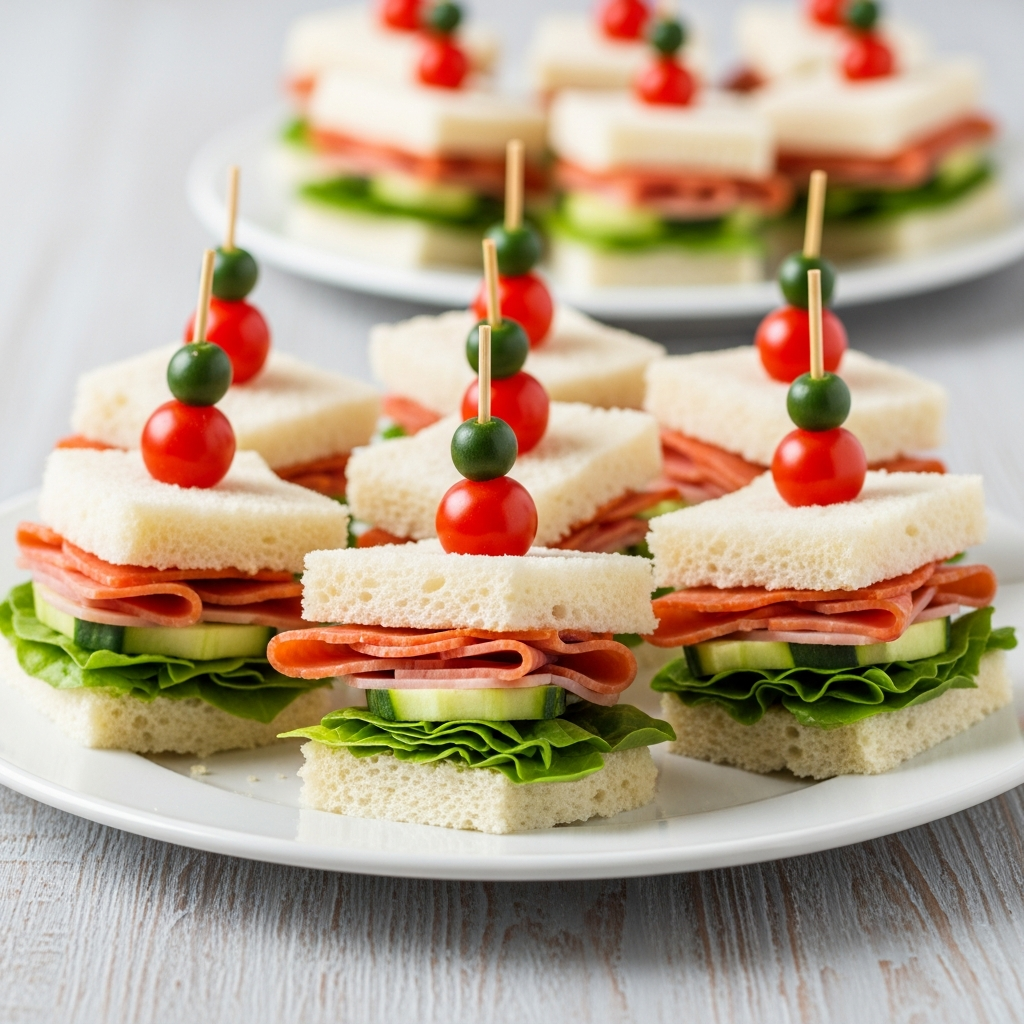
| Nutrient | Per Serving |
|---|---|
| Calories | 180 kcal |
| Protein | 6 g |
| Carbohydrates | 28 g |
| Fat | 4 g |
discover more healthy kid-friendly meals to keep the fun and nutrients flowing!
For further reading on nutritious snack ideas, check out the expert advice at ChooseMyPlate.gov.
Q&A
Q&A: Creative Eats – fun and Easy Foods Kids Can Make Themselves
Q1: Why is it significant for kids to get involved in making their own meals?
A: Getting kids in the kitchen sparks creativity, builds confidence, and teaches essential life skills. When children create their own snacks or meals, they gain a sense of independence and pride in their accomplishments. Plus, it encourages healthier eating habits by making food fun and approachable.
Q2: What types of foods work best for kids to prepare on their own?
A: Simple, no-bake, or minimally heated recipes are perfect! Think colorful fruit kabobs, creative sandwich faces, personalized mini pizzas, or even fun snack mixes. These are easy to assemble, safe, and allow room for imaginative twists.
Q3: How can parents or guardians encourage kids to experiment with food creatively?
A: Encourage experimentation by offering a variety of colorful ingredients and letting kids mix and match flavors and textures. celebrate their creations without focusing on perfection, and ask open-ended questions like, “What happens if we add this?” or “Can you make a shape with these veggies?” This playful approach keeps mealtime exciting.
Q4: are there any simple safety tips parents should keep in mind when kids cook?
A: Absolutely! Always supervise young chefs, especially near knives or heat sources. Teach basic hygiene like washing hands and cleaning surfaces. Choose age-appropriate utensils, and keep a first-aid kit handy – cooking mishaps can be part of the learning adventure when handled calmly.
Q5: How can creative cooking impact a child’s relationship with food?
A: When kids actively create their own food, they develop a deeper recognition for ingredients and flavors. This hands-on experience can transform picky eaters into enthusiastic explorers, willing to try new foods and flavors because they feel ownership of the process.
Q6: Can making food be a way to nurture other skills beyond cooking?
A: Definitely! Cooking cultivates fine motor skills, math basics through measuring, reading by following recipes, and even science when they observe how ingredients change. It’s a delightful classroom where fun and learning blend on a colorful plate.
Q7: What is a swift and easy recipe recommendation for beginners?
A: Try “Rainbow Veggie Wraps.” Lay out a whole wheat tortilla,spread some cream cheese or hummus,then add thin strips of colorful bell peppers,carrots,cucumber,and spinach. Roll it up tight and slice into bite-sized pieces. It’s simple, tasty, and a feast for the eyes!
Q8: How can kids personalize their food creations?
A: Encourage kids to use themes or stories to inspire their dishes-like making “dinosaur eggs” from deviled eggs dyed with natural colors or “under-the-sea” sandwiches decorated with cucumber fish. The more stories and imagination infused, the more magic on their plates.
With these insights and ideas, Creative Eats transforms mealtime into a celebration of imagination and skill, making every bite an adventure kids look forward to crafting themselves!
Insights and Conclusions
As you embark on these tasty adventures with your little chefs, remember that the true recipe for success blends creativity, confidence, and a sprinkle of fun. By encouraging kids to take the reins in the kitchen, you’re not just serving up tasty treats-you’re nurturing imagination, independence, and a lifelong love for food. So gather your ingredients, roll up those sleeves, and let the delicious discoveries begin! After all, in the world of creative eats, the best dish is the one made with joy and a pinch of pride.