
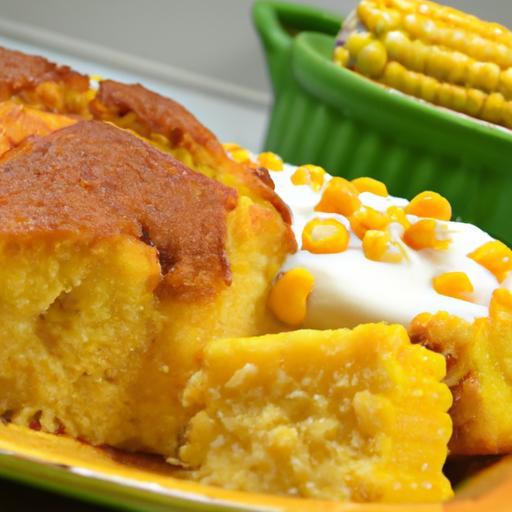
There’s something irresistibly warm and inviting about a slice of golden cornbread-the way its crumbly texture melts gently on the tongue, the subtle sweetness that dances alongside a whisper of buttery richness. More than just a humble side dish, cornbread carries with it a tapestry of history, culture, and comfort that spans generations and borders. In “The Golden Delight: Unraveling Cornbread’s Timeless Charm,” we embark on a journey to explore the origins, variations, and enduring appeal of this iconic treat. From its roots in indigenous traditions to its place at modern tables, cornbread’s story is as layered and nuanced as its flavor-a culinary treasure that continues to bring people together, one golden slice at a time.
This recipe stands as a testament to simple ingredients transformed into a golden emblem of comfort and tradition. This beloved staple, rich in Southern heritage and Native American influence, holds a cherished place at tables across the United States. From its humble origins made by indigenous tribes using ground corn to today’s diverse interpretations, cornbread captivates with its warm aroma, tender crumb, and the perfect balance of savory and sweetness.
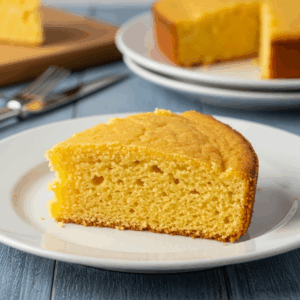
Prep and Cook Time
Preparation: 10 minutes | Cooking: 25 minutes | Total Time: 35 minutes
Yield
Serves 8 – ideal for family dinners or potluck gatherings
Difficulty Level
Easy – perfect for beginners and seasoned bakers alike
Ingredients
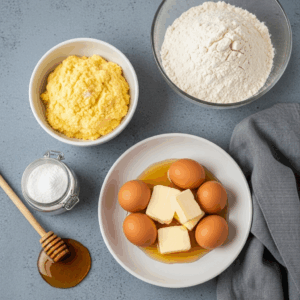
- 1 cup yellow cornmeal, stone-ground preferred for texture
- 1 cup all-purpose flour, sifted for lightness
- 1/4 cup granulated sugar (optional for mild sweetness)
- 1 tablespoon baking powder for optimal rise
- 1/2 teaspoon fine sea salt for balanced seasoning
- 1 cup buttermilk, room temperature to activate leavening
- 2 large eggs, lightly beaten
- 1/4 cup unsalted butter, melted and cooled slightly
- 1 tablespoon honey (optional for depth of flavor)
Instructions
- Preheat your oven to 400°F (204°C).Place a 9-inch cast-iron skillet or oven-safe pan inside to warm; this ensures a crispy crust.
- In a large bowl, combine the cornmeal, all-purpose flour, sugar, baking powder, and salt. Whisk thoroughly to distribute ingredients evenly.
- In a separate medium bowl, whisk together buttermilk, eggs, honey, and melted butter until smooth and slightly frothy.
- Pour the wet mixture into the dry ingredients. Gently fold with a spatula just until combined – don’t overmix, as this can toughen the crumb.
- Carefully remove the hot skillet from the oven and melt a little extra butter or oil to grease the pan. Pour the batter into the skillet, spreading evenly.
- Bake for 20-25 minutes, or until the edges turn golden brown and a toothpick inserted into the center comes out clean.
- let the cornbread cool in the skillet for 5 minutes before slicing. This resting helps set the texture, locking in moisture.
Tips for Success
- Use stone-ground cornmeal for a rustic texture and signature savory crunch.
- For a moister crumb, add an extra tablespoon of melted butter or substitute half of the buttermilk with sour cream.
- If you prefer a classic Southern style, omit sugar entirely to highlight natural corn sweetness and buttery richness.
- Prevent dryness by avoiding overbaking; ovens vary, so start checking at 20 minutes.
- Make-ahead tip: Bake the cornbread, cool entirely, then wrap tightly in foil. Reheat gently in a warm oven to revive the crisp crust.
Serving suggestions
Serve warm slices brushed with softened butter and a drizzle of local honey to enhance natural sweetness. Garnish with fresh herbs like chopped chives or thyme for a bright contrast. Cornbread pairs beautifully with smoky chili, hearty greens, or a bowl of creamy soup. For festive occasions, try topping with jalapeños or mixing in sweet corn kernels for bursts of flavor and texture.
| Nutrient | Amount (per serving) |
|---|---|
| Calories | 210 kcal |
| Protein | 5 g |
| Carbohydrates | 29 g |
| Fat | 8 g |
For an in-depth exploration of diverse Southern side dishes that complement this golden delight, check out our guide to Southern sides. To explore the origins and ancient meaning of cornmeal in America, visit the Smithsonian Magazine’s article on cornbread history.

Q&A
Q&A: The Golden Delight – Unraveling Cornbread’s Timeless Charm
Q1: What is it about cornbread that has cemented its place in culinary history?
A1: Cornbread’s allure lies in its simplicity and versatility. Born from humble cornmeal and water, this golden bread has been a staple for centuries, weaving itself into the fabric of American and indigenous food traditions. Its crumbly texture and slightly sweet, nutty flavor offer comfort that transcends generations, making it both a nostalgic favorite and a canvas for creative culinary innovation.
Q2: How did cornbread originate and evolve over time?
A2: Its roots run deep in Native American cuisine, where ground maize was a vital staple. Early settlers quickly embraced cornmeal, adapting indigenous methods to create their own versions. Over time, cornbread morphed regionally-Southern variants became moist and buttery with buttermilk and bacon drippings, while Northern styles stayed drier and crumblier. This evolution reflects a rich dialogue between cultures, ingredients, and traditions.
Q3: Why is cornbread frequently enough described as “golden”?
A3: The term “golden” is both literal and symbolic. Visually, cornbread bakes to a warm, inviting amber hue thanks to the natural yellow of cornmeal and the caramelization of its sugars. Symbolically, gold represents warmth, richness, and value-qualities cornbread embodies as a cherished accompaniment that elevates any meal from everyday to memorable.
Q4: What makes cornbread so adaptable across various cuisines and dishes?
A4: Cornbread’s unassuming base is a blank palette ripe for interpretation. It can be savory or sweet, coarse or fine, dense or fluffy. It pairs beautifully with robust stews, spicy chilies, or delicate honey and butter. This adaptability allows it to complement diverse flavor profiles, making it a universal comfort food that keeps evolving with the palate of each generation.
Q5: Can cornbread be considered a symbol beyond the dinner table?
A5: Absolutely. Cornbread stands as a symbol of heritage, resilience, and community. It’s a reminder of agricultural roots and the ingenuity of those who first transformed simple corn into sustenance. Often shared at gatherings, cornbread fosters connection and hospitality-a golden thread that ties people together in shared history and flavor.
Q6: How can modern cooks honor the timeless charm of cornbread while adding their own twist?
A6: Embracing tradition while experimenting is the key. Start with a classic recipe as your foundation, then infuse it with new ingredients-jalapeños for spice, cheeses for richness, or herbs for freshness. Try choice grains or gluten-free flours to meet dietary needs. The charm of cornbread lies not just in its past but in its endless capacity to inspire and adapt.
Unlocking cornbread’s golden charm is a journey through history, culture, and flavor-a delightful crumb that continues to warm hearts and plates alike.
To Conclude
As the warm, crumbly edges of cornbread continue to grace tables across generations and geographies, its timeless charm remains undeniable. More than just a humble side, cornbread carries with it stories of heritage, comfort, and a golden simplicity that transcends trends. Whether enjoyed fresh from the skillet or paired with hearty stews, this golden delight invites us to savor not only its rich flavors but also the cultural tapestry woven into every bite. In unraveling cornbread’s enduring appeal, we discover a culinary treasure that, much like the spirit of those who bake it, never goes out of style.