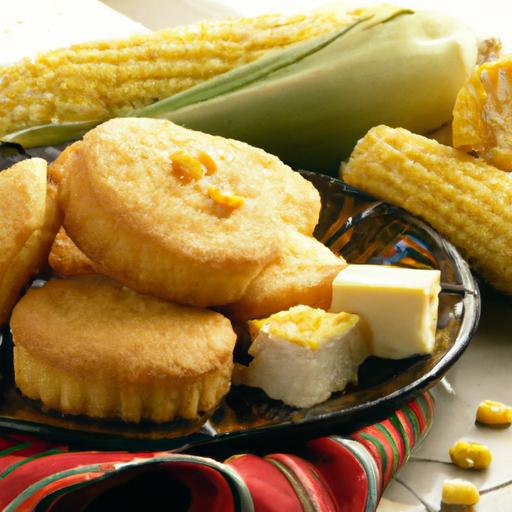

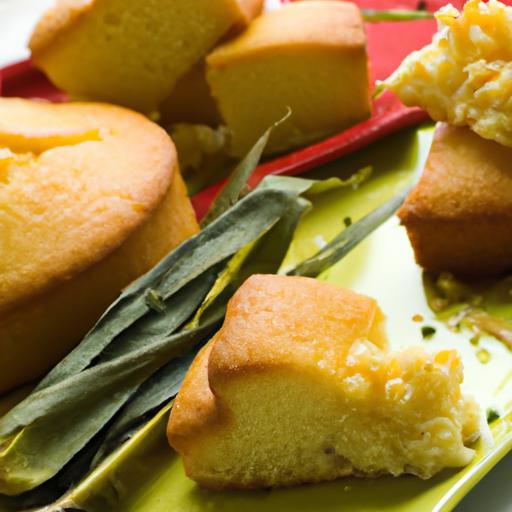
Golden bites of cornbread have long held a cherished place at tables across America, their warm, crumbly texture and subtly sweet flavor weaving into the fabric of culinary tradition. From rustic hearths to festive feasts, this humble bread tells a story that stretches back centuries-rooted in indigenous crops, shaped by cultural exchanges, and perfected through regional twists. In exploring the art and history of classic cornbread, we peel back layers of time to uncover not just a recipe, but a symbol of resilience, comfort, and community. Join us as we journey into the golden crust of this beloved staple, celebrating both its rich past and enduring appeal.
Golden Bites have long been a beloved staple of Southern kitchens, their warm, crumbly texture bringing comfort and nostalgia to every table. Rooted deep in Native American and Southern heritage, classic cornbread weaves history and flavor into a dish that’s as versatile as it is indeed timeless. The journey to perfecting this icon starts with understanding the balance of ingredients and mastering the subtle techniques that create an irresistibly moist crumb paired with a delectably crisp crust.
Prep and Cook Time
- Preparation: 10 minutes
- Cooking: 20-25 minutes
- Total Time: 35 minutes
Yield
- 8 servings
Difficulty Level
- Easy
essential Ingredients for Classic Cornbread
- 1 cup yellow cornmeal (stone-ground for best texture)
- 3/4 cup all-purpose flour, sifted
- 1/4 cup granulated sugar (optional, adjust sweetness to taste)
- 1 tablespoon baking powder
- 1/2 teaspoon fine sea salt
- 1 cup whole milk (or buttermilk for tanginess)
- 2 large eggs, lightly beaten
- 1/4 cup unsalted butter, melted plus extra for skillet
Step-by-Step Instructions
- Preheat your oven to 425°F (220°C). Place a 9-inch cast-iron skillet in the oven to warm; this will ensure a crisp, golden crust.
- In a large bowl, combine the cornmeal, flour, sugar, baking powder, and salt. Whisk together until evenly blended, creating a dry, vibrant yellow base.
- In a separate bowl, whisk the milk and eggs until fully incorporated. Pour the wet ingredients into the dry, stirring gently just until combined-avoid overmixing to prevent toughness.
- Carefully remove the hot skillet and add the melted butter, swirling to evenly coat the bottom and sides. Pour the batter directly into the buttered skillet, filling it about two-thirds full.
- Bake for 20-25 minutes or until the top is golden brown and a toothpick inserted into the center comes out clean. The edges will pull away slightly from the skillet-a good indicator of doneness.
- Allow to cool for 5 minutes. Use a knife to gently loosen the edges, then cut into wedges and serve warm.
Tips for Success: Mastering Texture and Flavor
- Cornmeal choice: Stone-ground cornmeal provides a coarser, rustic crumb and denser texture, while fine-ground yields a lighter, cake-like cornbread.
- Buttermilk swap: Enhance flavor and tenderness by substituting milk with buttermilk; it also reacts with baking powder to improve rise.
- balance sweetness: Customary cornbread is often savory; adjust sugar to your preference or omit for a more robust corn flavor.
- Preheat the skillet: This is crucial to creating that trademark crispy bottom-never skip this step!
- Don’t overmix: Stir just until ingredients come together; over-mixing develops gluten and can toughen the crumb.
- Make-ahead: Bake and cool wholly, then wrap tightly and store at room temperature up to two days or freeze slices for up to a month.
Serving Suggestions: Elevating Cornbread to a Culinary Highlight
Classic cornbread pairs beautifully with an array of dishes-from hearty Southern classics to fresh, modern plates. Slather a wedge with creamy honey butter or sharp cheddar cheese for a luscious bite. Try it alongside smoky BBQ ribs, a spicy bowl of chili, or a vibrant tomato-based stew for contrast. For a elegant twist, crumble warm golden bites over a leafy greens salad or serve as a base for sautéed mushrooms and herbs. Garnish with freshly chopped chives or a drizzle of artisanal honey to add visual appeal and layers of flavor.
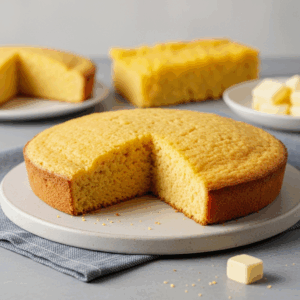
| Nutritional Info (per serving) | Calories | Protein | Carbs | Fat |
|---|---|---|---|---|
| Classic Cornbread | 190 kcal | 4 g | 28 g | 7 g |
For a deeper dive on using cornmeal in your baking journey, explore our comprehensive cornmeal baking guide. For historical context and the fascinating journey of cornbread’s rise in American cuisine, the Smithsonian Magazine offers an insightful read.
Q&A
Q&A: Golden Bites – The Art and History of classic Cornbread
Q1: What exactly is classic cornbread, and why is it called “golden bites”?
Classic cornbread is a simple yet soulful rapid bread made primarily from cornmeal, flour, eggs, milk or buttermilk, and a leavening agent like baking powder. It’s frequently enough baked until it boasts a crispy, golden crust-so the affectionate nickname “golden bites.” Each piece captures a perfect harmony of crumbly texture and warm, buttery glow, inviting you to savor a little slice of culinary sunshine.
Q2: How did cornbread become such a beloved staple in American cuisine?
cornbread’s roots run deep in Native American traditions, where indigenous peoples ground dried corn into meal and mixed it with water or animal fats to create nourishing breads. When European settlers arrived, they adapted these techniques, introducing wheat flour and raising agents, evolving cornbread into the comforting companion of Southern tables. Over centuries, it transcended mere sustenance to become a cultural symbol of home, heritage, and hearth.
Q3: Are there different types of cornbread across the United States?
Absolutely! The classic Southern version is typically savory, baked in a cast-iron skillet with a crunchy crust. In contrast, Northern cornbread often incorporates sugar or honey, lending a subtly sweet edge. variations abound-from Mexican pan de elote, a moist, sweet corn cake, to Appalachian Johnnycakes cooked on griddles over open flames. Each regional twist reflects local tastes and histories, painting a tapestry of golden flavors.
Q4: What makes the perfect cornbread? Is there a secret?
The secret is in balance and technique. Start with quality cornmeal-medium or fine grind depending on your texture preference. The ratio of wet to dry ingredients should yield a batter that’s moist but not runny. Cooking in a preheated, butter-laden cast-iron skillet helps achieve that coveted crispy edge. Some swear by buttermilk for its tang and tender crumb, while others advocate a touch of sugar to soften the cornbread’s earthiness. Most importantly, don’t overmix; a gentle hand keeps the crumb light and fluffy.
Q5: How has cornbread influenced American culture beyond the kitchen?
Cornbread has long been more than food; it’s a symbol of resilience and community. During hard times-like the great Depression or the segregation era-cornbread was a humble, affordable staple that nourished families. It features prominently in folklore, music, and literature, embodying warmth, simplicity, and Southern hospitality. Today, sharing cornbread can be a celebration of heritage, a bridge between generations, and a appetizing reminder of roots and stories passed down in golden bites.
Q6: Can classic cornbread be adapted for modern dietary preferences?
Certainly! Cornbread lends itself well to creative tweaks. For gluten-free needs, replace wheat flour with a gluten-free mix or additional cornmeal. Vegan versions swap eggs and dairy for plant-based milks and flaxseed “eggs.” Adding herbs, cheeses, or corn kernels can elevate the flavor, while reducing sugar or butter makes it lighter. The beauty lies in its versatility-cornbread invites you to craft your own golden legacy.
Q7: How can one serve cornbread to highlight its best qualities?
cornbread shines both as a solo snack and a complementary side. Serve it warm, slathered with honey butter or drizzled with molasses for a sweet twist. It pairs beautifully with smoky barbecues, hearty stews, collard greens, or chili. Crumble it atop soups for texture, or transform leftovers into savory stuffing. Whether cradling bowls of greens or stealing the spotlight at a family dinner, golden bites add a cozy note to every meal.
Embrace the artistry and heritage baked into every batch of cornbread. From field to fork, these golden bites tell a story of survival, adaptation, and celebration-ready for you to taste, share, and honor.
Closing Remarks
From its humble beginnings as a simple, comforting staple to its esteemed place at tables across the globe, classic cornbread is much more than just a side dish-it’s a golden thread woven through the fabric of culinary history. Each bite tells a story of tradition, ingenuity, and the timeless joy found in sharing food that nourishes both body and soul. As you savor those warm, crumbly slices, remember you’re partaking in an art form shaped by generations past, and carrying forward a delicious legacy that continues to bring people together, one golden bite at a time.