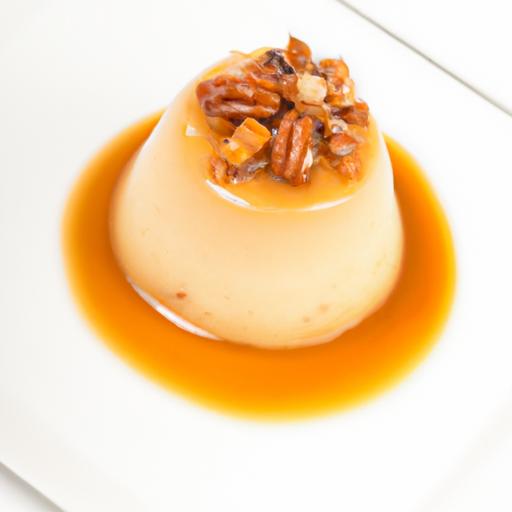

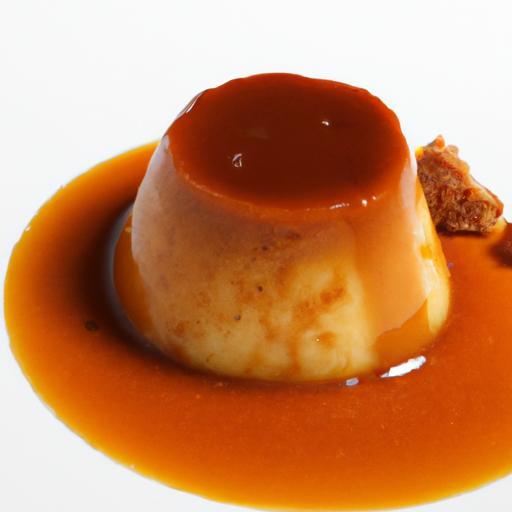
There’s a certain magic in the silky, amber-hued world of caramel pudding-a dessert that effortlessly marries simplicity with sophistication. revered by home cooks and Michelin-starred chefs alike, this timeless classic transforms humble ingredients into a velvety indulgence that lingers on the palate long after the final spoonful. In this article, we dive deep into the secrets of mastering caramel pudding, drawing inspiration from a Michelin chef’s refined approach. Prepare to elevate your dessert repertoire as we unravel the art and science behind creating the perfect balance of rich caramel, smooth custard, and that elusive, melt-in-your-mouth texture that defines a true masterpiece.
Mastering caramel pudding begins with crafting the perfect caramel sauce-a silky, amber-hued elixir that elevates every spoonful into pure indulgence. This transformative sauce is both the foundation and the crown jewel of the dessert, where precise ingredient choices and attentive technique create that luscious, flawless texture you crave.
Prep and Cook Time
- Planning: 15 minutes
- cooking: 25 minutes
- Total Time: 40 minutes
Yield
serves 6 elegantly sized portions
Difficulty Level
Intermediate – perfect for home cooks ready to impress
Ingredients
- 1 cup granulated sugar – for the caramel base, evenly melts into deep amber hues
- 1/4 cup water – to dissolve sugar evenly and prevent scorching
- 1 cup whole milk – adds creaminess and smooth texture
- 1 cup heavy cream – ensures the sauce remains rich and silky
- 3 large egg yolks – provide luscious body without heaviness
- 1 tbsp unsalted butter – enriches flavor and glossy finish
- 1 tsp pure vanilla extract – deepens the flavor complexity
- Pinch of fine sea salt – perfectly balances the sweetness
Instructions
- Prepare the caramel: Combine granulated sugar and water in a heavy-bottomed saucepan over medium heat. Stir gently just until the sugar dissolves, then stop stirring and allow it to simmer. Watch as it transforms into a beautiful amber-this takes about 8-10 minutes. Tip: Swirl the pan occasionally for even coloring and don’t let it burn.
- Add cream and milk: Carefully and slowly pour the heavy cream and whole milk into the caramel (it will steam vigorously).Stir constantly to blend, forming a velvety caramel sauce. simmer gently for 3-4 minutes to integrate flavors uniformly.
- Temper the egg yolks: In a separate bowl, whisk egg yolks until smooth. Slowly add about 1 cup of the warm caramel mixture to the yolks,whisking continuously to prevent curdling. Then, pour the yolk mixture back into the saucepan with the caramel.
- Cook to pudding consistency: Over low heat, stir constantly until the sauce thickens enough to coat the back of a spoon (about 170°F/77°C). This process should take 5-7 minutes. Tip: do not let it boil to avoid scrambling the eggs.
- finish with butter, vanilla, and salt: Remove from heat and whisk in unsalted butter, vanilla extract, and a pinch of fine sea salt. This step adds depth, shine, and balance to your caramel sauce.
- Chill and serve: Transfer the pudding into individual ramekins or a single serving dish. Cover with plastic wrap, pressing it gently onto the surface to prevent skin formation. Refrigerate for at least 4 hours or overnight for the best silky finish.
Techniques to Achieve Creamy, Luscious Caramel Sauce Consistency
Precision is your secret weapon. Always melt sugar with water first to ensure an even caramelization. Gradual heat submission prevents burning, while tempering the egg yolks prevents curdling, ensuring a smooth texture reminiscent of a Michelin-starred dessert. Constant stirring during final cooking guarantees a consistent, creamy pudding texture, essential when mastering caramel pudding.
Pro Tips for Flawless Presentation and Serving Suggestions
- Use clear glass ramekins to showcase the gleaming amber sauce against the creamy pudding, capturing light and texture beautifully.
- Garnish with a pinch of sea salt flakes for a contrasting sparkle that accentuates the caramel’s sweetness.
- Add a sprinkle of toasted sliced almonds or crushed pistachios for textural contrast and a nutty aroma.
- Serve alongside fresh berries-their tartness cuts through the caramel’s richness, balancing every bite.
- For a festive touch, drizzle a bit of dark chocolate or dust with edible gold leaf to elevate presentation to a gourmet experience.
Chef’s Notes
- You can substitute heavy cream with full-fat coconut milk for a dairy-free option-expect a slightly tropical nuance.
- If your caramel crystallizes unexpectedly, gently rewarm with a little water and stir until smooth.
- Make ahead and store refrigerated for up to 3 days; caramel flavors deepen beautifully with time.
- To thicken quicker, avoid boiling; patience and low heat yield silkiness without graininess.
- Experiment by infusing the milk with vanilla pods or spices (like cinnamon or cardamom) before adding to caramel.
| Nutritional Info (per serving) | Calories | Protein | Carbs | Fat |
|---|---|---|---|---|
| caramel Pudding | 320 kcal | 6 g | 35 g | 18 g |
To complement your culinary journey with caramel pudding, consider checking out our Classic French Desserts Collection. For an in-depth look at sugar chemistry and caramelization processes, visit Exploratorium’s Sugar Science.

Q&A
Q&A: Mastering Caramel Pudding – A Michelin Chef’s Classic Recipe
Q1: What makes caramel pudding such a timeless dessert?
A1: Caramel pudding, with its silky texture and deep caramel notes, is the embodiment of simplicity meeting sophistication. Its history traces back centuries, captivating palates with the perfect balance between creamy custard and bittersweet caramel. This dessert’s charm lies in its understated elegance and the comforting warmth it brings to the table, making it a timeless classic loved across cultures.
Q2: How does a Michelin chef elevate this classic dish?
A2: A Michelin chef approaches caramel pudding with meticulous attention to ingredient quality and technique. Precision in simmering the caramel to achieve the perfect amber hue without bitterness is key. They ensure the custard base is luxuriously smooth by tempering eggs gently and baking it in a water bath to maintain even, delicate cooking. The finishing touch often involves subtle flavor enhancements-like a hint of vanilla bean or a dash of fine sea salt-to elevate the familiar into an extraordinary experience.
Q3: What’s the secret behind achieving a flawless caramel layer?
A3: The caramel layer is the soul of the pudding. The secret lies in the sugar’s transformation: patiently melting and swirling it over medium heat until it reaches a deep golden amber. Avoiding stirring helps prevent crystallization. Once poured into the mold, the caramel sets into a luscious, glossy sheet that melts perfectly into the custard during cooking, creating that signature luscious contrast every gourmet longs for.
Q4: Why is the water bath technique crucial for this recipe?
A4: Baking the custard in a water bath-or bain-marie-is essential to achieving that silky, custardy texture free of curdling or cracks. The gentle, even heat provided by the water bath prevents the eggs from cooking too quickly, ensuring a smooth, tender pudding that almost melts in your mouth. It’s the hallmark of professional technique that transforms a humble dessert into a Michelin-star-worthy delight.
Q5: Can caramel pudding be customized without losing its classic essence?
A5: Absolutely. While the foundation remains the classic caramel and custard, subtle twists can add personality without straying from tradition. Infusing the custard with citrus zest, spices like cardamom or star anise, or even a splash of rum can add intriguing layers of flavor. Garnishing with fresh berries, toasted nuts, or edible flowers can enhance presentation and enjoyment, allowing the dish to shine in contemporary settings while honoring its roots.Q6: How should caramel pudding be served for the best experience?
A6: For maximum impact, serve caramel pudding chilled but not ice-cold-this preserves its creamy texture and lets the caramel’s bittersweet notes sing. Run a knife around the edges to loosen before inverting carefully onto a plate, revealing that glistening caramel crown. Pairing with a small dollop of freshly whipped cream or a sprig of mint adds visual appeal and a complementary touch of freshness.
Q7: What common pitfalls should be avoided when making caramel pudding at home?
A7: The most frequent missteps include burning the caramel by cooking it too fast, which results in bitterness, and overcooking the custard, which yields a grainy, rubbery texture. Additionally, skipping the water bath often leads to uneven cooking and cracks. Patience and attentiveness at each step are vital; mastering caramel pudding requires respect for the process as much as for the ingredients.
Mastering caramel pudding is a journey that blends artistry with technique. By embracing these insights from a Michelin chef’s playbook, home cooks can transform a humble dessert into a show-stopping finale worthy of any gourmet table.
Insights and Conclusions
Mastering caramel pudding is more than just cooking; it’s an art that combines patience, technique, and passion. This classic dessert transforms simple ingredients into a silky, timeless indulgence. Each bite reflects Michelin-level precision and care. With this recipe, you’re not just making pudding—you’re creating a sweet legacy with every caramelized masterpiece.
.