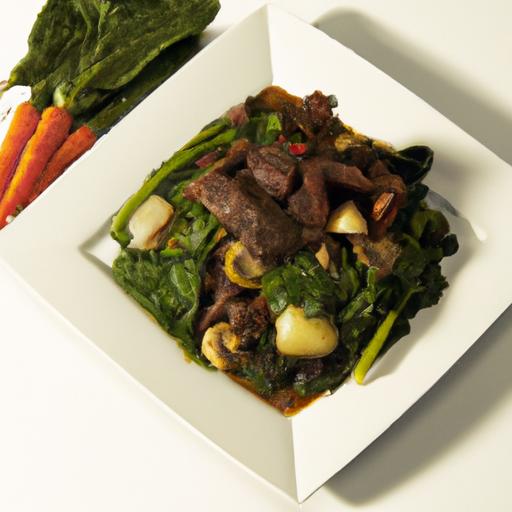

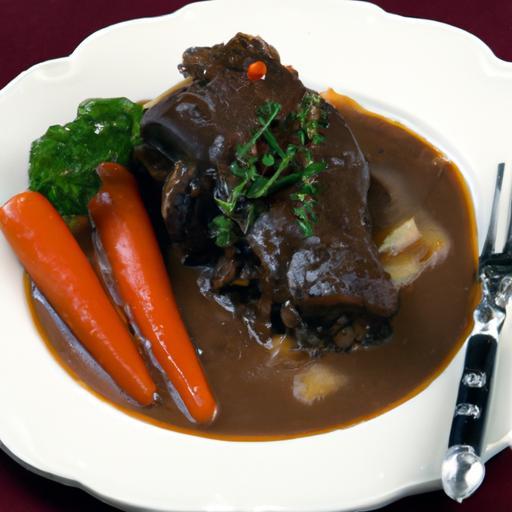
A hearty bowl of beef stew comforts with tender meat, rich broth, and flavorful vegetables. The secret to making beef stew unforgettable is the perfect seasoning—a blend of herbs, spices, and aromatics that elevates every bite. In this ultimate guide, we’ll explore how to craft bold, balanced flavors that deepen with simmering, helping cooks of all levels transform this classic comfort food.
Unlocking flavor in beef stew seasoning is an art that transforms simple ingredients into a deeply satisfying dish. The secret is choosing a spice blend that balances warmth, sweetness, and savory notes, enhanced by herbs and umami boosters. This creates a flavor symphony that keeps you coming back for more.
Prep and Cook Time
- Planning: 25 minutes
- Cooking: 2 hours 15 minutes
- Total: 2 hours 40 minutes
Yield
- Serves 6 generous portions
Difficulty Level
- Medium – Great for cooks ready to explore seasoning layers and slow cooking
Ingredients
- 2 lbs beef chuck, cut into 1.5-inch cubes
- 1 cup all-purpose flour, sifted
- 3 tbsp olive oil, divided
- 1 large yellow onion, finely chopped
- 3 cloves garlic, minced
- 1 cup dry red wine (optional but recommended)
- 4 cups beef broth, preferably low-sodium
- 2 medium carrots, cut into chunks
- 2 medium parsnips, peeled and chopped
- 2 tbsp tomato paste
- 1 tbsp brown sugar
- 1 tsp smoked paprika
- 1 tsp ground cumin
- 1 tsp dried thyme
- 1/2 tsp ground cinnamon
- 1/4 tsp cayenne pepper (optional for subtle heat)
- 2 fresh bay leaves
- 1 tbsp fresh rosemary, chopped
- 1 cup cremini mushrooms, halved
- 2 tsp soy sauce (for umami enhancement)
- Salt and freshly ground black pepper, to taste
- Fresh parsley for garnish
Instructions
- Prepare the beef: Toss the beef cubes in the sifted flour until fully coated, shaking off excess. This creates a gorgeous crust and helps thicken the stew later.
- Brown the meat: Heat 2 tablespoons olive oil in a large heavy-bottomed pot over medium-high heat. Sauté beef cubes in batches until golden brown on all sides, about 6 minutes per batch. Transfer to a plate.
- Sauté veggies and aromatics: Add remaining 1 tablespoon olive oil to the pot. Sauté chopped onion and garlic until translucent and fragrant, about 4 minutes. Stir in the tomato paste and cook another 2 minutes to deepen its sweetness.
- Build spice layers: Sprinkle in smoked paprika, cumin, cinnamon, dried thyme, and cayenne. Stir well to toast the spices gently until their aroma fills the kitchen, around 1 minute.
- Deglaze: Pour in the red wine, scraping up browned bits from the bottom. Let it reduce by half, about 5 minutes, concentrating flavor.
- Simmer the stew: Return beef and any juices to pot. Add beef broth, brown sugar, bay leaves, soy sauce, and chopped rosemary. Bring to a gentle boil, then reduce heat and simmer, covered, for 1 hour 30 minutes, stirring occasionally.
- Add vegetables: Stir in carrots, parsnips, and mushrooms. Continue simmering uncovered for another 45 minutes until beef is fork-tender and vegetables are cooked through.
- Final seasoning: Remove bay leaves, taste the stew, and season generously with salt and pepper. Adjust sweetness or acidity with a splash of vinegar or honey if desired.
- Rest and Garnish: Let the stew rest for 10 minutes off heat. Serve garnished with chopped fresh parsley for a burst of freshness.
Tips for Success
- For the best deep and rich flavor, brown your meat in batches and don’t rush this step; it develops your stew’s foundation.
- Balance is key: the brown sugar gently rounds out the acidity, while the tomato paste provides body and umami.
- fresh herbs like rosemary and parsley add vibrancy,but dried thyme infuses an earthy depth that holds up to long cooking.
- Add mushrooms and soy sauce near the end to unlock umami without overpowering the stew.
- Make ahead: this stew tastes even better the next day after flavors meld overnight-reheat gently.
- For a gluten-free version, substitute all-purpose flour with cornstarch or almond flour for coating the beef.
Serving Suggestions
Serve your richly seasoned beef stew over a bed of creamy mashed potatoes or buttery egg noodles to soak up every drop of sauce. A crusty artisan bread on the side invites sweeping the bowl clean. For an extra pop, garnish with a sprinkle of fresh parsley or a few thin lemon zest strips, offering a subtle brightness that counterbalances the stew’s hearty depth.
| Nutrient | Per Serving |
|---|---|
| Calories | 420 kcal |
| Protein | 38 g |
| Carbohydrates | 18 g |
| Fat | 20 g |
Explore more tips on enhancing hearty meals with spices in our extensive guide to spice blends. For deeper understanding of umami, check out this Serious Eats article on umami.

Q&A
Q&A: Unlocking Flavor – The Ultimate Guide to Beef Stew Seasoning
Q1: Why is seasoning so crucial for beef stew?
A1: Think of seasoning as the soul of your beef stew-it transforms humble ingredients into a symphony of taste. Without the right balance, even the best beef and fresh veggies can fall flat. Seasoning enhances natural flavors, builds depth, and invites every spoonful to dance on your palate.
Q2: What are the cornerstone spices and herbs for a classic beef stew?
A2: The foundation usually includes aromatic bay leaves, earthy thyme, and robust rosemary. Ground black pepper and a pinch of salt are essential players too. These staples work in harmony to infuse the stew with warmth and complexity while highlighting the meat’s richness.
Q3: Can I get creative with unconventional seasonings?
A3: Absolutely! While tradition holds power, don’t shy away from surprises. Add a dash of smoked paprika for a subtle fire, a hint of cinnamon for warmth, or even a splash of soy sauce to introduce umami depth. Your stew is a blank canvas-season boldly and thoughtfully.
Q4: How can I balance seasoning so the stew isn’t too salty or bland?
A4: Patience and layering are key. Season gradually: start with a little salt and pepper, then taste as your stew simmers and flavors meld. Remember, you can always add more, but you can’t take it out. Fresh herbs added at the end can brighten flavors without overpowering.
Q5: What role do aromatics like garlic and onions play in seasoning?
A5: Aromatics act like flavor architects-they build the stew’s savory backbone. Garlic adds pungent richness, while onions lend sweetness and depth as they caramelize. Together, they create a fragrant foundation that welcomes spices to flourish.
Q6: Should I season the beef before cooking, during simmering, or both?
A6: Both! Seasoning the beef before browning encourages a flavorful crust through the Maillard reaction, locking in savory notes. As the stew simmers, seasoning layers develop and mingle, elevating the broth and tender meat into a cohesive masterpiece.
Q7: How can I infuse my beef stew with freshness without overpowering the flavors?
A7: Fresh herbs like parsley, chives, or tarragon added right before serving provide that final pop of brightness. A squeeze of lemon juice or a splash of vinegar can also cut through richness, balancing the stew with subtle acidity-think of it as a breath of fresh air in each bowl.
Q8: Are there any tips for seasoning beef stew when using store-bought broth or stock?
A8: Since store-bought broths can vary in saltiness and flavor intensity, start seasoning lightly and adjust as you go. Amplify with fresh herbs and spices to personalize the flavor. Sometimes adding a small pinch of sugar or a splash of wine can round out the stew wonderfully.
Q9: Can seasoning techniques change depending on the cooking method?
A9: Definitely. Slow cookers benefit from ingredients that steadily release flavor over hours-think whole garlic cloves and sprigs of herbs. Stovetop stews allow for more frequent tasting and tweaking, so you can refine seasoning in real-time. Pressure cookers concentrate flavors quickly, so seasoning must be precise to avoid overpowering.
Q10: What’s the final secret to “unlocking” extraordinary beef stew flavor?
A10: Time and love. Flavor blossoms when ingredients have space and patience to merge-slow simmering is your best friend. season with intention, taste often, and let your instincts guide you. Each adjustment brings you closer to that soul-warming, unforgettable stew that feels like a hug in a bowl.
Key Takeaways
As the final simmer settles and your kitchen fills with the rich, mouthwatering aroma of a perfectly seasoned beef stew, you’ll realize that seasoning isn’t just a step in cooking-it’s the heart and soul of flavor. Unlocking the secrets to the ultimate beef stew seasoning transforms a humble pot into a culinary masterpiece, inviting warmth, depth, and character to every bite. Armed with this guide, your stew will no longer be just a meal but an experience-layered, comforting, and unforgettable. So go ahead, experiment with those herbs and spices, trust your taste buds, and let your stew tell its flavorful story, one spoonful at a time.