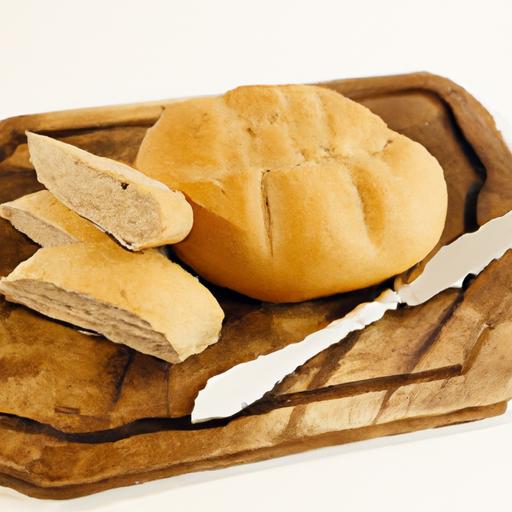

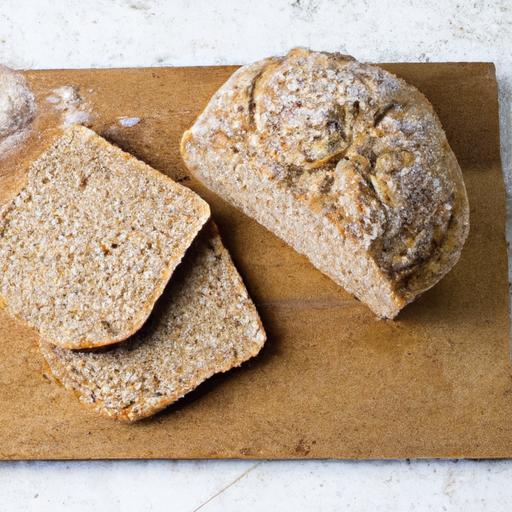
Barely bread revives ancient grain traditions with barley, spelt, and einkorn, offering rich, hearty flavors. Barely bread reconnects us with nourishing simplicity and a healthier, timeless staple.
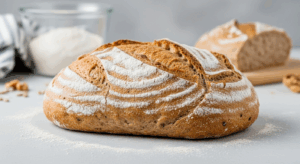
Barely bread offers a unique taste of ancient grains, blending heritage with modern wellness. This barely bread captures barley’s nutty essence with a moist crumb and hearty crust, perfect for any meal. Honor barley’s rich history and nutrition by baking a loaf that’s both wholesome and irresistible, this barely bread recipe embraces simplicity and depth in every bite.
Prep and Cook time
Readiness: 20 minutes Rising: 1 hour 30 minutes Baking: 35 minutes
Yield
One generous 9×5 inch loaf (10-12 slices)
Difficulty Level
Medium – ideal for those comfortable with yeast baking and eager to experiment with ancient grains.
Ingredients
- 2 cups barley flour, finely milled (not pearled)
- 1 cup bread flour, sifted
- 1 ½ teaspoons active dry yeast
- 1 ¼ cups warm water (about 105°F / 40°C)
- 1 tablespoon honey or maple syrup
- 1 teaspoon fine sea salt
- 2 tablespoons olive oil, plus extra for greasing
- optional: 1 tablespoon toasted sunflower seeds or chopped walnuts for topping
Instructions
- Activate the yeast: In a small bowl, combine the warm water, honey, and yeast. Stir gently and let rest for 5-8 minutes until foamy. This confirms the yeast is alive and ready.
- Mix the dry ingredients: In a large mixing bowl, whisk together barley flour, bread flour, and sea salt, ensuring even distribution for consistent rising.
- Combine wet and dry: Create a well in the flour mixture. Pour in the activated yeast mixture and 2 tablespoons olive oil. Stir with a wooden spoon until the dough begins to form a shaggy ball.
- Knead the dough: Transfer dough to a lightly floured surface and knead for about 8-10 minutes until smooth and elastic. Barley flour has less gluten, so the dough will be softer than typical wheat dough but should hold together well.
- First rise: Lightly oil a large bowl and place the dough inside. Cover with a damp cloth or plastic wrap. Let the dough rise in a warm, draft-free area for 1 hour or until doubled in size.
- Shape the loaf: Gently punch down the dough to release excess air. Shape into a tight loaf and place into a well-greased 9×5 inch bread pan. Optionally, sprinkle the top with toasted sunflower seeds or walnuts, pressing lightly.
- Second rise: Cover and let the loaf rise for another 30 minutes until it puffs up to just above the pan’s edge.
- Bake: Preheat your oven to 375°F (190°C). Bake the loaf for 30-35 minutes until golden brown and it sounds hollow when tapped on the bottom.
- Cool: remove from the oven and transfer the loaf onto a wire rack. Allow it to cool completely before slicing-this step is crucial for perfect texture and slicing ease.
Chef’s Notes & Tips for Success
- Flour substitution: Bread flour balances barley’s low gluten. For a softer crumb, substitute up to 50% bread flour with whole wheat flour.
- Hydration: Barley flour absorbs water differently-adjust water slightly if dough feels too sticky or dry.
- Flavor variations: Add 1 teaspoon ground cinnamon or a pinch of rosemary for a subtle aromatic twist.
- Make-ahead: prepare dough the night before, refrigerate after the first rise, then bake fresh in the morning for a delightful breakfast treat.
- Storage: Keep the loaf in a bread box or wrapped loosely in a linen towel to maintain crustiness for up to 3 days.
Serving Suggestions
The barely bread loaf shines best when complemented with fresh, wholesome toppings. Toast thick slices and spread with creamy avocado mash, smoked salmon, and a squeeze of lemon for a nutrient-packed brunch. It also pairs wonderfully with hearty soups or stews, where its dense, nutty crumb soaks up broths beautifully. For a simple snack, slather a slice with rich almond butter and a drizzle of honey, then sprinkle with chia seeds for a crunchy finish. Garnish plates with fresh herbs like thyme or dill to elevate visual appeal and freshness.
| Nutrient | Per slice (1 of 12) |
|---|---|
| Calories | 130 kcal |
| Protein | 4 g |
| Carbohydrates | 24 g |
| Fat | 2.5 g |

to dive deeper into ancient grains and their culinary magic, explore our related guide on incorporating ancient grains. For extensive scientific insight on barley’s health benefits, visit Healthline’s detailed article.
Q&A
Q&A: barely Bread – Unlocking the Power of Ancient Grain Loaves
Q: What exactly is Barely Bread?
A: Barely bread is a humble yet mighty loaf crafted primarily from barley, one of the world’s oldest cultivated grains. Unlike modern wheat breads, Barely Bread celebrates the rustic, nutty flavors and dense textures of ancient grains – reconnecting us to centuries of grain-growing wisdom and wholesome nourishment.
Q: Why choose barley over more common grains like wheat or rye?
A: Barley boasts a unique nutritional profile rich in dietary fiber, vitamins, and minerals. Its beta-glucan content helps regulate blood sugar and lower cholesterol, making Barely Bread a heart-pleasant and digestive ally. plus, barley’s ancient roots bring depth and character to every slice – a true taste of history.
Q: How does the baking process differ from regular bread?
A: Baking with barley requires a gentle, patient approach. The grains absorb more water and produce less gluten, so the dough is stickier and denser than wheat doughs. Bakers often blend barley with a bit of wheat or millet to achieve the perfect crumb. The key is embracing the rustic, hearty nature of the loaf rather of forcing it into a fluffy mold.
Q: Can Barely Bread fit into modern diets, like gluten-sensitive or low-carb lifestyles?
A: While barley does contain gluten, some people with mild sensitivities find it easier to digest than highly processed wheat. However, it’s not suitable for those with celiac disease. As for low-carb diets, barley is higher in carbs but balanced by a slower glycemic index, offering sustained energy without sharp blood sugar spikes.
Q: What are some creative ways to enjoy Barely Bread?
A: Barely Bread shines in both sweet and savory roles. Try it toasted with honey and goat cheese for a simple delight or paired with smoky roasted vegetables and hummus for a hearty lunch. Its dense texture also makes an excellent base for stuffing or as cubes in a rustic bread salad.
Q: How does Barely Bread connect us to ancient food traditions?
A: Each loaf is like a portable time capsule, linking us back to agrarian societies that thrived on barley’s versatility. By baking and savoring Barely Bread, we honor centuries of farming, harvesting, and communal sharing – reminding us that sometimes, the oldest foods hold the freshest stories.
Q: Where can one find Barely Bread?
A: Artisan bakers and health food stores are increasingly embracing ancient grains, so look for Barely Bread in farmers’ markets or specialty bakeries. For the adventurous, baking at home using barley flour and conventional recipes can be a rewarding journey into culinary history.
Unlock the power of barley – and let each loaf of Barely Bread be your gateway to ancient nourishment and modern wellness!
To Conclude
As we peel back the crusty layers of Barely Bread, it becomes clear that these ancient grain loaves are far more than just a nod to culinary history-they are a bridge connecting us to the earth’s earliest harvests and time-honored traditions. Unlocking their power means embracing a simplicity that channels rich flavors, nutritional depth, and sustainable practices long forgotten by modern baking. Whether you’re a passionate foodie, a health-conscious eater, or a curious explorer of ancestral foods, Barely Bread invites you to savor the past with every bite and rediscover the timeless magic kneaded into each loaf. In the humble grain lies a story of resilience, connection, and nourishment-one loaf at a time.