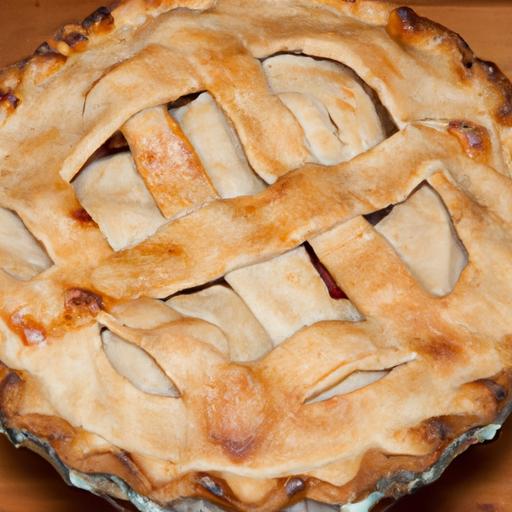

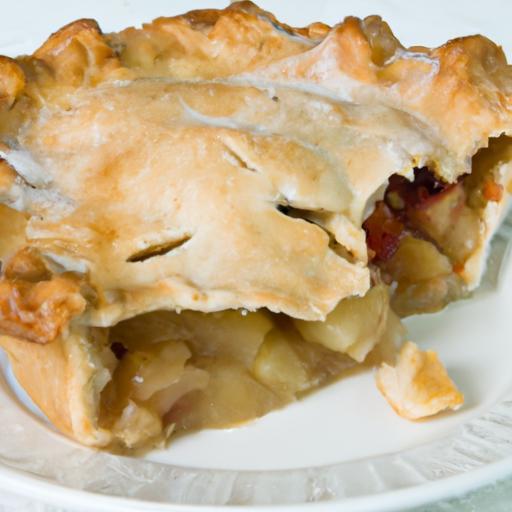
Few desserts evoke as much comfort and nostalgia as a warm slice of classic apple pie. Beneath its golden, flaky crust lies not just a medley of tender, cinnamon-kissed apples but a rich tapestry of history and cultural meaning that has unfolded over centuries. From humble beginnings in medieval Europe to becoming an emblem of American tradition, apple pie is far more than a simple treat-it’s a symbol of home, heritage, and heartfelt party. Join us as we peel back the layers of this beloved dessert’s sweet history and uncover the secrets that have made the classic apple pie an enduring icon on tables around the world.
The sweet History and Secrets Behind Classic Apple Pie
From the early apple-filled tarts of ancient Europe to the beloved American icon gracing countless holiday tables, the journey of apple pie is as rich as its flavors. This timeless dessert marries tradition with craft, inviting each baker to partake in a sweet ritual that celebrates both history and homemade comfort. Perfecting the crust and carefully selecting the apples unlock the true magic behind an unforgettable apple pie experience.
Prep and Cook Time
- Preparation Time: 30 minutes
- Cook Time: 50 minutes
- Total Time: 1 hour 20 minutes
Yield
Serves 8 generous slices
Difficulty Level
Medium – Requires basic baking skills but approachable for keen home cooks.
Ingredients
- 2 ½ cups all-purpose flour, sifted
- 1 teaspoon salt
- 1 teaspoon granulated sugar
- 1 cup (2 sticks) unsalted butter, cold and cubed
- 6-8 tablespoons ice water, adjust as needed
- 6 cups peeled, cored, and sliced apples (a mix of Granny Smith and Honeycrisp recommended)
- ¾ cup granulated sugar
- ¼ cup brown sugar, packed
- 2 tablespoons all-purpose flour (to help thicken the filling)
- 1 tablespoon lemon juice
- 1 teaspoon ground cinnamon
- ½ teaspoon ground nutmeg
- Pinch of salt
- 1 egg yolk, beaten with 1 tablespoon water (for egg wash)
- Coarse sugar for sprinkling (optional)
Instructions
- Prepare the pie crust: In a large bowl, whisk together the flour, salt, and sugar. Add the cold, cubed butter. using a pastry cutter or your fingertips, work the butter into the flour until the mixture resembles coarse crumbs with pea-sized pieces.
- Add ice water: Gradually drizzle in the ice water, one tablespoon at a time, mixing gently with a fork until the dough starts to hold together. avoid overworking for a tender crust.
- Divide and chill: Shape the dough into two equal disks, wrap tightly in plastic wrap, and refrigerate for at least 1 hour to relax the gluten and chill the butter.
- Prepare the filling: In a large bowl, combine the sliced apples, granulated and brown sugar, flour, lemon juice, cinnamon, nutmeg, and salt. Toss thoroughly until every slice is coated. This mix balances tartness and sweetness, preserving texture during baking.
- Roll out dough: On a lightly floured surface, roll out one disk into a 12-inch circle for the bottom crust. Carefully transfer to a 9-inch pie dish, pressing into edges without stretching.
- Fill the pie: Pour the apple filling into the crust, mounding slightly in the center for a classic dome shape.
- Top crust: Roll out the second dough disk to approximately 12 inches. Cover the pie, trimming excess dough and sealing edges by crimping with finger or fork. Cut small slits or create a lattice pattern to allow steam to escape.
- Apply egg wash: Brush the crust evenly with the egg wash for a golden, glossy finish. Optionally, sprinkle coarse sugar to add a touch of sparkle.
- Bake: Place the pie on a middle rack preheated to 425°F (220°C). Bake for 15 minutes, then lower the heat to 350°F (175°C) and continue baking for 35-40 minutes, or until the crust is golden and juices bubble through vents.
- Cool and serve: Allow the pie to cool at least 2 hours to set the filling before slicing, ensuring clean, gorgeous cuts.
Tips for Success
- Selecting apples: Combining tart Granny Smith apples with sweet Honeycrisp balances flavor and retains a pleasing bite. Avoid mushy varieties like Red Appetizing.
- Cold ingredients: Keep the butter and water ice cold to achieve a flaky crust by creating steam pockets during baking.
- Do not overwork dough: Handle dough gently to avoid toughening; chords are what give pie that coveted tender crumb.
- Make ahead: Pie dough can be prepared and refrigerated up to 2 days in advance. also, assembling the filling a few hours beforehand lets flavors meld.
- Prevent sogginess: sprinkle a tablespoon of finely ground nuts or breadcrumbs on the crust before filling to soak excess moisture without altering taste.
Serving Suggestions
Serve warm slices with a generous scoop of vanilla ice cream or a dollop of freshly whipped cream. For a cozy touch, dust lightly with cinnamon or drizzle caramel sauce over the top. Garnish with a sprig of fresh mint or a thin lemon zest twist to brighten the presentation elegantly.

Nutritional Facts
| Nutrient | Per Serving |
|---|---|
| Calories | 360 kcal |
| Protein | 3 g |
| carbohydrates | 55 g |
| Fat | 12 g |
For deeper culinary insights on fruit pies, explore our Ultimate Guide to Fruit Pies. To learn about apple varieties and their origins, visit U.S. Apple Association.
Q&A
Q&A: The Sweet History and Secrets Behind Classic Apple Pie
Q1: Where did apple pie originally come from?
A1: While frequently enough hailed as “America’s favorite dessert,” apple pie’s origins actually trace back to medieval Europe. The earliest known recipes appeared in England during the 14th century, combining apples with spices like cinnamon and cloves-luxuries at the time! It was a dish that signified abundance and celebration long before it became synonymous with American tradition.
Q2: how did apple pie become an American icon?
A2: When European settlers arrived in North America, they brought their apple pie recipes with them. Thanks to the abundance of wild apples and the Americans’ knack for innovation, the pie evolved with new apple varieties and local ingredients. by the 19th century, apples and pie were deeply woven into American culture, symbolizing home, comfort, and prosperity-the phrase “as American as apple pie” was born.
Q3: What makes a classic apple pie “classic”?
A3: The hallmark of a classic apple pie is its harmonious balance between tart and sweet apples, a buttery flaky crust, and a warm blend of spices like cinnamon, nutmeg, and sometimes a hint of cloves or allspice. The perfect apple pie fills the kitchen with an inviting aroma that’s both nostalgic and comforting, evoking memories of homemade goodness.
Q4: Are there secret tips to making the perfect apple pie?
A4: Absolutely! One secret is to mix different types of apples-combining tart Granny Smiths with sweeter Honeycrisps or Fujis creates a dynamic flavor and texture. Another trick is to pre-cook the filling slightly or toss the sliced apples with sugar and spices and let it rest, allowing the flavors to meld and the juices to thicken. brushing the crust with an egg wash before baking yields that gorgeous golden shine we all crave.
Q5: how has apple pie been adapted over time?
A5: Over the centuries, apple pie has seen countless creative twists: crumb toppings instead of a top crust, adding caramel or cheddar cheese, and even incorporating unexpected spices like cardamom or ginger. While traditions remain strong, these adaptations highlight apple pie’s versatility-a dessert that honors its roots while embracing innovation.
Q6: Why does apple pie hold such sentimental value worldwide?
A6: Beyond its delicious taste, apple pie embodies worldwide themes of harvest, gratitude, and family togetherness. Its simple ingredients speak to humble origins, yet its warmth and sweetness resonate on a deeply emotional level. Whether it’s a holiday centerpiece or a comforting weeknight treat, apple pie connects us to a shared human experience centered around nourishment and celebration.
With each slice of classic apple pie, we savor not just a dessert but centuries of history, culture, and secret culinary wisdom-all rolled into a golden, flaky crust.
Final Thoughts
From humble beginnings in ancient orchards to its revered status at today’s festive tables, the classic apple pie we cherish is more than just a dessert-it’s a slice of history baked into tradition. Behind its flaky crust and cinnamon-kissed filling lies a story of cultural exchange, ingenuity, and timeless comfort. Whether enjoyed warm from the oven or cold with a scoop of vanilla ice cream, every bite connects us to centuries of sweet secrets and shared memories. So next time you savor a piece, remember: you’re tasting a delicious legacy, one that continues to warm hearts and inspire bakers around the world.