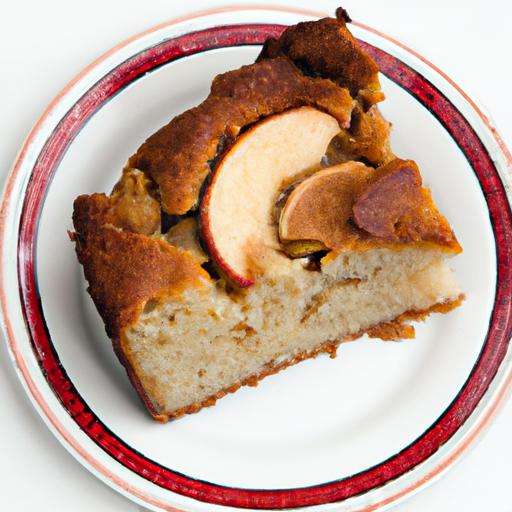

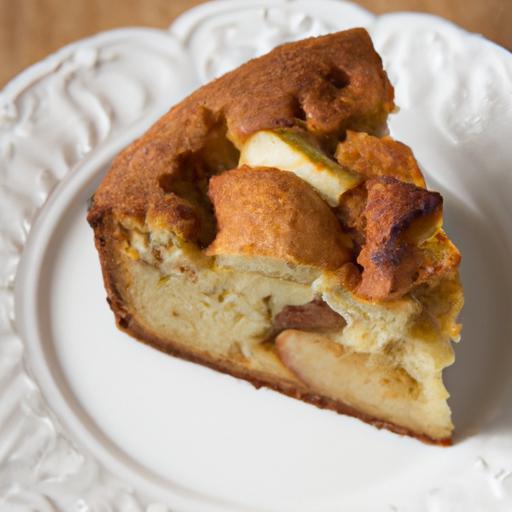
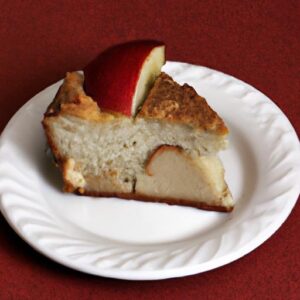
There’s something undeniably enchanting about a slice of German apple cake-its tender crumb, fragrant cinnamon, and the subtle tartness of fresh apples weaving together like a nostalgic melody. More than just a dessert, this humble cake carries with it centuries of tradition, family gatherings, and regional pride. From rustic Bavarian kitchens to vibrant urban cafés, the timeless charm of German apple cake continues to captivate palates and hearts alike. In this article, we’ll explore the rich history, regional variations, and enduring appeal of this sweet tradition that has become a beloved staple both in Germany and beyond.
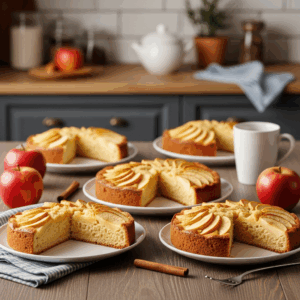
Origins and Cultural Significance of German apple Cake
German apple cake holds a cherished place in Germany’s culinary heritage, embodying the cozy spirit of autumn harvests and family gatherings. Rooted deep in centuries of tradition, this delightful dessert has transcended time and borders, becoming a symbol of warmth and nostalgia. The German apple cake often intertwines with folklore and regional festivities, where apple orchards flourish and generations pass down beloved recipes. In many German households, baking this cake signals the start of apple season and invites friendly conversation over steaming coffee cups.
historically, apples symbolize modest abundance and the sweet simplicity of rural life. The cake’s rustic appeal lies in its use of pantry staples: freshly picked apples, buttery dough, and a hint of cinnamon. this unpretentious yet elegant dessert showcases the artistry of German baking, where texture and balance reign supreme.
Key Ingredients and Customary Readiness Techniques
The core of any authentic German apple cake is its harmony of flavors and textures. Central to the recipe are:
- Fresh tart apples: Varieties like Boskop or Cox’s Orange Pippin are prized for their crispness and balanced acidity.
- Buttery shortcrust or yeast dough: Many traditional recipes use a rich base that crisps during baking, creating a perfect counterpoint to juicy apples.
- Cinnamon and sugar: Warm spices elevate the natural sweetness and add inviting aromas.
- Ground almonds or hazelnuts: Sometimes incorporated into the base or streusel topping, offering a subtle nutty depth.
- Eggs and butter: Essential for binding and richness,contributing to the cake’s tender crumb.
Baking techniques involve meticulously peeling, coring, and slicing apples by hand, frequently enough layering them atop the doughbase. The cake is then crowned with either a streusel topping or sometimes a custard glaze that seeps into the fruit during baking. Temperature control is key-moderate oven heat allows apples to soften without turning mushy, while the crust crisps to golden perfection.
variations Across German Regions and Modern Twists
The beauty of this classic lies in its versatile interpretations across Germany’s diverse regions. As a notable example, in Saxony, the German apple cake frequently features a yeast dough base topped with a custardy egg mixture and sliced apples, producing a luscious, pudding-like texture.
Down in Bavaria, the cake frequently enough embraces a streusel topping-crumbly, sweet, and buttery-that adds a crunchy contrast. Meanwhile, the Rhineland favors adding ground nuts or even layering thinly sliced apples in a spiral pattern for visual elegance.
Modern home cooks and professional bakers alike have embraced creative twists: infusing the cake with fresh lemon zest for brightness, adding rum-soaked raisins for depth, or glazing with apricot jam post-baking to impart a glossy finish. Vegan and gluten-free adaptations have also surged in popularity, employing almond flour and coconut oil while maintaining the cake’s iconic flavors.
Serving Suggestions and Pairing Recommendations for the Perfect Experience
The ritual of enjoying German apple cake is as vital as its baking. Serve it slightly warm, right from the oven, to awaken its inviting aromas. A dusting of powdered sugar or a light cinnamon sprinkle adds visual charm and a delicate hint of sweetness.
Accompanying this cake with a generous dollop of freshly whipped cream or a scoop of vanilla ice cream creates a luxurious contrast to its subtle tartness. For a elegant touch, drizzle a bit of warm caramel sauce or spiced apple compote.
Beverages play a vital supporting role-the cake pairs beautifully with strong, dark-roasted coffee or a mildly spiced chai tea, balancing sweetness with rich, robust notes. For gatherings, a crisp Riesling or a glass of apple cider (either sparkling or still) amplifies the apple theme and refreshes the palate.
Prep and Cook Time
- Preparation: 25 minutes
- Cooking: 45 minutes
- total Time: 1 hour 10 minutes
Yield
Serves 8 generous slices
Difficulty Level
medium – suitable for bakers agreeable with working dough and layering fruit
Ingredients
- 2 ½ cups (300g) all-purpose flour, sifted
- 1 tsp baking powder
- ½ tsp salt
- ¾ cup (170g) unsalted butter, cold and cubed
- 1 cup (200g) granulated sugar, divided
- 2 large eggs
- 1 tsp pure vanilla extract
- 4 large tart apples (Boskop or Granny Smith), peeled, cored, and sliced thinly
- 2 tsp ground cinnamon
- ½ cup (50g) ground almonds or hazelnuts (optional)
- 1 tbsp fresh lemon juice
- Powdered sugar, for dusting
Instructions
- Prepare the dough: in a large bowl, whisk together the flour, baking powder, salt, and half of the granulated sugar. Cut in the cold butter with a pastry cutter or your fingertips until the mixture resembles coarse crumbs.
- Add eggs and vanilla: In a small bowl, beat the eggs with vanilla extract, then stir into the flour mixture until just combined. wrap the dough in plastic wrap and chill for 30 minutes.
- Prepare the apples: Toss the sliced apples immediately with lemon juice, remaining sugar, and ground cinnamon to prevent browning and enhance flavor.
- Assemble the cake: Preheat the oven to 350°F (175°C). Grease and flour a 9-inch springform pan. Roll out two-thirds of the dough on a floured surface and transfer it to the pan, pressing gently to form an even base.
- Add almond layer (optional): Sprinkle ground almonds evenly over the dough base for a moist texture and nutty aroma.
- Arrange apples: Layer the apple slices in concentric circles over the almond layer or directly onto the dough, overlapping slightly. Press gently to compact.
- Top with remaining dough: Roll out the rest of the dough and cut into strips to create a lattice, or crumble it to form a streusel topping.
- Bake: Place the cake in the oven and bake for 40-45 minutes until the crust is golden and the apples are tender. If the topping browns too quickly, cover loosely with foil.
- Cool and finish: Remove from oven and cool in the pan for 15 minutes,then transfer to a wire rack. Dust with powdered sugar before serving.
Chef’s Notes
- For extra moisture, add a tablespoon of sour cream or yogurt to the dough.
- Substitute nuts with chopped walnuts or omit for a nut-free version.
- To make ahead,bake the cake and reheat gently with a damp towel over it to restore softness.
- Use a mix of tart and sweet apples for balanced flavor complexity.
- Experiment with a splash of calvados or apple brandy in the apple mixture for added warmth and depth.
Serving Suggestions
Serve slightly warm with a side of lightly sweetened whipped cream or a scoop of vanilla bean ice cream. Garnish with a sprinkle of freshly chopped toasted nuts or a drizzle of homemade caramel sauce to elevate textural contrast and flavor nuances. Pair the dessert with a shot of traditional German coffee or an aromatic apple cider to complete this classic experience.
| Nutrient | Per Serving |
|---|---|
| Calories | 320 |
| Protein | 5g |
| carbohydrates | 45g |
| Fat | 14g |
Explore more comforting baked delights in our Classic German Desserts collection. For an in-depth history of apples in European cuisine, visit Britannica’s Apple Fruit Overview.
Q&A
Q&A: The Timeless Charm of German Apple Cake: A sweet Tradition
Q1: What makes German apple cake distinct from other apple desserts?
A: German apple cake, or Apfelkuchen, stands out thru its rustic simplicity and balance of flavors. Unlike overly sweet or heavily spiced apple treats, this cake often features a tender, buttery crust topped with thinly sliced apples that retain a natural tartness.The gentle sprinkle of cinnamon and sugar enhances the fruit’s flavor without overpowering it, creating a harmonious blend that feels both homey and elegant.
Q2: Where did the tradition of German apple cake originate?
A: The tradition dates back centuries across various German regions, particularly in areas abundant with apple orchards like the Rhineland and Bavaria.Apples were a staple fruit, and baking them into cakes was a practical way to preserve the harvest. over time, these humble cakes became emblematic of autumn gatherings and family celebrations, cementing their status as a beloved comfort food.
Q3: are there regional variations of German apple cake?
A: Absolutely! While the core idea is simple, variations abound. Some regions favor a dense yeast dough base, creating a fluffier texture, while others prefer a crumbly shortcrust pastry. Toppings might include streusel (a buttery crumb topping), a dusting of powdered sugar, or a thin glaze made from apricot jam. These regional twists add layers of past and cultural richness to the cake’s legacy.
Q4: Why does German apple cake remain popular in modern times?
A: Its enduring appeal lies in its nostalgia and adaptability. German apple cake connects peopel to centuries of baking heritage, evoking memories of cozy kitchens and family warmth. At the same time, its straightforward recipe invites creativity-from incorporating nuts and raisins to experimenting with different apple varieties-making it a cake that evolves while honoring tradition.
Q5: How can someone make a traditional German apple cake at home?
A: To capture the authentic experience, start with a simple buttery crust or a yeast-based dough, then layer thinly sliced tart apples evenly on top. Sprinkle with a mix of sugar and cinnamon, and optionally add a crumbly streusel topping for texture. Bake until the apples are tender and the crust golden brown. Serve it slightly warm, perhaps with a dollop of whipped cream or a scoop of vanilla ice cream, to fully enjoy its comforting charm.
Q6: What cultural significance does apple cake hold in Germany today?
A: Beyond being a delicious dessert, German apple cake symbolizes seasonal celebration and familial connection. It often appears on tables during harvest festivals, Sunday afternoon coffee rituals (Kaffee und Kuchen), and holiday gatherings. Sharing a slice is an act of tradition, a sweet bridge linking past and present generations.
Q7: Can German apple cake inspire modern dessert creations?
A: Certainly! The cake’s simplicity and balanced flavor profile make it a perfect canvas for innovation. Chefs and home bakers alike can infuse it with new ingredients-like caramelized nuts, exotic spices, or modern presentation styles-while preserving the essence of its time-honored roots. It’s a delicious dialog between heritage and creativity.
Concluding Remarks
As the last crumbs of German apple cake vanish from the plate, what remains is more than just a fleeting sweetness-it’s a slice of history, culture, and heartfelt tradition baked into every tender bite. This beloved dessert, with its simple ingredients and comforting flavors, continues to bridge generations and borders, reminding us that sometimes, the most timeless pleasures are found in the humblest of recipes.
Whether enjoyed with a cup of coffee on a rainy afternoon or shared among family at a festive gathering, German apple cake remains a delicious testament to the enduring magic of home baking. In savoring this classic treat, we partake in a legacy that’s as rich and inviting as the cake itself-a true celebration of heritage wrapped in the warmth of apples and spice.