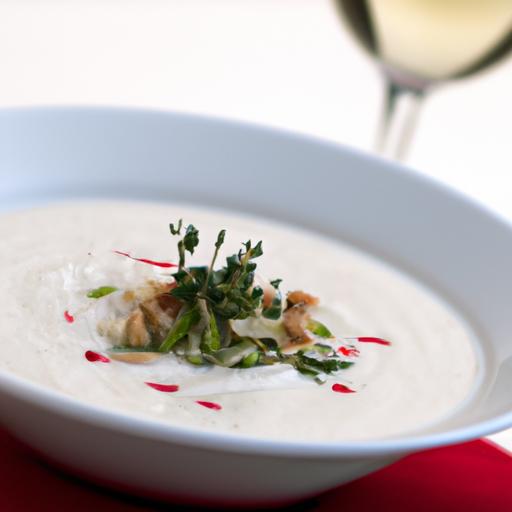

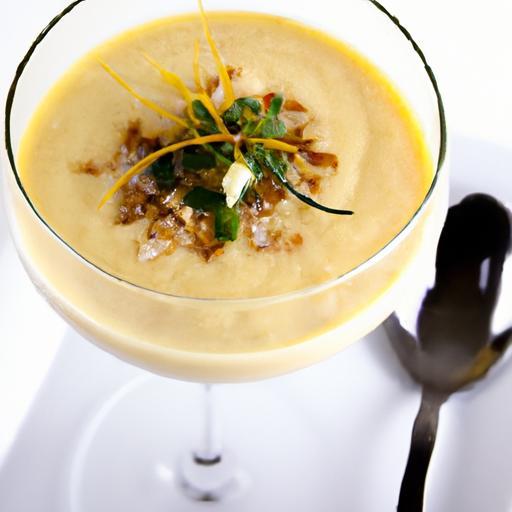
Nestled within the sun-drenched landscapes of southern Spain lies a culinary gem that dances delicately on the palate-Ajo Blanco. Frequently enough overshadowed by its vibrant, tomato-rich cousin, traditional gazpacho, Ajo Blanco offers a refreshing twist with its silky, almond-infused embrace. this creamy cold soup, steeped in history and brimming with subtle nuances, invites food lovers to explore a timeless Andalusian delight that marries simplicity with sophistication. join us as we unveil the secrets behind Ajo Blanco, unraveling its origins, ingredients, and the cultural tapestry that makes this almond gazpacho an enduring symbol of Spain’s gastronomic heritage.
Origins and Cultural Meaning of Ajo Blanco in Spanish Cuisine
Ajo Blanco, a refreshing almond gazpacho originating from the southern region of Andalusia, is a culinary gem steeped in history and tradition. This cold soup, celebrated for its creamy texture and subtle garlic undertones, has been enjoyed by locals sense Roman times, evolving from humble peasant fare into an emblem of Spanish summer cuisine. Its distinctive blend of blanched almonds, garlic, and bread reflects centuries of Mediterranean influence, embodying the essence of resourcefulness and simplicity that defines traditional Andalusian cooking.
The dish’s cultural significance extends beyond nourishment; it symbolizes seasonal rhythms and local identity, served at family gatherings and festive occasions to showcase the bounty of local almonds and olive oil. Ajo Blanco remains a delicious reminder of Spain’s rich culinary heritage and the art of transforming everyday ingredients into a complex, palate-pleasing masterpiece.
Crafting the Perfect Ajo Blanco: Essential Ingredients and Preparation Tips
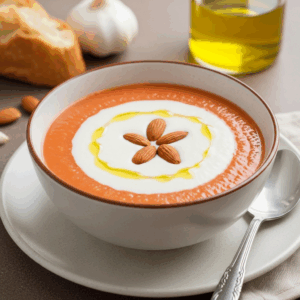
Mastering Ajo Blanco relies on the quality of its core ingredients and mindful preparation. The star players in this recipe are raw blanched almonds, fresh garlic cloves, day-old white bread, and a good cold-pressed extra virgin olive oil. The balance between creamy almonds and radiant acidity from sherry vinegar makes all the difference.
Prep and Cook Time: 15 minutes prep, no-cook (chilling recommended 2 hours)
Yield: Serves 4 as a starter or light meal
Difficulty Level: Easy
- 1 cup raw blanched almonds
- 2 cloves garlic, peeled
- 2 cups day-old white bread, crusts removed and torn into pieces
- 4 cups cold water
- 1/4 cup good quality extra virgin olive oil
- 2 tbsp sherry vinegar (adjust to taste)
- 1 tsp fine sea salt
- Optional: peeled cucumber slices or grapes for garnish
- Soak the almonds: Place the raw almonds in a bowl and cover with water for 1 hour to soften slightly-this step ensures a smoother blend.
- Prepare the bread: Soak the torn white bread in cold water until softened, about 10 minutes. Squeeze out excess water gently afterward.
- Blend the base: In a food processor, combine the soaked almonds, garlic cloves, soaked bread, and sea salt. Pulse until the mixture starts to form a coarse paste.
- Stream in liquids: With the processor running, slowly add the cold water and then the olive oil, creating a smooth, creamy consistency. The mixture should be silky but not too thick-adjust water quantity as needed.
- Season with vinegar: Add sherry vinegar gradually, tasting as you go to balance the subtle tartness with the nutty richness.
- Chill: Transfer the Ajo Blanco to a bowl, cover, and refrigerate for at least 2 hours to develop flavors and serve well-chilled.
Tips for Success
- Use fresh garlic but avoid overshadowing the almonds; reducing to one clove can make it milder.
- Day-old bread holds the texture better and prevents sogginess; fresh bread can work but use sparingly.
- Slow, steady blending allows olive oil to emulsify and gives that luxurious mouthfeel.
- For an ultra-smooth finish, strain the soup through a fine sieve before chilling.
- Make Ajo Blanco a day ahead-the flavors deepen and meld beautifully overnight.
Exploring flavor Variations and regional Twists on Traditional Ajo Blanco
Ajo Blanco, while rooted in Andalusia, inspires myriad creative variations throughout Spain. Some regions incorporate peeled grapes or melons as a refreshing garnish or blend for a subtle fruity contrast. Others experiment with different vinegars like balsamic or apple cider to shift flavor profiles.
Traditional recipes sometimes swap the almonds for hazelnuts or pine nuts for nuanced earthiness. In coastal areas, a drizzle of cold shrimp broth or a sprinkling of fresh sea salt introduces a delightful umami layer. For a twist on the classic, roasted garlic can replace raw for a sweeter, smoky background note.
Vegetable-forward adaptations may include cucumber or green apple, adding layers of crispness. No matter the variation, the cornerstone remains the harmonious balance of creaminess, garlic warmth, and acidity that defines this classic almond gazpacho.
Serving Suggestions and Pairings to elevate Your Ajo Blanco Experience
the best way to enjoy Ajo Blanco is chilled in a clear glass or white bowl to showcase its pale, snowy color-a feast for the eyes as well as the palate. Traditional garnishes include vibrant green grapes, thinly sliced cucumber, and a drizzle of extra virgin olive oil to add contrast and freshness.
For added texture, consider toasted pine nuts or slivers of serrano ham atop for a salty crunch. A small side of freshly baked rustic bread or lightly fried garlic croutons complements the creamy texture perfectly.
This soup pairs wonderfully with light Spanish wines like a crisp Albariño or a chilled Verdejo, enhancing its bright and nutty flavors. For a complete meal, serve Ajo Blanco as a starter alongside seafood tapas such as grilled octopus or marinated anchovies.

| Nutrition | Per Serving |
|---|---|
| Calories | 180 kcal |
| Protein | 6 g |
| carbohydrates | 12 g |
| Fat | 14 g |
For those intrigued by Spanish cuisine’s diverse cold soups, explore our thorough gazpacho guide for more inspiration. Dive deeper into culinary history with trusted sources like Spanish Sabores to broaden your understanding of Andalusian specialties.
Q&A
Q&A: Ajo Blanco Unveiled – Spain’s Creamy almond Gazpacho Delight
Q1: What is Ajo Blanco?
Ajo Blanco is a traditional Spanish cold soup hailing from Andalusia, often described as a creamy and refreshing almond gazpacho. Unlike its famous red tomato-based cousin, this soup features a silky blend of blanched almonds, garlic, bread, olive oil, vinegar, and water, resulting in a uniquely nutty and tangy flavor.
Q2: How did Ajo Blanco get its name?
The name ”Ajo Blanco” literally translates to “white garlic.” This highlights two of its main ingredients: garlic, which adds a subtle kick, and the soup’s signature pale color, derived from almonds and bread rather than the red tomatoes typical of other gazpachos.
Q3: What makes Ajo Blanco different from traditional gazpacho?
While traditional gazpacho centers around ripe tomatoes and a medley of fresh vegetables, Ajo Blanco’s creamy texture and distinct almond flavor make it stand apart. It’s more of a nutty, velvety chill with a gentle garlic undertone, frequently enough served with grapes or melon to add bursts of sweetness.
Q4: When is Ajo Blanco typically enjoyed?
This soup is a summer staple in southern Spain, where its cool, nourishing qualities offer welcome relief from the scorching heat. Served chilled, Ajo Blanco is perfect for light lunches, appetizers, or as an elegant starter at festive occasions.
Q5: Can Ajo Blanco be easily made at home?
Absolutely! With just a handful of simple ingredients-soaked almonds, garlic, rustic bread, olive oil, sherry vinegar, and cold water-you can whip up this classic Spanish delight. The key is to blend ingredients until velvety smooth, then chill thoroughly for refreshing results.
Q6: Are there variations of Ajo Blanco?
Yes! while the traditional recipe is fairly consistent, some versions swap or add ingredients like cucumbers, herbs, or different fruits as garnishes. Some modern chefs also experiment with adding a bit of cream or yogurt to boost the soup’s richness.
Q7: What dishes or drinks pair well with Ajo Blanco?
Ajo Blanco pairs wonderfully with fresh seafood, light salads, and crusty bread. For drinks, a crisp Spanish white wine like Albariño or a chilled glass of fino sherry complements its flavors beautifully.
Q8: Why should food lovers try Ajo Blanco?
Trying Ajo Blanco is like tasting a hidden gem of Spanish cuisine that brings together simplicity, history, and a burst of Mediterranean sunshine in every spoonful. It’s a refreshing departure from typical gazpachos and a testament to the bold yet delicate flavors that define andalusian cooking.
To Wrap It Up
As we wrap up our journey into the world of Ajo Blanco, it’s clear this creamy almond gazpacho is much more than just a refreshing dish-it’s a flavorful testament to Spain’s rich culinary heritage. With its delicate balance of toasted almonds, garlic, and fresh bread, gently blended into velvety perfection, Ajo Blanco invites us to savor simplicity elevated to an art form. Whether served as a chilled starter on a warm summer’s day or as a comforting spoonful of history, this Andalusian treasure continues to delight palates and inspire chefs worldwide. So next time you seek a taste that whispers of Spain’s sun-kissed traditions, let Ajo Blanco unveil its creamy charm and transport you to the heart of Mediterranean flavor.