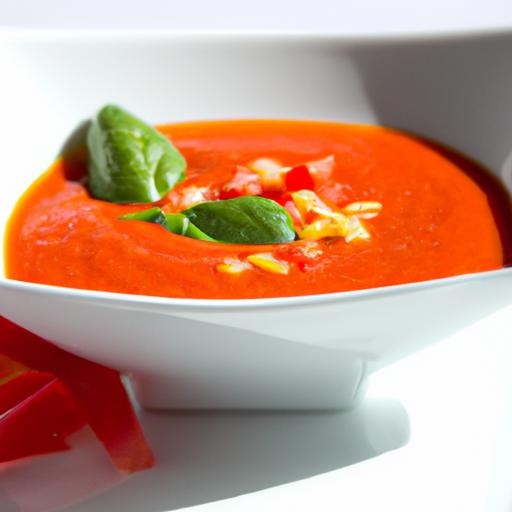

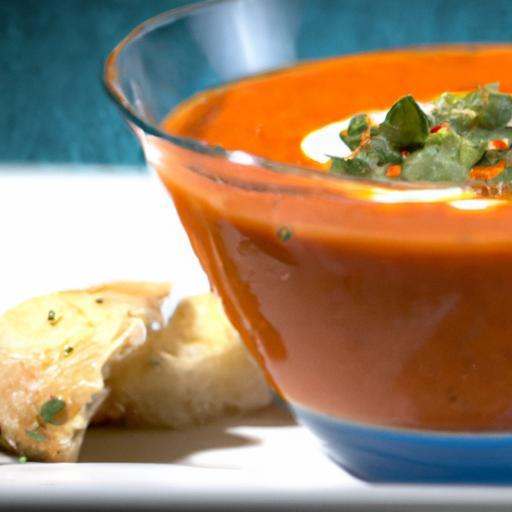
Beneath the sun-drenched skies of southern Spain lies a culinary gem that has been delighting palates for centuries: gazpacho. This vibrant, chilled tomato soup is far more than just a refreshing antidote to the sweltering heat-it’s a flavorful tapestry woven from the rich heritage, sun-ripened produce, adn time-honored traditions of Andalusia. In “Gazpacho Unveiled: Spain’s Refreshing Tomato Cold Soup,” we dive into the origins, ingredients, and cultural significance of this iconic dish, exploring how it captures the essence of Spanish summer in every cool, crimson spoonful. Whether you’re a seasoned food lover or new to Mediterranean flavors, join us as we uncover the secrets behind gazpacho’s enduring popularity and discover why it remains Spain’s ultimate taste of refreshment.
Gazpacho is more than just a chilled tomato soup-it’s a vibrant symbol of Spain’s southern heritage, embodying the essence of mediterranean summer in every refreshing spoonful. Originating from Andalusia, this cold soup was traditionally a humble meal for farmers, crafted from ripe vegetables harvested under the blazing sun.Its cool and tangy profile provided much-needed relief from the heat, and over centuries, it evolved into a celebrated culinary icon known and loved worldwide. Embracing the freshest ingredients and simple techniques, gazpacho invites you to experience Spanish culture through its brilliant colors, bold flavors, and cultural significance.
Prep and Cook Time
- Preparation: 20 minutes
- Chilling: 2 hours minimum
- Total Time: Approximately 2 hours 20 minutes
Yield
- serves 4 to 6 generously
Difficulty Level
- Easy – perfect for all skill levels
Key Ingredients that Define Authentic Gazpacho
- 6 large ripe tomatoes, roughly chopped (preferably plum or vine-ripened)
- 1 medium cucumber, peeled, seeded, and diced
- 1 small red bell pepper, seeded and chopped
- 1 small red onion, peeled and chopped
- 2 cloves garlic, minced
- 3 tablespoons extra virgin olive oil
- 2 tablespoons red wine vinegar (sherry vinegar for authentic touch)
- 1 teaspoon sea salt
- 1 cup cold water
- Freshly ground black pepper, to taste
Step-by-Step Guide to crafting the Perfect Chilled Tomato Soup
- Prepare your vegetables: Wash, peel, and chop tomatoes, cucumber, bell pepper, and onion into rough chunks to ensure an effortless blend later on.
- Blend the base: In a high-speed blender, combine tomatoes, cucumber, red bell pepper, red onion, and garlic. Pulse until smooth but still retaining a touch of texture. If you desire a silkier soup, blend for longer until creamy.
- Season and emulsify: Add olive oil, red wine vinegar, salt, and a pinch of black pepper to the mixture. Pulse briefly to combine the dressing evenly throughout the soup, creating a beautiful emulsion.
- Adjust consistency: Stir in 1 cup of cold water gradually to reach your preferred consistency – some like it thick, others a bit lighter.
- chill thoroughly: Transfer gazpacho to a covered container and refrigerate for at least 2 hours. Chilling deepens the flavors and makes the experience luxuriously refreshing.
- final taste check: Before serving,taste and adjust salt,vinegar,or oil accordingly.
Tips for Success
- Use the freshest, ripest tomatoes you can find; their natural sweetness defines the soup’s flavor.
- Peeling your tomatoes is optional but results in a smoother, less bitter soup.
- Balance acidity: If your tomatoes are very sweet, add a little more vinegar; for tangier options, reduce slightly.
- For added texture, reserve some diced cucumber and bell pepper to sprinkle atop on serving.
- Gazpacho can be made a day ahead, allowing the flavors to deepen beautifully.
- For a smoky twist, try adding a pinch of smoked paprika or a dash of hot sauce.
Creative Twists and Serving Suggestions to Elevate Your Gazpacho Experience
While gazpacho is a star on its own, there are many ways to tailor it to your personal taste or occasion. Garnish with vibrant chopped herbs like basil, cilantro, or parsley, or sprinkle with crunchy toasted almonds or artisan croutons for texture contrast. Drizzle a few drops of sherry vinegar or a flavorful roasted red pepper oil on top for added depth. Pair your gazpacho with crusty Spanish bread like pan con tomate,freshly sliced jamón ibérico,or grilled shrimp for a more festive spread.
For something unexpected, blend in a fresh avocado for creaminess or add diced watermelon for a subtle sweetness.Serve gazpacho in individual glasses for elegant entertaining or as a refreshing starter at your next summer gathering.

| Nutrient | Per Serving |
|---|---|
| Calories | 120 |
| Protein | 3g |
| Carbohydrates | 10g |
| Fat | 7g |
Learn more about authentic Spanish dishes and elevate your culinary repertoire with our detailed Andalusian Cuisine Guide. For in-depth history and cultural insights, visit the Spain Tourism official gastronomy page.
Q&A
Q&A: Gazpacho Unveiled – Spain’s Refreshing Tomato Cold Soup
Q1: What exactly is gazpacho?
A1: Gazpacho is a vibrant, cold tomato-based soup that hails from the sun-soaked regions of Andalusia in southern Spain.Think of it as a chilled garden in a bowl-brimming with ripe tomatoes, crisp cucumbers, bell peppers, garlic, olive oil, vinegar, and rustic bread. It’s a refreshing culinary breeze, perfect for hot summer days.
Q2: How did gazpacho originate?
A2: Gazpacho’s roots dig deep into history, intertwining the culinary traditions of the Romans, Moors, and Spaniards. Originally,it was a humble peasant dish composed mainly of stale bread,olive oil,vinegar,garlic,and water. Over centuries, the introduction of tomatoes and peppers from the New World transformed it into the shining, flavorful soup we certainly know today.
Q3: What makes gazpacho stand out from other tomato soups?
A3: Unlike the heart-warming, piping hot tomato soups commonly found worldwide, gazpacho flips the script-it’s served cold, turning the concept on its head. Its raw, uncooked ingredients preserve the natural freshness and tang of tomatoes and vegetables, offering a crisp, zesty burst rather than a rich, creamy blend.
Q4: Are there different varieties of gazpacho?
A4: Absolutely! While the classic tomato gazpacho reigns supreme, variations abound. Salmorejo, for instance, is a thicker, creamier cousin boasting more bread and fewer veggies. Then there’s ajo blanco, a white gazpacho made from almonds, garlic, and bread. Each variation tells a slightly different story from Spain’s diverse culinary landscape.Q5: How is gazpacho traditionally served?
A5: Traditionally, gazpacho is served chilled in a bowl or glass, frequently enough garnished with diced vegetables like cucumber and red pepper, hard-boiled egg, or thin strips of ham. In Spain, it’s common to enjoy it as a first course in a multi-course meal or as a refreshing snack beneath the blazing sun.
Q6: Can gazpacho be adapted to modern dietary needs?
A6: Definately! Gazpacho is naturally vegan, gluten-free (if you omit the bread or use gluten-free bread), and packed with vitamins and antioxidants. It’s super adaptable-add avocado for creaminess, spice it up with chili, or blend in herbs like basil or cilantro. It’s a nutritious, guilt-free treat that keeps on giving.
Q7: What’s the secret to making the perfect gazpacho at home?
A7: The secret lies in the quality of ingredients and balance of flavors. Use the ripest tomatoes you can find, extra virgin olive oil for richness, and sherry vinegar for a subtle tang. Blend until silky smooth but resist over-processing-you want a bit of texture! Chill it well and let the flavors mingle for a few hours before serving to unlock gazpacho’s full refreshing magic.
Q8: Why is gazpacho still relevant in today’s global cuisine?
A8: Gazpacho’s appeal transcends its regional roots. In a world craving fresh, healthy, and convenient food, it shines as a no-cook, nutrient-packed, revitalizing dish.Its bright flavors and cooling nature make it perfect not only for summer but as a bold expression of Mediterranean simplicity and flair in contemporary kitchens worldwide.
In retrospect
As the sun sets over the vibrant plazas of Spain,gazpacho remains a timeless emblem of the country’s culinary soul-cool,colorful,and brimming with freshness. More than just a chilled tomato soup, gazpacho tells a story of tradition, community, and the art of making the simplest ingredients sing. Whether sipped on a hot summer’s day or embraced as a flavorful appetizer, this refreshing dish invites you to experience a taste of Spain’s rich heritage, one cold spoonful at a time. So next time the heat beckons, remember: gazpacho isn’t just food-it’s a cool embrace from the heart of Andalusia.