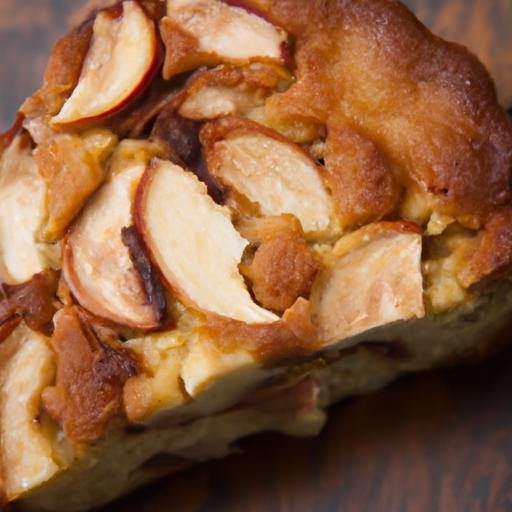

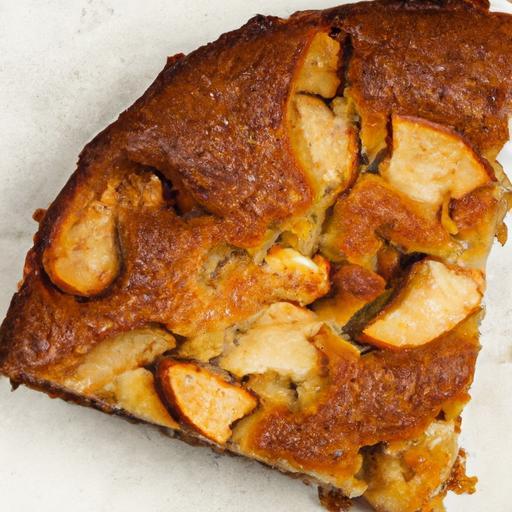
Few desserts capture the essence of home quite like German apple cake-a culinary treasure that weaves together simplicity, warmth, and nostalgia in every bite. With its tender crumb, fragrant apples, and just the right hint of cinnamon, this cake is more then just a sweet treat; itS a appetizing tradition that has stood the test of time. From cozy family gatherings to festive celebrations,German apple cake invites us to savor not only its flavors but also the stories and heritage baked deep into its layers.Join us as we explore the enduring appeal of this timeless dessert and uncover why it continues to hold a special place in kitchens and hearts around the world.
The German Apple Cake is a cherished classic that carries a rich heritage and a comforting aroma that instantly transports you to cozy, sunlit country kitchens. With its moist crumb and tender apple topping, this dessert offers a sweet glimpse into German baking traditions, celebrated across generations and regions. Embracing the art of simplicity with layers of texture and fragrance, it’s no wonder that this cake embodies the timeless charm of german apple cake.
Prep and Cook Time
- Preparation: 20 minutes
- Cooking: 45 minutes
- Total Time: 1 hour 5 minutes
Yield
Serves 8-10 slices
difficulty level
Easy to Medium – perfect for bakers of all levels
Ingredients
- 1 ½ cups all-purpose flour, sifted
- 1 tsp baking powder
- ½ tsp salt
- ¾ cup granulated sugar
- 1/3 cup unsalted butter, softened
- 2 large eggs, room temperature
- 2 tbsp whole milk
- 1 tsp vanilla extract
- 3 medium tart apples (e.g., Granny smith or Braeburn), peeled, cored, and thinly sliced
- 2 tbsp granulated sugar (for topping)
- 1 tsp ground cinnamon
- Juice of ½ lemon
- Optional: powdered sugar for dusting
Instructions
- Preheat your oven to 350°F (175°C). Grease and flour a 9-inch springform pan or line with parchment paper for easy removal.
- Prepare the apples: In a medium bowl, toss the sliced apples with lemon juice, 2 tablespoons of sugar, and cinnamon. This brightens the flavor and prevents browning.
- Mix dry ingredients: In a separate bowl, whisk together the sifted flour, baking powder, and salt.
- cream butter and sugar: Using a stand mixer or hand mixer, beat the softened butter with the sugar until fluffy and pale, about 3-4 minutes.This creates a light base for a moist, tender crumb.
- add eggs and vanilla: Beat in the eggs one at a time, ensuring each is fully incorporated before adding the next. Stir in the vanilla extract and milk for a smooth batter.
- Combine wet and dry: Gradually fold the flour mixture into the wet ingredients until just combined.Avoid overmixing to maintain a soft texture.
- Pour batter: Spread the batter evenly into the prepared pan.
- Layer apples: Arrange the apple slices neatly over the batter, slightly pressing them in to anchor their position while baking.
- Sprinkle topping: Dust additional sugar and cinnamon over the apples for a beautifully caramelized crust.
- Bake: Place in the oven and bake for 40-45 minutes or until the cake is golden and a skewer inserted into the center comes out clean. The apples should soften and settle into the cake.
- Cool and serve: Allow the cake to cool in the pan for 15 minutes before removing. Dust with powdered sugar if desired.
Tips for Baking the Perfect Moist and Fluffy Apple Cake
- Choose tart apples such as Granny Smith or Braeburn to balance the cake’s sweetness and keep slices firm during baking.
- Room temperature ingredients ensure a smooth,even batter and better rise.
- Don’t overmix the batter; gentle folding preserves air bubbles that make the texture light.
- Press apples lightly into the batter to prevent them from sliding off as the cake bakes.
- Experiment with toppings like chopped nuts or a streusel for extra crunch and flavor variation.
- Make ahead: This cake tastes delightful the next day; store it covered at room temperature for up to 2 days.
exploring regional Variations and Unique Recipe Twists
While the core of German apple cake remains universally beloved, regional interpretations offer exciting twists. As an example, in Southern Germany, the addition of sour cream or quark into the batter enriches moisture and tang. Northern recipes might incorporate marzipan slices layered beneath the apples, infusing an almond sweetness. Some variations call for a traditional streusel topping to add a crumbly texture that contrasts with the tender cake beneath. For a seasonal flair, bursts of cardamom or nutmeg elevate the spices without overpowering the fresh apple essence. These adaptations highlight how the timeless charm of German apple cake can be customized to reflect local tastes and family traditions.
Origins and Cultural Significance of German Apple Cake
Rooted in the heart of German culinary history, this apple cake embodies the essence of home and harvest celebration. Apples have long been a staple fruit in German orchards, symbolizing abundance and simplicity. The cake itself is often baked for family gatherings, autumn festivals, and Sunday coffee rituals-known as Kaffee und Kuchen-where sharing sweet treats strengthens bonds and honors tradition. Its rustic elegance, combining buttery dough with fragrant fruit, echoes centuries of nourishment passed down through generations. This cake is not only a dessert but a cultural artifact embodying warmth,hospitality,and seasonal bounty.
Key Ingredients and Techniques That define Authentic Flavor
The authenticity of German apple cake hinges on selecting high-quality, complementary ingredients and applying classic baking techniques. Using a balanced ratio of tart apples to sweet batter creates a harmonious flavor profile. Incorporating fresh lemon juice brightens the apples, while cinnamon rounds out the warm spice notes typical in german desserts. The creaming method for butter and sugar aerates the batter, ensuring a moist but fluffy texture. Baking at a moderate temperature allows for gentle cooking, preserving the apples’ integrity without drying out the crumb. Each step respects tradition while inviting personal touches, capturing the essence of the timeless charm of German apple cake.
Serving Suggestions
- Serve slightly warm or at room temperature for best flavor and texture
- Add a dollop of freshly whipped cream or a scoop of vanilla ice cream for indulgence
- garnish with a light dusting of powdered sugar and a sprig of fresh mint or cinnamon stick for visual appeal
- Pair with a cup of rich black coffee or a traditional German tea
| Nutritional Info (per serving) | Calories | Protein | Carbs | Fat |
|---|---|---|---|---|
| German Apple Cake | 280 kcal | 4 g | 45 g | 8 g |

for more traditional German desserts,check out our Classic German Desserts Collection. Discover the rich history and scrumptious recipes that define German baking culture.
Learn more about the cultural history of apples in Germany at German Foods.org.
Q&A
Q&A: The Timeless Charm of German Apple Cake: A Delicious Tradition
Q: What makes german apple cake so special compared to other apple desserts?
A: German apple cake isn’t just a dessert-it’s a heartfelt tradition steeped in simplicity and nostalgia. Unlike American apple pies packed with heavy spices and thick fillings, German apple cake celebrates the natural sweetness and tartness of fresh apples, balanced with a tender crumb or buttery shortcrust. Its charm lies in the rustic elegance: thinly sliced apples arranged like delicate petals atop a soft cake base, often sprinkled with cinnamon and sugar, creating a harmonious blend of textures and flavors.
Q: Where did German apple cake originate?
A: While apple desserts have been enjoyed across Europe for centuries, German apple cake, or ”Apfelkuchen,” has roots in the country’s rich baking culture that dates back to the Middle Ages. Apples have long been a staple fruit in Germany, thriving in its temperate climate. Over generations, home bakers perfected this cake as a seasonal favorite, turning the humble apple into a centerpiece for family gatherings, Sunday coffees, and festive occasions. every region of Germany showcases its own charming variations, making the cake a delicious symbol of regional pride.
Q: What varieties of apples are traditionally used in German apple cake?
A: Germans frequently enough favor tart and crisp apples such as Boskoop, Elstar, or Braeburn-varieties that hold their shape well during baking and offer a lovely balance between sweet and tangy. These apples lend a fresh brightness to the cake, preventing it from becoming overly sweet or mushy. Some recipes also combine several apple types to layer flavors and textures, enhancing that delightful mouthfeel which defines an authentic Apfelkuchen.
Q: How has German apple cake evolved over time?
A: While the essence of German apple cake remains timeless, modern bakers have infused new life into tradition by experimenting with ingredients and techniques. Some add almonds or hazelnuts for a nutty crunch, drizzle caramel or honey for extra richness, or incorporate a dollop of quark (a fresh cheese) into the batter for moistness. Yet, despite these creative touches, the cake’s heart stays rooted in its simplicity-fresh apples, cinnamon, sugar, and a soft, buttery crust.
Q: Why does German apple cake continue to resonate with so many people today?
A: In today’s fast-paced world, German apple cake offers a comforting link to the past and a reminder to savor simple pleasures.Each bite carries stories of family kitchens where recipes were handed down like treasured heirlooms. Its warm,inviting aroma pulls people together around the table,inspiring moments of connection and joy. Whether enjoyed with a cup of strong coffee or a dollop of whipped cream, German apple cake remains an enduring symbol of hospitality and home-baked love.Q: Can you share a tip for baking the perfect German apple cake at home?
A: Absolutely! One secret to achieving that iconic Apfelkuchen texture is to lightly toss your apple slices in lemon juice before layering them on the batter-this prevents browning and adds subtle brightness. Also, don’t skimp on the butter; a rich, buttery crust or batter is key to balancing the apples’ tartness. Bake it just until the apples soften but still hold shape, and the cake is golden at the edges. a dusting of cinnamon sugar at the end seals the deal, evoking that warm, cozy feeling synonymous with German apple cake.
To conclude
As the last crumbs of German apple cake disappear from the plate, what lingers is more than just the sweet embrace of tender apples and cinnamon-it is indeed a taste of tradition, a slice of history baked into every bite. this beloved dessert transcends time, inviting us to slow down, savor simplicity, and connect with generations past who found joy in the humble harmony of flour, fruit, and love.Whether enjoyed at a bustling café in Berlin or homemade in a cozy kitchen, German apple cake continues to enchant palates and hearts alike, reminding us that some flavors never go out of style. In every forkful, the timeless charm of this delicious tradition lives on.